Ümit Kurt - Böcker
Visar alla böcker från författaren Ümit Kurt. Handla med fri frakt och snabb leverans.
4 produkter
4 produkter
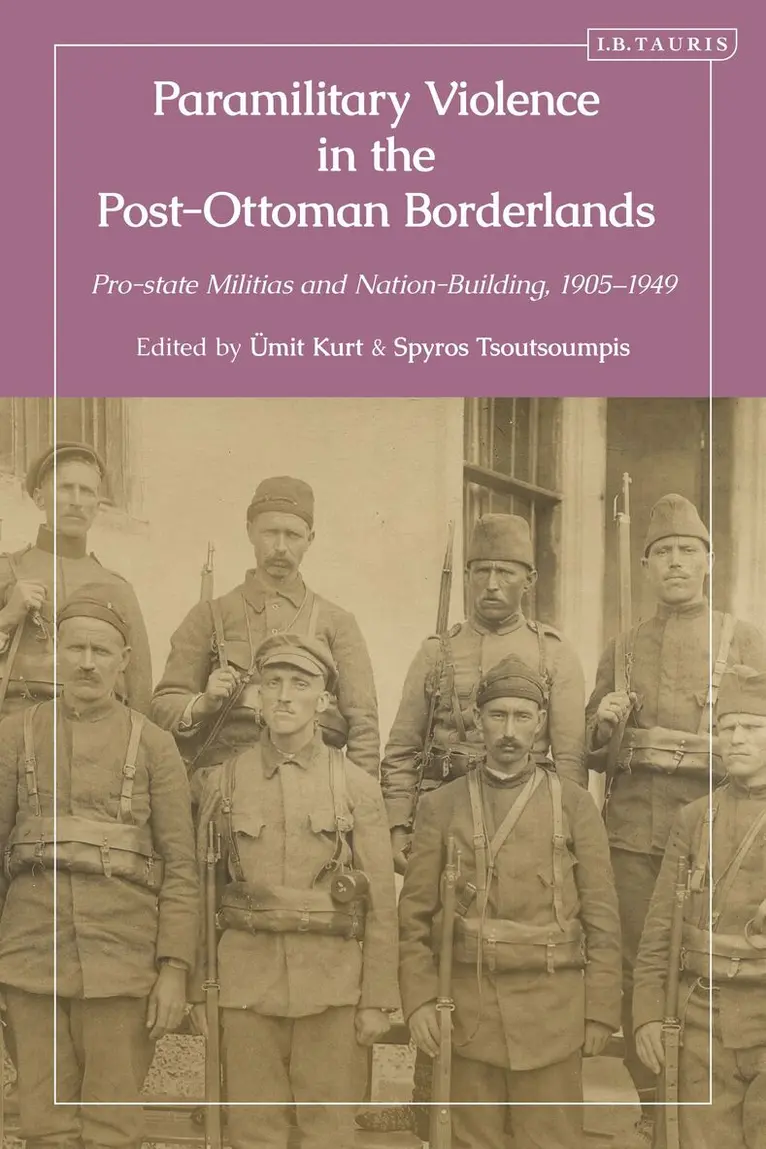
Paramilitary Violence in the Post-Ottoman Borderlands
Pro-state Militias and Nation-Building, 1905-1949
Inbunden, Engelska, 2027
1 448 kr
Kommande
This book examines the emergence, activities and legacies of pro-state paramilitarism in the late and post-Ottoman borderlands during the era of the European civil war (1905-1949). This period was marked by profound violence and acute ethno-political transformation spurred on by the decline and eventual fall of the Ottoman empire and the emergence of a wide array of national and transnational political projects variably shaped by ethnic nationalism, fascism, and socialism. The chapters in this book examine the backstories, trajectories and activities of those who fought in the name of the various ethno-statal agendas, paramilitaries, gang leaders, bandits, and other pro-state actors, across the periphery of the empire and including understudied areas such as Kosovo, Montenegro, North-Western Greece. The book reveals the organization, patterns and logic of ethnic victimization, and the impact of ethnic and paramilitary mobilization in the governance structures and political institutions on the societies at the receiving end of violence. This approach offers new insights into the motivations of pro-state armed actors and challenges state-centric narratives on the history and legacy of nation-building, violence and paramilitary mobilization in the embattled borderlands of the Balkans, the Caucasus and Anatolia.
1 488 kr
Kommande
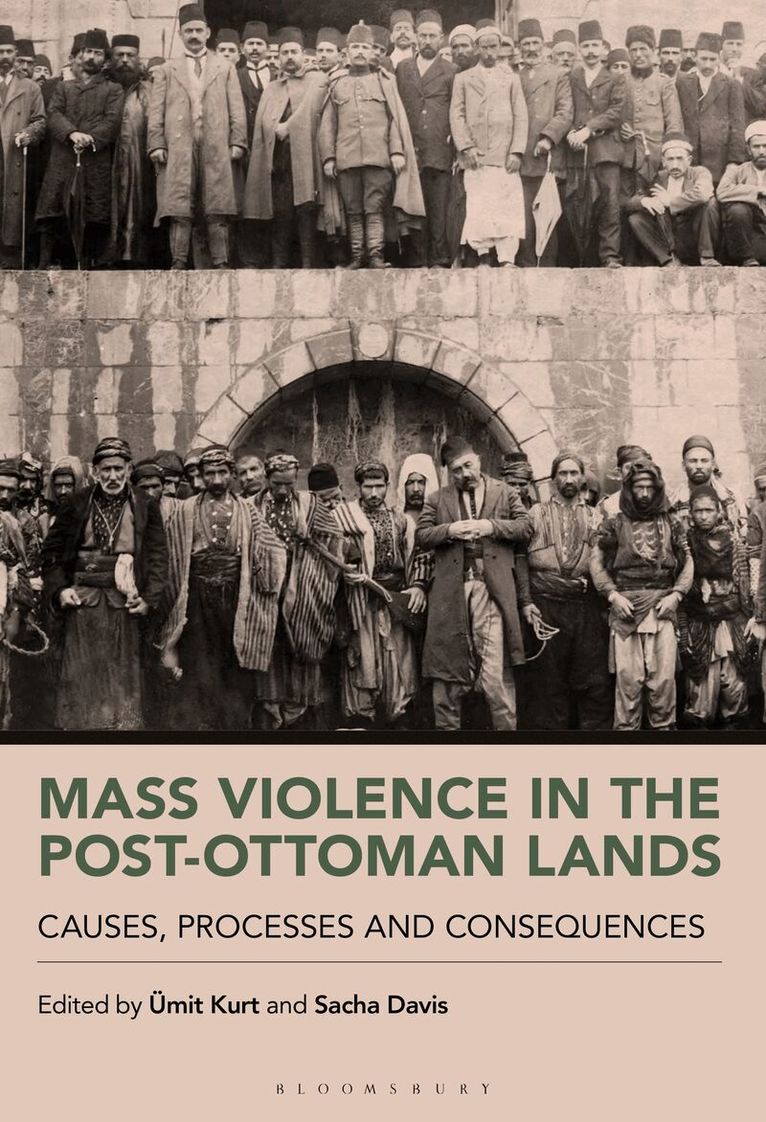
This edited collection interrogates the causes, processes and consequences of mass violence in the (Post-)Ottoman lands across the long twentieth century, in both Asia Minor and Southeast Europe (the Balkans). We consider here mass violence by a wide range of actors, both Muslim and Christian, state and non-state, from the preconditions through to the long-term consequences of violence.From the late nineteenth century, the Ottoman Empire came under the increasing strains of both internal upheavals and external pressure from great power rivals, culminating in the Empire’s disintegration following defeat in the First World War. Increasing acts of mass violence accompanied this political instability, most notably the Armenian Genocide. We propose a collection of chapters considering the causes, processes, limitations and consequences of mass violence in the Ottoman and post-Ottoman lands, from the 1870s through to the end of the Twentieth Century. The collection brings together articles focusing on the theoretical analysis of mass violence, together with specific case studies, to consider the rhetoric mobilising violence (and its counter-narratives), the actions of Christian and Muslim state and non-state actors in support of or opposition to violence, and the reverberations of such violence over time, across (post-) Ottoman Anatolia and Southeast Europe.
Del 21 - War and Genocide
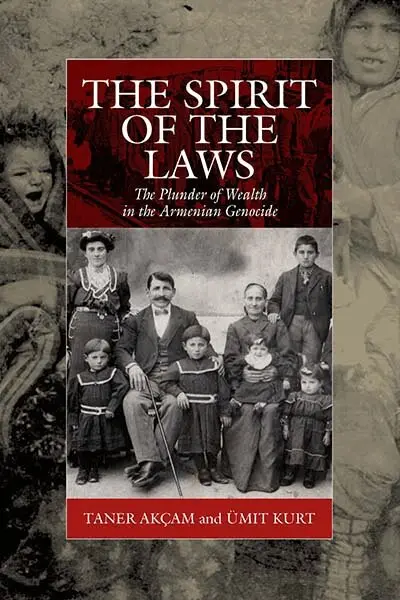
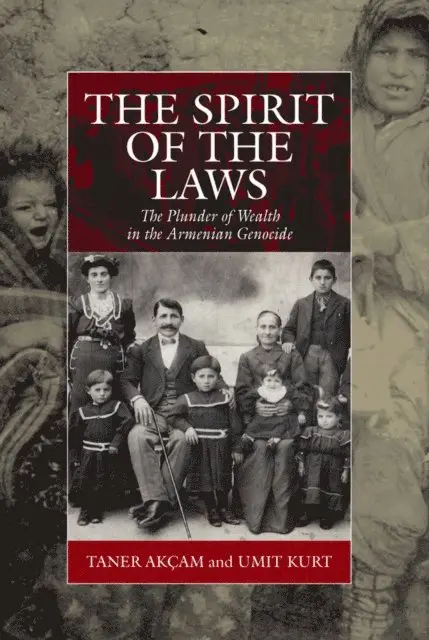
Spirit of the Laws
The Plunder of Wealth in the Armenian Genocide
Inbunden, Engelska, 2015
2 014 kr
Skickas inom 3-6 vardagar
Pertinent to contemporary demands for reparations from Turkey is the relationship between law and property in connection with the Armenian Genocide. This book examines the confiscation of Armenian properties during the genocide and subsequent attempts to retain seized Armenian wealth. Through the close analysis of laws and treaties, it reveals that decrees issued during the genocide constitute central pillars of the Turkish system of property rights, retaining their legal validity, and although Turkey has acceded through international agreements to return Armenian properties, it continues to refuse to do so. The book demonstrates that genocides do not depend on the abolition of the legal system and elimination of rights, but that, on the contrary, the perpetrators of genocide manipulate the legal system to facilitate their plans.
583 kr
Skickas inom 3-6 vardagar
Pertinent to contemporary demands for reparations from Turkey is the relationship between law and property in connection with the Armenian Genocide. This book examines the confiscation of Armenian properties during the genocide and subsequent attempts to retain seized Armenian wealth. Through the close analysis of laws and treaties, it reveals that decrees issued during the genocide constitute central pillars of the Turkish system of property rights, retaining their legal validity, and although Turkey has acceded through international agreements to return Armenian properties, it continues to refuse to do so. The book demonstrates that genocides do not depend on the abolition of the legal system and elimination of rights, but that, on the contrary, the perpetrators of genocide manipulate the legal system to facilitate their plans.