Umut Durak - Böcker
Visar alla böcker från författaren Umut Durak. Handla med fri frakt och snabb leverans.
8 produkter
8 produkter
853 kr
Skickas inom 10-15 vardagar
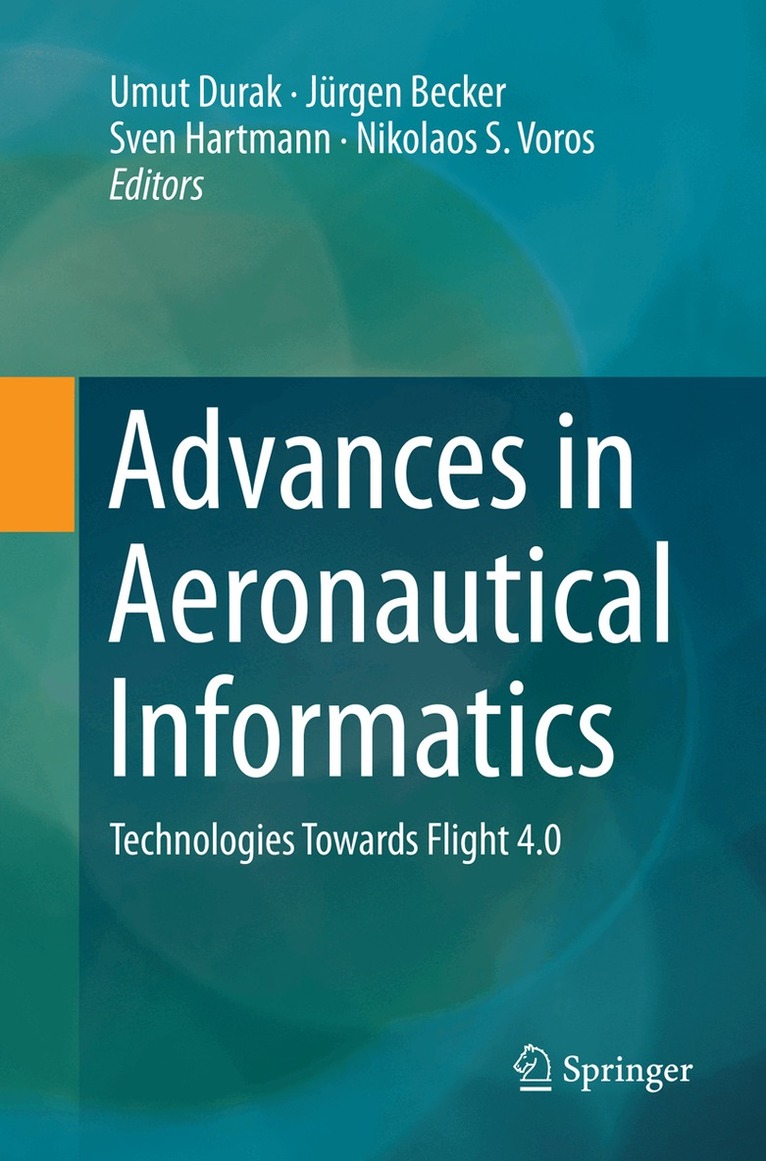
The history of flight started with the pioneer era. The introduction of mechanical controls (including hydraulics) then led to the second era. Later, with the utilization of computers and automation in aircraft, we reached the third era. Now, we are moving towards the fourth era of flight, namely Flight 4.0, which is characterized by “smart” and “connected” aircraft that extensively exploit emerging information and communication technologies.Aeronautical informatics is advancing rapidly through the synergy between information and communication technologies and aeronautics. Multi-core avionic platforms, wireless avionics networking, service-oriented architectures and IoT, data sciences and semantic infrastructures are shaping systems to come. Increasing autonomy requirements are challenging the community to investigate new ways to assure safety. Modern software engineering methodologies and real-time software techniques are altering the established development practice. Universities are starting to align their aerospace engineering and computer science curriculums in order to address this synergy.This book is a unique compilation of advancements in aeronautical informatics, introducing the changing technology landscape of flight with respect to a new push in information and communication technology.
1 381 kr
Skickas inom 10-15 vardagar
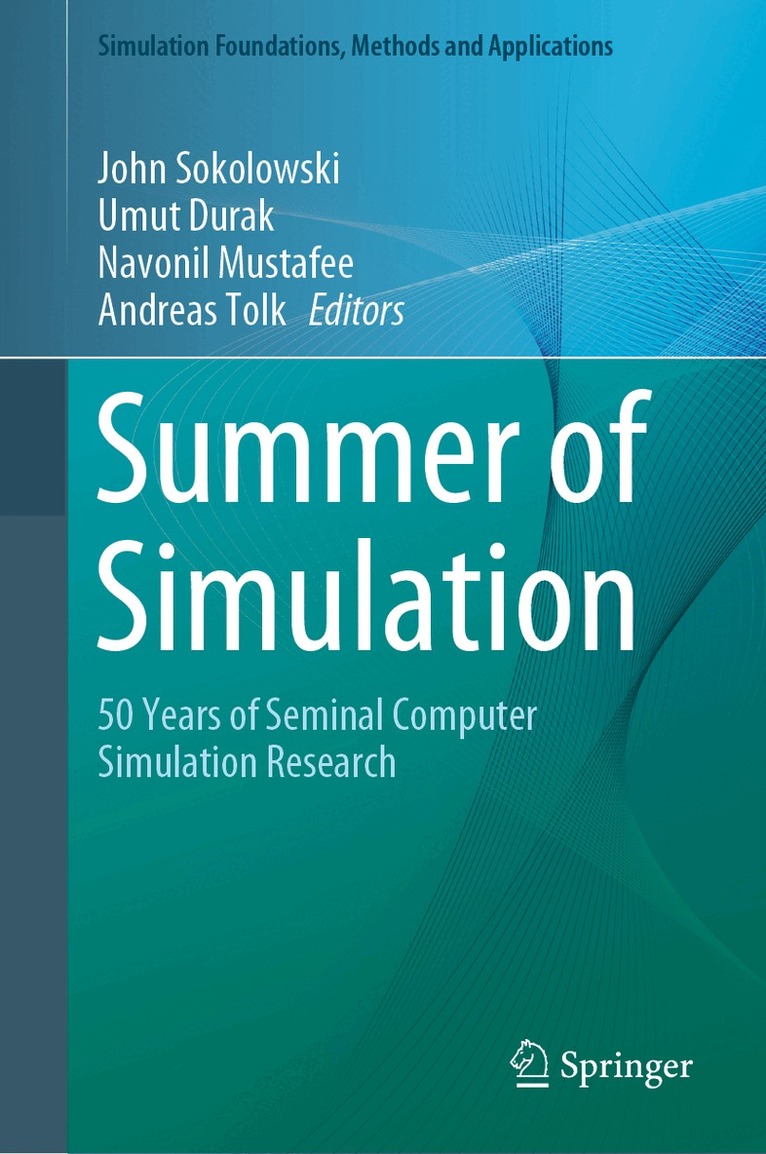
This book is based on the “Summer Simulation Multi-Conference” (SCSC), which has been a prominent platform for the dissemination of scholarly research in the M&S community for the last 50 years. In keeping with the conference’s seasonal title, the authors have called this half-century “the summer of simulation,” and it has led not only to simulation-based disciplines but also simulation as a discipline. This book discusses contributions from the SCSC in four sections. The first section is an introduction to the work. The second section is devoted to contributions from simulation research fellows who were associated with the SCSC, while the third section features the SCSC’s most influential contributions. Lastly, the fourth section includes contributions from the best papers in the last five years.Features:•A comprehensive volume dedicated to one of the simulation domain’s major conferences: the SCSC•Offers a scientometric analysis of the SCSC•Revisits high-impact topics from 50 years of the SCSC•Includes chapters by simulation research fellows associated with the SCSC•Presents updated best-paper contributions from the recent conferenceThis work will be of value to anyone interested in the evolution of modeling and simulation over the last fifty years. Readers will gain a perspective on what drove this evolution, and develop an understanding of the key contributions that allowed this technology to grow into its own academic discipline and profession.
552 kr
Skickas inom 10-15 vardagar
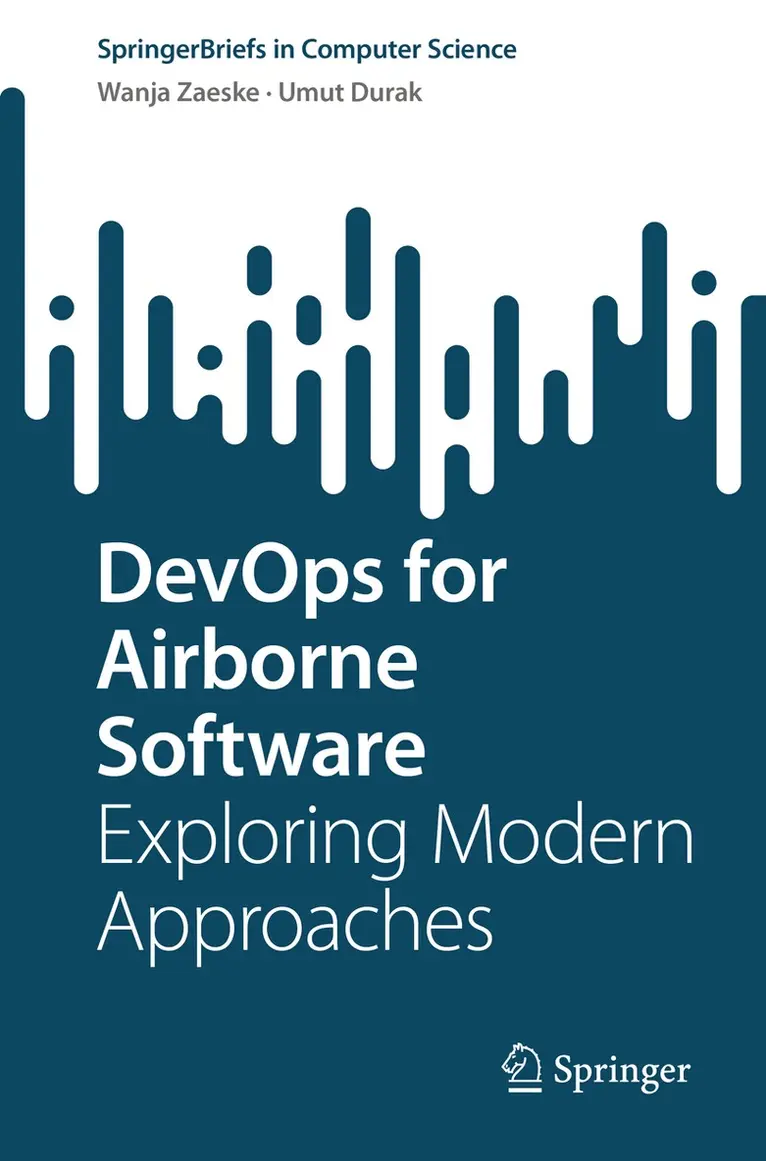
This Springer Brief presents a selection of tools and techniques which either enable or improve the use of DevOps for airborne software engineering. They are evaluated against the unique challenges of the aviation industry such as safety and airworthiness, and exercised using a demonstrator in order to gather first experience.The book is structured as follows: after a short introduction to the main topics of the work in chapter 1, chapter 2 provides more information on the tools, techniques, software and standards required to implement the subsequently presented ideas. In particular, the development practice BDD, the relation between DevOps, CI & CD and both the Rust & the Nix programming language are introduced. In chapter 3 the authors explain and justify their ideas towards advancing the state of the art, mapping the aforementioned tools and techniques to the DevOps Cycle while considering aspects of Do-178C. Next, in chapter 4 the experiences gathered while implementinga demonstrator using the tools and techniques are described. Eventually, chapter 5 briefly summarizes the findings and presents a compilation of open points and missing pieces which are yet to be resolved.The book targets three different reader groups. The first one are development managers from the aerospace industry who need to see examples and experience reports for the application of DevOps for airborne software. The second group are investigators in the safety-critical embedded systems domain who look for benchmarks at various application domains. And the third group are lecturers who offer graduate level software engineering courses for safety-critical software engineering.
1 423 kr
Skickas inom 10-15 vardagar
Backed by substantive case studies, the novel approach to software engineering for distributed simulation outlined in this text demonstrates the potent synergies between model-driven techniques, simulation, intelligent agents, and computer systems development.
1 064 kr
Skickas inom 10-15 vardagar
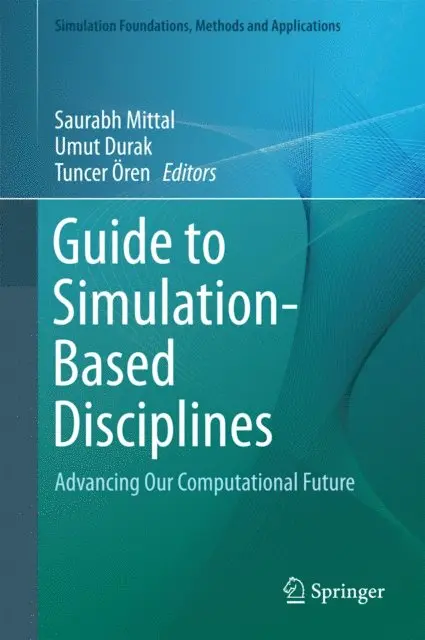
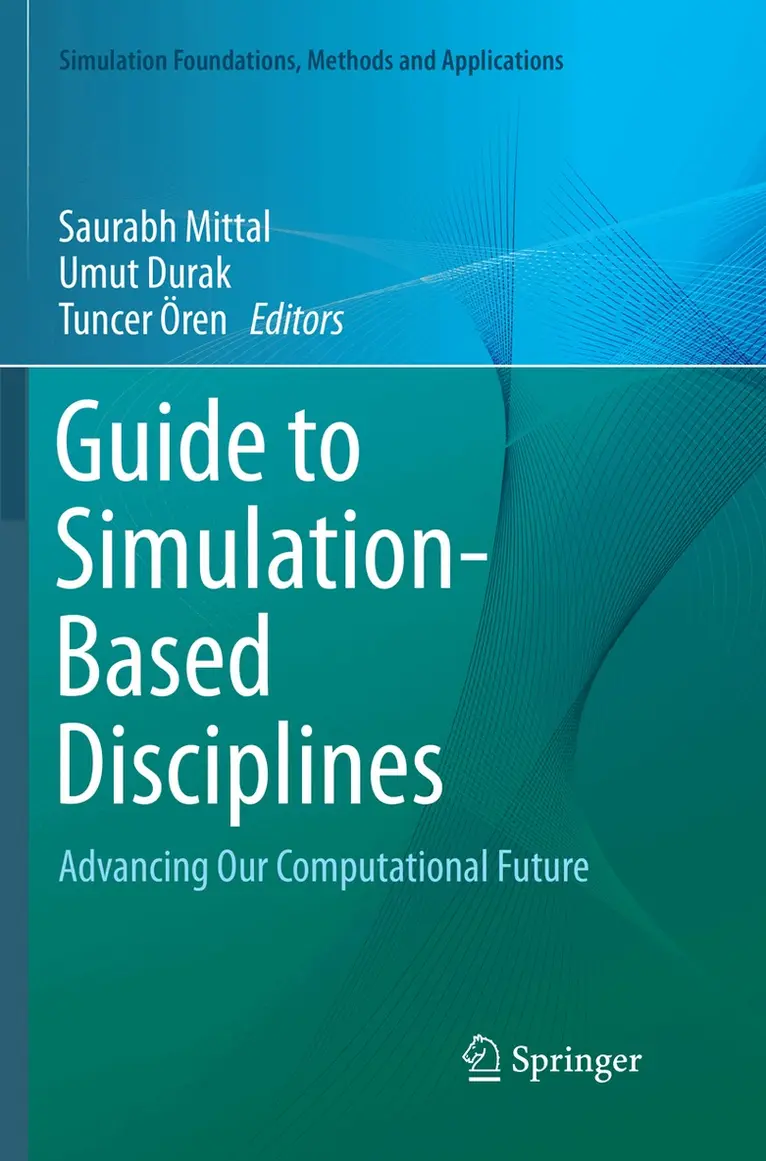
This invaluable text/reference reviews the state of the art in simulation-based approaches across a wide range of different disciplines, and provides evidence of using simulation-based approaches to advance these disciplines. Highlighting the benefits that simulation can bring to any field, the volume presents case studies by the leading experts from such diverse domains as the life sciences, engineering, architecture, arts, and social sciences.Topics and features: includes review questions at the end of every chapter; provides a broad overview of the evolution of the concept of simulation, stressing its importance across numerous sectors and disciplines; addresses the role of simulation in engineering design, and emphasizes the benefits of integrating simulation into the systems engineering paradigm; explains the relation of simulation with Cyber-Physical Systems and the Internet of Things, and describes a simulation infrastructure for complex adaptive systems; investigates howsimulation is used in the Software Design Life Cycle to assess complex solutions, and examines the use of simulation in architectural design; reviews the function and purpose of simulation within the context of the scientific method, and its contribution to healthcare and health education training; discusses the position of simulation in research in the social sciences, and describes the simulation of service systems for simulation-based enterprise management; describes the role of simulation in learning and education, as well as in in military training.With its near-exhaustive coverage of disciplines, this comprehensive collection is essential reading for all researchers, practitioners and students seeking insights into the use of various modeling paradigms and the need for robust simulation infrastructure to advance their field into a computational future.
1 170 kr
Skickas inom 10-15 vardagar
The history of flight started with the pioneer era. The introduction of mechanical controls (including hydraulics) then led to the second era. Later, with the utilization of computers and automation in aircraft, we reached the third era. Now, we are moving towards the fourth era of flight, namely Flight 4.0, which is characterized by “smart” and “connected” aircraft that extensively exploit emerging information and communication technologies.Aeronautical informatics is advancing rapidly through the synergy between information and communication technologies and aeronautics. Multi-core avionic platforms, wireless avionics networking, service-oriented architectures and IoT, data sciences and semantic infrastructures are shaping systems to come. Increasing autonomy requirements are challenging the community to investigate new ways to assure safety. Modern software engineering methodologies and real-time software techniques are altering the established development practice. Universities are starting to align their aerospace engineering and computer science curriculums in order to address this synergy.This book is a unique compilation of advancements in aeronautical informatics, introducing the changing technology landscape of flight with respect to a new push in information and communication technology.
987 kr
Skickas inom 10-15 vardagar
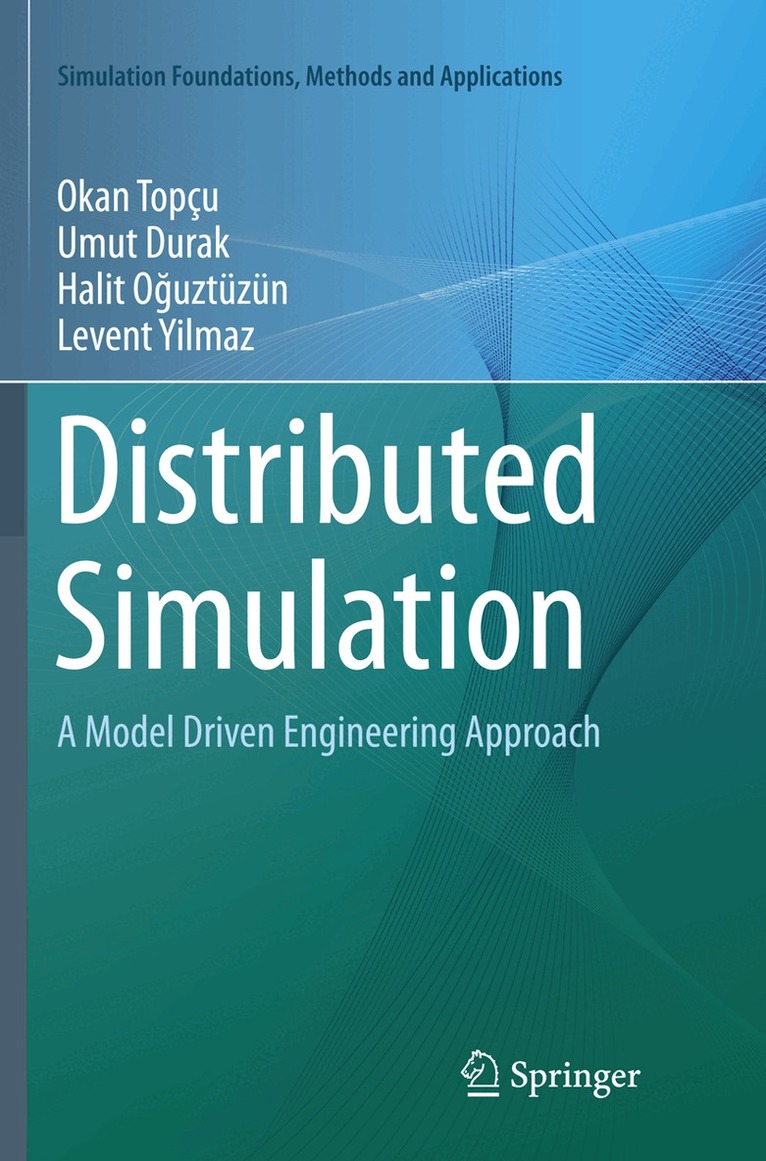
This uniquetext/reference provides a comprehensive review of distributed simulation (DS)from the perspective of Model Driven Engineering (MDE), illustrating how MDEaffects the overall lifecycle of the simulation development process. Numerouspractical case studies are included to demonstrate the utility andapplicability of the methodology, many of which are developed from toolsavailable to download from the public domain.Topics and features:Provides a thorough introduction to the fundamentalconcepts, principles and processes of modeling and simulation, MDE andhigh-level architectureDescribes a road map for building a DS system inaccordance with the MDE perspective, and a technical framework for thedevelopment of conceptual modelsPresents a focus on federate (simulation environment)architectures, detailing a practical approach to the design of federations(i.e., simulation member design)Discusses the main activities related to scenariomanagement in DS, and explores the process of MDE-based implementation,integration and testing Reviews approaches to simulation evolution andmodernization, including architecture-driven modernization for simulationmodernizationExamines the potential synergies between the agent, DS,and MDE methodologies, suggesting avenues for future research at theintersection of these three fieldsDistributed Simulation –A Model Driven Engineering Approach is an important resource for allresearchers and practitioners involved in modeling and simulation, and softwareengineering, who may be interested in adopting MDE principles when developingcomplex DS systems.
1 381 kr
Skickas inom 10-15 vardagar
This invaluable text/reference reviews the state of the art in simulation-based approaches across a wide range of different disciplines, and provides evidence of using simulation-based approaches to advance these disciplines. Highlighting the benefits that simulation can bring to any field, the volume presents case studies by the leading experts from such diverse domains as the life sciences, engineering, architecture, arts, and social sciences.Topics and features: includes review questions at the end of every chapter; provides a broad overview of the evolution of the concept of simulation, stressing its importance across numerous sectors and disciplines; addresses the role of simulation in engineering design, and emphasizes the benefits of integrating simulation into the systems engineering paradigm; explains the relation of simulation with Cyber-Physical Systems and the Internet of Things, and describes a simulation infrastructure for complex adaptive systems; investigates howsimulation is used in the Software Design Life Cycle to assess complex solutions, and examines the use of simulation in architectural design; reviews the function and purpose of simulation within the context of the scientific method, and its contribution to healthcare and health education training; discusses the position of simulation in research in the social sciences, and describes the simulation of service systems for simulation-based enterprise management; describes the role of simulation in learning and education, as well as in in military training.With its near-exhaustive coverage of disciplines, this comprehensive collection is essential reading for all researchers, practitioners and students seeking insights into the use of various modeling paradigms and the need for robust simulation infrastructure to advance their field into a computational future.