Unryu Suganuma – författare
516 kr
Läs direkt efter köp
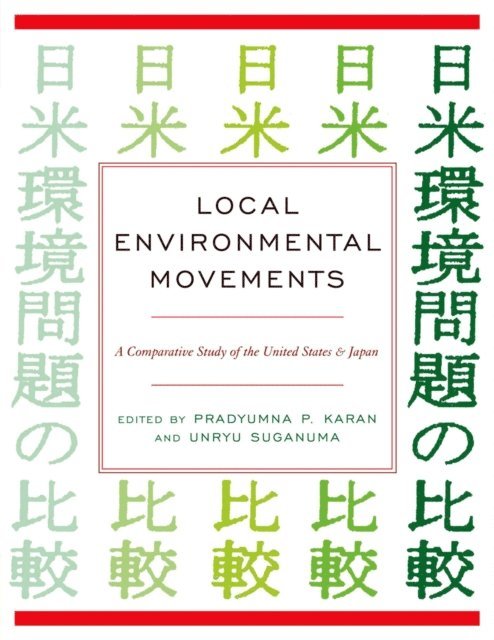
Increasing evidence of the irreparable damage humans have inflicted on the planet has caused many to adopt a defeatist attitude toward the future of the global environment. Local Environmental Movements: A Comparative Study of the United States and Japan analyzes how local groups in both Japan and the United States refuse to surrender the Earth to a depleted and polluted fate. Drawing on numerous case studies, scholars from around the world discuss efforts by grassroots organizations and movements to protect the environment and to preserve the landscapes they love and depend upon. The authors examine citizen campaigns protesting nuclear radiation and chemical weapons disposal. Other groups have organized to protect farmlands and urban landscapes to groups that organize to preserve steams, wildlife habitats, tidal flats, coral reefs, National Parks, and biodiversity. These small groups of determined citizens are occasionally successful, demonstrating the power of democracy against seemingly insurmountable odds. In other cases, the groups failed to bring about the desired change. This book explores the distinctive leaders, the relevant laws and regulations, local politics, and the historical and cultural contexts that influenced the goals and successes of the various groups. The contributors conclude that there is no one single environmental movement but many, and the volume emphasizes grassroots movements and advocacy groups that represent local constituencies. By studying these groups and their respective challenges, Local Environmental Movements highlights the common themes as well as the distinctive features of environmental advocates in the United States and Japan. Over decades, these groups'' have nurtured environmental awareness and promoted the concept of sustainable development that respects the need for both environmental protection and cultural preservation.
573 kr
Läs direkt efter köp
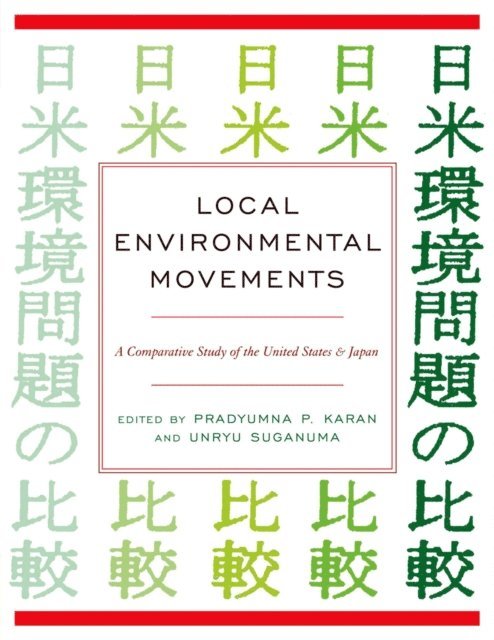
Increasing evidence of the irreparable damage humans have inflicted on the planet has caused many to adopt a defeatist attitude toward the future of the global environment. Local Environmental Movements: A Comparative Study of the United States and Japan analyzes how local groups in both Japan and the United States refuse to surrender the Earth to a depleted and polluted fate. Drawing on numerous case studies, scholars from around the world discuss efforts by grassroots organizations and movements to protect the environment and to preserve the landscapes they love and depend upon. The authors examine citizen campaigns protesting nuclear radiation and chemical weapons disposal. Other groups have organized to protect farmlands and urban landscapes to groups that organize to preserve steams, wildlife habitats, tidal flats, coral reefs, National Parks, and biodiversity. These small groups of determined citizens are occasionally successful, demonstrating the power of democracy against seemingly insurmountable odds. In other cases, the groups failed to bring about the desired change. This book explores the distinctive leaders, the relevant laws and regulations, local politics, and the historical and cultural contexts that influenced the goals and successes of the various groups. The contributors conclude that there is no one single environmental movement but many, and the volume emphasizes grassroots movements and advocacy groups that represent local constituencies. By studying these groups and their respective challenges, Local Environmental Movements highlights the common themes as well as the distinctive features of environmental advocates in the United States and Japan. Over decades, these groups'' have nurtured environmental awareness and promoted the concept of sustainable development that respects the need for both environmental protection and cultural preservation.
737 kr
Läs direkt efter köp
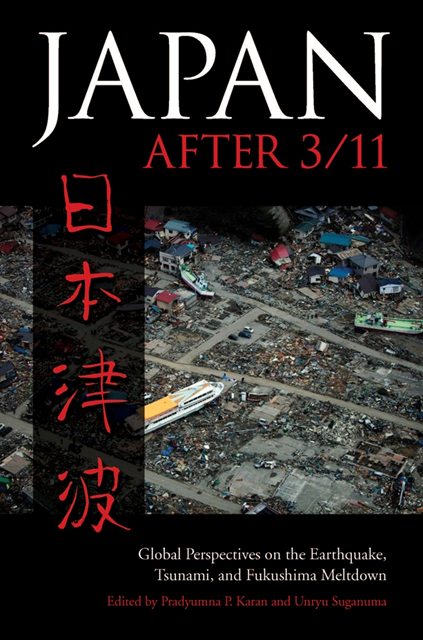
On March 11, 2011, an underwater earthquake off the Pacific coast of Tohoku, Japan, triggered one of the most devastating tsunamis of a generation. The aftermath was overwhelming: communities were reduced to rubble, thousands of people were missing or dead, and relief organizations struggled to reach affected areas to provide aid for survivors and victims of radiation from compromised nuclear reactors.
In Japan after 3/11, editors Pradyumna P. Karan and Unryu Suganuma assemble geographers, economists, humanists, and scientists to consider the complex economic, physical, and social impacts of this heartbreaking disaster. Historical geographers place the events of March 2011 in context, while other contributors assess the damage and recommend strategies for the long process of reclamation and rebuilding. The book also includes interviews with victims that explore the social implications of radioactive contamination and invite comparisons to the discrimination faced by survivors of the Hiroshima and Nagasaki bombings. Balancing the natural and social sciences, this timely volume offers not only a model of interdisciplinary research for scholars but also an invaluable guide to the planning and implementation of reconstruction.
664 kr
Läs direkt efter köp
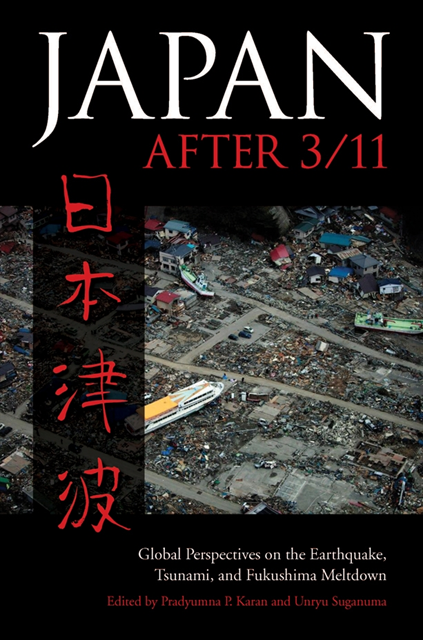
On March 11, 2011, an underwater earthquake off the Pacific coast of Tohoku, Japan, triggered one of the most devastating tsunamis of a generation. The aftermath was overwhelming: communities were reduced to rubble, thousands of people were missing or dead, and relief organizations struggled to reach affected areas to provide aid for survivors and victims of radiation from compromised nuclear reactors.
In Japan after 3/11, editors Pradyumna P. Karan and Unryu Suganuma assemble geographers, economists, humanists, and scientists to consider the complex economic, physical, and social impacts of this heartbreaking disaster. Historical geographers place the events of March 2011 in context, while other contributors assess the damage and recommend strategies for the long process of reclamation and rebuilding. The book also includes interviews with victims that explore the social implications of radioactive contamination and invite comparisons to the discrimination faced by survivors of the Hiroshima and Nagasaki bombings. Balancing the natural and social sciences, this timely volume offers not only a model of interdisciplinary research for scholars but also an invaluable guide to the planning and implementation of reconstruction.