V. Rauschenbakh – författare
Visar alla böcker från författaren V. Rauschenbakh. Handla med fri frakt och snabb leverans.
3 produkter
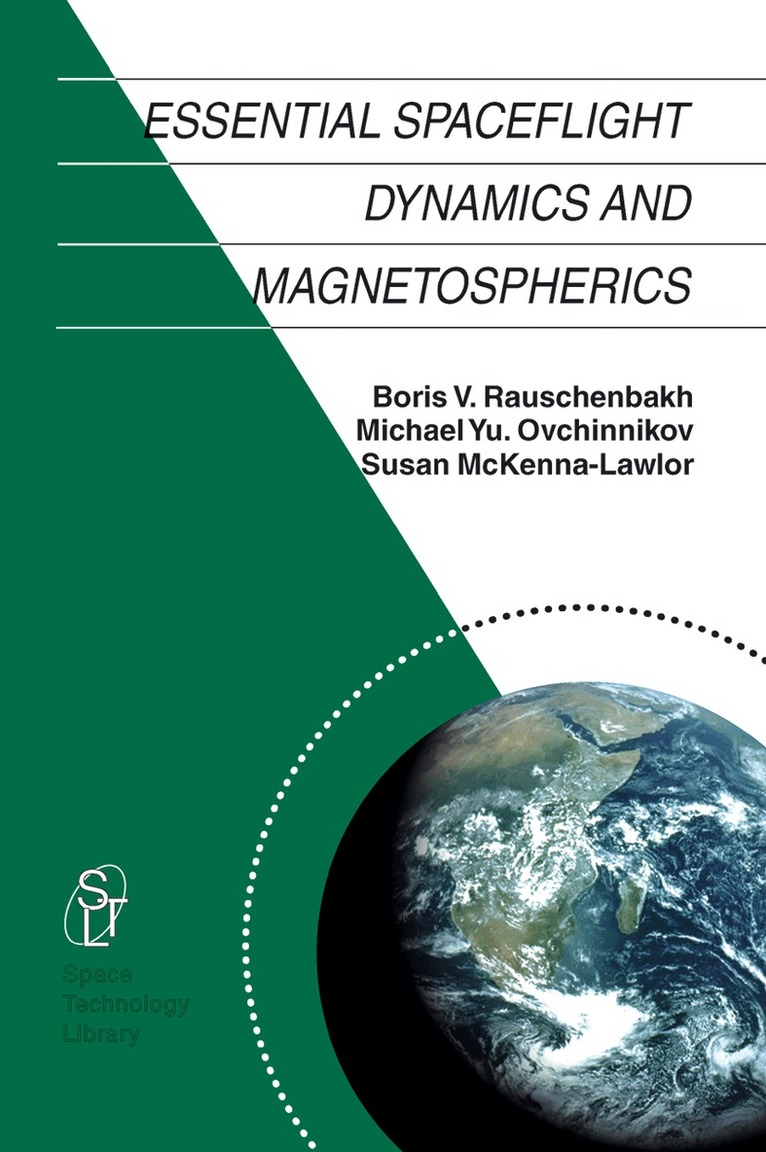
Essential Spaceflight Dynamics and Magnetospherics
Av Susan M.P. McKenna-Lawlor, M. Y. Ovchinnikov m. fl.
E-bok, 2006
3251 kr
Lägg i varukorg
Essential Spaceflight Dynamics and Magnetospherics describes, in the first instance, some of the key aspects of celestial mechanics and spaceflight dynamics. It begins with classical two and three body problems illustrative of the aesthetic aspects of applying analytical methods of investigation to …
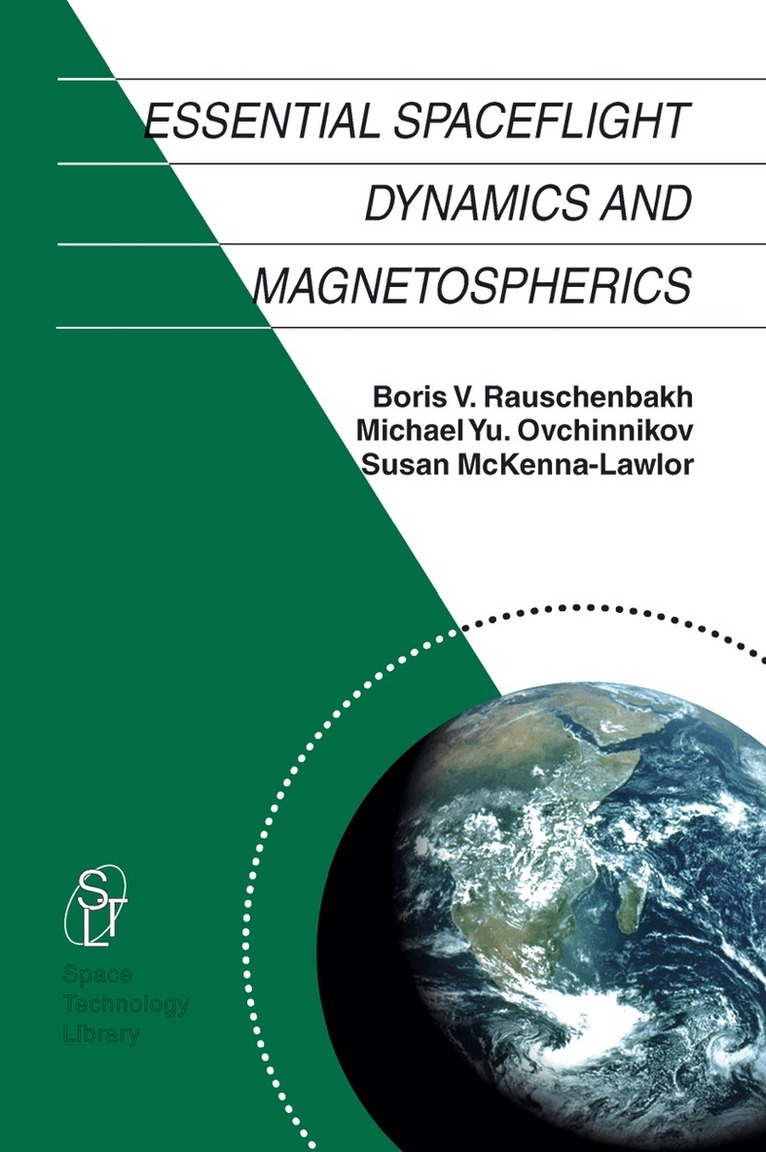
Essential Spaceflight Dynamics and Magnetospherics
Av V. Rauschenbakh, M. Y. Ovchinnikov m. fl.
Inbunden, 2002
2510 kr
Lägg i varukorg
Essential Spaceflight Dynamics and Magnetospherics describes, in the first instance, some of the key aspects of celestial mechanics and spaceflight dynamics. It begins with classical two and three body problems illustrative of the aesthetic aspects of applying analytical methods of investigation to …
Essential Spaceflight Dynamics and Magnetospherics
Av V. Rauschenbakh, M. Y. Ovchinnikov m. fl.
Häftad, 2010
2510 kr
Lägg i varukorg
Essential Spaceflight Dynamics and Magnetospherics describes, in the first instance, some of the key aspects of celestial mechanics and spaceflight dynamics. It begins with classical two and three body problems illustrative of the aesthetic aspects of applying analytical methods of investigation to …