Vanessa G. B. Gowreesunkar – författare
Visar alla böcker från författaren Vanessa G. B. Gowreesunkar. Handla med fri frakt och snabb leverans.
7 produkter
Post-Disaster and Post-Conflict Tourism
Toward a New Management Approach
Av Vanessa G. B. Gowreesunkar, Hugues SA(c)raphin m. fl.
E-bok, 2020
2009 kr
Lägg i varukorg
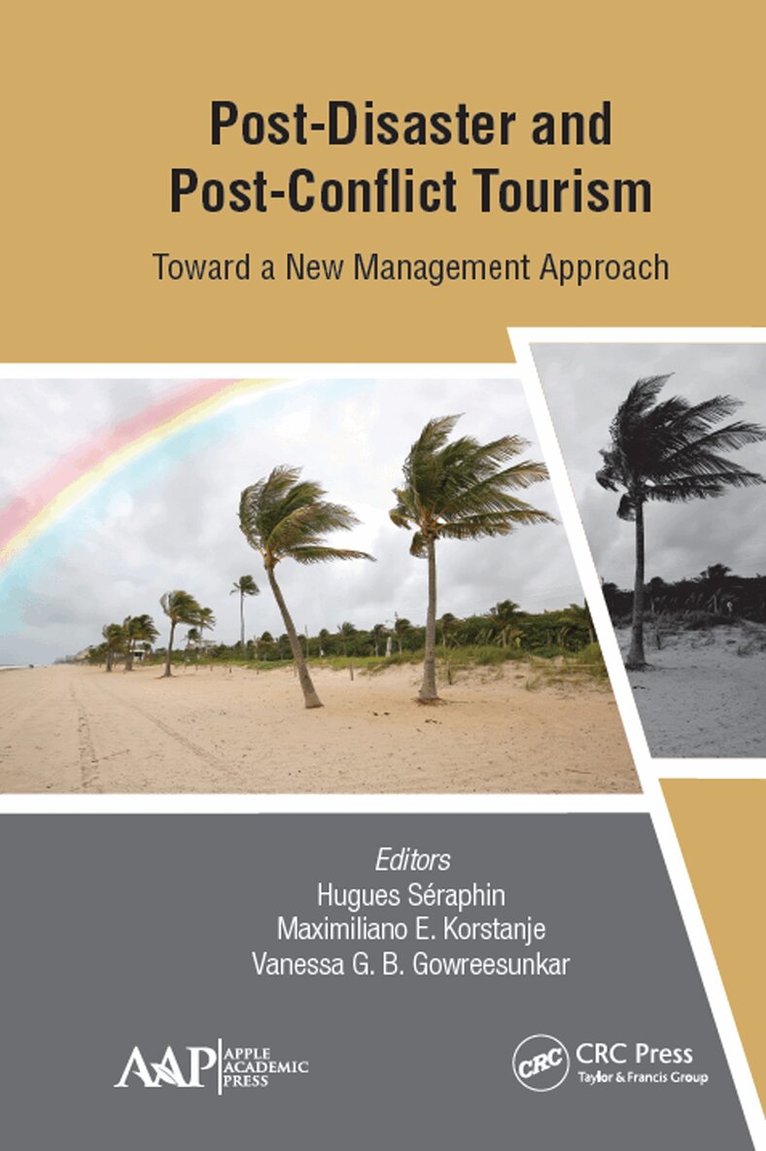
Post-disaster and post-conflict tourism has recently emerged as a prominent topic of research and considers new risks that jeopardize tourism travel to destinations that have recently experienced climate-related disasters, civil conflicts, and other challenges. This volume presents a host of …
Post-Disaster and Post-Conflict Tourism
Toward a New Management Approach
Av Vanessa G. B. Gowreesunkar, Hugues SA(c)raphin m. fl.
E-bok, 2020
2009 kr
Lägg i varukorg
Post-disaster and post-conflict tourism has recently emerged as a prominent topic of research and considers new risks that jeopardize tourism travel to destinations that have recently experienced climate-related disasters, civil conflicts, and other challenges. This volume presents a host of …
Post-Disaster and Post-Conflict Tourism, 2nd Edition
Av Vanessa G. B. Gowreesunkar, Hugues SA(c)raphin m. fl.
E-bok, 2023
2336 kr
Lägg i varukorg
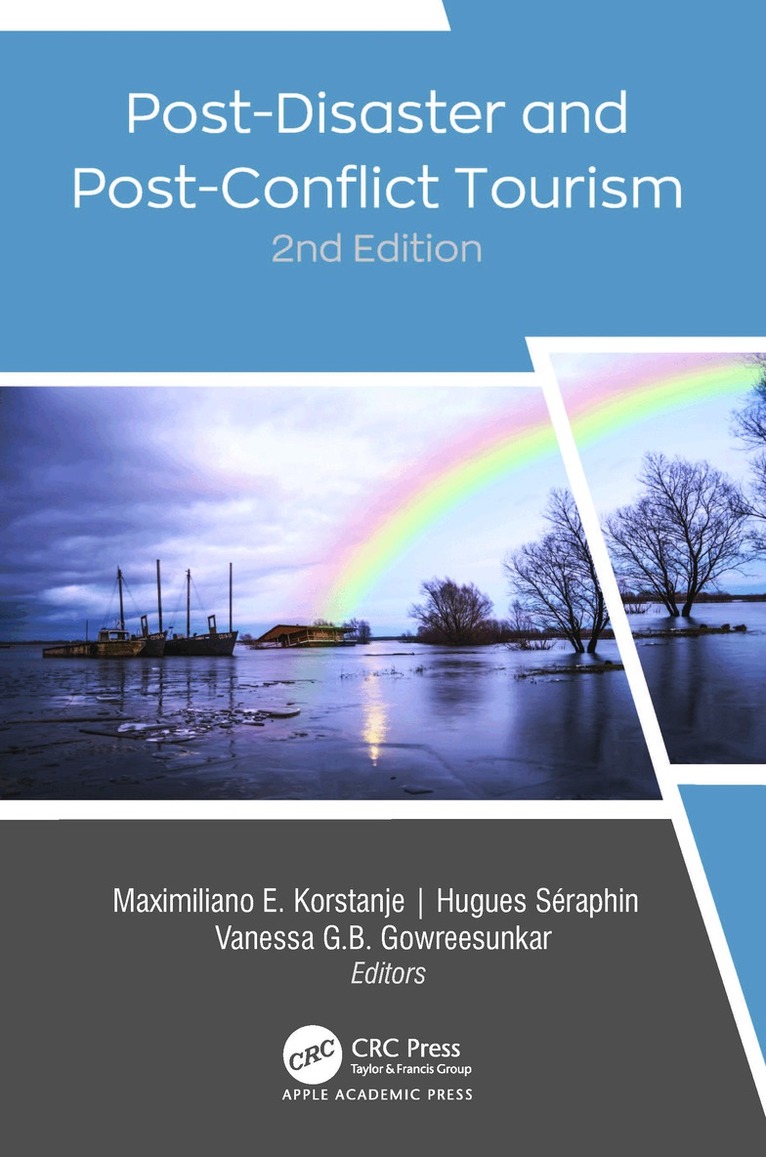
This new volume, Post-Disaster and Post-Conflict Tourism , now going into its 2nd edition, takes an in-depth look at how global geopolitical tensions and global threats affect the tourism industry and offers tools and strategies for meeting these challenges. The book is updated with chapters that …
Post-Disaster and Post-Conflict Tourism, 2nd Edition
Av Vanessa G. B. Gowreesunkar, Hugues SA(c)raphin m. fl.
E-bok, 2023
2286 kr
Lägg i varukorg
This new volume, Post-Disaster and Post-Conflict Tourism , now going into its 2nd edition, takes an in-depth look at how global geopolitical tensions and global threats affect the tourism industry and offers tools and strategies for meeting these challenges. The book is updated with chapters that …
Post-Disaster and Post-Conflict Tourism
Toward a New Management Approach
Av Maximiliano E. Korstanje, Hugues Séraphin m. fl.
Inbunden, 2020
1695 kr
Lägg i varukorg
Post-disaster and post-conflict tourism has recently emerged as a prominent topic of research and considers new risks that jeopardize tourism travel to destinations that have recently experienced climate-related disasters, civil conflicts, and other challenges. This volume presents a host of …
Post-Disaster and Post-Conflict Tourism
Toward a New Management Approach
Av Maximiliano E. Korstanje, Hugues Séraphin m. fl.
Häftad, 2021
1215 kr
Lägg i varukorg
Post-disaster and post-conflict tourism has recently emerged as a prominent topic of research and considers new risks that jeopardize tourism travel to destinations that have recently experienced climate-related disasters, civil conflicts, and other challenges. This volume presents a host of …
Post-Disaster and Post-Conflict Tourism, 2nd Edition
Av Maximiliano E. Korstanje, Hugues Séraphin m. fl.
Inbunden, 2023
1970 kr
Lägg i varukorg
This new volume, Post-Disaster and Post-Conflict Tourism, now going into its 2nd edition, takes an in-depth look at how global geopolitical tensions and global threats affect the tourism industry and offers tools and strategies for meeting these challenges.The book is updated with chapters that …