Vanisha Sukdeo – författare
Visar alla böcker från författaren Vanisha Sukdeo. Handla med fri frakt och snabb leverans.
9 produkter
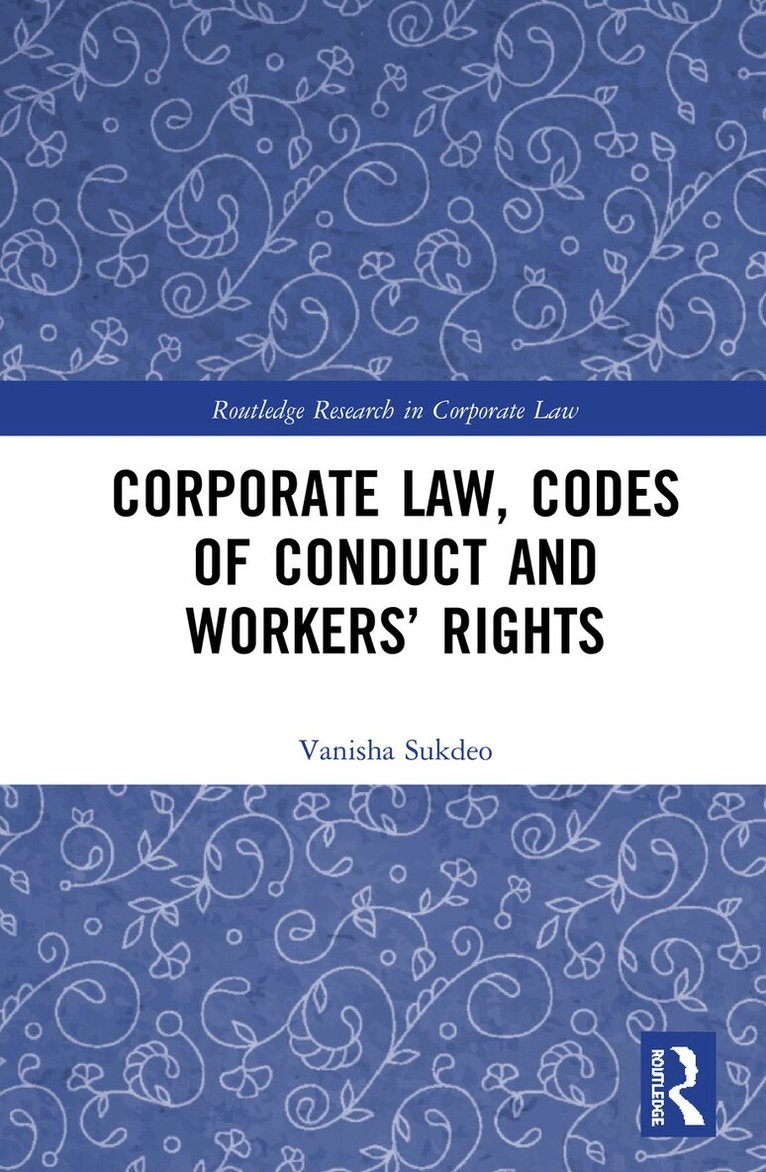
Corporate Law, Codes of Conduct and Workers’ Rights
Inbunden, 2019
2532 kr
Lägg i varukorg
This book critically explores how increased regulation and governance of corporations can be used to help improve the rights of workers amidst an era of union decline. The book posits that soft law techniques such as codes of conduct are more effective in protecting workers than "hard law" i.e. …
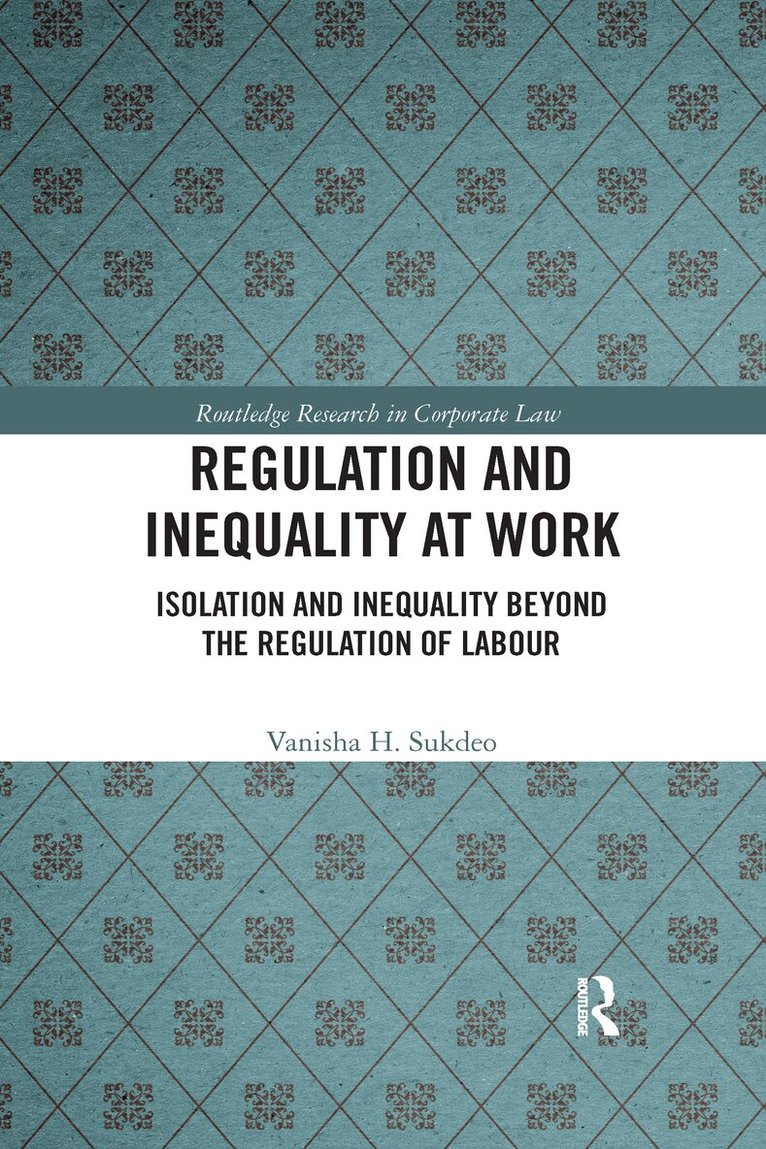
Regulation and Inequality at Work
Isolation and Inequality Beyond the Regulation of Labour
Häftad, 2020
638 kr
Lägg i varukorg
This book examines how the law has limitations to the extent that it can combat repression, isolation, and inequality. The main point the book explores is that isolation and inequality cannot be solved by driving up wages and having better working conditions. The true divide between management and …
Corporate Law, Codes of Conduct and Workers' Rights
E-bok, 2019
812 kr
Lägg i varukorg
This book critically explores how increased regulation and governance of corporations can be used to help improve the rights of workers amidst an era of union decline. The book posits that soft law techniques such as codes of conduct are more effective in protecting workers than "hard law" i.e. …
Corporate Law, Codes of Conduct and Workers' Rights
E-bok, 2019
749 kr
Lägg i varukorg
This book critically explores how increased regulation and governance of corporations can be used to help improve the rights of workers amidst an era of union decline. The book posits that soft law techniques such as codes of conduct are more effective in protecting workers than "hard law" i.e. …
Regulation and Inequality at Work
Isolation and Inequality Beyond the Regulation of Labour
E-bok, 2018
733 kr
Lägg i varukorg
This book examines how the law has limitations to the extent that it can combat repression, isolation, and inequality. The main point the book explores is that isolation and inequality cannot be solved by driving up wages and having better working conditions. The true divide between management and …
Regulation and Inequality at Work
Isolation and Inequality Beyond the Regulation of Labour
E-bok, 2018
749 kr
Lägg i varukorg
This book examines how the law has limitations to the extent that it can combat repression, isolation, and inequality. The main point the book explores is that isolation and inequality cannot be solved by driving up wages and having better working conditions. The true divide between management and …
Corporate Law, Codes of Conduct and Workers’ Rights
Häftad, 2021
638 kr
Lägg i varukorg
This book critically explores how increased regulation and governance of corporations can be used to help improve the rights of workers amidst an era of union decline. The book posits that soft law techniques such as codes of conduct are more effective in protecting workers than "hard law" i.e. …
Regulation and Inequality at Work
Isolation and Inequality Beyond the Regulation of Labour
Inbunden, 2018
2317 kr
Lägg i varukorg
This book examines how the law has limitations to the extent that it can combat repression, isolation, and inequality. The main point the book explores is that isolation and inequality cannot be solved by driving up wages and having better working conditions. The true divide between management and …
Weather and Work
How Climate Change Relates to Workers' Rights
Häftad, 2026
494 kr
Kommande
Weather and Work investigates the growing impact of climate change on Canadian workers, particularly those in outdoor occupations, who face increasing exposure to extreme conditions such as heat domes and wildfires. The book highlights the urgent need for collaboration between labour and corporate …