Vedi R. Hadiz – författare
Visar alla böcker från författaren Vedi R. Hadiz. Handla med fri frakt och snabb leverans.
8 produkter
Empire and Neoliberalism in Asia
Inbunden, 2006
765 kr
Lägg i varukorg
This book analyzes the overall effect of American primacy on social and political conflicts in Asia, discussing how the post-Cold War American agenda does not promote democratization in the region, in contradiction to one of the major proclaimed aims of the proponents of the Pax Americana. This …
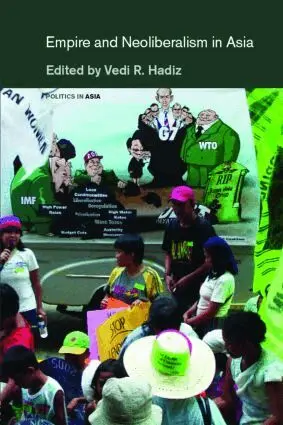
Empire and Neoliberalism in Asia
Häftad, 2006
372 kr
Lägg i varukorg
This book analyzes the overall effect of American primacy on social and political conflicts in Asia, discussing how the post-Cold War American agenda does not promote democratization in the region, in contradiction to one of the major proclaimed aims of the proponents of the Pax Americana. This …
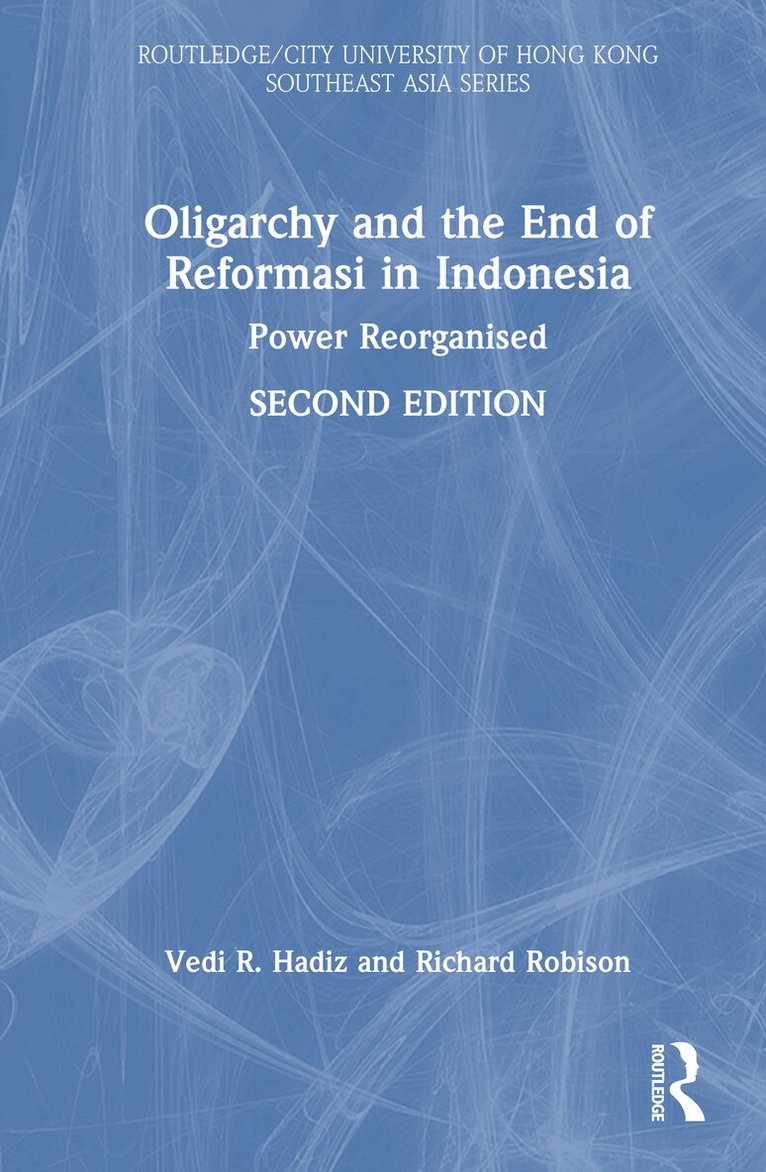
Oligarchy and the End of Reformasi in Indonesia
Power Reorganised
Av Richard Robison, Vedi R. Hadiz
E-bok, 2026
746 kr
Lägg i varukorg
Offering an in-depth account of how the forces and institutions of oligarchy established their ascendancy in post-authoritarian Indonesia, this volume represents the new and updated edition of a highly influential study.In the wake of neo-liberal markets and democracy being progressively replaced …
Oligarchy and the End of Reformasi in Indonesia
Power Reorganised
Av Vedi R. Hadiz, Richard Robison
Häftad, 2026
668 kr
Lägg i varukorg
Offering an in-depth account of how the forces and institutions of oligarchy established their ascendancy in post-authoritarian Indonesia, this volume represents the new and updated edition of a highly influential study.In the wake of neo-liberal markets and democracy being progressively replaced …
Oligarchy and the End of Reformasi in Indonesia
Power Reorganised
Av Vedi R. Hadiz, Richard Robison
Inbunden, 2026
2590 kr
Lägg i varukorg
Offering an in-depth account of how the forces and institutions of oligarchy established their ascendancy in post-authoritarian Indonesia, this volume represents the new and updated edition of a highly influential study.In the wake of neo-liberal markets and democracy being progressively replaced …
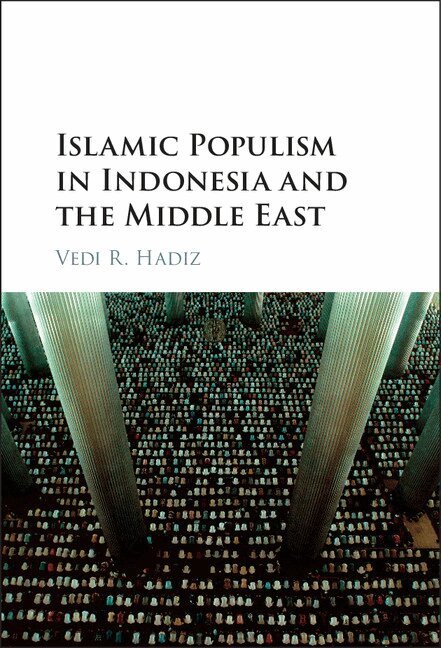
Islamic Populism in Indonesia and the Middle East
Inbunden, 2016
1628 kr
Lägg i varukorg
In a novel approach to the field of Islamic politics, this provocative new study compares the evolution of Islamic populism in Indonesia, the country with the largest Muslim population in the world, to the Middle East. Utilising approaches from historical sociology and political economy, Vedi R. …
Islamic Populism in Indonesia and the Middle East
Häftad, 2017
557 kr
Lägg i varukorg
In a novel approach to the field of Islamic politics, this provocative new study compares the evolution of Islamic populism in Indonesia, the country with the largest Muslim population in the world, to the Middle East. Utilising approaches from historical sociology and political economy, Vedi R. …
Empire and Neoliberalism in Asia
E-bok, 2006
418 kr
Lägg i varukorg
This book analyzes the overall effect of American primacy on social and political conflicts in Asia, discussing how the post-Cold War American agenda does not promote democratization in the region, in contradiction to one of the major proclaimed aims of the proponents of the Pax Americana. This …