Velika Ivkovska – författare
Visar alla böcker från författaren Velika Ivkovska. Handla med fri frakt och snabb leverans.
8 produkter
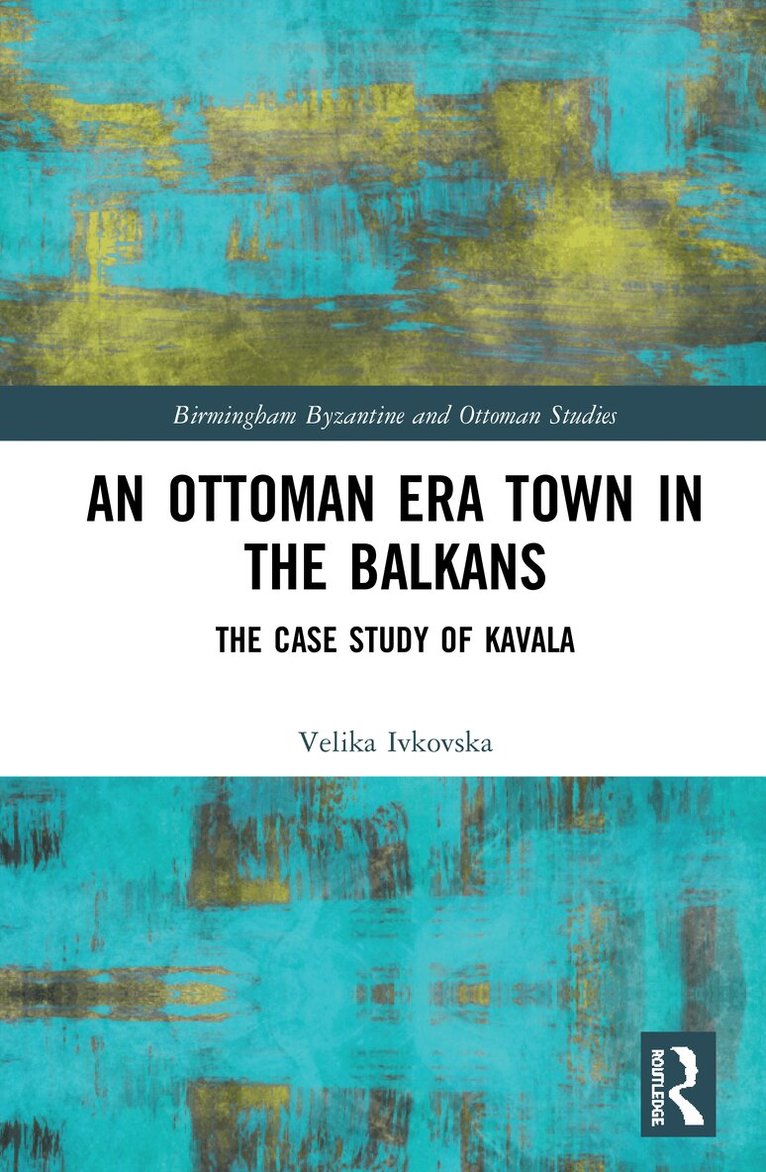
Ottoman Era Town in the Balkans
The Case Study of Kavala
Inbunden, 2020
2195 kr
Lägg i varukorg
An Ottoman Era Town in the Balkans: The Case Study of Kavala presents the town of Kavala in Northern Greece as an example of Ottoman urban and residential development, covering the long period of Kavala’s expansion over five centuries under Ottoman rule. Kavala was part of the Ottoman Empire from …
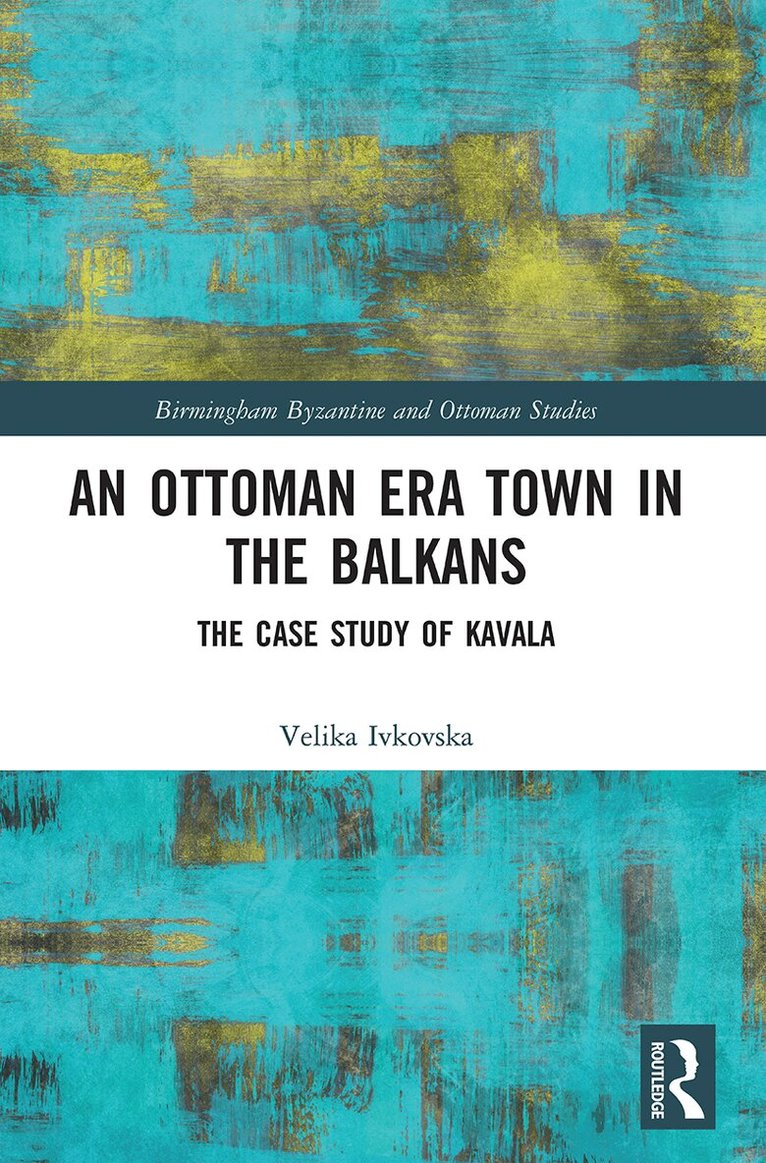
Ottoman Era Town in the Balkans
The Case Study of Kavala
Häftad, 2022
727 kr
Lägg i varukorg
An Ottoman Era Town in the Balkans: The Case Study of Kavala presents the town of Kavala in Northern Greece as an example of Ottoman urban and residential development, covering the long period of Kavala’s expansion over five centuries under Ottoman rule. Kavala was part of the Ottoman Empire from …
Ottoman Era Town in the Balkans
The Case Study of Kavala
E-bok, 2020
856 kr
Lägg i varukorg
An Ottoman Era Town in the Balkans: The Case Study of Kavala presents the town of Kavala in Northern Greece as an example of Ottoman urban and residential development, covering the long period of Kavala’s expansion over five centuries under Ottoman rule. Kavala was part of the Ottoman Empire from …
Ottoman Era Town in the Balkans
The Case Study of Kavala
E-bok, 2020
838 kr
Lägg i varukorg
An Ottoman Era Town in the Balkans: The Case Study of Kavala presents the town of Kavala in Northern Greece as an example of Ottoman urban and residential development, covering the long period of Kavala’s expansion over five centuries under Ottoman rule. Kavala was part of the Ottoman Empire from …
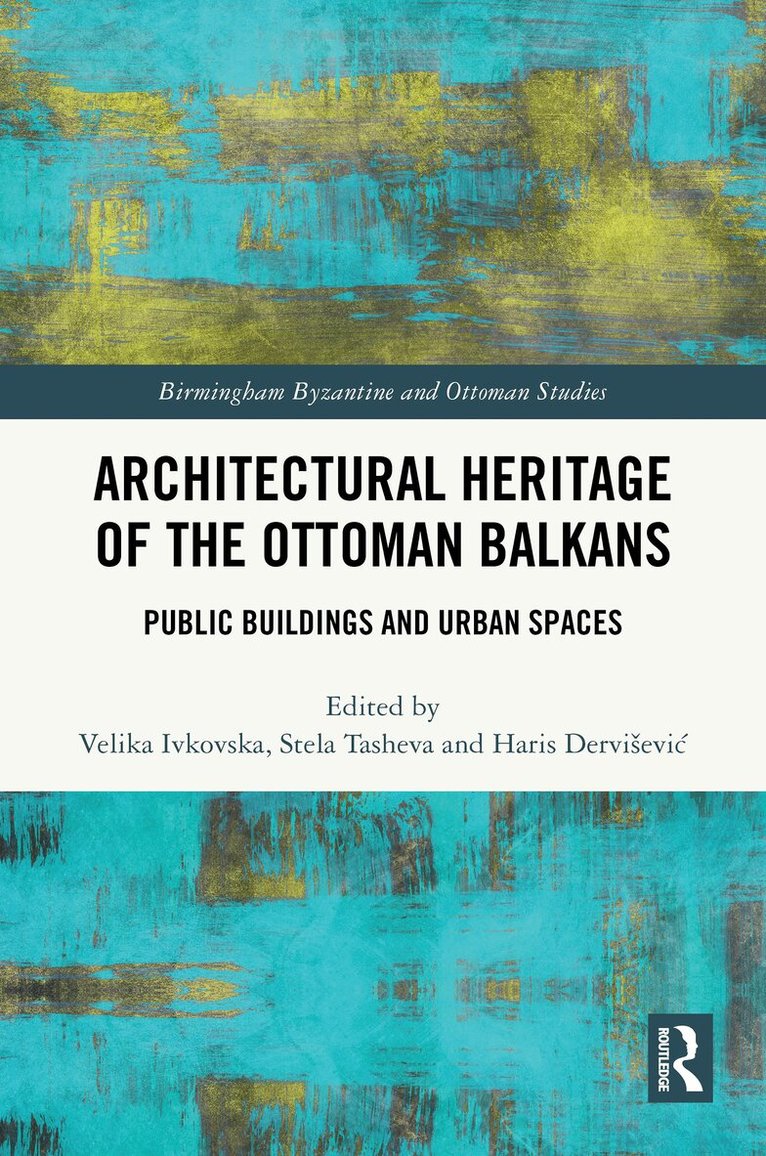
Architectural Heritage of the Ottoman Balkans
Public Buildings and Urban Spaces
Av Velika Ivkovska, Stela Tasheva m. fl.
Inbunden, 2025
2585 kr
Lägg i varukorg
The Ottoman Empire’s rule in the Balkans began in the late 14th century and continued until the late 19th century, and its impact on the region’s history, culture, and society was significant. The systematic study of Ottoman influence in the Balkans, however, has only gained pace from the early …
Architectural Heritage of the Ottoman Balkans
Public Buildings and Urban Spaces
Av Velika Ivkovska, Stela Tasheva m. fl.
Häftad, 2026
727 kr
Lägg i varukorg
The Ottoman Empire's rule in the Balkans began in the late 14th century and continued until the late 19th century, and its impact on the region's history, culture, and society was significant. The systematic study of Ottoman influence in the Balkans, however, has only gained pace from the early …
Architectural Heritage of the Ottoman Balkans
Public Buildings and Urban Spaces
Av Haris Dervisevic, Stela Tasheva m. fl.
E-bok, 2025
856 kr
Lägg i varukorg
The Ottoman Empire''s rule in the Balkans began in the late 14th century and continued until the late 19th century, and its impact on the region''s history, culture, and society was significant. The systematic study of Ottoman influence in the Balkans, however, has only gained pace from the early …
Architectural Heritage of the Ottoman Balkans
Public Buildings and Urban Spaces
Av Haris Dervisevic, Stela Tasheva m. fl.
E-bok, 2025
856 kr
Lägg i varukorg
The Ottoman Empire''s rule in the Balkans began in the late 14th century and continued until the late 19th century, and its impact on the region''s history, culture, and society was significant. The systematic study of Ottoman influence in the Balkans, however, has only gained pace from the early …