Veronika Nagy – författare
639 kr
Skickas inom 10-15 vardagar
2 018 kr
Skickas inom 10-15 vardagar
3 571 kr
Skickas inom 10-15 vardagar
769 kr
Skickas inom 10-15 vardagar
874 kr
Läs direkt efter köp
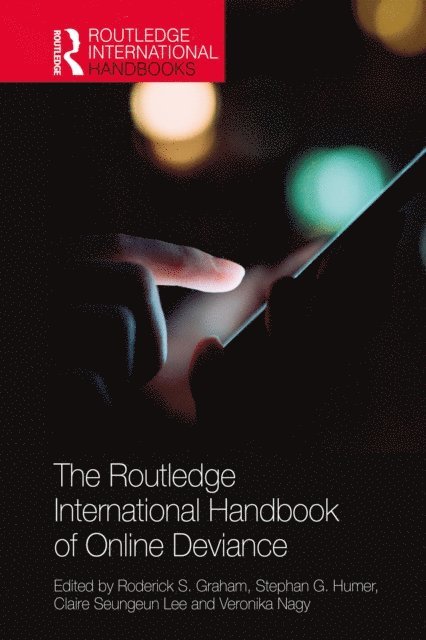
Covering a wide range of different online platforms, including social media sites and chatrooms, this volume is a comprehensive exploration of the current state of sociological and criminological scholarship focused on online deviance.
Understanding deviance broadly, the handbook acknowledges both an objective normative approach and a subjective, reactivist approach to the topic, putting into sharp relief the distinctions between cybercrime and online deviance on the one hand, and wider concerns of online communities related to online deviance on the other. Divided into five sections, the first section is devoted primarily to scholarship about the theories and methods foundational to exploring online deviance. The second section, “Gender, Sex, and Sexuality”, presents empirical research on expressions of gender, sex, and sexuality in online spaces considered deviant. The third section, “Violence and Aggression,” highlights scholarship on types of violent communications such as hate speech and cyberstalking. The fourth section, “Communities and Culture,” describes empirical research on online communities and networks that can be described as deviant by wider society. Lastly, the fifth section, “Regional Perspectives,” highlights research in which a terrestrial location is impactful to the online phenomena studied.
Providing a window into future scholarship over the next several years and acknowledging the ephemeral nature of research on digital technology, The Routledge International Handbook on Online Deviance is essential reading for students and scholars of Criminology and Sociology focused on deviant online behaviour. It will also appeal to those working in related areas within Internet/Digital Studies, Media/Communication Studies, Psychology, and Cybersecurity.
Chapter 2 of this book is freely available as a downloadable Open Access PDF at http://www.taylorfrancis.com under a Creative Commons Attribution-Non Commercial-No Derivatives (CC-BY-NC-ND) 4.0 license.

874 kr
Läs direkt efter köp
Covering a wide range of different online platforms, including social media sites and chatrooms, this volume is a comprehensive exploration of the current state of sociological and criminological scholarship focused on online deviance.
Understanding deviance broadly, the handbook acknowledges both an objective normative approach and a subjective, reactivist approach to the topic, putting into sharp relief the distinctions between cybercrime and online deviance on the one hand, and wider concerns of online communities related to online deviance on the other. Divided into five sections, the first section is devoted primarily to scholarship about the theories and methods foundational to exploring online deviance. The second section, “Gender, Sex, and Sexuality”, presents empirical research on expressions of gender, sex, and sexuality in online spaces considered deviant. The third section, “Violence and Aggression,” highlights scholarship on types of violent communications such as hate speech and cyberstalking. The fourth section, “Communities and Culture,” describes empirical research on online communities and networks that can be described as deviant by wider society. Lastly, the fifth section, “Regional Perspectives,” highlights research in which a terrestrial location is impactful to the online phenomena studied.
Providing a window into future scholarship over the next several years and acknowledging the ephemeral nature of research on digital technology, The Routledge International Handbook on Online Deviance is essential reading for students and scholars of Criminology and Sociology focused on deviant online behaviour. It will also appeal to those working in related areas within Internet/Digital Studies, Media/Communication Studies, Psychology, and Cybersecurity.
Chapter 2 of this book is freely available as a downloadable Open Access PDF at http://www.taylorfrancis.com under a Creative Commons Attribution-Non Commercial-No Derivatives (CC-BY-NC-ND) 4.0 license.
757 kr
Läs direkt efter köp
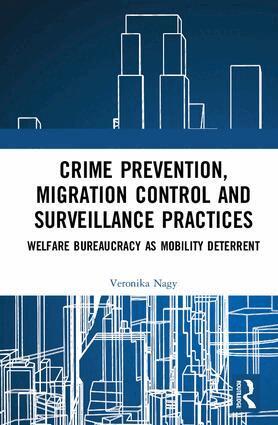
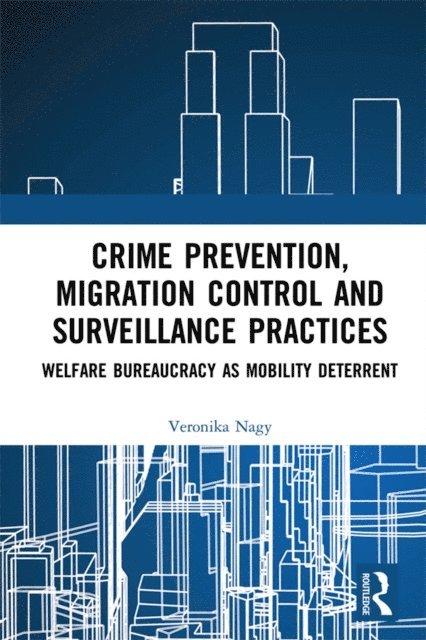
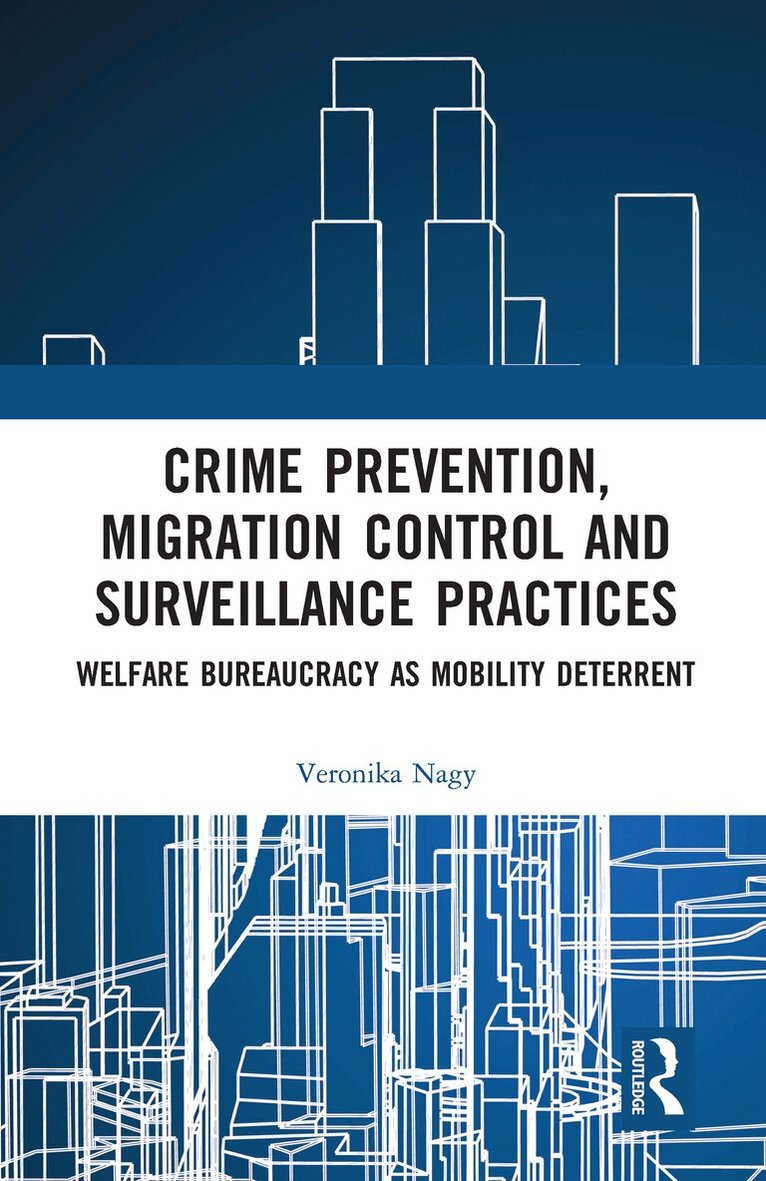
EU expansion has stoked fears that criminals from the East may abuse freedom of movement to exploit the benefit systems of richer states. This book examines the way in which physical state borders are increasingly being replaced by internal border controls in the form of state bureaucracies as a means of regulating westward migration. The work examines the postmodern effect of globalisation and how ontological anxieties contribute to securitisation and social sorting in Western countries. It discusses the changes in control societies and how targeted surveillance as a geopolitical tool leads to new digitalised mechanisms of population selection. The book presents a casestudy of Roma migrants in the UK to examine the coping strategies adopted by those targeted. The book also critically evaluates the limitations of digitalised bureaucratic systems and the dangers of reliance on virtual data and selection methods.
730 kr
Läs direkt efter köp
EU expansion has stoked fears that criminals from the East may abuse freedom of movement to exploit the benefit systems of richer states. This book examines the way in which physical state borders are increasingly being replaced by internal border controls in the form of state bureaucracies as a means of regulating westward migration. The work examines the postmodern effect of globalisation and how ontological anxieties contribute to securitisation and social sorting in Western countries. It discusses the changes in control societies and how targeted surveillance as a geopolitical tool leads to new digitalised mechanisms of population selection. The book presents a casestudy of Roma migrants in the UK to examine the coping strategies adopted by those targeted. The book also critically evaluates the limitations of digitalised bureaucratic systems and the dangers of reliance on virtual data and selection methods.