Vesta Sarkhosh Curtis – författare
Visar alla böcker från författaren Vesta Sarkhosh Curtis. Handla med fri frakt och snabb leverans.
14 produkter
14 produkter
Häftad, Engelska, 2013
116 kr
Skickas inom 5-8 vardagar
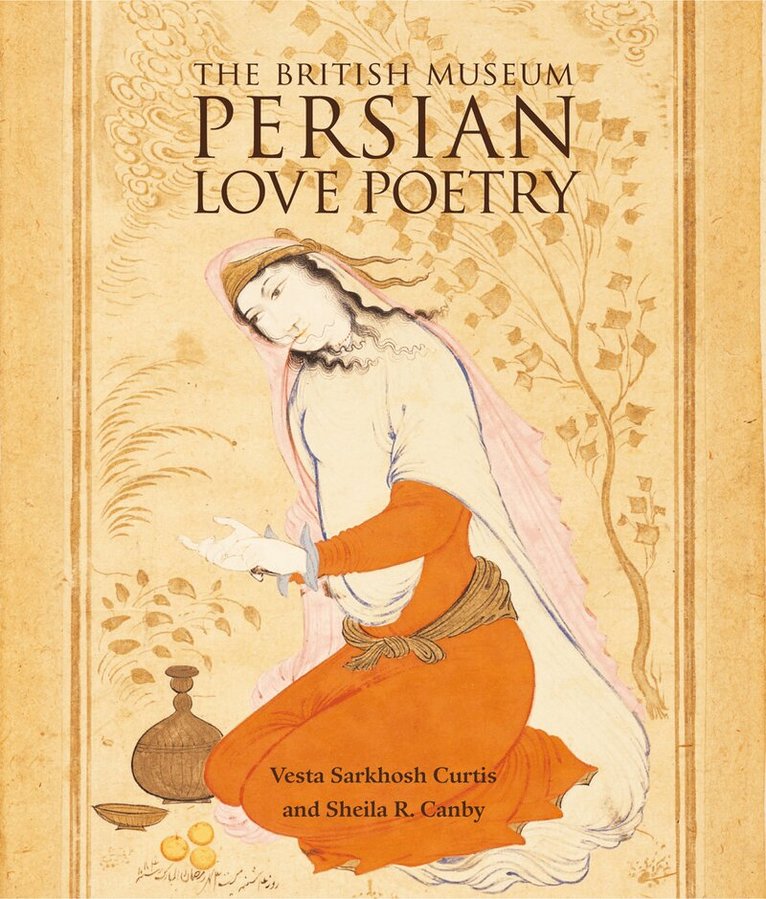
A reissue of this popular title with a fresh new paperback format, this collection of beautiful Persian love poetry is richly illustrated with images from the British Museum’ s world-famous collection. Love is everywhere in Persian poetry and can be interpreted in various ways: as mystic love, the basis of the relationship between humans and God; as passionate or affectionate love between lovers, husbands and wives, parents and children, family and friends; even as patriotic love for Iran. The literary style and indeed the Persian language itself are floral and elaborate, but the themes differ little from our preoccupations with love and romance today. With a brief introduction to the Persian poetic tradition and a short biographical note about each of the major poets, this beautiful anthology is the perfect way to discover the treasures of Persian literature and art.
E-bok
PDF, Engelska, 2010496 kr
Läs direkt efter köp
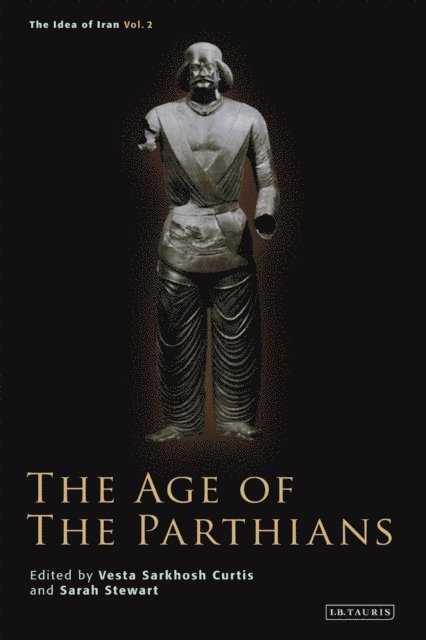
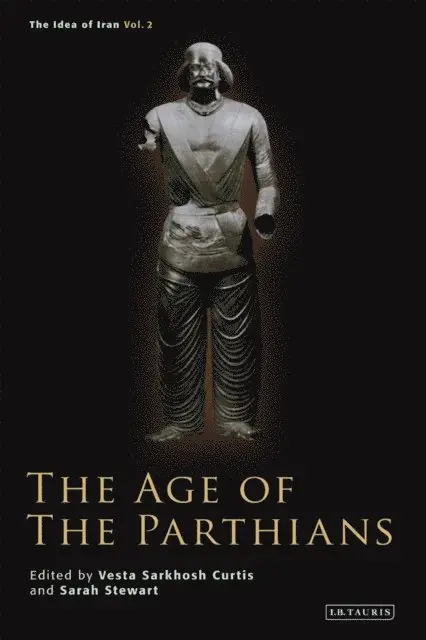
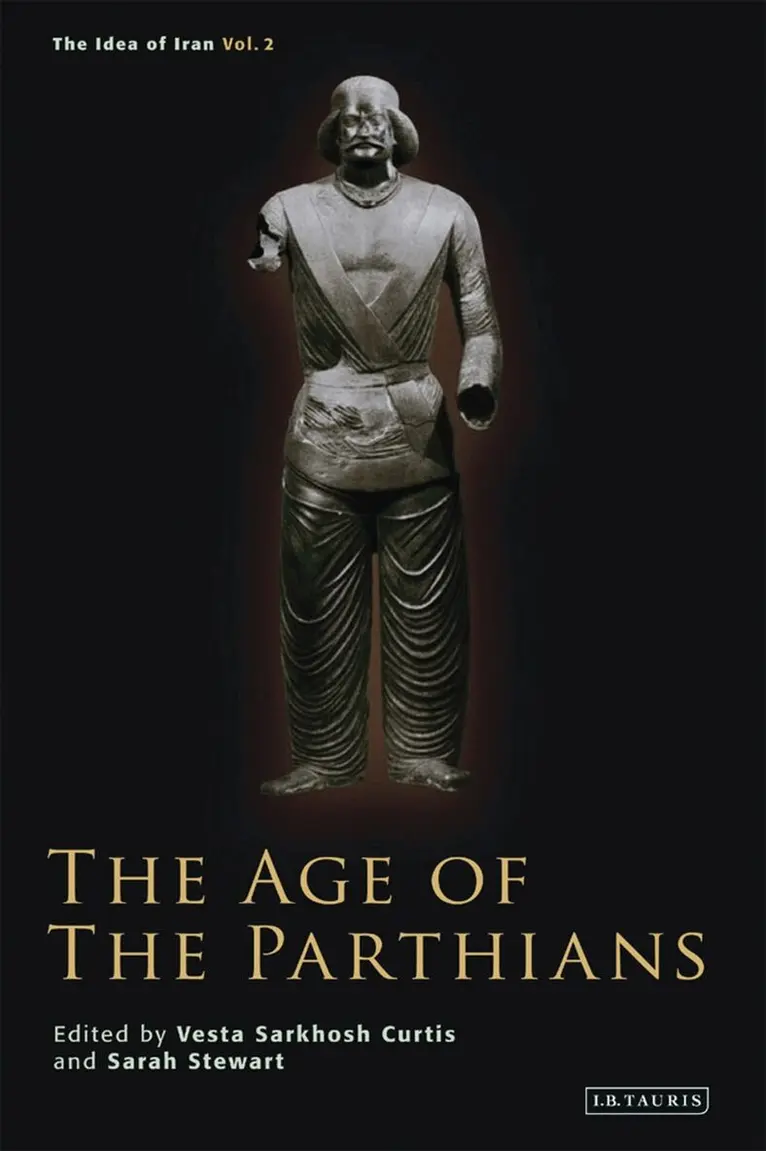
The Parthians are a fascinating but little-known ancient civilization. In the mid-third century BCE a bold and ambitious leader called Arshak challenged Hellenic rule and led his armies to victory. The dynasty which he founded ruled over what became a mighty empire and restored the glory of Iran following the region's conquest by Alexander the Great. This imperial eastern superpower, which lasted for 400 years and stretched from the Hindu Kush to Mesopotamia, withstand the might of Rome for centuries. The Parthians were nomadic horse-warriors who left few written records, concentrating rather on a rich oral and storytelling tradition. What knowledge we have of this remarkable people derives primarily from their coinage, which mixed Hellenism with Persian influences. In this book, distinguished scholars examine - from a variety of perspectives - the origins of the Parthians, their history, religion and culture, as well as perceptions of their empire through the lens of both imperial Rome and China.
E-bok
PDF, Engelska, 2010496 kr
Läs direkt efter köp
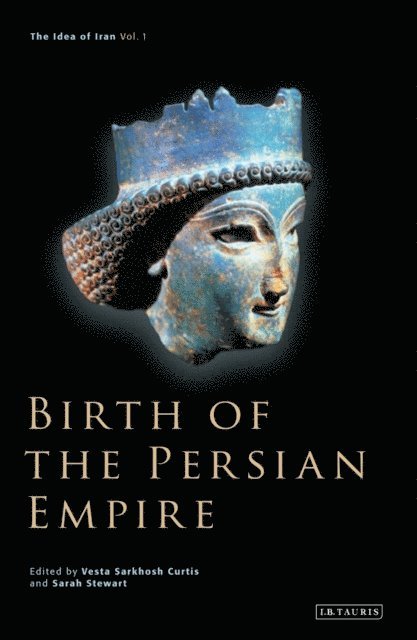
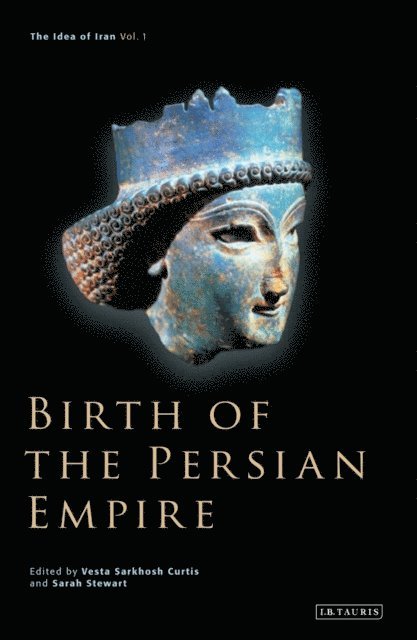
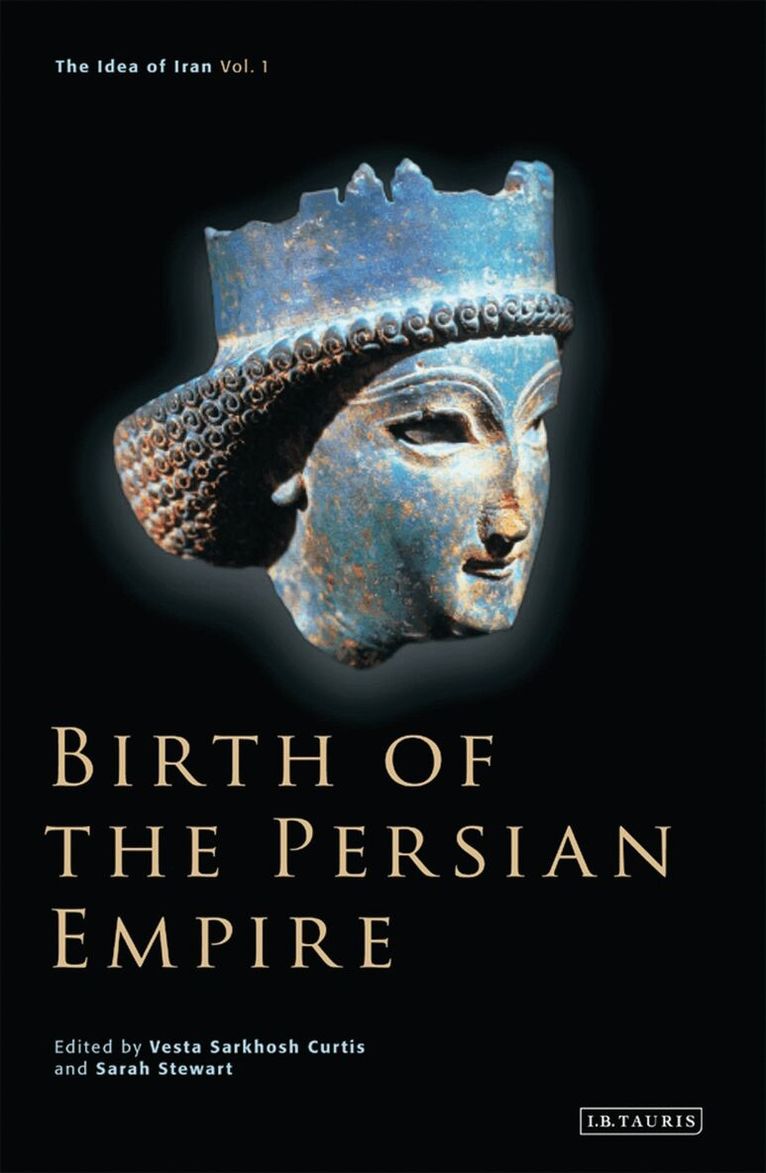
Of the great ancient civilizations, that of Persia is the least known and the most enigmatic. This book explores the formation of the first Persian Empire under the Achaemenid Persians. It brings together a multi-disciplinary view of ancient Iran in the first millennium BC and concentrates on the art, archaeology, history and religion of a geographical area far beyond the present borders of modern Iran in the period beginning just before the formation of the Persian empire in the middle of the 6th century up to its collapse following conquest by Alexander the Great in the late 4th century BC. Eminent scholars here give a critical approach to some of the traditional interpretations and discuss topics which help the reader towards a better understanding of the formation of the Persian empire. This is the first volume in the "Idea of Iran" series which will be a four-volume collection encompassing the history of that country.
E-bok
PDF, Engelska, 2008978 kr
Läs direkt efter köp
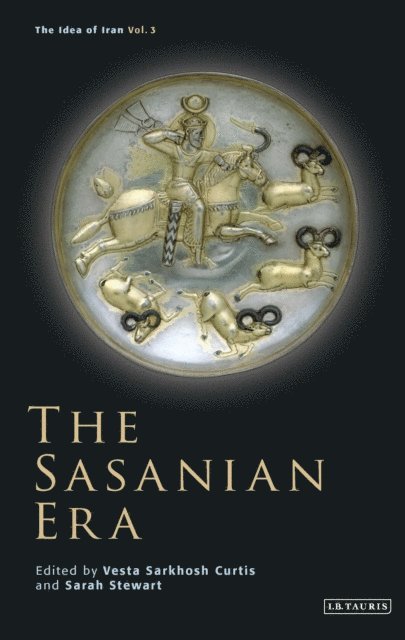
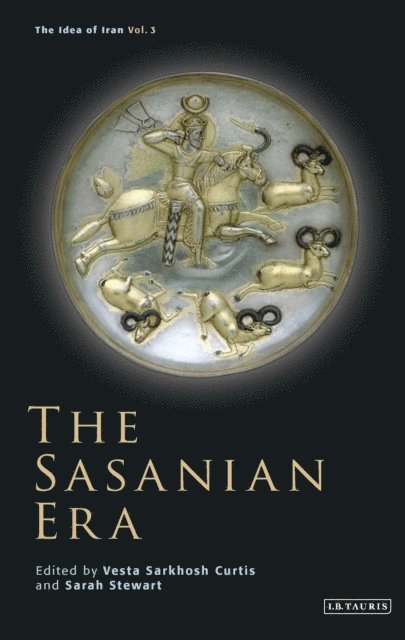
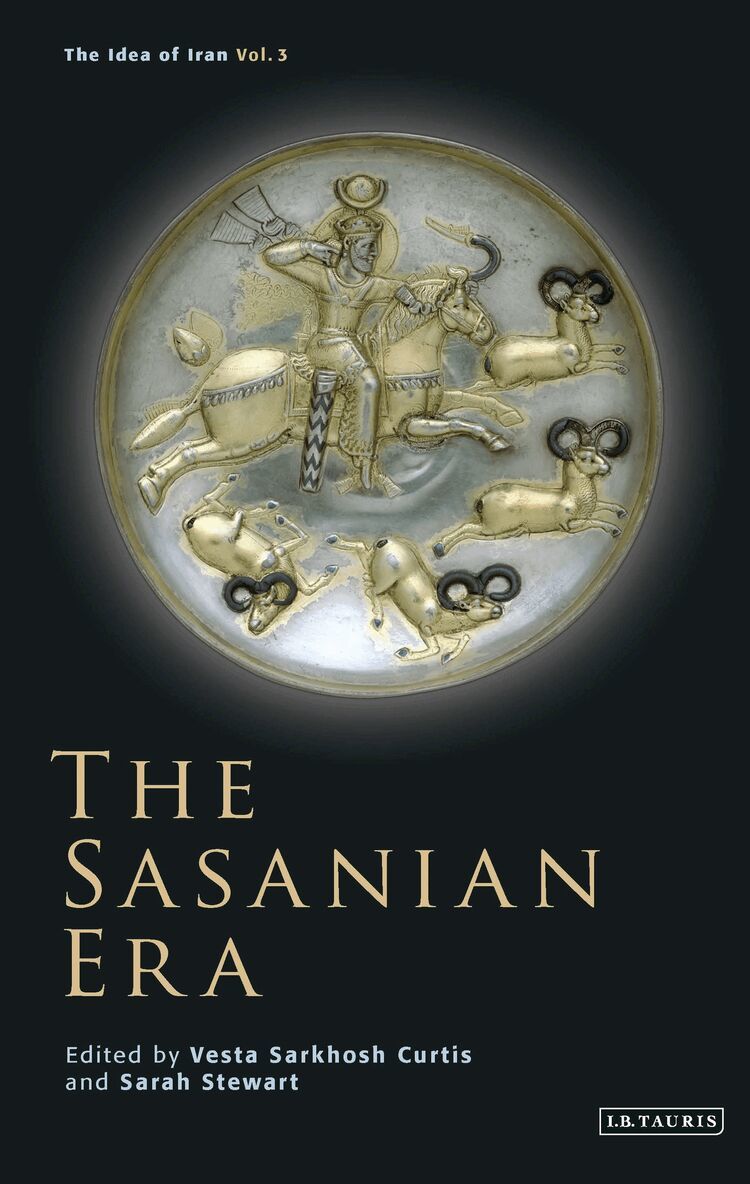
This latest volume in "The Idea of Iran" series concentrates on the Sasanian period. Seizing power from the previous dynasty - the Parthians - the Sasanians ruled Iran and most of the ancient Near East from 224 until 642 CE. They are particularly fascinating because of their adherence to Zoroastrianism, an ancient dualistic Iranian religion named after the prophet Zarathustra (or, in Greek, Zoroaster). The Sasanians expressed the divine aspect of their rule in a variety of forms, such as on coins, rock reliefs and silver plates, and architecture and the arts flourished under their aegis. Sasanian military success brought them into conflict with Rome, and later Byzantium. Their empire eventually collapsed under the force of the Arab army in AD 642, when Zoroastrianism was replaced with Islam.Engaging with all the major aspects of Sasanian culture, twelve eminent scholars address subjects which include: early Sasanian art and iconography; early Sasanian coinage; religion and identity in the Sasanian empire; later Sasanian orality and literacy; and state and society in late antique Iran.The volume in question arguably comprises the most complete and comprehensive treatment of the Sasanian civilization yet to be published in English.
E-bok
PDF, Engelska, 2009949 kr
Läs direkt efter köp
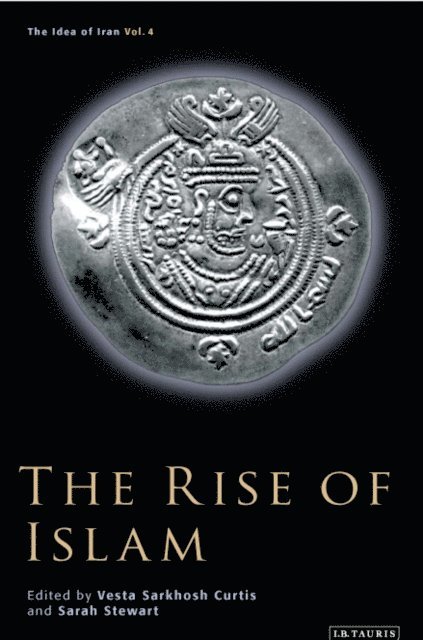
This final volume in the successful series "The Idea of Iran" addresses the astonishing impact made by Islam during and after the Arab conquest of Iran in the middle of the seventh century. As the Sasanian dynasty crumbled before the invaders' triumphant onslaught, its state religion of Zoroastrianism was unceremoniously dismantled to make way for the new faith of the victorious desert warriors. Yet why, if Iran jettisoned its indigenous religion, did it still manage to retain its Persian language and distinctive Iranian identity once Muslim governance took hold?These, and other intriguing questions, are addressed by the book, which includes distinguished contributions from world-renowned scholars such as Hugh Kennedy, Edmund Bosworth, Robert Hillenbrand and Ehsan Yarshater. Discussing a large variety of subjects which covers the whole spectrum of life in early Islamic Iran, the volume offers one of the most ambitious perspectives on Persian religion, society and culture to be published to date. It will be consulted by all students of Iranian history, and will be regarded as essential reading for scholars of Islam, the Middle East and medieval religion alike.
E-bok
Engelska, 2010496 kr
Läs direkt efter köp
Of the great ancient civilizations, that of Persia is the least known and the most enigmatic. This book explores the formation of the first Persian Empire under the Achaemenid Persians. It brings together a multi-disciplinary view of ancient Iran in the first millennium BC and concentrates on the art, archaeology, history and religion of a geographical area far beyond the present borders of modern Iran in the period beginning just before the formation of the Persian empire in the middle of the 6th century up to its collapse following conquest by Alexander the Great in the late 4th century BC. Eminent scholars here give a critical approach to some of the traditional interpretations and discuss topics which help the reader towards a better understanding of the formation of the Persian empire. This is the first volume in the "Idea of Iran" series which will be a four-volume collection encompassing the history of that country.
E-bok
Engelska, 2010496 kr
Läs direkt efter köp
The Parthians are a fascinating but little-known ancient civilization. In the mid-third century BCE a bold and ambitious leader called Arshak challenged Hellenic rule and led his armies to victory. The dynasty which he founded ruled over what became a mighty empire and restored the glory of Iran following the region's conquest by Alexander the Great. This imperial eastern superpower, which lasted for 400 years and stretched from the Hindu Kush to Mesopotamia, withstand the might of Rome for centuries. The Parthians were nomadic horse-warriors who left few written records, concentrating rather on a rich oral and storytelling tradition. What knowledge we have of this remarkable people derives primarily from their coinage, which mixed Hellenism with Persian influences. In this book, distinguished scholars examine - from a variety of perspectives - the origins of the Parthians, their history, religion and culture, as well as perceptions of their empire through the lens of both imperial Rome and China.
E-bok
Engelska, 2010978 kr
Läs direkt efter köp
This latest volume in "The Idea of Iran" series concentrates on the Sasanian period. Seizing power from the previous dynasty - the Parthians - the Sasanians ruled Iran and most of the ancient Near East from 224 until 642 CE. They are particularly fascinating because of their adherence to Zoroastrianism, an ancient dualistic Iranian religion named after the prophet Zarathustra (or, in Greek, Zoroaster). The Sasanians expressed the divine aspect of their rule in a variety of forms, such as on coins, rock reliefs and silver plates, and architecture and the arts flourished under their aegis. Sasanian military success brought them into conflict with Rome, and later Byzantium. Their empire eventually collapsed under the force of the Arab army in AD 642, when Zoroastrianism was replaced with Islam.Engaging with all the major aspects of Sasanian culture, twelve eminent scholars address subjects which include: early Sasanian art and iconography; early Sasanian coinage; religion and identity in the Sasanian empire; later Sasanian orality and literacy; and state and society in late antique Iran.The volume in question arguably comprises the most complete and comprehensive treatment of the Sasanian civilization yet to be published in English.
Häftad, Engelska, 2021
476 kr
Skickas inom 10-15 vardagar
Of the great ancient civilizations, that of Persia is the least known and the most enigmatic. This book explores the formation of the first Persian Empire under the Achaemenid Persians. It brings together a multi-disciplinary view of ancient Iran in the first millennium BC and concentrates on the art, archaeology, history and religion of a geographical area far beyond the present borders of modern Iran in the period beginning just before the formation of the Persian empire in the middle of the 6th century up to its collapse following conquest by Alexander the Great in the late 4th century BC. Eminent scholars here give a critical approach to some of the traditional interpretations and discuss topics which help the reader towards a better understanding of the formation of the Persian empire. This is the first volume in the "Idea of Iran" series which will be a four-volume collection encompassing the history of that country.
Häftad, Engelska, 2021
476 kr
Skickas inom 10-15 vardagar
The Parthians are a fascinating but little-known ancient civilization. In the mid-third century BCE a bold and ambitious leader called Arshak challenged Hellenic rule and led his armies to victory. The dynasty which he founded ruled over what became a mighty empire and restored the glory of Iran following the region's conquest by Alexander the Great. This imperial eastern superpower, which lasted for 400 years and stretched from the Hindu Kush to Mesopotamia, withstand the might of Rome for centuries. The Parthians were nomadic horse-warriors who left few written records, concentrating rather on a rich oral and storytelling tradition. What knowledge we have of this remarkable people derives primarily from their coinage, which mixed Hellenism with Persian influences. In this book, distinguished scholars examine - from a variety of perspectives - the origins of the Parthians, their history, religion and culture, as well as perceptions of their empire through the lens of both imperial Rome and China.
E-bok
Engelska, 2021123 kr
Läs direkt efter köp
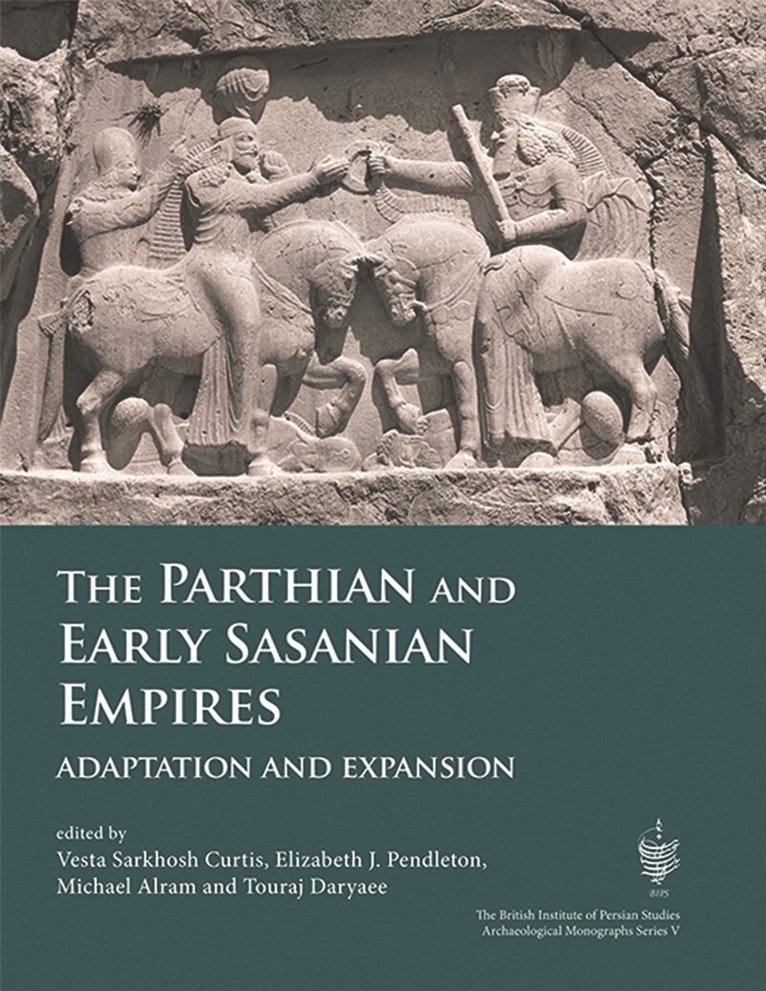
Although much of the primary information about the Parthian period comes from coins, there has been much new research undertaken over the past few decades into wider aspects of both the Parthian and Sassanian Empires including the Arsacid Parthians, and their material culture. Despite a change of ruling dynasty, the two empires were closely connected and cannot be regarded as totally separate entities. The continuation of Parthian influence particularly into the early Sasanian period cannot be disputed. An historic lack of detailed information arose partly through the relative lack of excavated archaeological sites dating to the Parthian period in Iran and western scholars’ lack of knowledge of recent excavations and their results that are usually published in Persian, coupled with the inevitable difficulties for academic research engendered by the recent political situation in the region. Although an attempt has been made by several scholars in the west to place this important Iranian dynasty in its proper cultural context, the traditional GrecoRoman influenced approach is still prevalent. The present volume presents 15 papers covering various aspects of Parthian and early Sasanian history, material culture, linguistics and religion which demonstrate a rich surviving heritage and provide many new insights into ideology, royal genealogy, social organization, military tactics, linguistic developments and trading contacts.
Inbunden, Engelska, 2005
1 853 kr
Skickas inom 10-15 vardagar
Of the great ancient civilizations, that of Persia is the least known and the most enigmatic. This book explores the formation of the first Persian Empire under the Achaemenid Persians. It brings together a multi-disciplinary view of ancient Iran in the first millennium BC and concentrates on the art, archaeology, history and religion of a geographical area far beyond the present borders of modern Iran in the period beginning just before the formation of the Persian empire in the middle of the 6th century up to its collapse following conquest by Alexander the Great in the late 4th century BC. Eminent scholars here give a critical approach to some of the traditional interpretations and discuss topics which help the reader towards a better understanding of the formation of the Persian empire. This is the first volume in the "Idea of Iran" series which will be a four-volume collection encompassing the history of that country.
Inbunden, Engelska, 2008
930 kr
Skickas inom 10-15 vardagar
This latest volume in "The Idea of Iran" series concentrates on the Sasanian period. Seizing power from the previous dynasty - the Parthians - the Sasanians ruled Iran and most of the ancient Near East from 224 until 642 CE. They are particularly fascinating because of their adherence to Zoroastrianism, an ancient dualistic Iranian religion named after the prophet Zarathustra (or, in Greek, Zoroaster). The Sasanians expressed the divine aspect of their rule in a variety of forms, such as on coins, rock reliefs and silver plates, and architecture and the arts flourished under their aegis. Sasanian military success brought them into conflict with Rome, and later Byzantium. Their empire eventually collapsed under the force of the Arab army in AD 642, when Zoroastrianism was replaced with Islam.Engaging with all the major aspects of Sasanian culture, twelve eminent scholars address subjects which include: early Sasanian art and iconography; early Sasanian coinage; religion and identity in the Sasanian empire; later Sasanian orality and literacy; and state and society in late antique Iran.The volume in question arguably comprises the most complete and comprehensive treatment of the Sasanian civilization yet to be published in English.
Inbunden, Engelska, 2009
903 kr
Skickas inom 10-15 vardagar
This final volume in the successful series "The Idea of Iran" addresses the astonishing impact made by Islam during and after the Arab conquest of Iran in the middle of the seventh century. As the Sasanian dynasty crumbled before the invaders' triumphant onslaught, its state religion of Zoroastrianism was unceremoniously dismantled to make way for the new faith of the victorious desert warriors. Yet why, if Iran jettisoned its indigenous religion, did it still manage to retain its Persian language and distinctive Iranian identity once Muslim governance took hold?These, and other intriguing questions, are addressed by the book, which includes distinguished contributions from world-renowned scholars such as Hugh Kennedy, Edmund Bosworth, Robert Hillenbrand and Ehsan Yarshater. Discussing a large variety of subjects which covers the whole spectrum of life in early Islamic Iran, the volume offers one of the most ambitious perspectives on Persian religion, society and culture to be published to date. It will be consulted by all students of Iranian history, and will be regarded as essential reading for scholars of Islam, the Middle East and medieval religion alike.