Vicente M. Gómez-López - Böcker
Visar alla böcker från författaren Vicente M. Gómez-López. Handla med fri frakt och snabb leverans.
3 produkter
3 produkter
2 731 kr
Skickas inom 11-20 vardagar
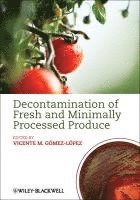
Attempts to provide safer and higher quality fresh and minimally processed produce have given rise to a wide variety of decontamination methods, each of which have been extensively researched in recent years. Decontamination of Fresh and Minimally Processed Produce is the first book to provide a systematic view of the different types of decontaminants for fresh and minimally processed produce. By describing the different effects – microbiological, sensory, nutritional and toxicological – of decontamination treatments, a team of internationally respected authors reveals not only the impact of decontaminants on food safety, but also on microbial spoilage, vegetable physiology, sensory quality, nutritional and phytochemical content and shelf-life. Regulatory and toxicological issues are also addressed. The book first examines how produce becomes contaminated, the surface characteristics of produce related to bacterial attachment, biofilm formation and resistance, and sublethal damage and its implications for decontamination. After reviewing how produce is washed and minimally processed, the various decontamination methods are then explored in depth, in terms of definition, generation devices, microbial inactivation mechanisms, and effects on food safety. Decontaminants covered include: chlorine, electrolyzed oxidizing water, chlorine dioxide, ozone, hydrogen peroxide, peroxyacetic acid, essential oils and edible films and coatings. Other decontamination methods addressed are biological strategies (bacteriophages, protective cultures, bacteriocins and quorum sensing) and physical methods (mild heat, continuous UV light, ionizing radiation) and various combinations of these methods through hurdle technology. The book concludes with descriptions of post-decontamination methods related to storage, such as modified atmosphere packaging, the cold chain, and modeling tools for predicting microbial growth and inactivation.The many methods and effects of decontamination are detailed, enabling industry professionals to understand the available state-of-the-art methods and select the most suitable approach for their purposes. The book serves as a compendium of information for food researchers and students of pre- and postharvest technology, food microbiology and food technology in general. The structure of the book allows easy comparisons among methods, and searching information by microorganism, produce, and quality traits.
2 405 kr
Skickas inom 11-20 vardagar
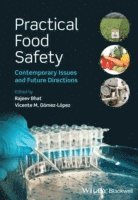
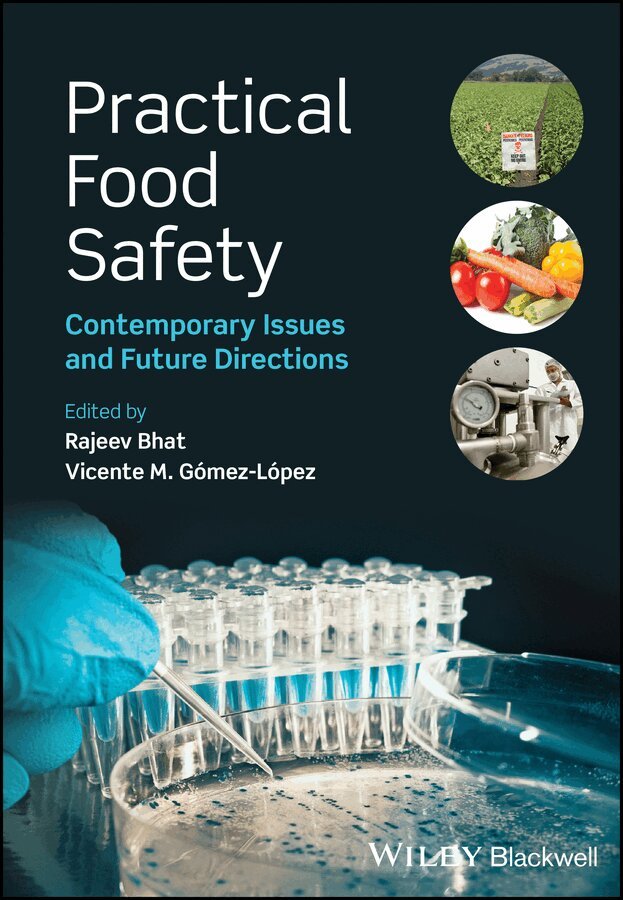
The past few years have witnessed an upsurge in incidences relating to food safety issues, which are all attributed to different factors. Today, with the increase in knowledge and available databases on food safety issues, the world is witnessing tremendous efforts towards the development of new, economical and environmentally-friendly techniques for maintaining the quality of perishable foods and agro-based commodities. The intensification of food safety concerns reflects a major global awareness of foods in world trade. Several recommendations have been put forward by various world governing bodies and committees to solve food safety issues, which are all mainly targeted at benefiting consumers. In addition, economic losses and instability to a particular nation or region caused by food safety issues can be huge. Various ‘non-dependent’ risk factors can be involved with regard to food safety in a wide range of food commodities such as fresh fruits, vegetables, seafood, poultry, meat and meat products. Additionally, food safety issues involves a wide array of issues including processed foods, packaging, post-harvest preservation, microbial growth and spoilage, food poisoning, handling at the manufacturing units, food additives, presence of banned chemicals and drugs, and more. Rapid change in climatic conditions is also playing a pivotal role with regard to food safety issues, and increasing the anxiety about our ability to feed the world safely.Practical Food Safety: Contemporary Issues and Future Directions takes a multi-faceted approach to the subject of food safety, covering various aspects ranging from microbiological to chemical issues, and from basic knowledge to future perspectives. This is a book exclusively designed to simultaneously encourage consideration of the present knowledge and future possibilities of food safety. This book also covers the classic topics required for all books on food safety, and encompasses the most recent updates in the field. Leading researchers have addressed new issues and have put forth novel research findings that will affect the world in the future, and suggesting how these should be faced.This book will be useful for researchers engaged in the field of food science and food safety, food industry personnel engaged in safety aspects, and governmental and non-governmental agencies involved in establishing guidelines towards establishing safety measures for food and agricultural commodities.
1 827 kr
Skickas
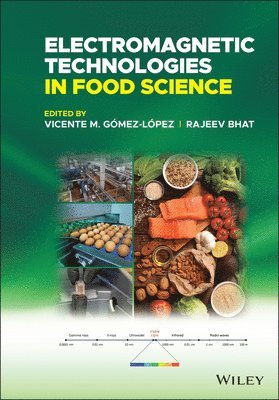
A comprehensive source of in-depth information provided on existing and emerging food technologies based on the electromagnetic spectrum Electromagnetic Technologies in Food Science examines various methods employed in food applications that are based on the entire electromagnetic (EM) spectrum. Focusing on recent advances and challenges in food science and technology, this is an up-to-date volume that features vital contributions coming from an international panel of experts who have shared both fundamental and advanced knowledge of information on the dosimetry methods, and on potential applications of gamma irradiation, electron beams, X-rays, radio and microwaves, ultraviolet, visible, pulsed light, and more. Organized into four parts, the text begins with an accessible overview of the physics of the electromagnetic spectrum, followed by discussion on the application of the EM spectrum to non-thermal food processing. The physics of infrared radiation, microwaves, and other advanced heating methods are then deliberated in detail—supported by case studies and examples that illustrate a range of both current and potential applications of EM-based methods. The concluding section of the book describes analytical techniques adopted for quality control, such as hyperspectral imaging, infrared and Raman spectroscopy. This authoritative book resource: Covers advanced theoretical knowledge and practical applications on the use of EM spectrum as novel methods in food processing technology Discusses the latest progress in developing quality control methods, thus enabling the control of continuous fast-speed processes Explores future challenges and benefits of employing electromagnetic spectrum in food technology applications Addresses emerging processing technologies related to improving safety, preservation, and overall quality of various food commodities Electromagnetic Technologies in Food Science is an essential reading material for undergraduate and graduate students, researchers, academics, and agri-food professionals working in the area of food preservation, novel food processing techniques and sustainable food production.