Victor Savicki – författare
1 011 kr
Skickas inom 10-15 vardagar
489 kr
Läs direkt efter köp
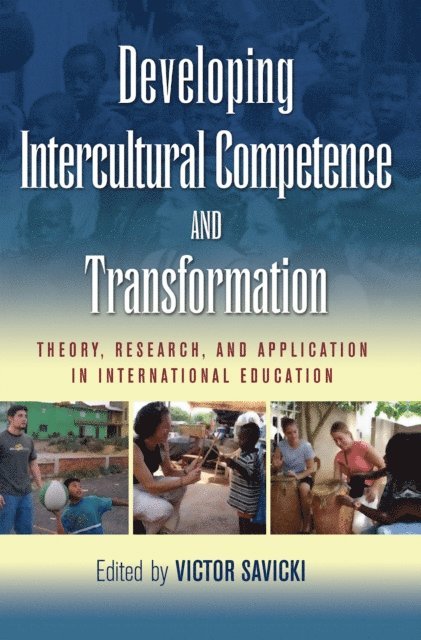
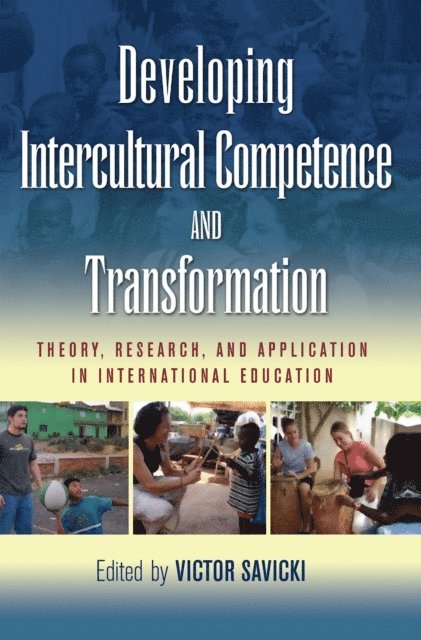
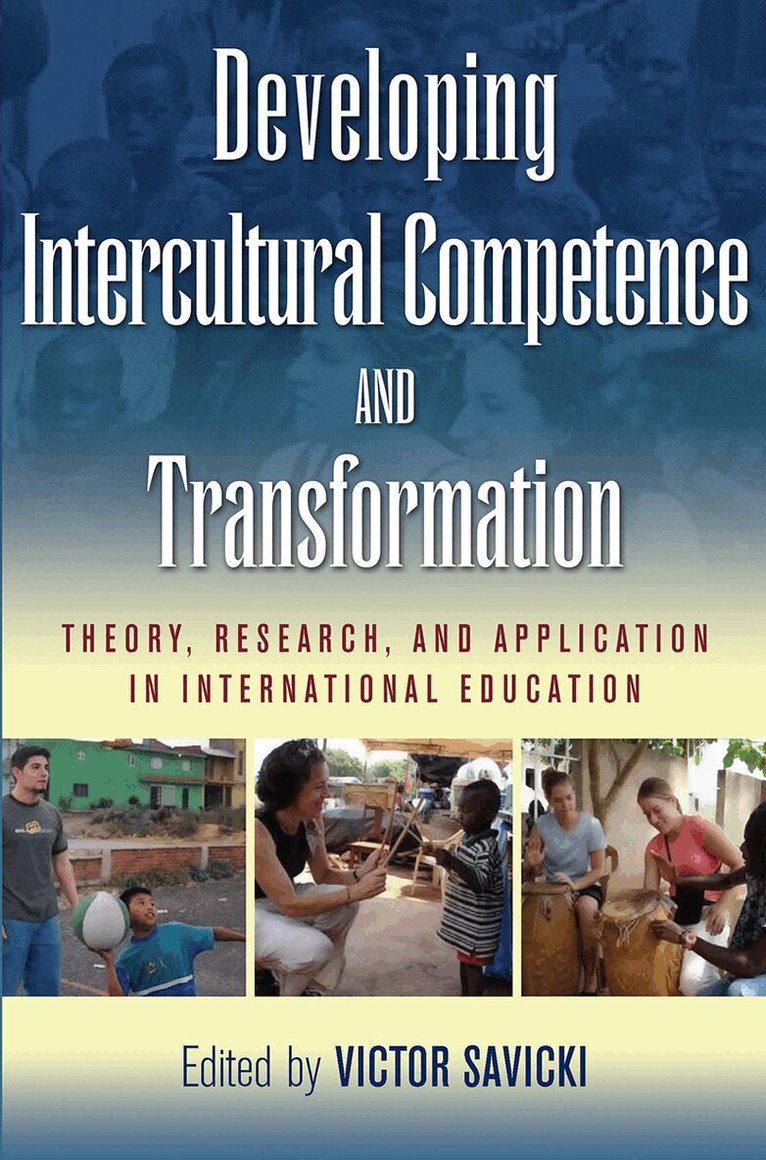
Enrollments in international education programs are projected to grow exponentially as students, parents, and university personnel seek to prepare future leaders who can live and work effectively in a global environment. What do we know about the outcomes of such programs, and how can educators become more intentional about designing, and assessing, the impact of such courses? How can we help students achieve the intercultural growth and transformation that they may envision as they set forth on their international sojourn?International education provides opportunities for students to grow personally, and to learn in a rich and intense educational environment. The outcomes of such opportunities emphasize not only traditional academic competence, but also changes in motivations, attitudes, self-identity, and values. It is these latter, co-academic, concepts that are the focus of this book. Its goal is to give solid substance to the growth and transformation approach to study abroad. It defines the central concept of intercultural competence, sets it within the framework of transformative learning theory, and offers ideas and strategies for facilitating its development. In doing so, it goes far beyond traditional emphases on the achievement of such formal skills as foreign language acquisition or specific knowledge of course content in national literatures, arts, or history.This book provides study abroad educators with a theoretical framework and examples of practice to craft more meaningful activities that will make a long-term difference in the quality of student experiences, and set the stage for transformative change. If we plan to send a million students a year to study abroad within the decade, we need approaches to maximize student growth outcomes in an efficient and effective way. It is also relevant for anyone engaged in courses in adult education, college student services, comparative and international education, international business, intercultural relations, and service learning that involve study abroad, and that raise corresponding issues of curriculum design.
552 kr
Läs direkt efter köp
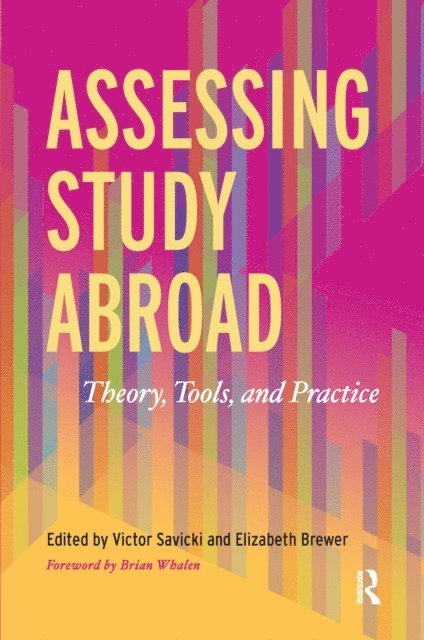
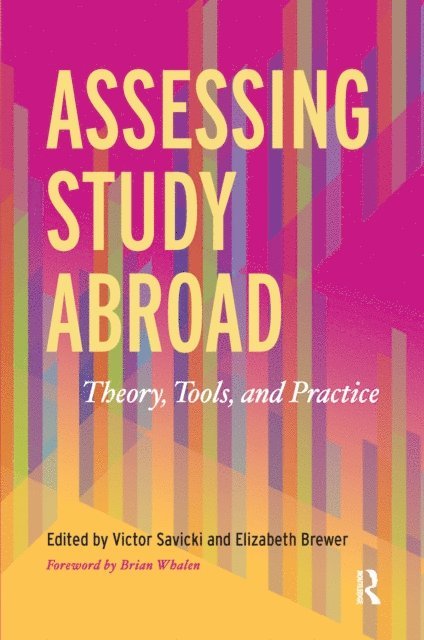
This book is intended to guide advisors, administrators, and faculty members engaged with study abroad who are concerned with answering the question: what does study abroad achieve? It will also inform the work of study abroad organizations as well as institutions receiving study abroad students. Offering a broad-based approach to assessment, the book will appeal to those starting out. However, an array of case studies, illustrating the often untidy process of implementation, will equally appeal to those further along by offering creative – and often simple – approaches to common problems. Following an account of how, and why, assessment in the field has evolved, the first part of the book sets the stage for the reader to consider the role of mission and context in determining purpose, goals and outcomes; to identify and consult with stakeholders; determine what data and expertise may already be available on campus; match methods and tools to questions; and create realistic plans to communicate findings, and to act upon them. The second part of the book offers an overview of appropriate tools and strategies for assessing study abroad, emphasizing the importance of carefully formulating and prioritizing assessment questions and understanding the advantages and drawbacks of different instruments. It describes an array of qualitative, quantitative, and mixed methods, illustrating their application with examples of practice, and concludes by outlining the process of putting a plan into action.The book concludes with ten case studies that illustrate various approaches to planning, experimentation, and implementation, some revealing false starts and lessons learned, and all conveying the message that assessment is an iterative, on-going process that needs constant refinement. The cases represent a wide variety of institutional and organizational types and demonstrate how each selected methods suited to their capacities and cultures.
489 kr
Läs direkt efter köp
Enrollments in international education programs are projected to grow exponentially as students, parents, and university personnel seek to prepare future leaders who can live and work effectively in a global environment. What do we know about the outcomes of such programs, and how can educators become more intentional about designing, and assessing, the impact of such courses? How can we help students achieve the intercultural growth and transformation that they may envision as they set forth on their international sojourn?International education provides opportunities for students to grow personally, and to learn in a rich and intense educational environment. The outcomes of such opportunities emphasize not only traditional academic competence, but also changes in motivations, attitudes, self-identity, and values. It is these latter, co-academic, concepts that are the focus of this book. Its goal is to give solid substance to the growth and transformation approach to study abroad. It defines the central concept of intercultural competence, sets it within the framework of transformative learning theory, and offers ideas and strategies for facilitating its development. In doing so, it goes far beyond traditional emphases on the achievement of such formal skills as foreign language acquisition or specific knowledge of course content in national literatures, arts, or history.This book provides study abroad educators with a theoretical framework and examples of practice to craft more meaningful activities that will make a long-term difference in the quality of student experiences, and set the stage for transformative change. If we plan to send a million students a year to study abroad within the decade, we need approaches to maximize student growth outcomes in an efficient and effective way. It is also relevant for anyone engaged in courses in adult education, college student services, comparative and international education, international business, intercultural relations, and service learning that involve study abroad, and that raise corresponding issues of curriculum design.
552 kr
Läs direkt efter köp
This book is intended to guide advisors, administrators, and faculty members engaged with study abroad who are concerned with answering the question: what does study abroad achieve? It will also inform the work of study abroad organizations as well as institutions receiving study abroad students. Offering a broad-based approach to assessment, the book will appeal to those starting out. However, an array of case studies, illustrating the often untidy process of implementation, will equally appeal to those further along by offering creative – and often simple – approaches to common problems. Following an account of how, and why, assessment in the field has evolved, the first part of the book sets the stage for the reader to consider the role of mission and context in determining purpose, goals and outcomes; to identify and consult with stakeholders; determine what data and expertise may already be available on campus; match methods and tools to questions; and create realistic plans to communicate findings, and to act upon them. The second part of the book offers an overview of appropriate tools and strategies for assessing study abroad, emphasizing the importance of carefully formulating and prioritizing assessment questions and understanding the advantages and drawbacks of different instruments. It describes an array of qualitative, quantitative, and mixed methods, illustrating their application with examples of practice, and concludes by outlining the process of putting a plan into action.The book concludes with ten case studies that illustrate various approaches to planning, experimentation, and implementation, some revealing false starts and lessons learned, and all conveying the message that assessment is an iterative, on-going process that needs constant refinement. The cases represent a wide variety of institutional and organizational types and demonstrate how each selected methods suited to their capacities and cultures.
430 kr
Skickas inom 10-15 vardagar
2 121 kr
Skickas inom 10-15 vardagar
484 kr
Skickas inom 10-15 vardagar