Victoria Veguilla – författare
Visar alla böcker från författaren Victoria Veguilla. Handla med fri frakt och snabb leverans.
6 produkter
6 produkter
E-bok
PDF, Engelska, 2026606 kr
Läs direkt efter köp
This book examines the often-overlooked dynamics of how political actors from peripheral regions engage with central authorities to shape national policymaking. While territorial movements advocating autonomy or independence have been widely studied, this work addresses a critical gap by exploring the complex interactions between regional elites and central political actors and institutions.By intersecting with three subfields of political science-regional studies, the sociology of elites, and ethnic studies-the chapters in this volume provide a thorough analysis of the persistence of subnational characteristics in modern states. They highlight the role of peripheral elites in negotiating with central power, the tensions faced by political actors balancing regional and central identities, and patterns of convergence and divergence among peripheral elites across diverse political regimes and regions. Drawing on case studies from California and Texas (United States), the United Kingdom, Spain, Morocco, Argentina, and China, this collective work offers both theoretical and empirical insights that enrich the center-periphery debate.This book is an essential resource for students, scholars and practitioners in Political Science, Sociology, and Regional Studies and those interested in understanding the complex relationships between regional and central political actors. It will particularly appeal to readers exploring themes of governance, elite sociology, ethnic politics, and the territorial margins of contemporary states.The chapters in this book were originally published as a special issue of Territory, Politics, Governance.
E-bok
Engelska, 2026606 kr
Läs direkt efter köp
This book examines the often-overlooked dynamics of how political actors from peripheral regions engage with central authorities to shape national policymaking. While territorial movements advocating autonomy or independence have been widely studied, this work addresses a critical gap by exploring the complex interactions between regional elites and central political actors and institutions.By intersecting with three subfields of political science-regional studies, the sociology of elites, and ethnic studies-the chapters in this volume provide a thorough analysis of the persistence of subnational characteristics in modern states. They highlight the role of peripheral elites in negotiating with central power, the tensions faced by political actors balancing regional and central identities, and patterns of convergence and divergence among peripheral elites across diverse political regimes and regions. Drawing on case studies from California and Texas (United States), the United Kingdom, Spain, Morocco, Argentina, and China, this collective work offers both theoretical and empirical insights that enrich the center-periphery debate.This book is an essential resource for students, scholars and practitioners in Political Science, Sociology, and Regional Studies and those interested in understanding the complex relationships between regional and central political actors. It will particularly appeal to readers exploring themes of governance, elite sociology, ethnic politics, and the territorial margins of contemporary states.The chapters in this book were originally published as a special issue of Territory, Politics, Governance.
Inbunden, Engelska, 2026
2 225 kr
Kommande
This book examines the often-overlooked dynamics of how political actors from peripheral regions engage with central authorities to shape national policymaking. While territorial movements advocating autonomy or independence have been widely studied, this work addresses a critical gap by exploring the complex interactions between regional elites and central political actors and institutions.By intersecting with three subfields of political science—regional studies, the sociology of elites, and ethnic studies—the chapters in this volume provide a thorough analysis of the persistence of subnational characteristics in modern states. They highlight the role of peripheral elites in negotiating with central power, the tensions faced by political actors balancing regional and central identities, and patterns of convergence and divergence among peripheral elites across diverse political regimes and regions. Drawing on case studies from California and Texas (United States), the United Kingdom, Spain, Morocco, Argentina, and China, this collective work offers both theoretical and empirical insights that enrich the center–periphery debate.This book is an essential resource for students, scholars and practitioners in Political Science, Sociology, and Regional Studies and those interested in understanding the complex relationships between regional and central political actors. It will particularly appeal to readers exploring themes of governance, elite sociology, ethnic politics, and the territorial margins of contemporary states.The chapters in this book were originally published as a special issue of Territory, Politics, Governance.
Inbunden, Engelska, 2016
1 680 kr
Skickas inom 10-15 vardagar
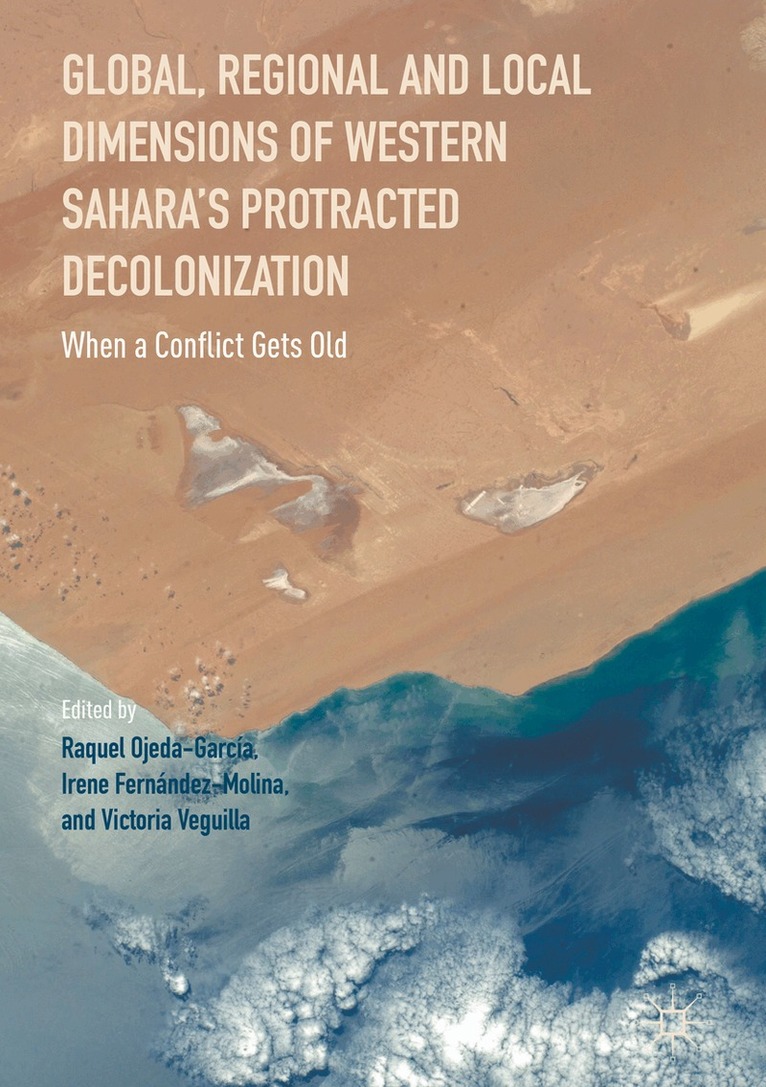
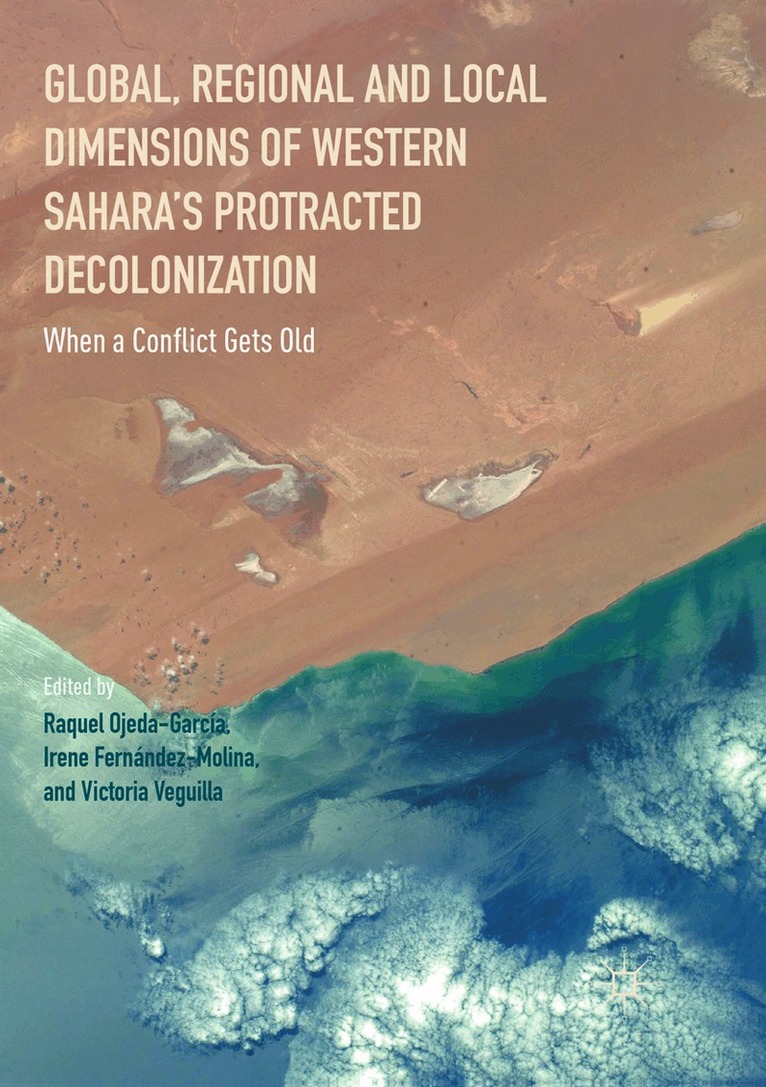
This book explores the traces of the passage of time on the protracted and intractable conflict of Western Sahara. The authors offer a multilevel analysis of recent developments from the global to the local scenes, including the collapse of the architecture of the UN-led conflict resolution process, the advent of the War on Terror to the the Sahara-Sahel area and the impact of the ‘Arab Spring’ and growing regional security instability. Special attention is devoted to changes in the Western Sahara territory annexed by Morocco and the Sahrawi refugee camps in Algeria. Morocco has adapted its governance and public policies to profound socio-demographic transformations in the territory under its control and has attempted to obtain international recognition for this annexation by proposing an Autonomy Plan. The Polisario Front and Sahrawi nationalists have shifted their strategy and pushed the centre of gravity of the conflict back inwards by focusing on pro-independence activism inside the disputed territory.
E-bok
Engelska, 20161 519 kr
Läs direkt efter köp
This book explores the traces of the passage of time on the protracted and intractable conflict of Western Sahara. The authors offer a multilevel analysis of recent developments from the global to the local scenes, including the collapse of the architecture of the UN-led conflict resolution process, the advent of the War on Terror to the the Sahara-Sahel area and the impact of the ‘Arab Spring’ and growing regional security instability. Special attention is devoted to changes in the Western Sahara territory annexed by Morocco and the Sahrawi refugee camps in Algeria. Morocco has adapted its governance and public policies to profound socio-demographic transformations in the territory under its control and has attempted to obtain international recognition for this annexation by proposing an Autonomy Plan. The Polisario Front and Sahrawi nationalists have shifted their strategy and pushed the centre of gravity of the conflict back inwards by focusing on pro-independence activism inside the disputed territory.
Häftad, Engelska, 2018
1 198 kr
Skickas inom 10-15 vardagar
This book explores the traces of the passage of time on the protracted and intractable conflict of Western Sahara. The authors offer a multilevel analysis of recent developments from the global to the local scenes, including the collapse of the architecture of the UN-led conflict resolution process, the advent of the War on Terror to the the Sahara-Sahel area and the impact of the ‘Arab Spring’ and growing regional security instability. Special attention is devoted to changes in the Western Sahara territory annexed by Morocco and the Sahrawi refugee camps in Algeria. Morocco has adapted its governance and public policies to profound socio-demographic transformations in the territory under its control and has attempted to obtain international recognition for this annexation by proposing an Autonomy Plan. The Polisario Front and Sahrawi nationalists have shifted their strategy and pushed the centre of gravity of the conflict back inwards by focusing on pro-independence activism inside the disputed territory.