Viktoriia Muliavka - Böcker
Visar alla böcker från författaren Viktoriia Muliavka. Handla med fri frakt och snabb leverans.
4 produkter
4 produkter
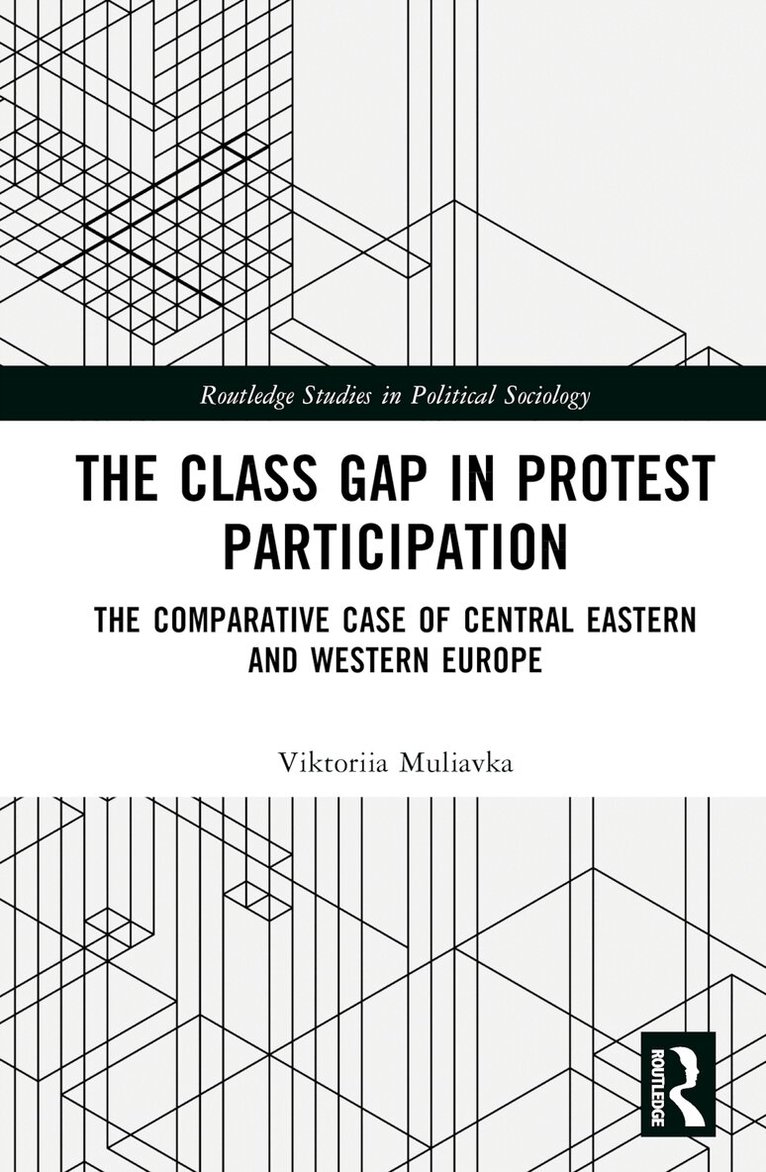
Class Gap in Protest Participation
The Comparative Case of Central Eastern and Western Europe
Inbunden, Engelska, 2024
2 100 kr
Skickas inom 10-15 vardagar
The Class Gap in Protest Participation discusses a theoretically grounded empirical analysis of the relationship between class and protest involvement across Central Eastern and Western Europe.In recent decades, mass protests have surged in both frequency and scale, yet there remains a significant variability in citizen involvement in non-electoral politics across Europe. While affluent Western democracies often witness robust civic engagement, countries of Central and Eastern Europe exhibit comparatively limited political participation. This regional gap is particularly pronounced when examining post-socialist workers who show minimal protest activity. Addressing this phenomenon, the book starts from the following question: Why do workers in Central and Eastern Europe demonstrate disproportionately lower rates of protest engagement compared to their Western European counterparts? The study reveals that the answer lies beyond conventional explanations such as legacies of communism. Cross-regional disparities in working-class protest activism are driven by differences in labor protection and left mobilization capacity. These variations stem from the historical context and the economic dependency of post-socialist countries, which create distinct conditions for workers' political engagement in the core and (semi-)periphery.This book will be of interest to political scientists and sociologists, especially researchers interested in political participation, social inequality, and post-socialist transformations.
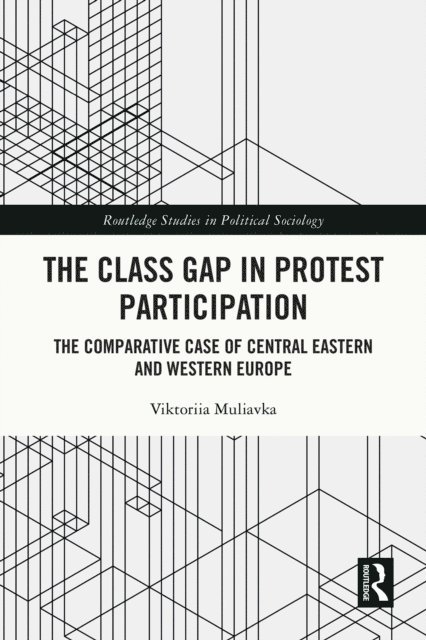
Class Gap in Protest Participation
The Comparative Case of Central Eastern and Western Europe
Häftad, Engelska, 2025
629 kr
Skickas inom 10-15 vardagar
The Class Gap in Protest Participation discusses a theoretically grounded empirical analysis of the relationship between class and protest involvement across Central Eastern and Western Europe.In recent decades, mass protests have surged in both frequency and scale, yet there remains a significant variability in citizen involvement in non-electoral politics across Europe. While affluent Western democracies often witness robust civic engagement, countries of Central and Eastern Europe exhibit comparatively limited political participation. This regional gap is particularly pronounced when examining post-socialist workers who show minimal protest activity. Addressing this phenomenon, the book starts from the following question: Why do workers in Central and Eastern Europe demonstrate disproportionately lower rates of protest engagement compared to their Western European counterparts? The study reveals that the answer lies beyond conventional explanations such as legacies of communism. Cross-regional disparities in working-class protest activism are driven by differences in labor protection and left mobilization capacity. These variations stem from the historical context and the economic dependency of post-socialist countries, which create distinct conditions for workers' political engagement in the core and (semi-)periphery.This book will be of interest to political scientists and sociologists, especially researchers interested in political participation, social inequality, and post-socialist transformations.
1 142 kr
Skickas inom 10-15 vardagar
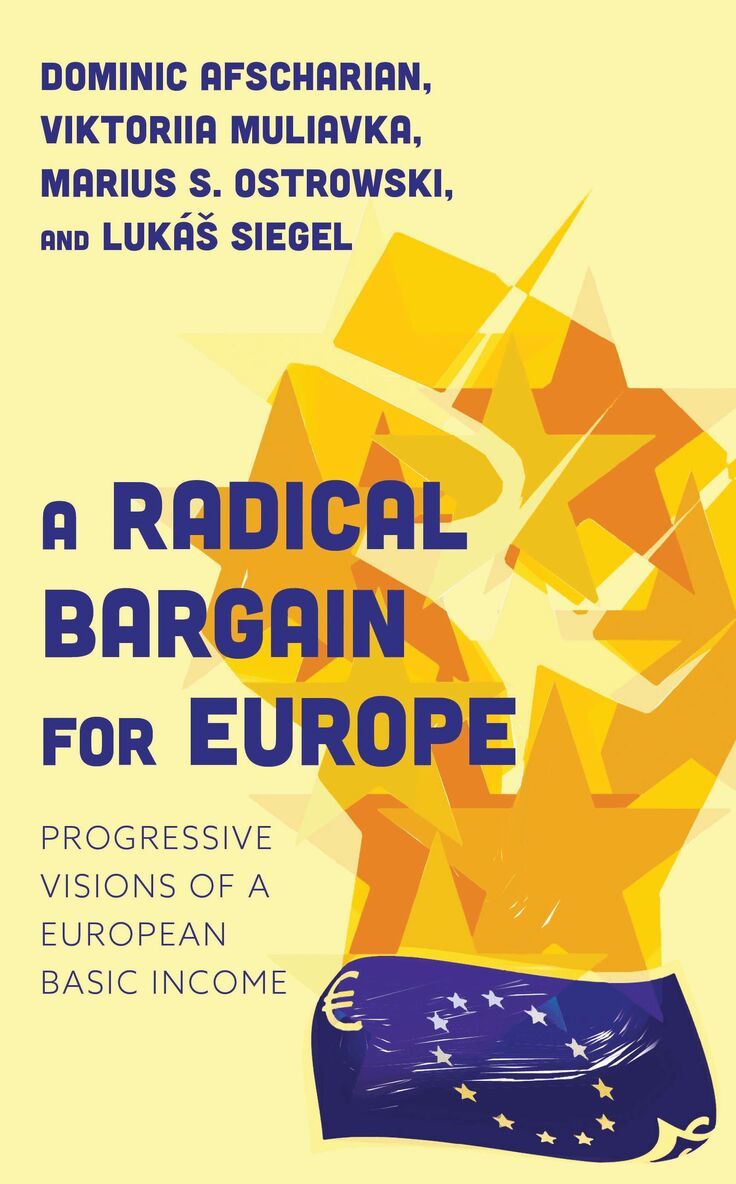
During the last two decades, the European Union has come under increasing existential threat. Successive historic crises have called into question the EU’s ability to meet the needs of its citizens, and effectively navigate the emerging challenges of the 21st century. From sovereign debt, Mediterranean migration, and Brexit to climate change, the Covid-19 pandemic, and spiralling conflicts just beyond its borders, the EU has struggled to carve out a meaningful path forward. Worse, through action or inaction, it has often failed to live up to the lofty ideals of its foundation. In response, the EU has faced a growing tide of Europhobic dissent, driven by insurgent populism and nationalism. Left unanswered, this tide promises to overwhelm the EU and irretrievably damage the legitimacy of its institutions—or see them coopted into the chauvinist projects of a new and emboldened ‘authoritarian international’. In light of this, progressive forces who value the positive role the EU can play in the world face a stark and urgent choice. They can give the EU a new fundamental vision, centred on elevating the situation of the worst-off in all corners of European society. Or they must reconcile themselves to losing it permanently as a force for freedom and equality, justice, solidarity, and pluralism across the European continent and beyond. A Radical Bargain for Europe makes an impassioned case for the first of these two choices. It argues that social policy is the site where this new vision must be developed, as the live frontier of the latest debates over the course of European integration. And it presents the concept of a basic income as a concrete step towards fulfilling the promise of a ‘social Europe’—folding in one of the greatest questions of modern social policy debates in many national contexts. This book presents an outline of what a European basic income (EUBI) would look like. It argues that, in its fundamental form, an EUBI has its attractions to a wide range of progressive ideologies, from the far left, greens, and social democracy to liberalism and Christian democracy. Each of these ideologies adds its own unique colour to the shape an EUBI could take, in principle and in practice. Yet all of them must work together in a broad ‘agenda coalition’ to take the next step towards European social integration, embrace an EUBI, and realise the EU’s radical potential.
635 kr
Kommande
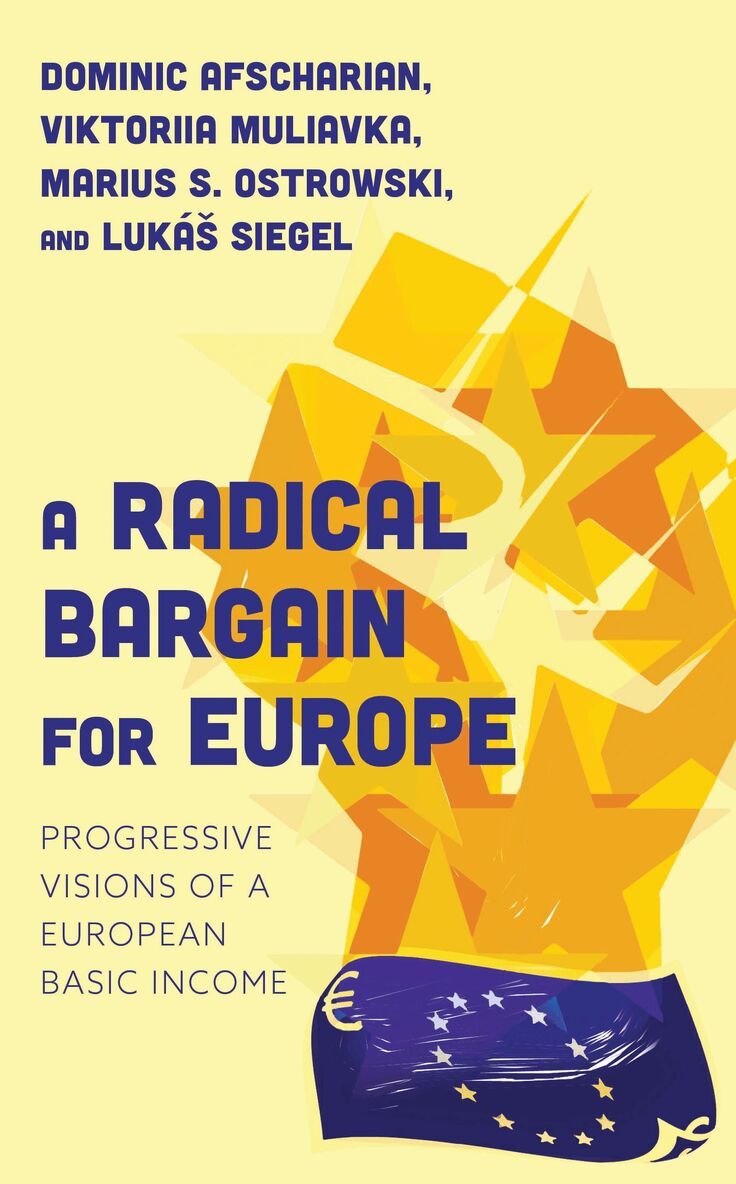
During the last two decades, the European Union has come under increasing existential threat. Successive historic crises have called into question the EU’s ability to meet the needs of its citizens, and effectively navigate the emerging challenges of the 21st century. From sovereign debt, Mediterranean migration, and Brexit to climate change, the Covid-19 pandemic, and spiralling conflicts just beyond its borders, the EU has struggled to carve out a meaningful path forward. Worse, through action or inaction, it has often failed to live up to the lofty ideals of its foundation. In response, the EU has faced a growing tide of Europhobic dissent, driven by insurgent populism and nationalism. Left unanswered, this tide promises to overwhelm the EU and irretrievably damage the legitimacy of its institutions—or see them coopted into the chauvinist projects of a new and emboldened ‘authoritarian international’. In light of this, progressive forces who value the positive role the EU can play in the world face a stark and urgent choice. They can give the EU a new fundamental vision, centred on elevating the situation of the worst-off in all corners of European society. Or they must reconcile themselves to losing it permanently as a force for freedom and equality, justice, solidarity, and pluralism across the European continent and beyond. A Radical Bargain for Europe makes an impassioned case for the first of these two choices. It argues that social policy is the site where this new vision must be developed, as the live frontier of the latest debates over the course of European integration. And it presents the concept of a basic income as a concrete step towards fulfilling the promise of a ‘social Europe’—folding in one of the greatest questions of modern social policy debates in many national contexts. This book presents an outline of what a European basic income (EUBI) would look like. It argues that, in its fundamental form, an EUBI has its attractions to a wide range of progressive ideologies, from the far left, greens, and social democracy to liberalism and Christian democracy. Each of these ideologies adds its own unique colour to the shape an EUBI could take, in principle and in practice. Yet all of them must work together in a broad ‘agenda coalition’ to take the next step towards European social integration, embrace an EUBI, and realise the EU’s radical potential.