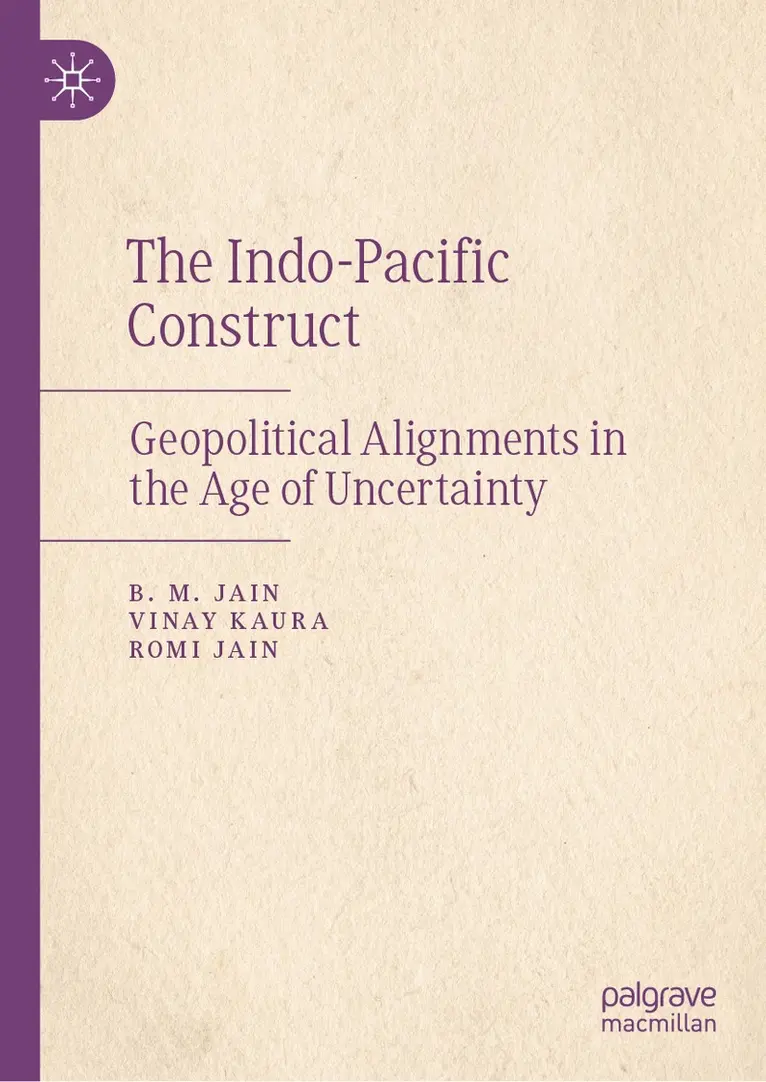
The Indo-Pacific Construct is a definitive guide to the shifting strategic trajectories that define today’s most dynamic region. With scholarly precision, it explores the growing primacy of the Indo-Pacific in global geopolitics, where great powers navigate a complex web of cooperation and competition. The book illuminates how global interdependence is reshaping strategies and alignments among state actors and regional powers. With in‑depth scholarship, it makes a significant contribution towards bridging the gap between research and practice on the future of the Indo-Pacific. What sets this work apart is its layered and conceptually sophisticated analysis of the Indo-Pacific construct and the region’s evolution in the aftermath of Donald Trump’s second presidency. A timely and authoritative work, it offers readers a clear lens into the evolving architecture of world politics in the twenty‑first century.
Indo-Pacific has become the pivot of the global politics and the salience of the region is bound to increase in the foreseeable future. India`s profile has rapidly grown since the end of Cold War and now India is being considered an important country in shaping the power equilibrium within the Indo-Pacific in particular and at the global level in general. The security architecture has remained turbulent in the region and in this prevailing scenario India has the golden opportunity to maximize its national interests. The phenomenal rise of China in the region and its diverging interests with India and many other important countries within the region have further complicated the security situation.
The Indo-Pacific Construct is a definitive guide to the shifting strategic trajectories that define today’s most dynamic region. With scholarly precision, it explores the growing primacy of the Indo-Pacific in global geopolitics, where great powers navigate a complex web of cooperation and competition. The book illuminates how global interdependence is reshaping strategies and alignments among state actors and regional powers. With in‑depth scholarship, it makes a significant contribution towards bridging the gap between research and practice on the future of the Indo-Pacific. What sets this work apart is its layered and conceptually sophisticated analysis of the Indo-Pacific construct and the region’s evolution in the aftermath of Donald Trump’s second presidency. A timely and authoritative work, it offers readers a clear lens into the evolving architecture of world politics in the twenty‑first century.
Indo-Pacific has become the pivot of the global politics and the salience of the region is bound to increase in the foreseeable future. India`s profile has rapidly grown since the end of Cold War and now India is being considered an important country in shaping the power equilibrium within the Indo-Pacific in particular and at the global level in general. The security architecture has remained turbulent in the region and in this prevailing scenario India has the golden opportunity to maximize its national interests. The phenomenal rise of China in the region and its diverging interests with India and many other important countries within the region have further complicated the security situation.