Vincent Rotello – författare
Visar alla böcker från författaren Vincent Rotello. Handla med fri frakt och snabb leverans.
5 produkter
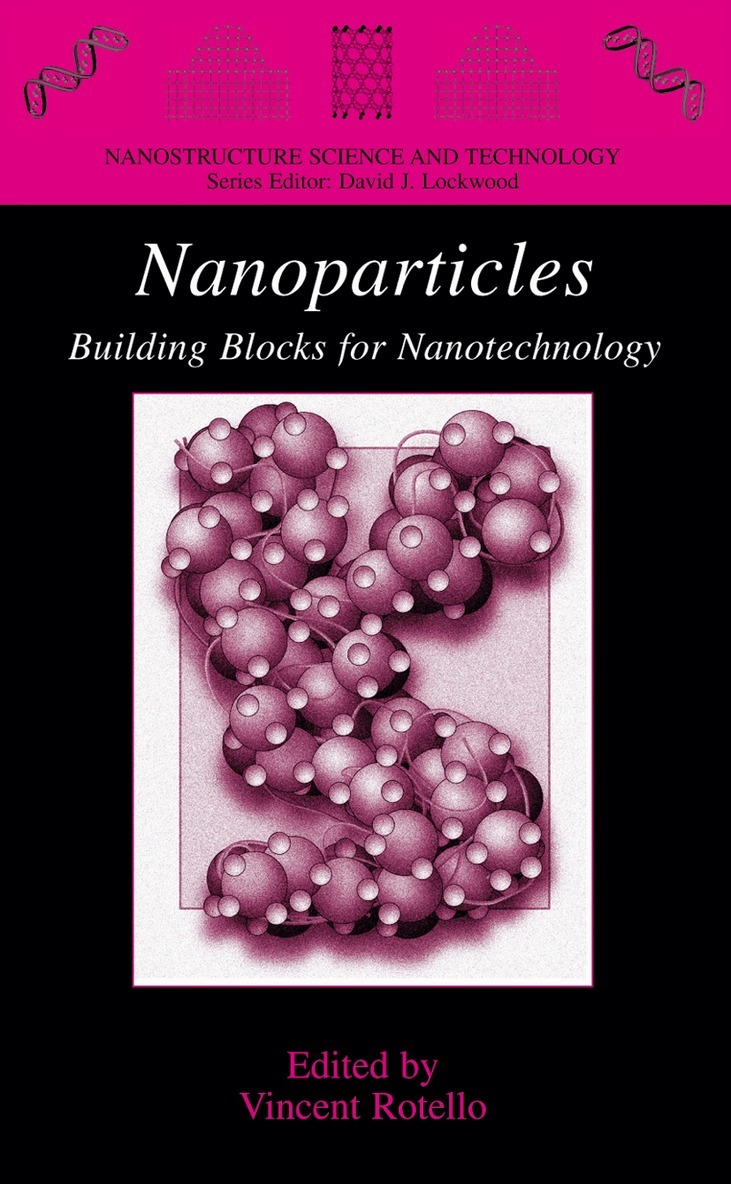
Nanoparticles
Building Blocks for Nanotechnology
Inbunden, 2003
933 kr
Lägg i varukorg
The integration of top-down lithographic techniques with synthetic organic and inorganic technologies is a key challenge for the development of effective nanosca1e devices. In terms of assembly, nanoparticles provide an excellent tool for bridging the gap between the resolution of electron beam …
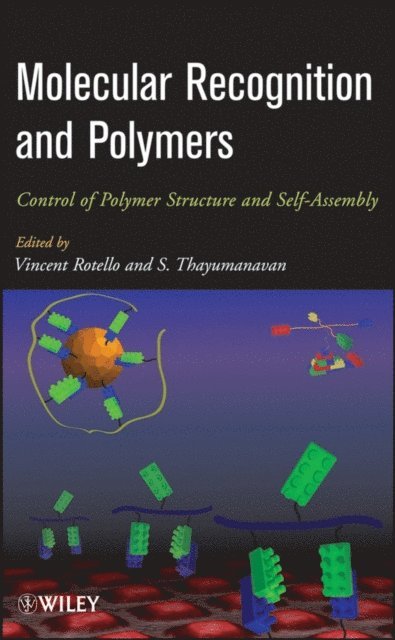
Molecular Recognition and Polymers
Control of Polymer Structure and Self-Assembly
Av Vincent Rotello, Sankaran Thayumanavan
Inbunden, 2008
2113 kr
Lägg i varukorg
State-of-the-art techniques for tapping the vast potential of polymers The use of specific non-covalent interactions to control polymer structure and properties is a rapidly emerging field with applications in diverse disciplines. Molecular Recognition and Polymers covers the fundamental aspects …
Molecular Recognition and Polymers
Control of Polymer Structure and Self-Assembly
Av Sankaran Thayumanavan, Vincent Rotello
E-bok, 2008
2411 kr
Lägg i varukorg
State-of-the-art techniques for tapping the vast potential of polymers The use of specific non-covalent interactions to control polymer structure and properties is a rapidly emerging field with applications in diverse disciplines. Molecular Recognition and Polymers covers the fundamental aspects …
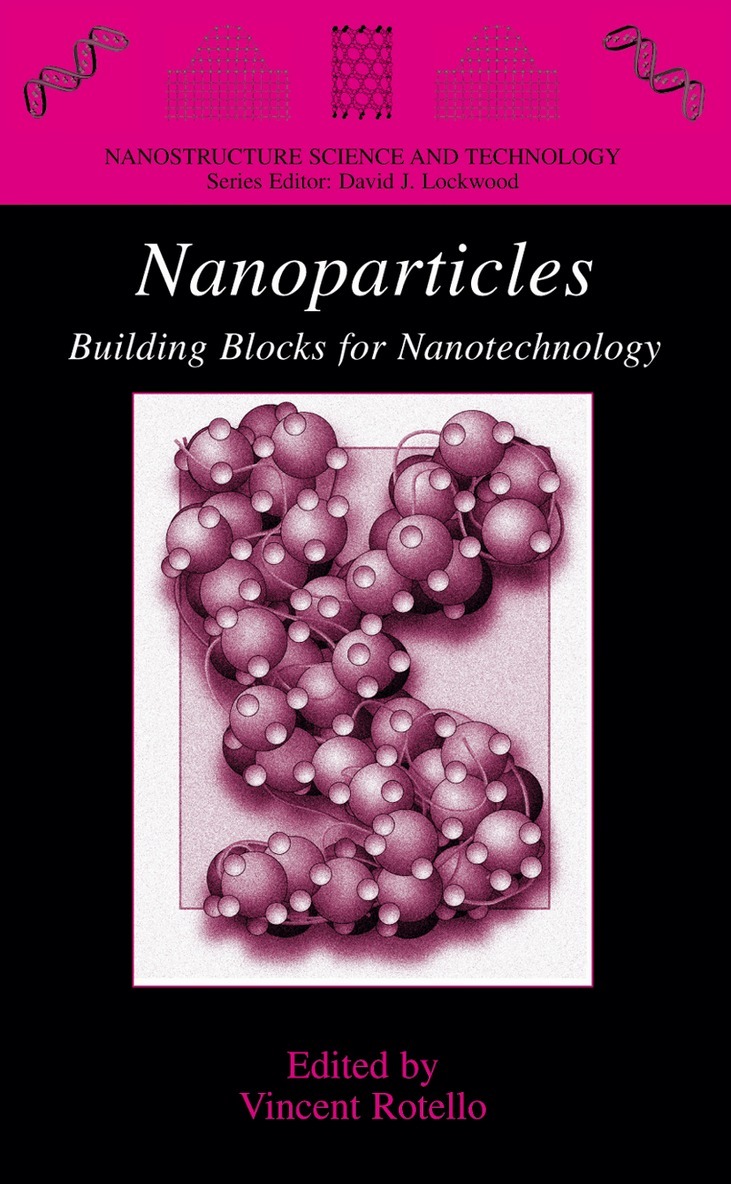
Nanoparticles
Building Blocks for Nanotechnology
E-bok, 2012
1214 kr
Lägg i varukorg
The integration of top-down lithographic techniques with synthetic organic and inorganic technologies is a key challenge for the development of effective nanosca1e devices. In terms of assembly, nanoparticles provide an excellent tool for bridging the gap between the resolution of electron beam …
Nanoparticles
Building Blocks for Nanotechnology
Häftad, 2012
933 kr
Lägg i varukorg
The integration of top-down lithographic techniques with synthetic organic and inorganic technologies is a key challenge for the development of effective nanosca1e devices. In terms of assembly, nanoparticles provide an excellent tool for bridging the gap between the resolution of electron beam …