Viola Franziska Müller – författare
Visar alla böcker från författaren Viola Franziska Müller. Handla med fri frakt och snabb leverans.
7 produkter
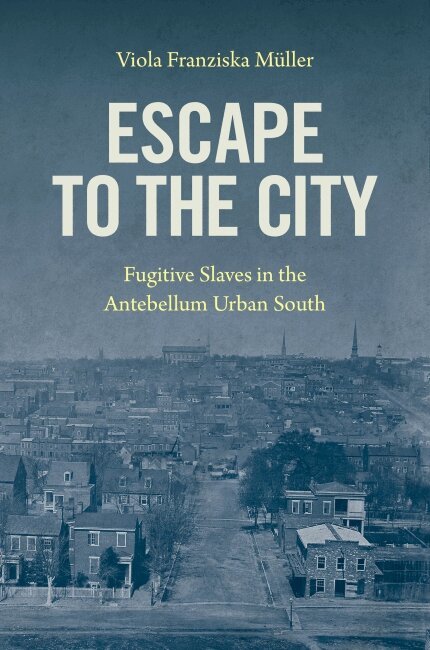
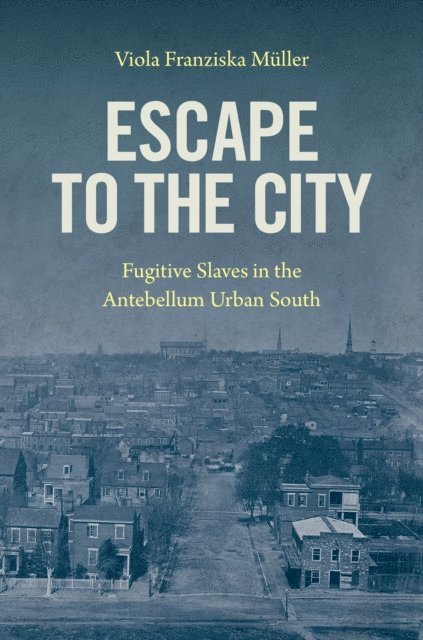
Escape to the City
Fugitive Slaves in the Antebellum Urban South
Inbunden, 2022
1233 kr
Lägg i varukorg
Viola Franziska Muller examines runaways who camouflaged themselves among the free Black populations in Baltimore, Charleston, New Orleans, and Richmond. In the urban South, they found shelter, work, and other survival networks that enabled them to live in slaveholding territory, shielded and …
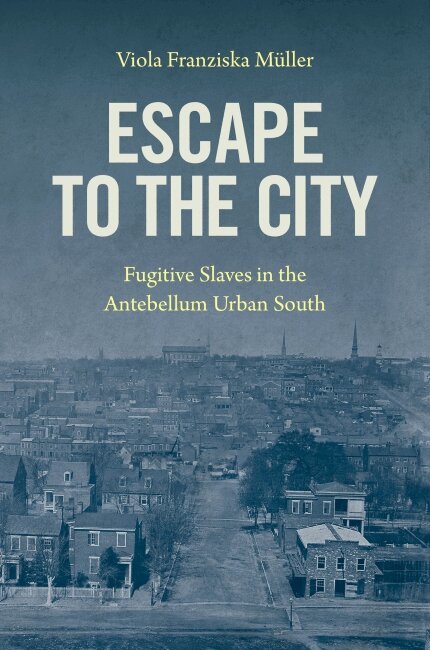
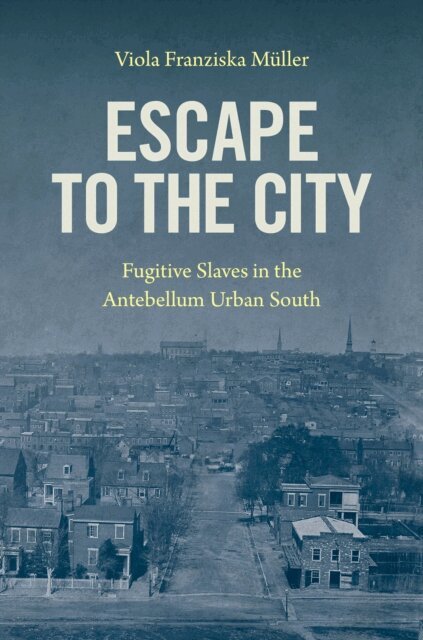
Escape to the City
Fugitive Slaves in the Antebellum Urban South
Häftad, 2022
401 kr
Lägg i varukorg
Viola Franziska Muller examines runaways who camouflaged themselves among the free Black populations in Baltimore, Charleston, New Orleans, and Richmond. In the urban South, they found shelter, work, and other survival networks that enabled them to live in slaveholding territory, shielded and …
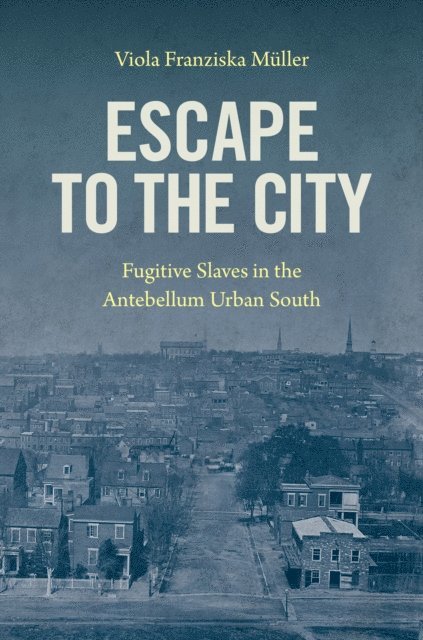
Escape to the City
Fugitive Slaves in the Antebellum Urban South
E-bok, 2022
321 kr
Lägg i varukorg
Viola Franziska Müller examines runaways who camouflaged themselves among the free Black populations in Baltimore, Charleston, New Orleans, and Richmond. In the urban South, they found shelter, work, and other survival networks that enabled them to live in slaveholding territory, shielded and …
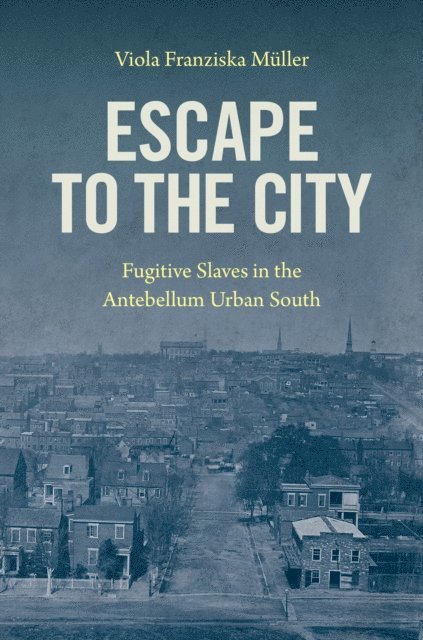
Escape to the City
Fugitive Slaves in the Antebellum Urban South
E-bok, 2022
2181 kr
Lägg i varukorg
Viola Franziska Müller examines runaways who camouflaged themselves among the free Black populations in Baltimore, Charleston, New Orleans, and Richmond. In the urban South, they found shelter, work, and other survival networks that enabled them to live in slaveholding territory, shielded and …
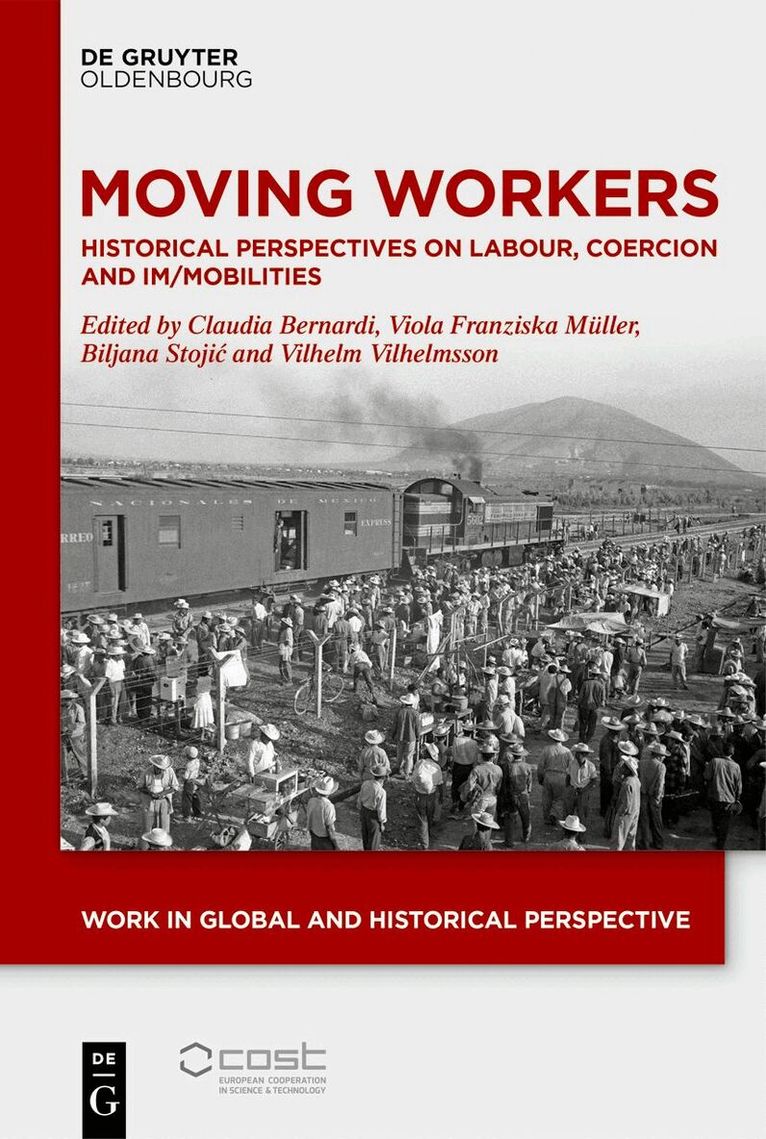
Moving Workers
Historical Perspectives on Labour, Coercion and Im/Mobilities
Av Claudia Bernardi, Viola Franziska Müller m. fl.
Inbunden, 2023
762 kr
Lägg i varukorg
This book explores how workers moved and were moved, why they moved, and how they were kept from moving. Combining global labour history with mobility studies, it investigates moving workers through the lens of coercion. The contributions in this book are based on extensive archival research and …
Escape to the City
Fugitive Slaves in the Antebellum Urban South
E-bok, 2022
321 kr
Lägg i varukorg
Viola Franziska Müller examines runaways who camouflaged themselves among the free Black populations in Baltimore, Charleston, New Orleans, and Richmond. In the urban South, they found shelter, work, and other survival networks that enabled them to live in slaveholding territory, shielded and …
Escape to the City
Fugitive Slaves in the Antebellum Urban South
E-bok, 2022
1721 kr
Lägg i varukorg
Viola Franziska Müller examines runaways who camouflaged themselves among the free Black populations in Baltimore, Charleston, New Orleans, and Richmond. In the urban South, they found shelter, work, and other survival networks that enabled them to live in slaveholding territory, shielded and …