Virginia Bower – författare
307 kr
Skickas inom 3-6 vardagar
Supporting children with English as an additional language (EAL) requires detailed knowledge and understanding of their social, cognitive and linguistic needs. Supporting Pupils with EAL in the Primary Classroom highlights the fundamental principles that underpin teaching and learning, and examines practical strategies for classroom practice. The book focuses on the importance of recognising the knowledge, skills and experience that children with EAL bring to the classroom, whilst identifying the specific support required. It draws on evidence from an extended case study to illustrate essential points and combines this with an examination of relevant theory as well as how this translates to classroom practice. Key features of the book include:• Core knowledge and skills about how to support children with EAL• Case study scenarios to illustrate particular principles, pedagogies and practices• Practical ideas for the classroom throughout
Supporting Pupils with EAL in the Primary Classroom is an invaluable text for those in teaching training, qualified teachers, senior managers in schools and those working in initial teacher education."The author writes about the demands of teaching EAL learners with commitment, knowledge and enthusiasm. She offers the reader insights and examples from her own research and classroom practice, beginning with a discussion of bilingualism and language learning, followed up by an exploration the four skills and assessment in the classroom, as well as a chapter arguing for professional development and research informed teaching. In this chapter she stresses the importance of teachers finding innovative ways to enable EAL learners within the curriculum context. In the final chapter, drawing on the sociocultural framework that informs her work, the author discusses the challenges, constraints and possibilities for supporting EAL children in the wider contexts of pedagogy and policy. Throughout, there are case studies and examples, and the author writes with a sense of optimism that it is in the capacity of teachers to improve the classroom learning opportunities for EAL learners. Written in a personable and accessible style, this book offers an informative foundation for teacher educators and professionals who want to learn more about working with EAL learners."Dr Charlotte Franson, formerly of Canterbury Christ Church University, UK"As a teacher educator, I am often engaged in discussions around trainees' perceptions of the complexities of teaching children learning EAL. This book, rooted in practice based research provides an accessible and informative scaffold for those embarking on a career in teaching. The premise of the 'what' and 'how' is particularly useful and the sequence of chapters provides a well mapped journey for the reader, through the theory, practice and considerations of supporting children learning EAL. Exemplification, through the case study vignettes, poses reflective thinking points that can be readily applied to one’s own practice.Overall, excellent practitioner guidance that both consolidates subject knowledge and provides realistic practice guidance. A title I will be heartily recommending to my students."Gill Chambers, Senior Lecturer in Education, University of Northampton, UK
308 kr
Läs direkt efter köp
Supporting children with English as an additional language (EAL) requires detailed knowledge and understanding of their social, cognitive and linguistic needs. Supporting Pupils with EAL in the Primary Classroom highlights the fundamental principles that underpin teaching and learning, and examines practical strategies for classroom practice. The book focuses on the importance of recognising the knowledge, skills and experience that children with EAL bring to the classroom, whilst identifying the specific support required. It draws on evidence from an extended case study to illustrate essential points and combines this with an examination of relevant theory as well as how this translates to classroom practice. Key features of the book include:• Core knowledge and skills about how to support children with EAL• Case study scenarios to illustrate particular principles, pedagogies and practices• Practical ideas for the classroom throughout
Supporting Pupils with EAL in the Primary Classroom is an invaluable text for those in teaching training, qualified teachers, senior managers in schools and those working in initial teacher education."The author writes about the demands of teaching EAL learners with commitment, knowledge and enthusiasm. She offers the reader insights and examples from her own research and classroom practice, beginning with a discussion of bilingualism and language learning, followed up by an exploration the four skills and assessment in the classroom, as well as a chapter arguing for professional development and research informed teaching. In this chapter she stresses the importance of teachers finding innovative ways to enable EAL learners within the curriculum context. In the final chapter, drawing on the sociocultural framework that informs her work, the author discusses the challenges, constraints and possibilities for supporting EAL children in the wider contexts of pedagogy and policy. Throughout, there are case studies and examples, and the author writes with a sense of optimism that it is in the capacity of teachers to improve the classroom learning opportunities for EAL learners. Written in a personable and accessible style, this book offers an informative foundation for teacher educators and professionals who want to learn more about working with EAL learners."Dr Charlotte Franson, formerly of Canterbury Christ Church University, UK"As a teacher educator, I am often engaged in discussions around trainees'' perceptions of the complexities of teaching children learning EAL. This book, rooted in practice based research provides an accessible and informative scaffold for those embarking on a career in teaching. The premise of the ''what'' and ''how'' is particularly useful and the sequence of chapters provides a well mapped journey for the reader, through the theory, practice and considerations of supporting children learning EAL. Exemplification, through the case study vignettes, poses reflective thinking points that can be readily applied to one’s own practice.Overall, excellent practitioner guidance that both consolidates subject knowledge and provides realistic practice guidance. A title I will be heartily recommending to my students."Gill Chambers, Senior Lecturer in Education, University of Northampton, UK
2 121 kr
Skickas inom 10-15 vardagar
498 kr
Skickas inom 10-15 vardagar
2 121 kr
Skickas inom 10-15 vardagar
348 kr
Skickas inom 10-15 vardagar
1 917 kr
Skickas inom 10-15 vardagar
334 kr
Skickas inom 10-15 vardagar
1 256 kr
Skickas inom 3-6 vardagar
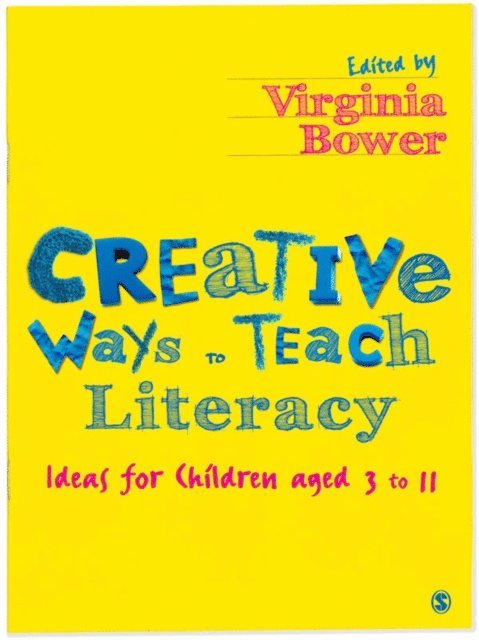
Covering the essential areas of practice, this book suggests ways to make your literacy teaching as creative and engaging as possible. Children get the most out of their learning when it is exciting, and this book offers great ideas for classroom practice, whilst making careful links to research.
Sections advise on teaching narrative, poetry and non-fiction, and each chapter contains case studies and ideas to try out in practice. The authors cover a broad range of topics, including:
- exploring traditional tales
- writing from experience
- using playground games as a foundation for literacy
- performing poetry.
Written for teachers working with children aged 3-11 years, this book gives you the opportunity to develop children's literacy in enjoyable and interesting ways.
867 kr
Skickas inom 5-8 vardagar
588 kr
Läs direkt efter köp
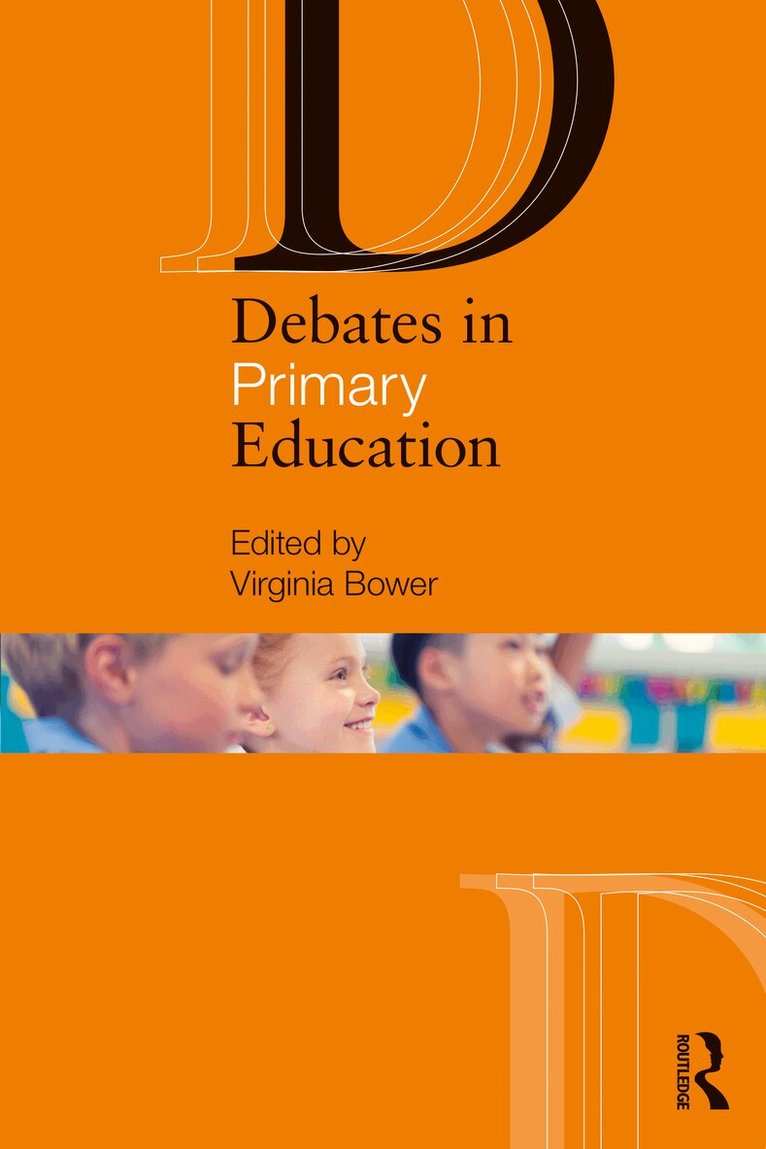
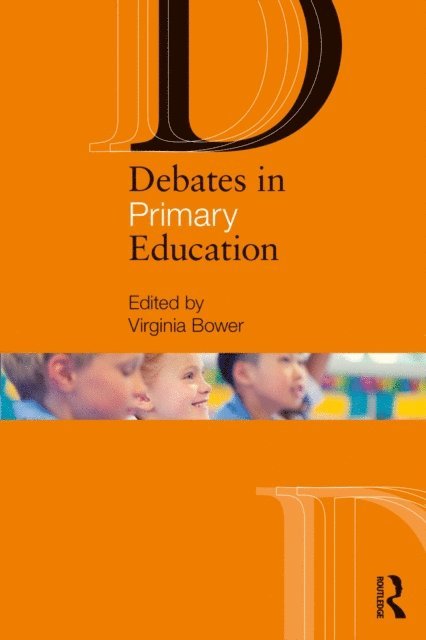
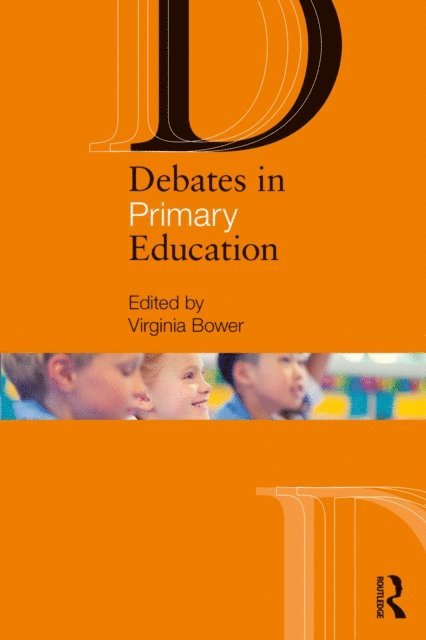
This powerful text encourages both pre-service and established teachers, as well as teacher educators, to engage with contemporary debates in primary education. Promoting a critical approach, the chapters explore a wide range of key themes including the importance of values in primary education and the imperative for a curriculum which embraces the whole range of available subjects. At the same time, the chapters are underpinned by a belief that children should be at the heart of all the decisions we make and that primary education should inspire a love of learning, for life.
The book aims to support practitioners to make informed judgements and feel confident to argue their point of view with deeper theoretical knowledge and understanding, thus increasing teacher agency and confidence in responding to complex educational and social dilemmas such as literacy levels and rising mental health concerns. Chapters encompass both the macro aspects of primary education and more specialised debates on key topics such as reading, mathematics, languages, early years education and the use of technology.
With annotated further reading and reflective questions, this key text is essential reading for all those wanting to develop a better understanding of the issues that shape their practice including student teachers at both undergraduate and postgraduate level, practising teachers engaged in continuing professional development and teacher educators.
568 kr
Läs direkt efter köp
This powerful text encourages both pre-service and established teachers, as well as teacher educators, to engage with contemporary debates in primary education. Promoting a critical approach, the chapters explore a wide range of key themes including the importance of values in primary education and the imperative for a curriculum which embraces the whole range of available subjects. At the same time, the chapters are underpinned by a belief that children should be at the heart of all the decisions we make and that primary education should inspire a love of learning, for life.
The book aims to support practitioners to make informed judgements and feel confident to argue their point of view with deeper theoretical knowledge and understanding, thus increasing teacher agency and confidence in responding to complex educational and social dilemmas such as literacy levels and rising mental health concerns. Chapters encompass both the macro aspects of primary education and more specialised debates on key topics such as reading, mathematics, languages, early years education and the use of technology.
With annotated further reading and reflective questions, this key text is essential reading for all those wanting to develop a better understanding of the issues that shape their practice including student teachers at both undergraduate and postgraduate level, practising teachers engaged in continuing professional development and teacher educators.
409 kr
Läs direkt efter köp
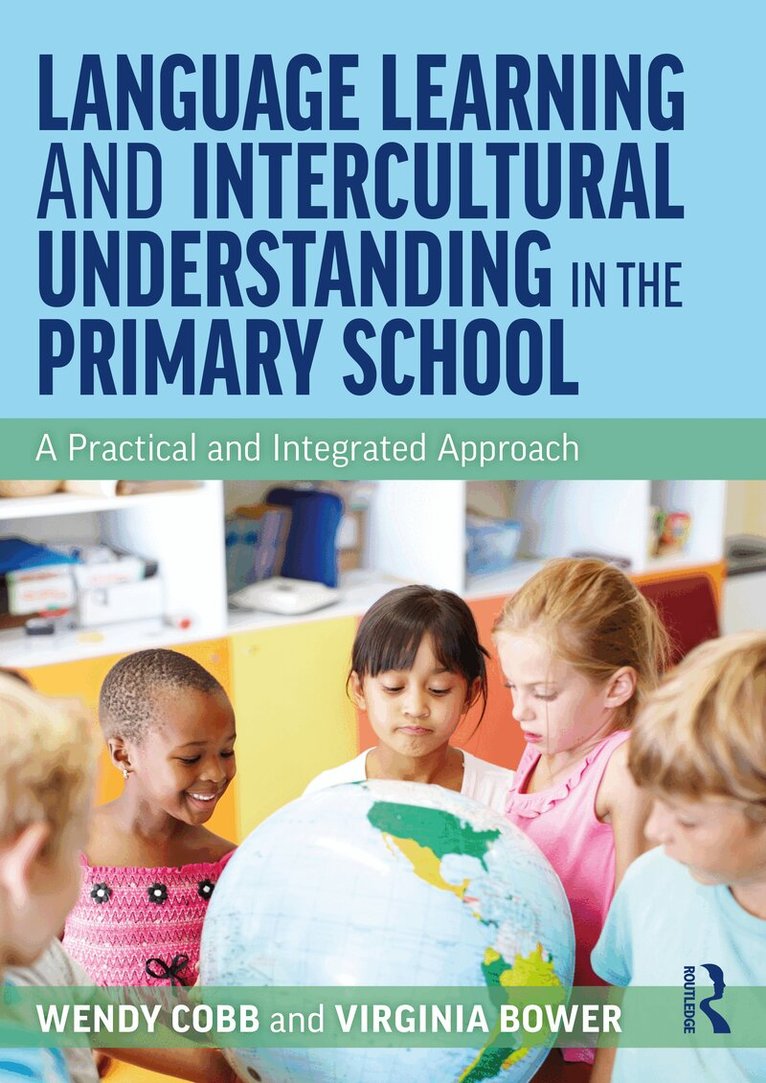
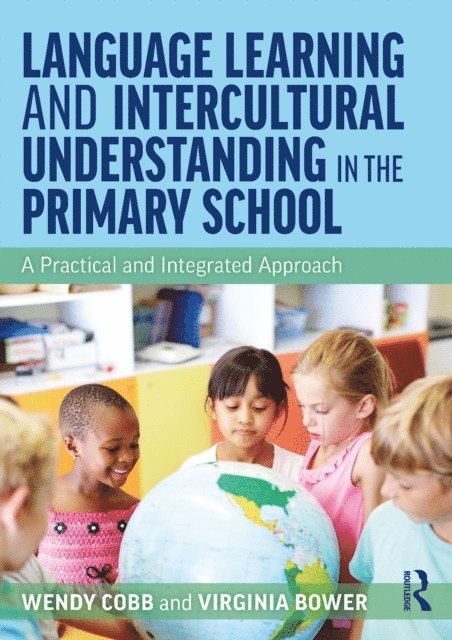
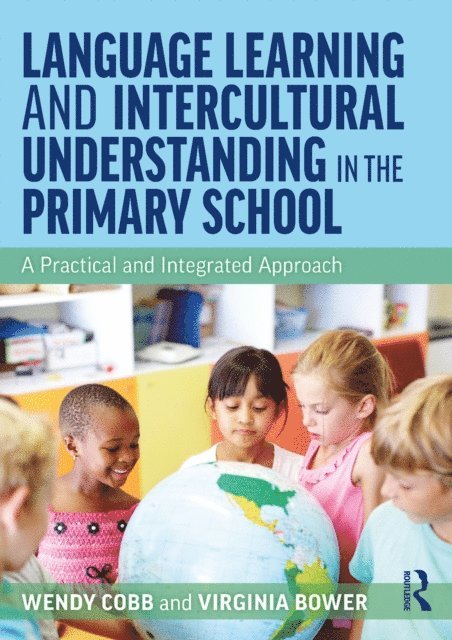
Language Learning and Intercultural Understanding in the Primary School shows how to deliver a progressive and holistic embedded language curriculum. It provides guidance on inclusive approaches for students with English as an additional language, including native speakers in the target language as well as language awareness activities that maximise links with learning in English.
Practical and accessible, it contains classroom examples, plans, resources and pedagogical approaches all underpinned by theory, research and practice. Each chapter examines specific themes relating to language, culture, identity and wellbeing, providing rich discussions and a range of perspectives. Case studies ‘bring to life’ the examples provided, and reflection points offer the reader the opportunity to pause and consider an idea, resource, or challenging concept before moving on.
Presenting a lived narrative of shared voices, the authors invite readers to learn about their own cultural and linguistic identities and how these relate to their practice. This is a must-read for teachers, language specialists and school leaders who wish for a clear rationale for the role of language, culture, identity and wellbeing within and beyond the curriculum.
409 kr
Läs direkt efter köp
Language Learning and Intercultural Understanding in the Primary School shows how to deliver a progressive and holistic embedded language curriculum. It provides guidance on inclusive approaches for students with English as an additional language, including native speakers in the target language as well as language awareness activities that maximise links with learning in English.
Practical and accessible, it contains classroom examples, plans, resources and pedagogical approaches all underpinned by theory, research and practice. Each chapter examines specific themes relating to language, culture, identity and wellbeing, providing rich discussions and a range of perspectives. Case studies ‘bring to life’ the examples provided, and reflection points offer the reader the opportunity to pause and consider an idea, resource, or challenging concept before moving on.
Presenting a lived narrative of shared voices, the authors invite readers to learn about their own cultural and linguistic identities and how these relate to their practice. This is a must-read for teachers, language specialists and school leaders who wish for a clear rationale for the role of language, culture, identity and wellbeing within and beyond the curriculum.
392 kr
Läs direkt efter köp
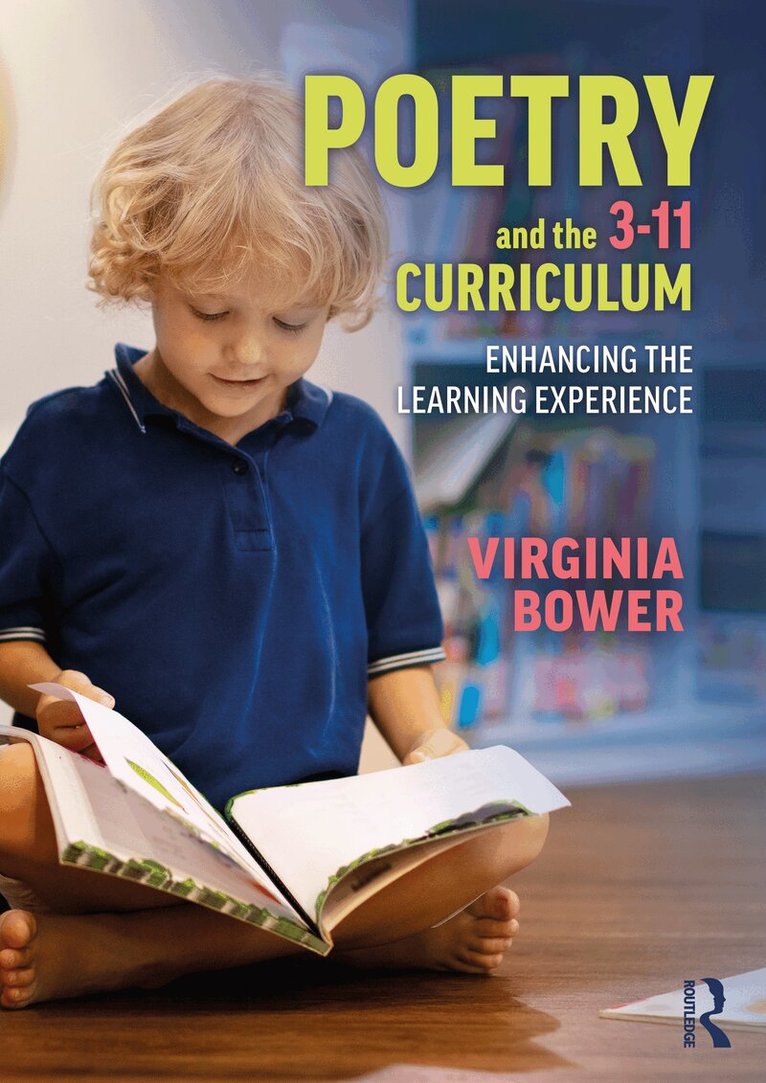
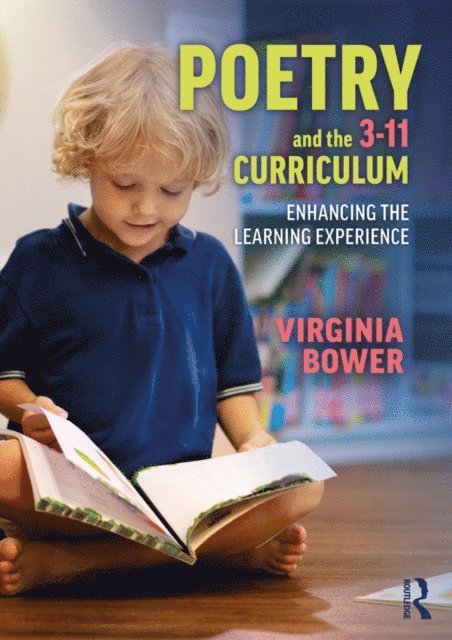
Poetry can enable learners to engage, learn and have fun, whatever their cognitive, linguistic or social levels and this book provides a great many examples of how this might be achieved. This exciting and innovative text provides a wide range of ideas for using poetry to enhance the early years and primary curricula, and therefore the learning experience of all children. Each chapter contains ideas for pedagogy and practice, underpinned by research and classroom experience ensuring that practitioners will come away feeling much more confident to teach this genre and better enjoy poetry themselves.
Throughout, there are discussions around specific pedagogies and practices relating to the use of poetry across the curriculum, as well as resources – including a wide range of poems from diverse countries and cultures and poems in different languages – and activities which can immediately be used in the classroom. Ideas are provided in terms of how poems can be employed in different subject areas, to introduce or reinforce concepts, engage children in more challenging concepts, ensure that lessons are fun and engaging and develop children’s awareness of other people and places beyond their immediate experience.
This book is an extremely powerful combination of informed discussion – drawing on ideas from different theoretical perspectives including recent findings from neuroscience – and practical suggestions for every classroom. Armed with this text, practitioners will not only have a very strong idea of how to use poetry to enhance their curriculum but also why this is such a compelling genre.
392 kr
Läs direkt efter köp
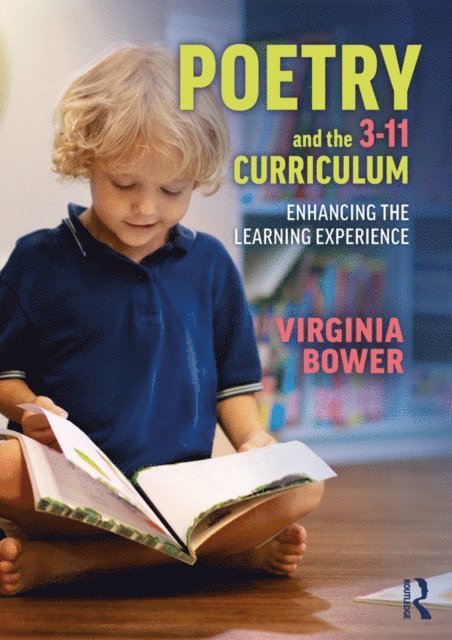
Poetry can enable learners to engage, learn and have fun, whatever their cognitive, linguistic or social levels and this book provides a great many examples of how this might be achieved. This exciting and innovative text provides a wide range of ideas for using poetry to enhance the early years and primary curricula, and therefore the learning experience of all children. Each chapter contains ideas for pedagogy and practice, underpinned by research and classroom experience ensuring that practitioners will come away feeling much more confident to teach this genre and better enjoy poetry themselves.
Throughout, there are discussions around specific pedagogies and practices relating to the use of poetry across the curriculum, as well as resources – including a wide range of poems from diverse countries and cultures and poems in different languages – and activities which can immediately be used in the classroom. Ideas are provided in terms of how poems can be employed in different subject areas, to introduce or reinforce concepts, engage children in more challenging concepts, ensure that lessons are fun and engaging and develop children’s awareness of other people and places beyond their immediate experience.
This book is an extremely powerful combination of informed discussion – drawing on ideas from different theoretical perspectives including recent findings from neuroscience – and practical suggestions for every classroom. Armed with this text, practitioners will not only have a very strong idea of how to use poetry to enhance their curriculum but also why this is such a compelling genre.
557 kr
Skickas inom 5-8 vardagar
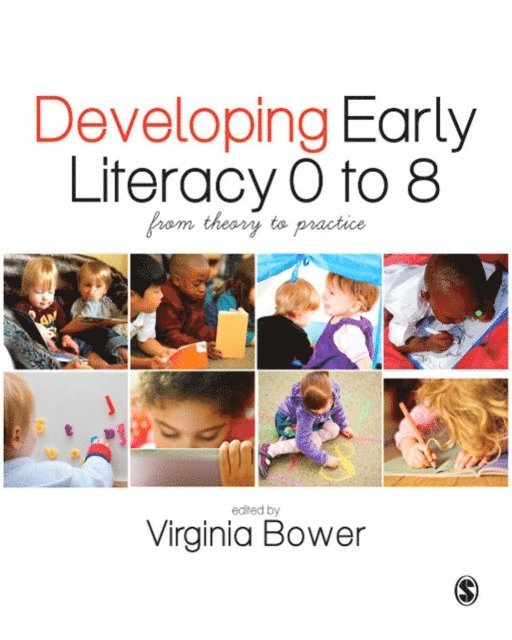
'Developing Early Literacy presents an interesting range of literacy-related topics which address issues of current importance to early years practice and, in places, question current thinking. There is an excellent balance of theoretical background and case study examples which would make this a relevant and practical text for both students and early years professionals.' - Mary-Louise Maynes, Lecturer in Early Childhood Studies, Bishop Grosseteste University
Providing clear guidance on how to develop early literacy, this book offers support with the planning and teaching of this vital aspect of the curriculum using innovative and exciting methods.
Linking theory with practice, topics covered include:
babies and very early communication the importance of role play corners outdoor learning and literacy how rhyme and repetition help to develop literacy teaching literacy to children who have English as an Additional Language (EAL) literacy and diversity using picture books to develop literacy supporting transitions different approaches to the teaching of phonics and early reading.
Each chapter has learning objectives, case studies featuring younger and older children from the Birth to 8 age range, a summary and suggested Further Reading. This text is essential reading for those on Early Childhood Studies, Early Years, Primary PGCE and Early Years teacher education courses.
Virginia Bower is Senior Lecturer at Canterbury Christ Church University.
523 kr
Läs direkt efter köp
Covering the essential areas of practice, this book suggests ways to make your literacy teaching as creative and engaging as possible. Children get the most out of their learning when it is exciting, and this book offers great ideas for classroom practice, whilst making careful links to research.
Sections advise on teaching narrative, poetry and non-fiction, and each chapter contains case studies and ideas to try out in practice. The authors cover a broad range of topics, including:
- exploring traditional tales
- writing from experience
- using playground games as a foundation for literacy
- performing poetry.
Written for teachers working with children aged 3-11 years, this book gives you the opportunity to develop children′s literacy in enjoyable and interesting ways.
508 kr
Läs direkt efter köp
′Developing Early Literacy presents an interesting range of literacy-related topics which address issues of current importance to early years practice and, in places, question current thinking. There is an excellent balance of theoretical background and case study examples which would make this a relevant and practical text for both students and early years professionals.′ - Mary-Louise Maynes, Lecturer in Early Childhood Studies, Bishop Grosseteste University
Providing clear guidance on how to develop early literacy, this book offers support with the planning and teaching of this vital aspect of the curriculum using innovative and exciting methods.
Linking theory with practice, topics covered include:
babies and very early communication the importance of role play corners outdoor learning and literacy how rhyme and repetition help to develop literacy teaching literacy to children who have English as an Additional Language (EAL) literacy and diversity using picture books to develop literacy supporting transitions different approaches to the teaching of phonics and early reading.
Each chapter has learning objectives, case studies featuring younger and older children from the Birth to 8 age range, a summary and suggested Further Reading. This text is essential reading for those on Early Childhood Studies, Early Years, Primary PGCE and Early Years teacher education courses.
Virginia Bower is Senior Lecturer at Canterbury Christ Church University.
1 873 kr
Tillfälligt slut
Covering the essential areas of practice, this book suggests ways to make your literacy teaching as creative and engaging as possible. Children get the most out of their learning when it is exciting, and this book offers great ideas for classroom practice, whilst making careful links to research.
Sections advise on teaching narrative, poetry and non-fiction, and each chapter contains case studies and ideas to try out in practice. The authors cover a broad range of topics, including:
- exploring traditional tales
- writing from experience
- using playground games as a foundation for literacy
- performing poetry.
Written for teachers working with children aged 3-11 years, this book gives you the opportunity to develop children's literacy in enjoyable and interesting ways.
1 764 kr
Tillfälligt slut
'Developing Early Literacy presents an interesting range of literacy-related topics which address issues of current importance to early years practice and, in places, question current thinking. There is an excellent balance of theoretical background and case study examples which would make this a relevant and practical text for both students and early years professionals.' - Mary-Louise Maynes, Lecturer in Early Childhood Studies, Bishop Grosseteste University
Providing clear guidance on how to develop early literacy, this book offers support with the planning and teaching of this vital aspect of the curriculum using innovative and exciting methods.
Linking theory with practice, topics covered include:
babies and very early communication the importance of role play corners outdoor learning and literacy how rhyme and repetition help to develop literacy teaching literacy to children who have English as an Additional Language (EAL) literacy and diversity using picture books to develop literacy supporting transitions different approaches to the teaching of phonics and early reading.
Each chapter has learning objectives, case studies featuring younger and older children from the Birth to 8 age range, a summary and suggested Further Reading. This text is essential reading for those on Early Childhood Studies, Early Years, Primary PGCE and Early Years teacher education courses.
Virginia Bower is Senior Lecturer at Canterbury Christ Church University.