Vishwa Raj Sharma – författare
Visar alla böcker från författaren Vishwa Raj Sharma. Handla med fri frakt och snabb leverans.
8 produkter
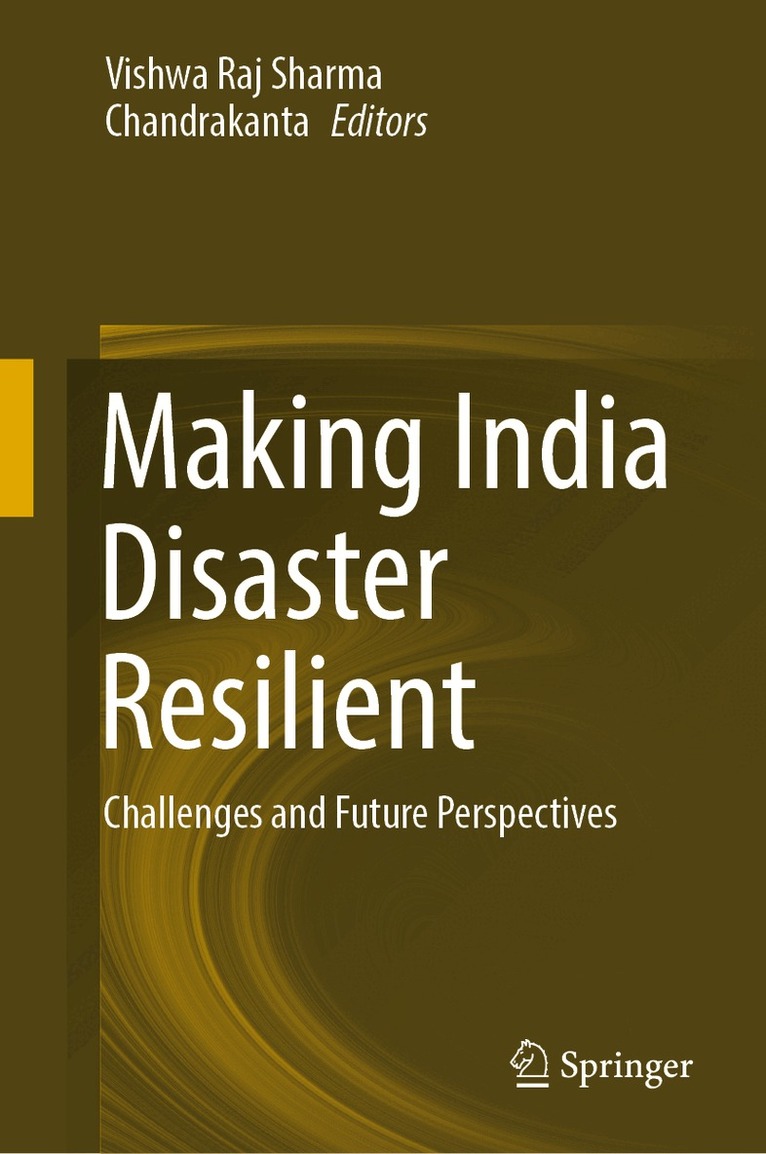
Making India Disaster Resilient
Challenges and Future Perspectives
Av Vishwa Raj Sharma, Chandrakanta
Inbunden, 2024
1521 kr
Lägg i varukorg
Various natural and man-made hazards are nowadays increasingly considered as disasters, particularly by individual and communities are lacking in awareness and where a system as a whole has no adequate management mechanism. Consequently, the world is facing serious negative outcome in form of loss …
Making India Disaster Resilient
Challenges and Future Perspectives
Av Chandrakanta, Vishwa Raj Sharma
E-bok, 2024
1886 kr
Lägg i varukorg
Various natural and man-made hazards are nowadays increasingly considered as disasters, particularly by individual and communities are lacking in awareness and where a system as a whole has no adequate management mechanism. Consequently, the world is facing serious negative outcome in form of loss …
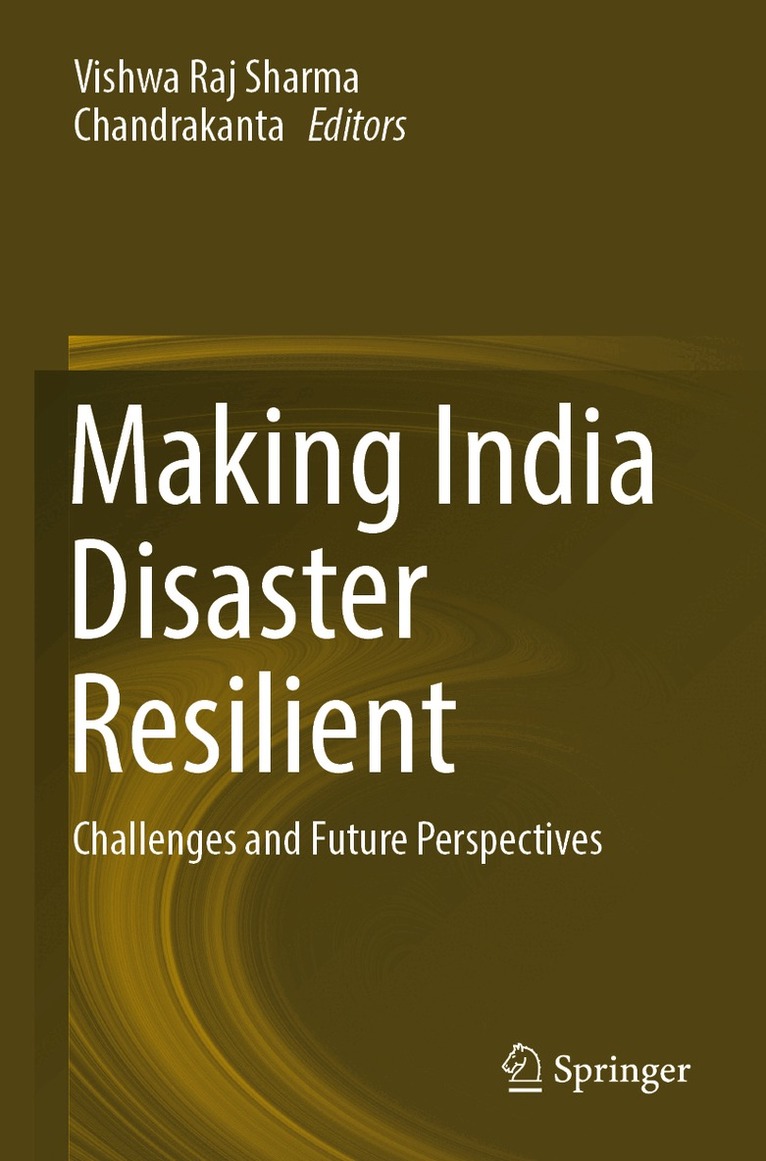
Making India Disaster Resilient
Challenges and Future Perspectives
Av Vishwa Raj Sharma, Chandrakanta
Häftad, 2025
1528 kr
Lägg i varukorg
Various natural and man-made hazards are nowadays increasingly considered as disasters, particularly by individual and communities are lacking in awareness and where a system as a whole has no adequate management mechanism. Consequently, the world is facing serious negative outcome in form of loss …
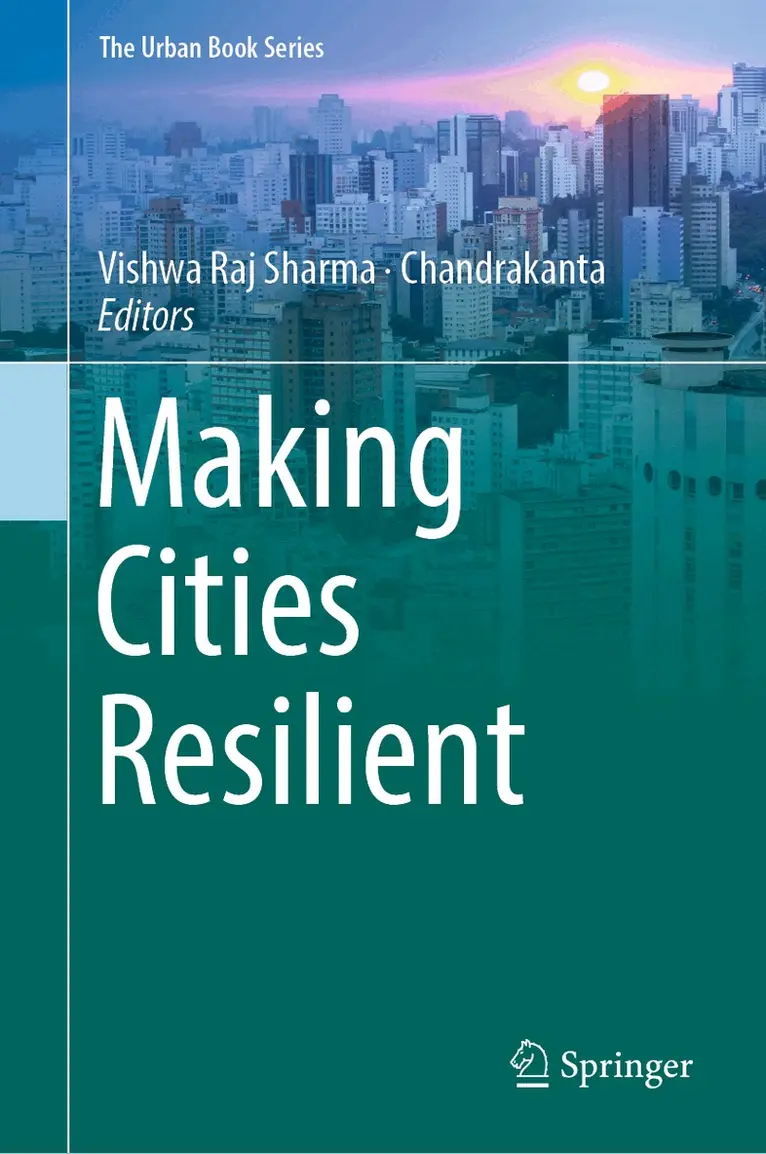
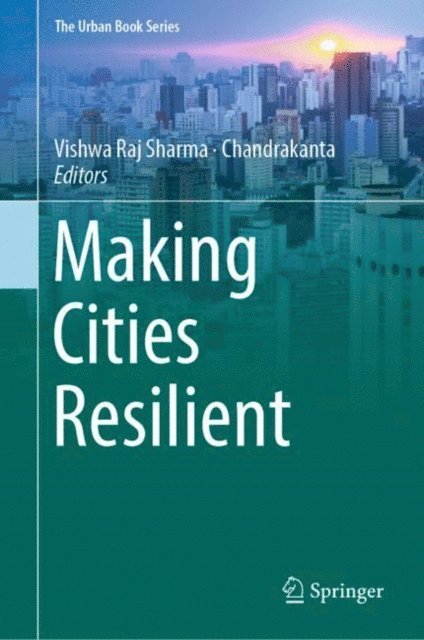
Making Cities Resilient
Av Vishwa Raj Sharma, Chandrakanta
Inbunden, 2019
1746 kr
Lägg i varukorg
As the world has transformed, so have cities. Today, cities are home to 54 percent of the world’s population, and by the middle of this century that figure will likely rise to 66 percent. According to the United Nations (UN) Habitat I (1972), Habitat II (1996) and Habitat III (2016) summits, cities …
Making Cities Resilient
Av Chandrakanta, Vishwa Raj Sharma
E-bok, 2019
2274 kr
Lägg i varukorg
As the world has transformed, so have cities. Today, cities are home to 54 percent of the world’s population, and by the middle of this century that figure will likely rise to 66 percent. According to the United Nations (UN) Habitat I (1972), Habitat II (1996) and Habitat III (2016) summits, cities …
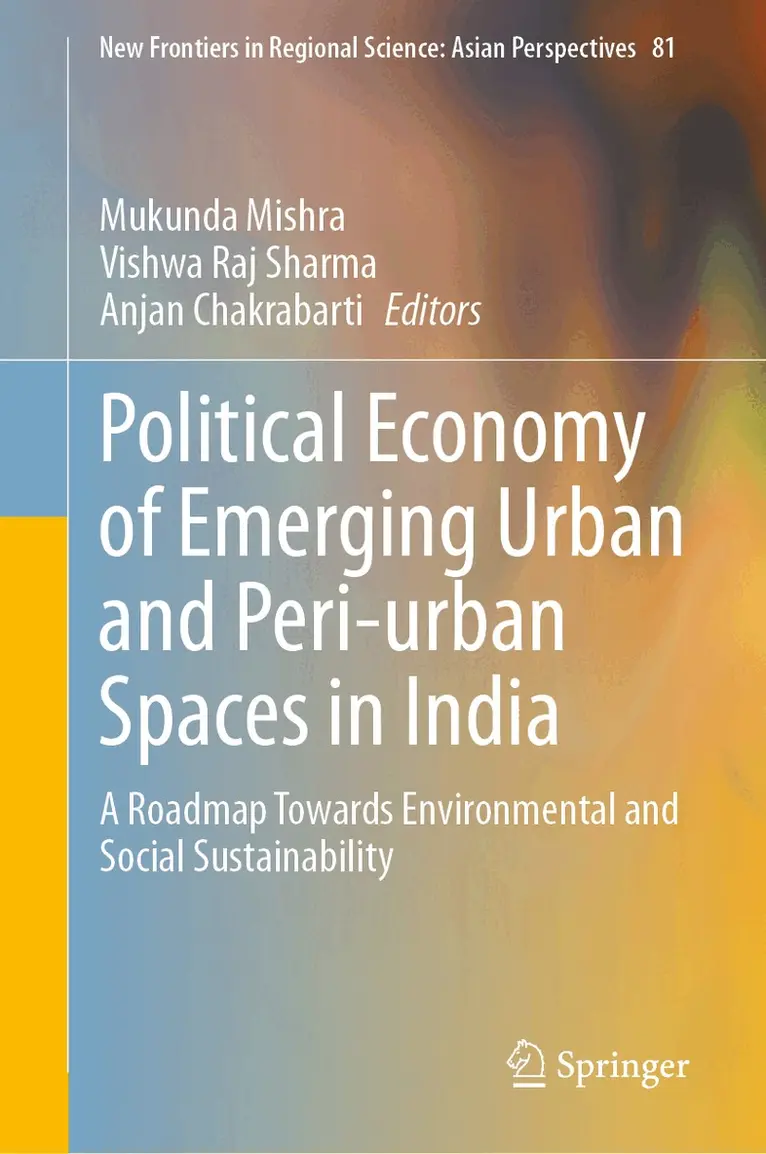
Political Economy of Emerging Urban and Peri-urban Spaces in India
A Roadmap Towards Environmental and Social Sustainability
Av Mukunda Mishra, Vishwa Raj Sharma m. fl.
Inbunden, 2025
2457 kr
Lägg i varukorg
This book addresses the “urban” and “peri-urban” spaces in India within a single frame. The reasoning is that while the former is studied for its transformation towards more value addition in terms of power and neoliberal economic viabilities, the latter is the land of visible transformation of the …
Political Economy of Emerging Urban and Peri-urban Spaces in India
A Roadmap Towards Environmental and Social Sustainability
Av Anjan Chakrabarti, Vishwa Raj Sharma m. fl.
E-bok, 2025
3348 kr
Lägg i varukorg
This book addresses the “urban” and “peri-urban” spaces in India within a single frame. The reasoning is that while the former is studied for its transformation towards more value addition in terms of power and neoliberal economic viabilities, the latter is the land of visible transformation of the …
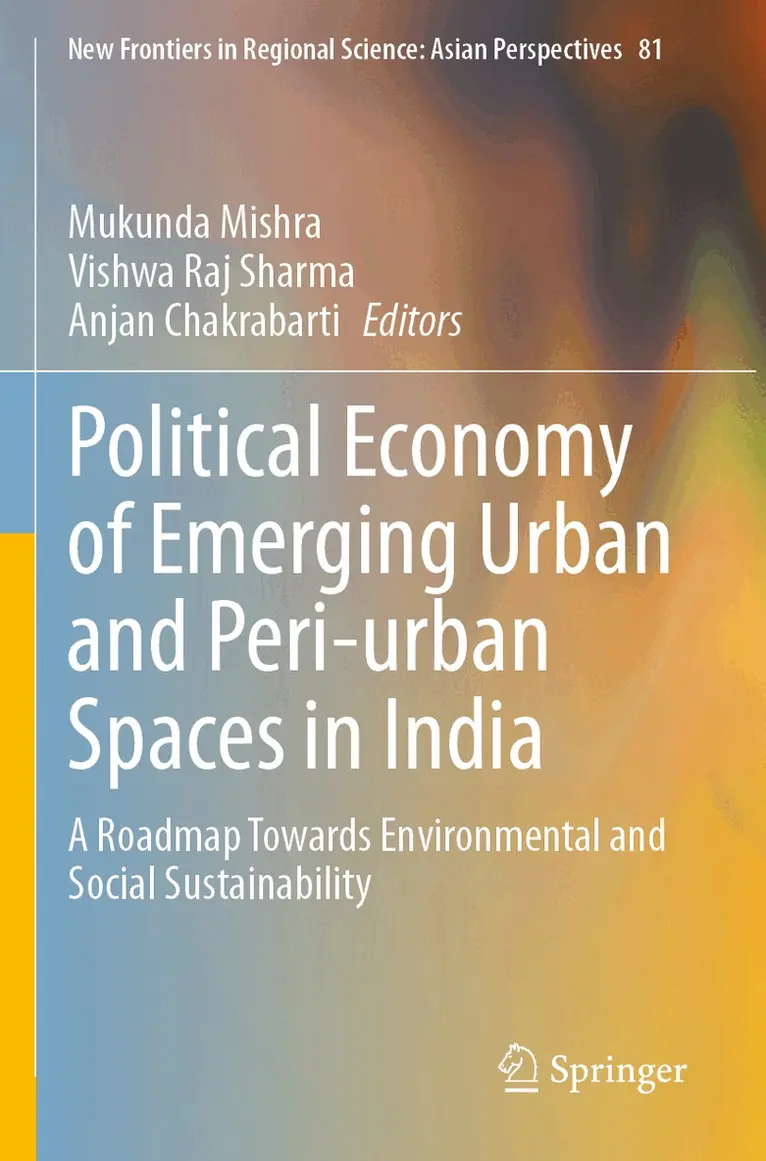
Political Economy of Emerging Urban and Peri-urban Spaces in India
A Roadmap Towards Environmental and Social Sustainability
Av Mukunda Mishra, Vishwa Raj Sharma m. fl.
Häftad, 2026
2469 kr
Lägg i varukorg
This book addresses the “urban” and “peri-urban” spaces in India within a single frame. The reasoning is that while the former is studied for its transformation towards more value addition in terms of power and neoliberal economic viabilities, the latter is the land of visible transformation of the …