W. J. Mander – författare
Visar alla böcker från författaren W. J. Mander. Handla med fri frakt och snabb leverans.
25 produkter
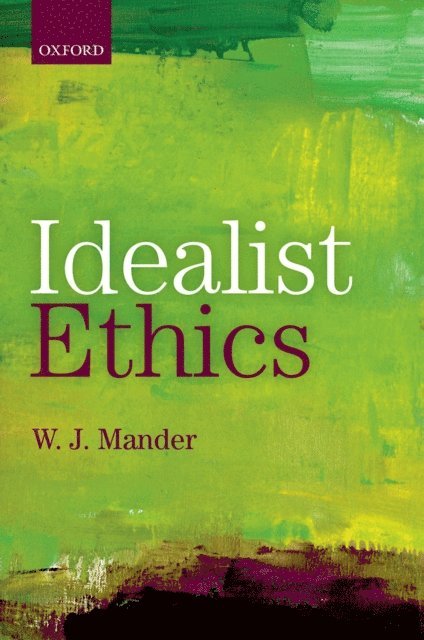
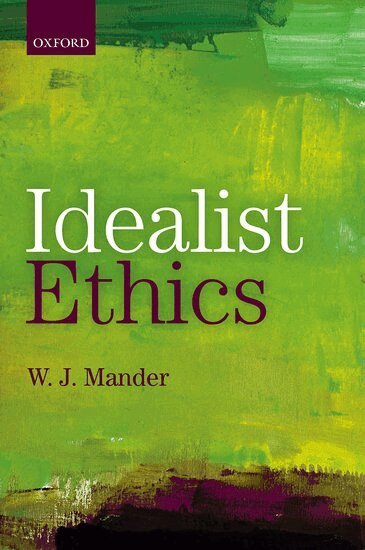
Idealist Ethics
Av W. J. Mander
E-bok, 2016
990 kr
Lägg i varukorg
W. J. Mander examines the nature of idealist ethics, that is to say, the form and content of ethical belief most typically adopted by philosophical idealists. While there exist many studies of the ethical views of individual idealist philosophers there has been no literature at all on the notion of …
Idealist Ethics
Av W. J. Mander
E-bok, 2016
990 kr
Lägg i varukorg
W. J. Mander examines the nature of idealist ethics, that is to say, the form and content of ethical belief most typically adopted by philosophical idealists. While there exist many studies of the ethical views of individual idealist philosophers there has been no literature at all on the notion of …
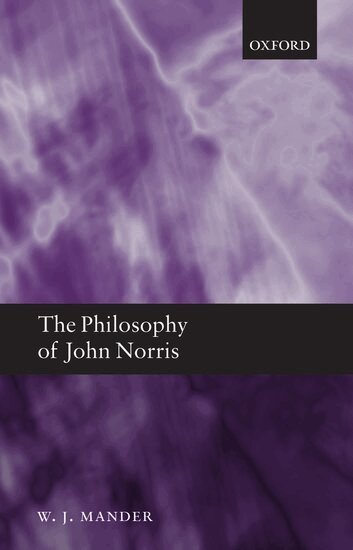
Philosophy of John Norris
Av W. J. Mander
E-bok, 2008
954 kr
Lägg i varukorg
Best known today as one of the earliest critics of John Locke, John Norris (1657-1711) incorporated ideas of Augustine, Malebranche, Plato, the Cambridge Platonists, and the scholastics into an original synthesis that was highly influential on the philosophy and theology of his day. W. J. Mander …
British Idealism: A History
Av W. J. Mander
E-bok, 2011
789 kr
Lägg i varukorg
W. J. Mander presents the first ever synoptic history of British Idealism, the philosophical school which dominated English-language philosophy from the 1860s through to the early years of the following century. Offering detailed examination of the origins, growth, development, and decline of this …
Oxford Handbook of British Philosophy in the Nineteenth Century
Av W. J. Mander
E-bok, 2014
2066 kr
Lägg i varukorg
This volume contains thirty new essays by leading experts on British philosophy in the nineteenth century, and provides a comprehensive and unrivalled resource for advanced students and scholars. As well as the most celebrated figures, such as Mill, Spencer, Sidgwick, and Bradley, the Handbook …
Oxford Handbook of British Philosophy in the Nineteenth Century
Av W. J. Mander
E-bok, 2014
2066 kr
Lägg i varukorg
This volume contains thirty new essays by leading experts on British philosophy in the nineteenth century, and provides a comprehensive and unrivalled resource for advanced students and scholars. As well as the most celebrated figures, such as Mill, Spencer, Sidgwick, and Bradley, the Handbook …
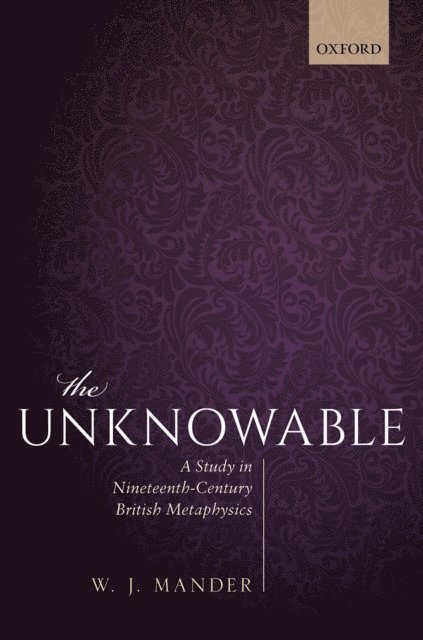
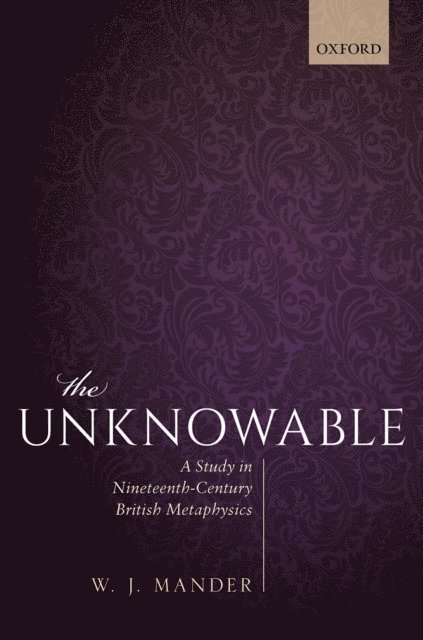
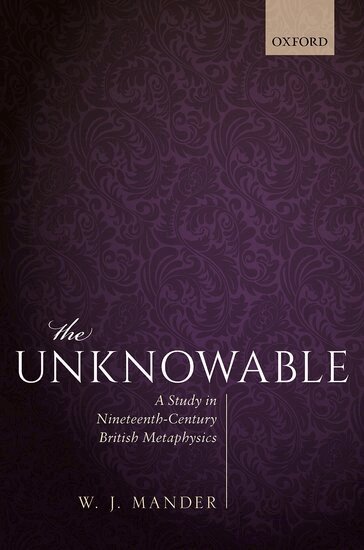
Unknowable
A Study in Nineteenth-Century British Metaphysics
Av W. J. Mander
E-bok, 2020
1247 kr
Lägg i varukorg
W. J. Mander presents a history of metaphysics in nineteenth-century Britain. The story focuses on the elaboration of, and differing reactions to, the concept of the unknowable or unconditioned, first developed by Sir William Hamilton in the 1829. The idea of an ultimate but unknowable way that …
Unknowable
A Study in Nineteenth-Century British Metaphysics
Av W. J. Mander
E-bok, 2020
1247 kr
Lägg i varukorg
W. J. Mander presents a history of metaphysics in nineteenth-century Britain. The story focuses on the elaboration of, and differing reactions to, the concept of the unknowable or unconditioned, first developed by Sir William Hamilton in the 1829. The idea of an ultimate but unknowable way that …
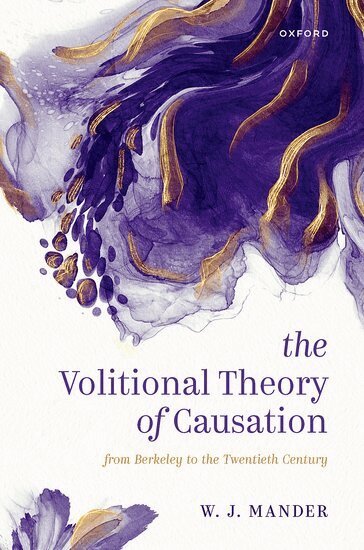
Volitional Theory of Causation
From Berkeley to the Twentieth Century
Av W. J. Mander
E-bok, 2023
1160 kr
Lägg i varukorg
This book presents a history of the volitional theory of causation--the philosophical proposal that volition, or will, of the same or broadly the same stamp as that which we experience in our own deliberate and voluntary doings, should be taken as the basis for all causality. Few today know much …
Volitional Theory of Causation
From Berkeley to the Twentieth Century
Av W. J. Mander
E-bok, 2023
1160 kr
Lägg i varukorg
This book presents a history of the volitional theory of causation--the philosophical proposal that volition, or will, of the same or broadly the same stamp as that which we experience in our own deliberate and voluntary doings, should be taken as the basis for all causality. Few today know much …
The Volitional Theory of Causation
From Berkeley to the Twentieth Century
Av W. J. Mander
Inbunden, 2023
1376 kr
Lägg i varukorg
This book presents a history of the volitional theory of causation--the philosophical proposal that volition, or will, of the same or broadly the same stamp as that which we experience in our own deliberate and voluntary doings, should be taken as the basis for all causality. Few today know much …
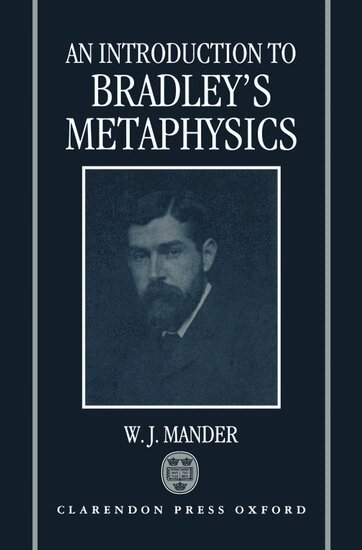
An Introduction to Bradley's Metaphysics
Av W. J. Mander
Inbunden, 1994
3177 kr
Lägg i varukorg
F. H. Bradley was the greatest of the British Idealists, but for much of this century his views have been neglected, primarily as a result of the severe criticism to which they were subjected by Russell and Moore. In recent years, however, there has been a resurgence of interest in and a widespread …
British Idealism: A History
Av W. J. Mander
Häftad, 2014
1133 kr
Lägg i varukorg
W. J. Mander presents the first ever synoptic history of British Idealism, the philosophical school which dominated English-language philosophy from the 1860s through to the early years of the following century. Offering detailed examination of the origins, growth, development, and decline of this …
Idealist Ethics
Av W. J. Mander
Inbunden, 2016
1610 kr
Lägg i varukorg
W. J. Mander examines the nature of idealist ethics, that is to say, the form and content of ethical belief most typically adopted by philosophical idealists. While there exist many studies of the ethical views of individual idealist philosophers there has been no literature at all on the notion of …
The Unknowable
A Study in Nineteenth-Century British Metaphysics
Av W. J. Mander
Inbunden, 2020
1390 kr
Lägg i varukorg
W. J. Mander presents a history of metaphysics in nineteenth-century Britain. The story focuses on the elaboration of, and differing reactions to, the concept of the unknowable or unconditioned, first developed by Sir William Hamilton in the 1829. The idea of an ultimate but unknowable way that …
British Philosophy in the Nineteenth Century
Av W. J. Mander
Inbunden, 2026
488 kr
Lägg i varukorg
This book offers a general and accessible account of British philosophy during the nineteenth century. Looking at debates in ethics, political theory, metaphysics, the philosophy of mind, the philosophy of religion, and the philosophy of science, it takes readers from the revolutionary feminism of …
British Philosophy in the Nineteenth Century
Av W. J. Mander
E-bok, 2026
408 kr
Lägg i varukorg
This book offers a general and accessible account of British philosophy during the nineteenth century. Looking at debates in ethics, political theory, metaphysics, the philosophy of mind, the philosophy of religion, and the philosophy of science, it takes readers from the revolutionary feminism of …
British Philosophy in the Nineteenth Century
Av W. J. Mander
E-bok, 2026
408 kr
Lägg i varukorg
This book offers a general and accessible account of British philosophy during the nineteenth century. Looking at debates in ethics, political theory, metaphysics, the philosophy of mind, the philosophy of religion, and the philosophy of science, it takes readers from the revolutionary feminism of …
The Philosophy of John Norris
Av W. J. Mander
Inbunden, 2008
1720 kr
Lägg i varukorg
Best known today as one of the earliest critics of John Locke, John Norris (1657-1711) incorporated ideas of Augustine, Malebranche, Plato, the Cambridge Platonists, and the scholastics into an original synthesis that was highly influential on the philosophy and theology of his day. W. J. Mander …
British Idealism: A History
Av W. J. Mander
Inbunden, 2011
2110 kr
Lägg i varukorg
W. J. Mander presents the first ever synoptic history of British Idealism, the philosophical school which dominated English-language philosophy from the 1860s through to the early years of the following century. Offering detailed examination of the origins, growth, development, and decline of this …
The Oxford Handbook of British Philosophy in the Nineteenth Century
Inbunden, 2014
3275 kr
Lägg i varukorg
This volume contains thirty new essays by leading experts on British philosophy in the nineteenth century, and provides a comprehensive and unrivalled resource for advanced students and scholars. As well as the most celebrated figures, such as Mill, Spencer, Sidgwick, and Bradley, the Handbook …
Anglo-American Idealism, 1865-1927
Av William Mander, W. J. Mander
Inbunden, 2000
1063 kr
Lägg i varukorg
At the turn of the century, philosophical thinking on both sides of the Atlantic was dominated by the idealist movement, a school of thought that influenced the rise of both pragmatism and analytic philosophy. The essays in this edited collection introduce and critically assess the central themes …
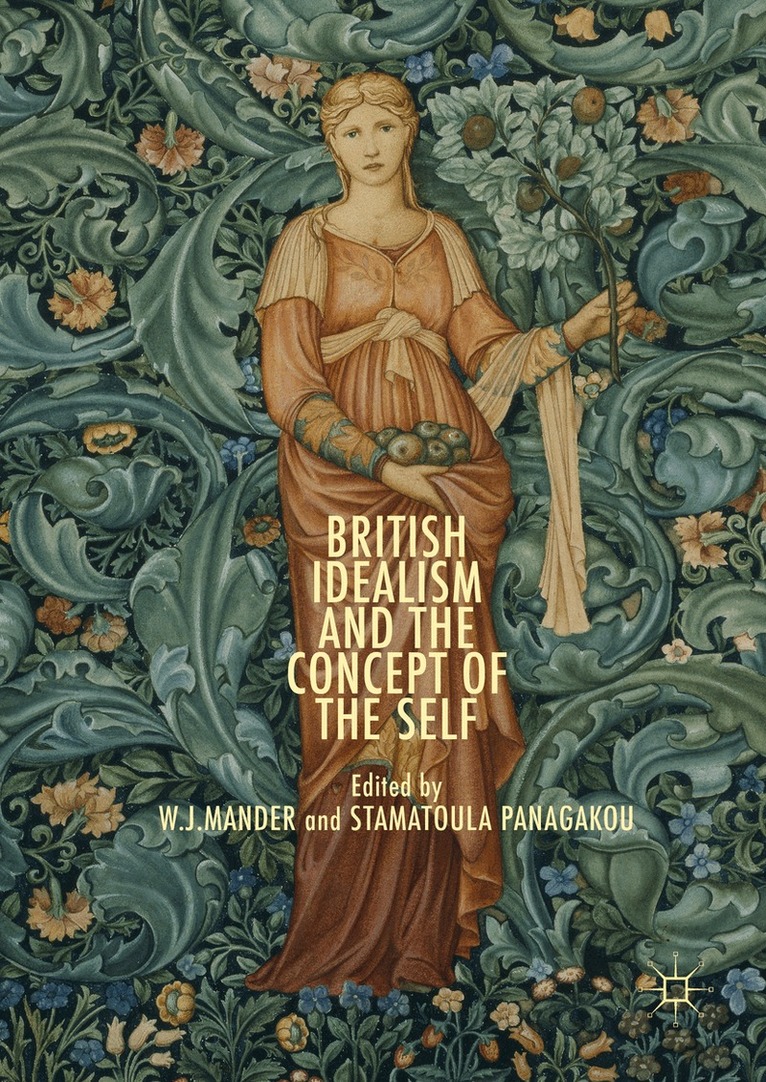
British Idealism and the Concept of the Self
Av W. J. Mander, Stamatoula Panagakou
Inbunden, 2016
1425 kr
Lägg i varukorg
This book reassesses the origins, development and legacy of the philosophy of the British idealists, demonstrating the enduring relevance of their thought for the modern discipline. This body of work coheres around the single unifying theme of the self – a concept of central importance to the …
British Idealism and the Concept of the Self
Av Stamatoula Panagakou, W. J. Mander
E-bok, 2016
1855 kr
Lägg i varukorg
This book reassesses the origins, development and legacy of the philosophy of the British idealists, demonstrating the enduring relevance of their thought for the modern discipline. This body of work coheres around the single unifying theme of the self – a concept of central importance to the …
British Idealism and the Concept of the Self
Av W. J. Mander, Stamatoula Panagakou
Häftad, 2023
1425 kr
Lägg i varukorg
This book reassesses the origins, development and legacy of the philosophy of the British idealists, demonstrating the enduring relevance of their thought for the modern discipline. This body of work coheres around the single unifying theme of the self – a concept of central importance to the …