444 kr
W. Paul Vogt – författare
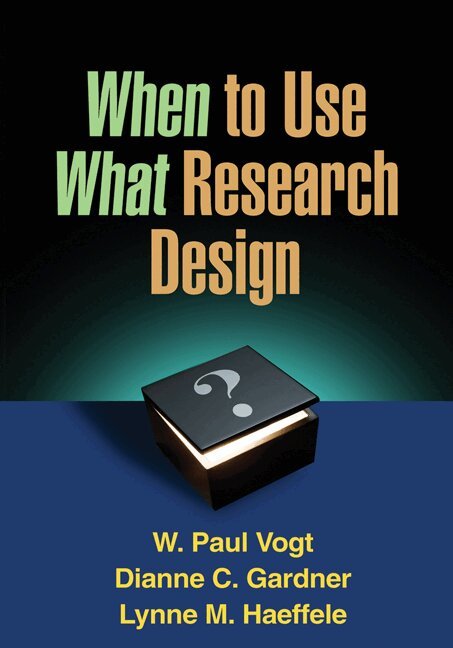
- Häftad, Engelska, 2012Systematic, practical, and accessible, this is the first book to focus on finding the most defensible design for a particular research question. Thoughtful guidelines are provided for weighing the advantages and disadvantages of various methods, including qualitative, quantitative, and mixed methods designs. The book can be read sequentially or readers can dip into chapters on specific stages of research (basic design choices, selecting and sampling participants, addressing ethical issues) or data collection methods (surveys, interviews, experiments, observations, archival studies, and combined methods). Many chapter headings and subheadings are written as questions, helping readers quickly find the answers they need to make informed choices that will affect the later analysis and interpretation of their data. Â Useful features include: *Easy-to-navigate part and chapter structure. *Engaging research examples from a variety of fields. *End-of-chapter tables that summarize the main points covered. *Detailed suggestions for further reading at the end of each chapter.*Integration of data collection, sampling, and research ethics in one volume. *Comprehensive glossary.See also Vogt et al.'s Selecting the Right Analyses for Your Data, which addresses the next steps in coding, analyzing, and interpreting data.
- Häftad, Engelska, 2013
1 365 kr
Skickas inom 3-6 vardagar
In this lively and entertaining book, Robin Wensley guides the reader through the basic analytical approaches to decision making required for more effective management practice.Packed with diagrams, anecdotes and examples which bring the book to life, Effective Management in Practice:
- clearly presents a wide range of management tools, techniques and theoretical insights in just the right amount of depth for current and future managers
- illustrates the need for a balanced approach, emphasizing the importance of the questioning process in clarifying the nature of action proposals and any underlying assumptions
- eschews any approach which advocates one right way but at the same time encourages a greater appreciation of practical issues through analysis and theory
Students of management, academics and any practitioner interested in exploring a range of different approaches to management will enjoy and treasure this book.
- E-bokEngelska, 2012
823 kr
Läs direkt efter köp
Systematic, practical, and accessible, this is the first book to focus on finding the most defensible design for a particular research question. Thoughtful guidelines are provided for weighing the advantages and disadvantages of various methods, including qualitative, quantitative, and mixed methods designs. The book can be read sequentially or readers can dip into chapters on specific stages of research (basic design choices, selecting and sampling participants, addressing ethical issues) or data collection methods (surveys, interviews, experiments, observations, archival studies, and combined methods). Many chapter headings and subheadings are written as questions, helping readers quickly find the answers they need to make informed choices that will affect the later analysis and interpretation of their data. Useful features include:*Easy-to-navigate part and chapter structure.*Engaging research examples from a variety of fields.*End-of-chapter tables that summarize the main points covered.*Detailed suggestions for further reading at the end of each chapter.*Integration of data collection, sampling, and research ethics in one volume.*Comprehensive glossary.See also Vogt et al.''s Selecting the Right Analyses for Your Data, which addresses the next steps in coding, analyzing, and interpreting data.
- Häftad, Engelska, 2014
837 kr
Skickas inom 5-8 vardagar
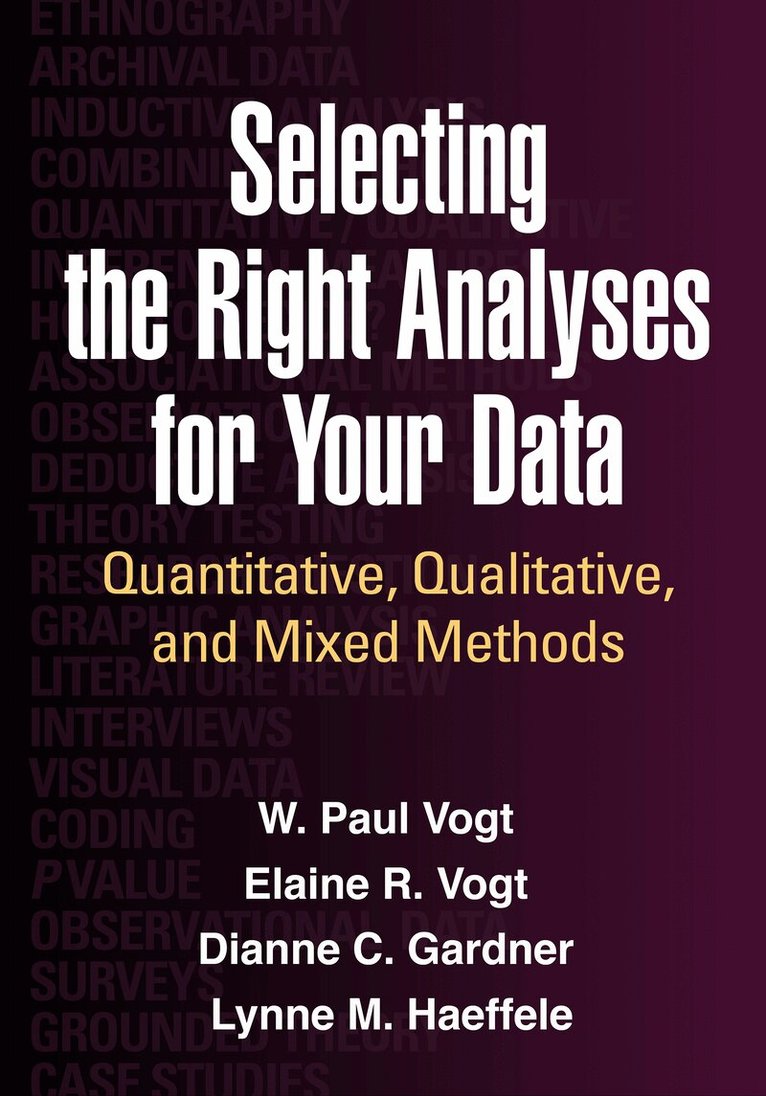
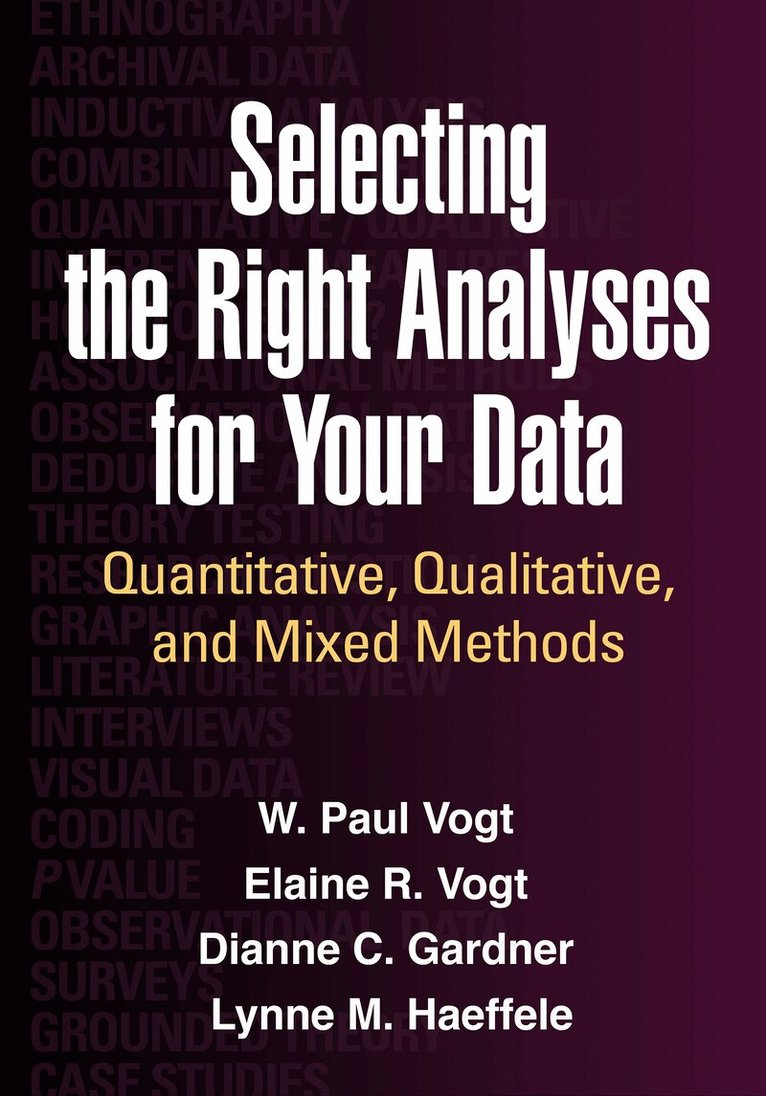
What are the most effective methods to code and analyze data for a particular study? This thoughtful and engaging book reviews the selection criteria for coding and analyzing any set of data--whether qualitative, quantitative, mixed, or visual. The authors systematically explain when to use verbal, numerical, graphic, or combined codes, and when to use qualitative, quantitative, graphic, or mixed-methods modes of analysis. Chapters on each topic are organized so that researchers can read them sequentially or can easily "flip and find" answers to specific questions. Nontechnical discussions of cutting-edge approaches--illustrated with real-world examples--emphasize how to choose (rather than how to implement) the various analyses. The book shows how using the right analysis methods leads to more justifiable conclusions and more persuasive presentations of research results.User-Friendly Features*Chapter-opening preview boxes that highlight useful topics addressed.*End-of-chapter summary tables recapping the 'dos and don'ts' and advantages and disadvantages of each analytic technique.*Annotated suggestions for further reading and technical resources on each topic.See also Vogt et al.'s When to Use What Research Design, which addresses the design and sampling decisions that occur prior to data collection. - Inbunden, Engelska, 2014
1 251 kr
Skickas inom 5-8 vardagar
What are the most effective methods to code and analyze data for a particular study? This thoughtful and engaging book reviews the selection criteria for coding and analyzing any set of data--whether qualitative, quantitative, mixed, or visual. The authors systematically explain when to use verbal, numerical, graphic, or combined codes, and when to use qualitative, quantitative, graphic, or mixed-methods modes of analysis. Chapters on each topic are organized so that researchers can read them sequentially or can easily "flip and find" answers to specific questions. Nontechnical discussions of cutting-edge approaches--illustrated with real-world examples--emphasize how to choose (rather than how to implement) the various analyses. The book shows how using the right analysis methods leads to more justifiable conclusions and more persuasive presentations of research results.User-Friendly Features*Chapter-opening preview boxes that highlight useful topics addressed.*End-of-chapter summary tables recapping the 'dos and don'ts' and advantages and disadvantages of each analytic technique.*Annotated suggestions for further reading and technical resources on each topic.See also Vogt et al.'s When to Use What Research Design, which addresses the design and sampling decisions that occur prior to data collection. - E-bokPDF, Engelska, 2014
988 kr
Läs direkt efter köp
What are the most effective methods to code and analyze data for a particular study? This thoughtful and engaging book reviews the selection criteria for coding and analyzing any set of data--whether qualitative, quantitative, mixed, or visual. The authors systematically explain when to use verbal, numerical, graphic, or combined codes, and when to use qualitative, quantitative, graphic, or mixed-methods modes of analysis. Chapters on each topic are organized so that researchers can read them sequentially or can easily "flip and find" answers to specific questions. Nontechnical discussions of cutting-edge approaches--illustrated with real-world examples--emphasize how to choose (rather than how to implement) the various analyses. The book shows how using the right analysis methods leads to more justifiable conclusions and more persuasive presentations of research results. User-Friendly Features *Chapter-opening preview boxes that highlight useful topics addressed. *End-of-chapter summary tables recapping the 'dos and don'ts' and advantages and disadvantages of each analytic technique. *Annotated suggestions for further reading and technical resources on each topic. See also Vogt et al.'s When to Use What Research Design, which addresses the design and sampling decisions that occur prior to data collection. - E-bokPDF, Engelska, 2017
815 kr
Läs direkt efter köp
Systematic, practical, and accessible, this is the first book to focus on finding the most defensible design for a particular research question. Thoughtful guidelines are provided for weighing the advantages and disadvantages of various methods, including qualitative, quantitative, and mixed methods designs. The book can be read sequentially or readers can dip into chapters on specific stages of research (basic design choices, selecting and sampling participants, addressing ethical issues) or data collection methods (surveys, interviews, experiments, observations, archival studies, and combined methods). Many chapter headings and subheadings are written as questions, helping readers quickly find the answers they need to make informed choices that will affect the later analysis and interpretation of their data. Useful features include:*Easy-to-navigate part and chapter structure.*Engaging research examples from a variety of fields.*End-of-chapter tables that summarize the main points covered.*Detailed suggestions for further reading at the end of each chapter.*Integration of data collection, sampling, and research ethics in one volume.*Comprehensive glossary.See also Vogt et al.''s Selecting the Right Analyses for Your Data, which addresses the next steps in coding, analyzing, and interpreting data.
- E-bokEngelska, 2015
925 kr
Läs direkt efter köp
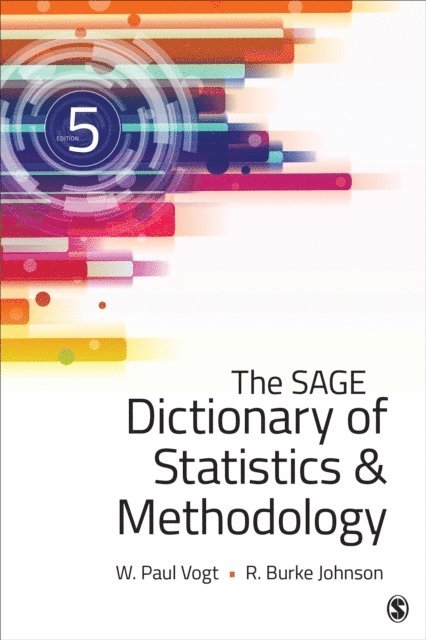
Written in a clear, readable style with a wide range of explanations and examples, this must-have dictionary reflects recent changes in the fields of statistics and methodology. Packed with new definitions, terms, and graphics, this invaluable resource is an ideal reference for researchers and professionals in the field and provides everything students need to read and understand a research report, including elementary terms, concepts, methodology, and design definitions, as well as concepts from qualitative research methods and terms from theory and philosophy.