Wada Haruki – författare
Visar alla böcker från författaren Wada Haruki. Handla med fri frakt och snabb leverans.
4 produkter
4 produkter
Häftad, Engelska, 2018
519 kr
Skickas inom 10-15 vardagar
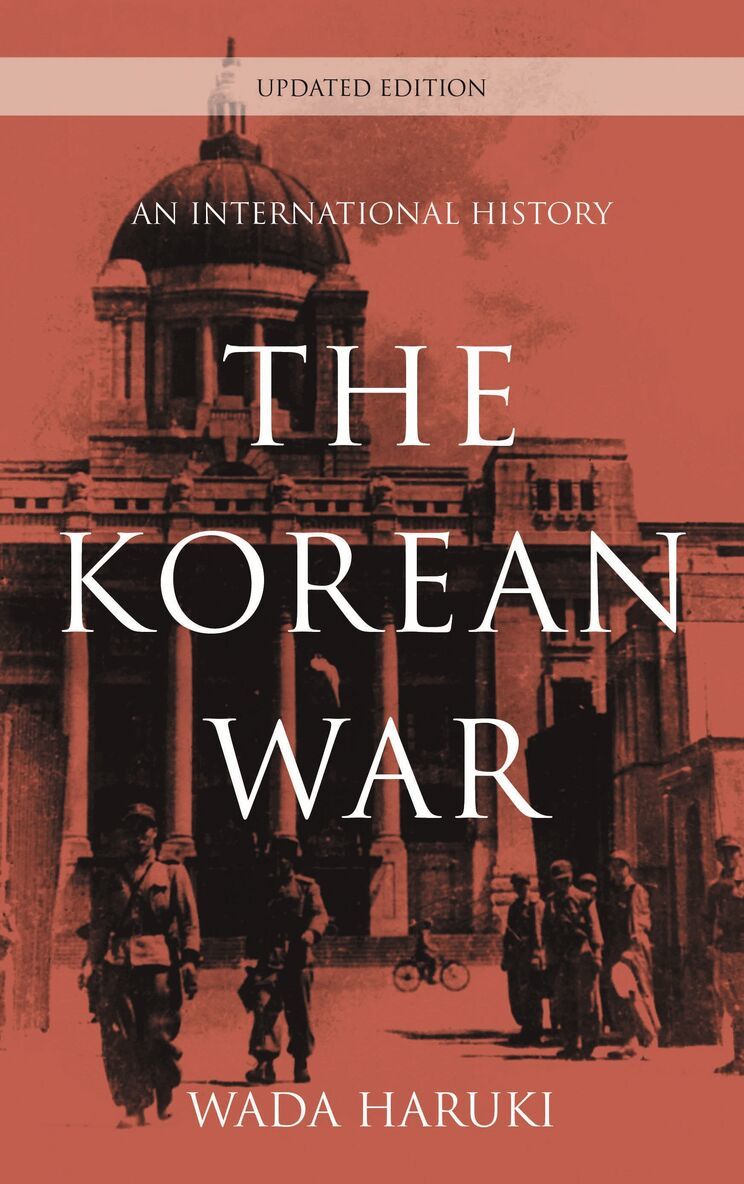
This classic history of the Korean War—from its origins through the armistice—is now available in a paperback edition including a substantive introduction that considers the heightened danger of a new Northeast Asian war as Trump and Kim Jong-un escalate their rhetoric. Wada Haruki, one of the world’s leading scholars of the war, draws on archival and other primary sources in Russia, China, the United States, South Korea, Taiwan, and Japan to provide the first full understanding of the Korean War as an international conflict from the perspective of all the actors involved. Wada traces the North Korean invasion of South Korea in riveting detail, providing new insights into the behavior of Kim Il Sung and Syngman Rhee. He also provides new insights into the behavior of Communist leaders in Korea, China, Russia, Eastern Europe, and their rivals in other nations. He traces the course of the war from its origins in the North and South Korean leaders’ failed attempts to unify their country by force, ultimately escalating into a Sino-American war on the Korean Peninsula. Although sixty-five years have passed since the armistice, the Korean conflict has never really ended. Tensions remain high on the peninsula as Washington and Pyongyang, as well as Seoul and Pyongyang, continue to face off. It is even more timely now to address the origins of the Korean War, the nature of the confrontation, and the ways in which it affects the geopolitical landscape of Northeast Asia and the Pacific region. With his unmatched ability to draw on sources from every country involved, Wada paints a rich and full portrait of a conflict that continues to generate controversy.
Inbunden, Engelska, 2018
1 146 kr
Skickas inom 10-15 vardagar
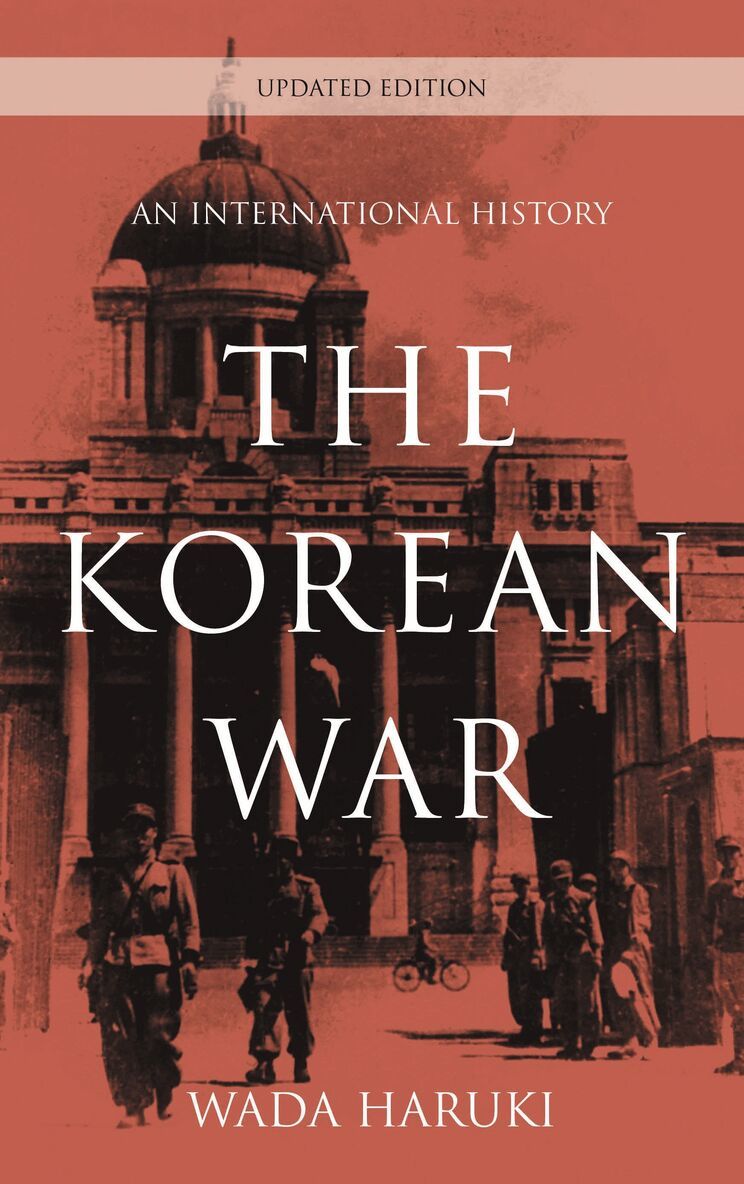
This classic history of the Korean War—from its origins through the armistice—is now available in a paperback edition including a substantive introduction that considers the heightened danger of a new Northeast Asian war as Trump and Kim Jong-un escalate their rhetoric. Wada Haruki, one of the world’s leading scholars of the war, draws on archival and other primary sources in Russia, China, the United States, South Korea, Taiwan, and Japan to provide the first full understanding of the Korean War as an international conflict from the perspective of all the actors involved. Wada traces the North Korean invasion of South Korea in riveting detail, providing new insights into the behavior of Kim Il Sung and Syngman Rhee. He also provides new insights into the behavior of Communist leaders in Korea, China, Russia, Eastern Europe, and their rivals in other nations. He traces the course of the war from its origins in the North and South Korean leaders’ failed attempts to unify their country by force, ultimately escalating into a Sino-American war on the Korean Peninsula. Although sixty-five years have passed since the armistice, the Korean conflict has never really ended. Tensions remain high on the peninsula as Washington and Pyongyang, as well as Seoul and Pyongyang, continue to face off. It is even more timely now to address the origins of the Korean War, the nature of the confrontation, and the ways in which it affects the geopolitical landscape of Northeast Asia and the Pacific region. With his unmatched ability to draw on sources from every country involved, Wada paints a rich and full portrait of a conflict that continues to generate controversy.
Inbunden, Engelska, 2026
1 604 kr
Skickas inom 10-15 vardagar
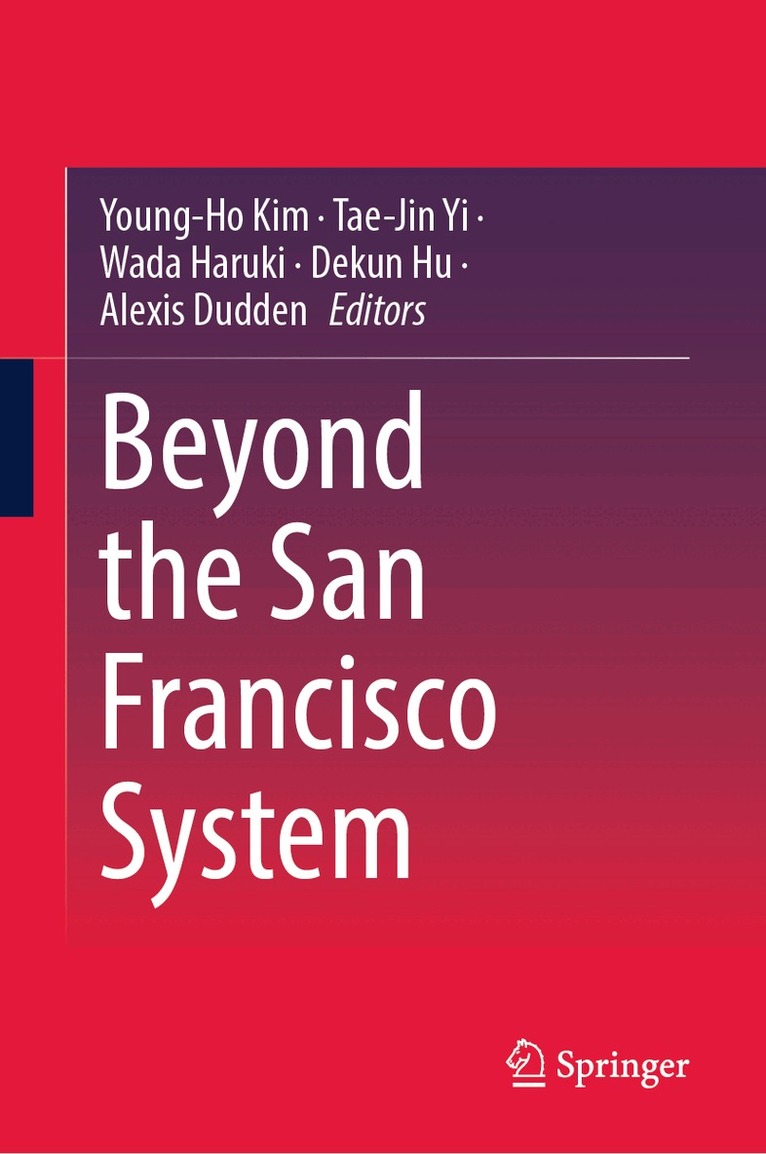
This book, a eight-year interdisciplinary collaboration involving experts in international politics, law, economics, and history from six countries, meticulously analyzes the San Francisco Peace Treaty System and its profound implications. It critically examines how this system reflected the victim-centric approach of the United Nations while offering a crucial counter perspective from colonial and semi-colonial nations such as Korea and China, notably excluded from its initial formulation. The study specifically re-evaluates the treaty's impact through the crucial lens of human rights, addressing issues such as Japanese military sexual slavery and the Okinawa problem. In addition, the book meticulously tracks the subsequent 72-year evolution of this system in direct relation to the significant economic development and dynamic growth of civil society across East Asian regions. It compellingly argues that the ongoing Indo-Pacific collective security regime, strategically encircling China, represents a contemporary iteration, referred to as San Francisco System 2.0, drawing a clear distinction from its predecessor, San Francisco System 1.0. Ultimately, the focus is on an extensive exploration of the essential conditions required for establishing a truly genuine and lasting system of peace in the region.
E-bok
Engelska, 20261 960 kr
Läs direkt efter köp
This book, a eight-year interdisciplinary collaboration involving experts in international politics, law, economics, and history from six countries, meticulously analyzes the San Francisco Peace Treaty System and its profound implications. It critically examines how this system reflected the victim-centric approach of the United Nations while offering a crucial counter perspective from colonial and semi-colonial nations such as Korea and China, notably excluded from its initial formulation. The study specifically re-evaluates the treaty's impact through the crucial lens of human rights, addressing issues such as Japanese military sexual slavery and the Okinawa problem. In addition, the book meticulously tracks the subsequent 72-year evolution of this system in direct relation to the significant economic development and dynamic growth of civil society across East Asian regions. It compellingly argues that the ongoing Indo-Pacific collective security regime, strategically encircling China, represents a contemporary iteration, referred to as San Francisco System 2.0, drawing a clear distinction from its predecessor, San Francisco System 1.0. Ultimately, the focus is on an extensive exploration of the essential conditions required for establishing a truly genuine and lasting system of peace in the region.