Warren Green - Böcker
Visar alla böcker från författaren Warren Green. Handla med fri frakt och snabb leverans.
6 produkter
6 produkter
2 420 kr
Skickas inom 3-6 vardagar
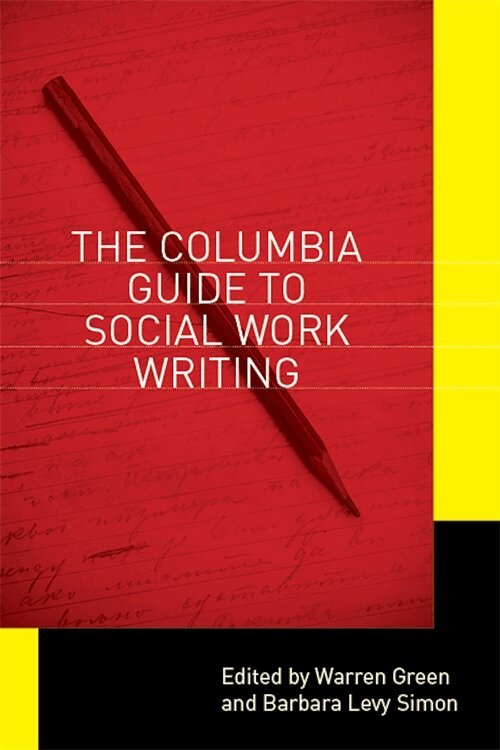
Social work practitioners write for a variety of publications, and they are expected to show fluency in a number of related fields. Whether the target is a course instructor, scholarly journal, fellowship organization, or general news outlet, social workers must be clear, persuasive, and comprehensive in their writing, especially on provocative subjects. This first-of-its-kind guide features top scholars and educators providing a much-needed introduction to social work writing and scholarship. Foregrounding the process of social work writing, the coeditors particularly emphasize how to think about and approach one's subject in a productive manner. The guide begins with an overview of social work writing from the 1880s to the present, and then follows with ideal strategies for academic paper writing, social work journal writing, and social work research writing. A section on applied professional writing addresses student composition in field education, writing for and about clinical practice, the effective communication of policy information to diverse audiences, program and proposal development, advocacy, and administrative writing.The concluding section focuses on specific fields of practice, including writing on child and family welfare, contemporary social issues, aging, and intervention in global contexts. Grounding their essays in systematic observations, induction and deduction, and a wealth of real-world examples, the contributors describe the conceptualization, development, and presentation of social work writing in ways that better secure its power and relevance.
323 kr
Skickas inom 7-10 vardagar
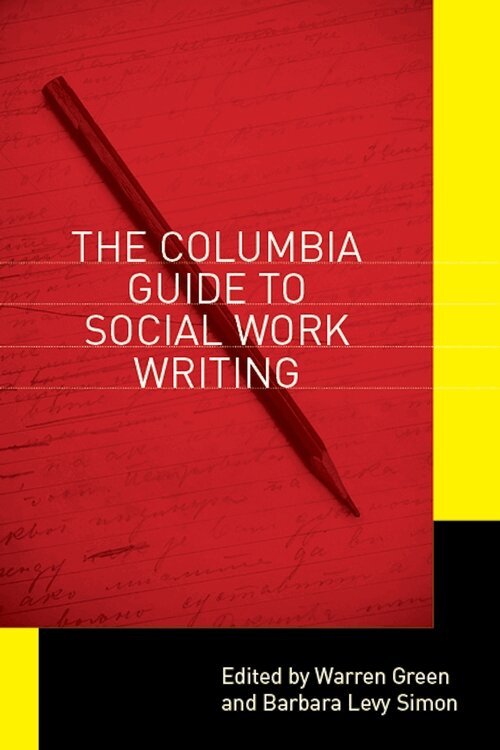
Social work practitioners write for a variety of publications, and they are expected to show fluency in a number of related fields. Whether the target is a course instructor, scholarly journal, fellowship organization, or general news outlet, social workers must be clear, persuasive, and comprehensive in their writing, especially on provocative subjects. This first-of-its-kind guide features top scholars and educators providing a much-needed introduction to social work writing and scholarship. Foregrounding the process of social work writing, the coeditors particularly emphasize how to think about and approach one's subject in a productive manner. The guide begins with an overview of social work writing from the 1880s to the present, and then follows with ideal strategies for academic paper writing, social work journal writing, and social work research writing. A section on applied professional writing addresses student composition in field education, writing for and about clinical practice, the effective communication of policy information to diverse audiences, program and proposal development, advocacy, and administrative writing.The concluding section focuses on specific fields of practice, including writing on child and family welfare, contemporary social issues, aging, and intervention in global contexts. Grounding their essays in systematic observations, induction and deduction, and a wealth of real-world examples, the contributors describe the conceptualization, development, and presentation of social work writing in ways that better secure its power and relevance.
822 kr
Skickas inom 10-15 vardagar
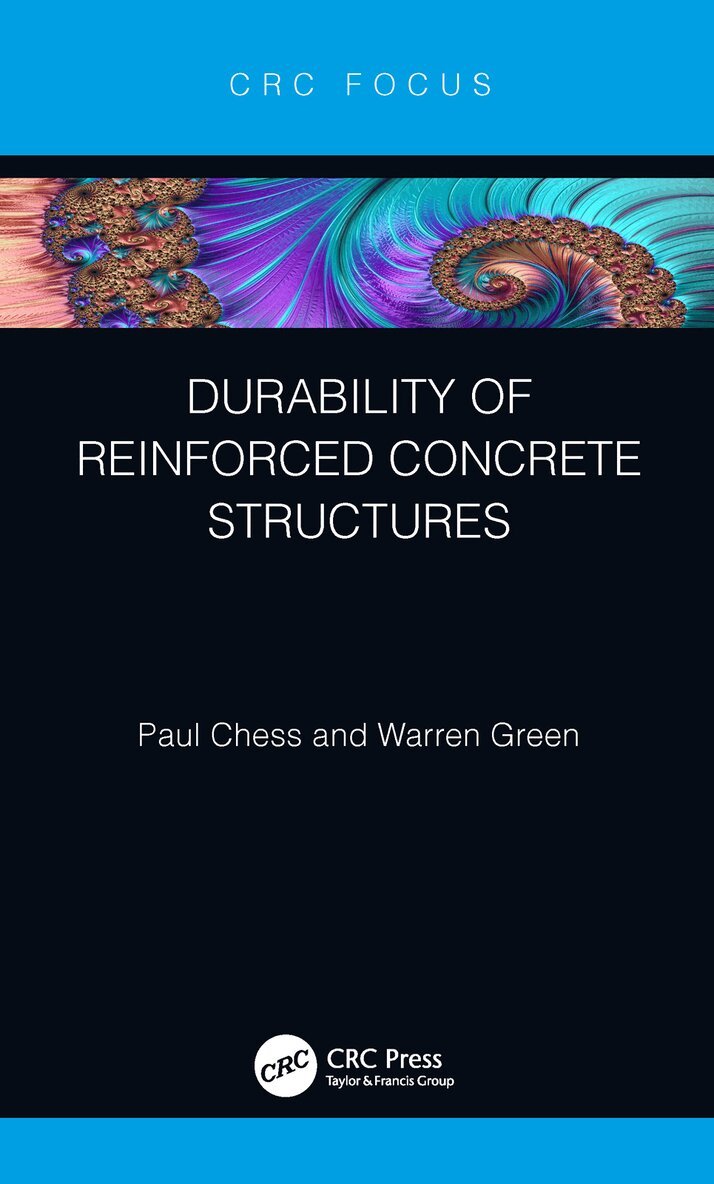
Reinforced concrete structures corrode as they age, with significant financial implications, but it is not immediately clear why some are more durable than others. This book looks at the mechanisms for corrosion and how corrosion engineering can be used for these problems to be minimized in future projects. Several different examples of reinforced concrete structures with corrosion problems are described and the various life enhancement solutions considered and applied are discussed. The book includes a chapter on the effectiveness of corrosion monitoring techniques and questions why the reality is at odds with current theory and standards.Specialist contractors, consultants and owners of corrosion damaged structures will find this an extremely useful resource. It will also be a valuable reference for students at postgraduate level.
2 385 kr
Skickas inom 10-15 vardagar
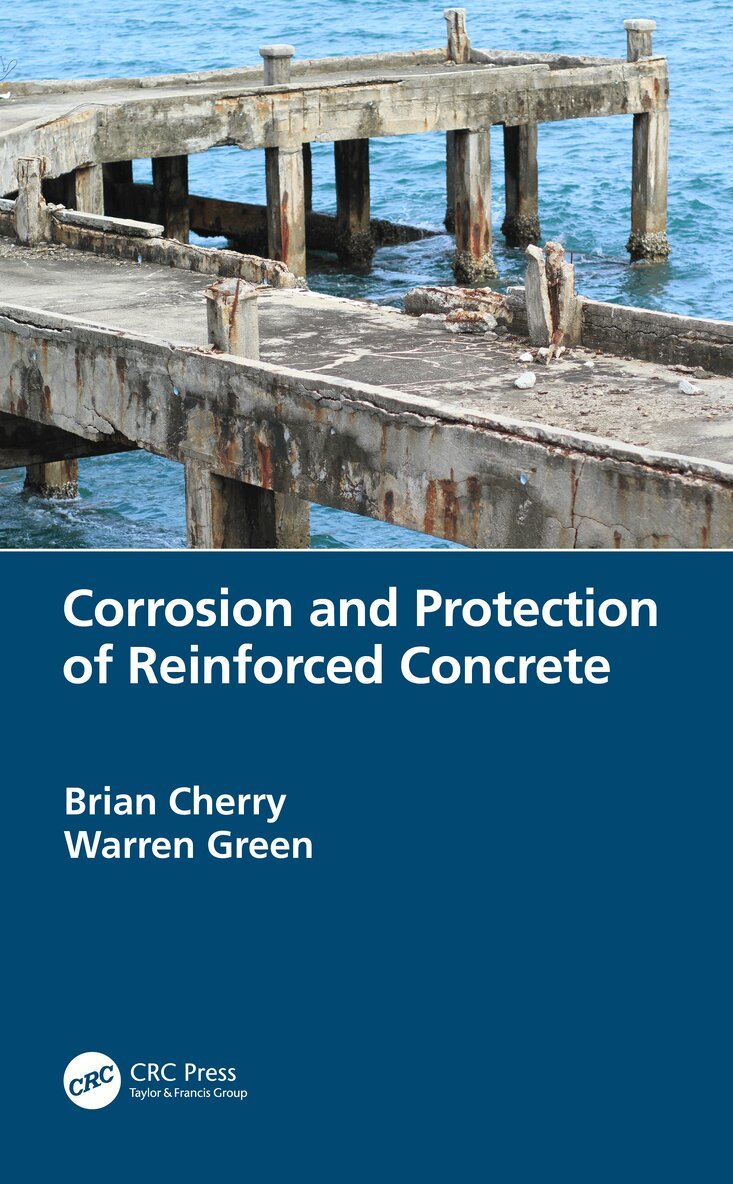
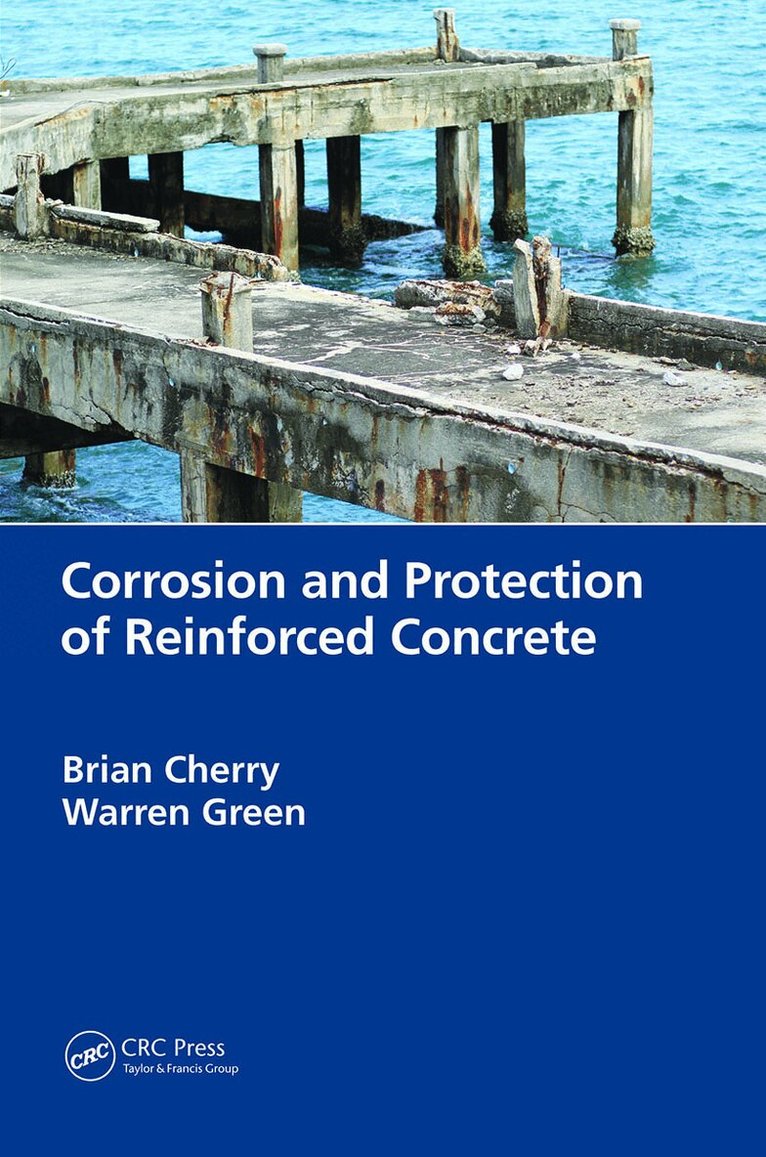
Reinforced concrete is the most widely used construction material in the world, and extended performance is rightly expected. Many structures are in aggressive environments, of critical importance and may be irreplaceable, so repair and protection are vital. This book surveys deterioration of concrete, particularly corrosion of the steel reinforcement, and the various chemical, biological, physical and mechanical causes of deterioration. It outlines condition survey and diagnosis techniques by on-site and laboratory measurements. It sets out mechanical methods of protection and repair, such as patching, inhibitors, coatings, penetrants and structural strengthening as well as cathodic protection and other electrochemical methods. This book also gives guidance on preventative measures including concrete technology and construction considerations, coatings and penetrants, alternate reinforcement, permanent corrosion monitoring and durability planning aspects.Asset managers, port engineers, bridge maintenance managers, building managers, heritage structure engineers, plant engineers, consulting engineers, architects, specialist contractors and construction material suppliers who have the task of resolving problems of corrosion of steel reinforced concrete elements will find this book an extremely useful resource. It will also be a valuable reference for students at postgraduate level.AuthorsThe late Professor Brian Cherry of Monash University, Melbourne, Australia was one of the world’s leading corrosion science and engineering educators and researchers.Warren Green of Vinsi Partners, Sydney, Australia is a corrosion engineer and materials scientist. He is also an Adjunct Associate Professor.
958 kr
Skickas inom 10-15 vardagar
Reinforced concrete is the most widely used construction material in the world, and extended performance is rightly expected. Many structures are in aggressive environments, of critical importance and may be irreplaceable, so repair and protection are vital. This book surveys deterioration of concrete, particularly corrosion of the steel reinforcement, and the various chemical, biological, physical and mechanical causes of deterioration. It outlines condition survey and diagnosis techniques by on-site and laboratory measurements. It sets out mechanical methods of protection and repair, such as patching, inhibitors, coatings, penetrants and structural strengthening as well as cathodic protection and other electrochemical methods. This book also gives guidance on preventative measures including concrete technology and construction considerations, coatings and penetrants, alternate reinforcement, permanent corrosion monitoring and durability planning aspects.Asset managers, port engineers, bridge maintenance managers, building managers, heritage structure engineers, plant engineers, consulting engineers, architects, specialist contractors and construction material suppliers who have the task of resolving problems of corrosion of steel reinforced concrete elements will find this book an extremely useful resource. It will also be a valuable reference for students at postgraduate level.AuthorsThe late Professor Brian Cherry of Monash University, Melbourne, Australia was one of the world’s leading corrosion science and engineering educators and researchers.Warren Green of Vinsi Partners, Sydney, Australia is a corrosion engineer and materials scientist. He is also an Adjunct Associate Professor.
347 kr
Skickas inom 10-15 vardagar
Reinforced concrete structures corrode as they age, with significant financial implications, but it is not immediately clear why some are more durable than others. This book looks at the mechanisms for corrosion and how corrosion engineering can be used for these problems to be minimized in future projects. Several different examples of reinforced concrete structures with corrosion problems are described and the various life enhancement solutions considered and applied are discussed. The book includes a chapter on the effectiveness of corrosion monitoring techniques and questions why the reality is at odds with current theory and standards.Specialist contractors, consultants and owners of corrosion damaged structures will find this an extremely useful resource. It will also be a valuable reference for students at postgraduate level.