Wayne Cristaudo - Böcker
Visar alla böcker från författaren Wayne Cristaudo. Handla med fri frakt och snabb leverans.
10 produkter
10 produkter
1 006 kr
Skickas inom 10-15 vardagar
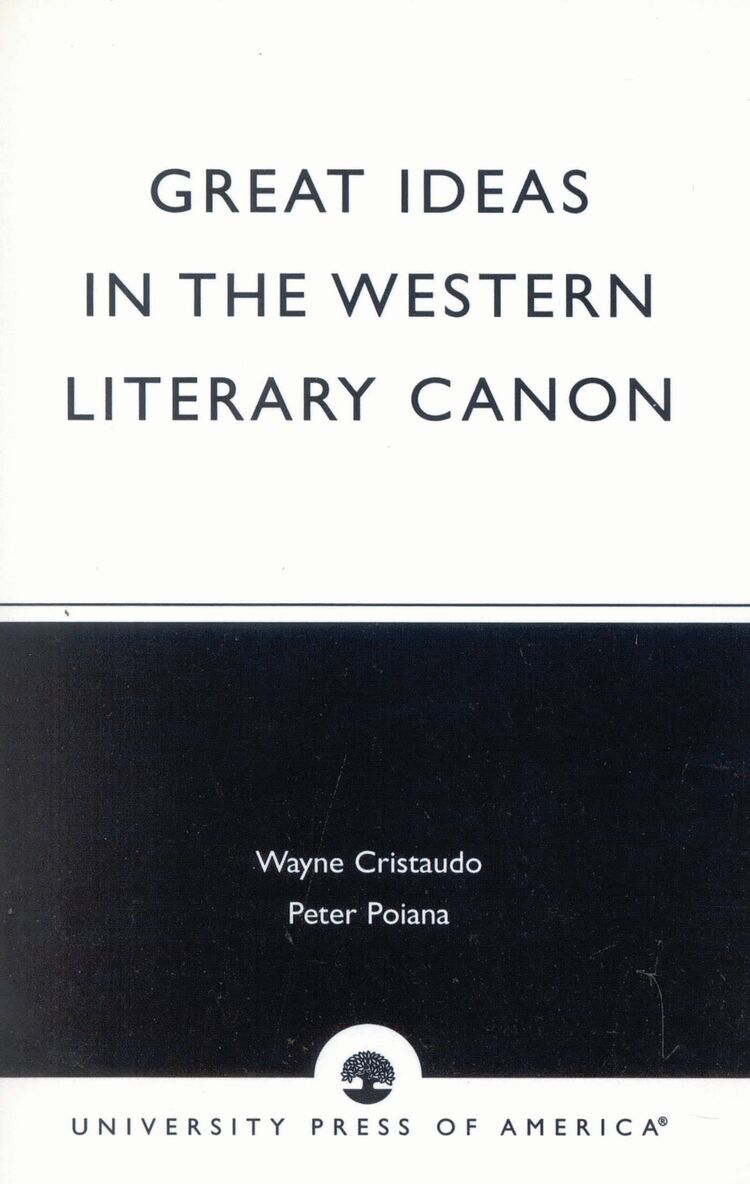
This book examines 'great ideas'- the term used generically to refer to the deep-seated anxieties that art, religion and philosophy all seek to address- in relation to a selection of great literary texts. The texts chosen are those that remain, often centuries after their appearance, beacons of illumination and wisdom. The twelve chapters of this book each deal with one great text and the central idea that propels it. The ideas are examined as events possessed of their own field of resonance, and it is by tracing them in their narrative, dramatic or lyrical development that one can appreciate how these great texts speak as powerfully as they do to generations of readers.
From Faith in Reason to Reason in Faith
Transformations in Philosophical Theology from the Eighteenth to Twentieth Centuries
Häftad, Engelska, 2011
568 kr
Skickas inom 10-15 vardagar
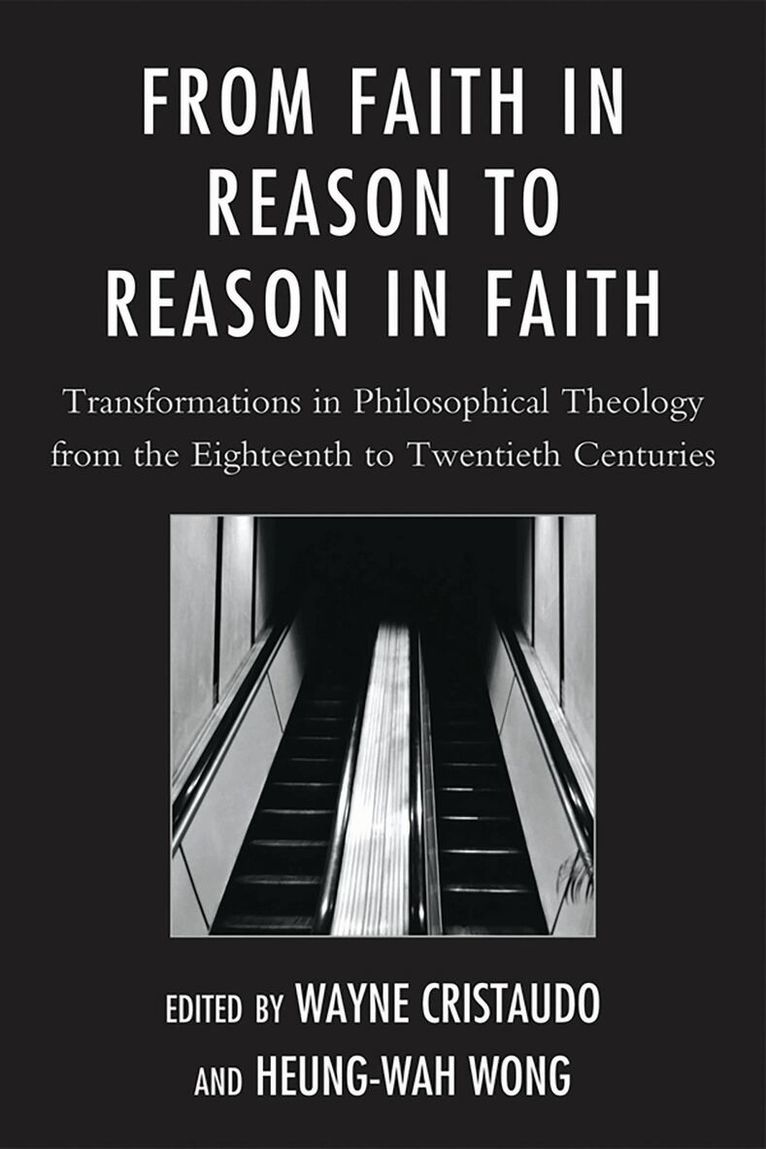
If the philosophers of the Enlightenment had hoped to establish, once and for all, that reason is the primary source of human orientation, twentieth century philosophy has demonstrated all too clearly that reason is far from having clear boundaries. In this respect, Immanuel Kant’s contemporaries and critics, Johann Georg Hamann and Friedrich Heinrich Jacobi, look surprisingly modern. Faith is now increasingly recognized as intrinsic to social identity and thus no more capable of taking a permanently subordinate role to reason—whatever that may be—than reason is capable of an existence free from social embodiment. This collection of thirteen essays focuses upon major philosophical and theological debates from the past three hundred years. Written by leading international scholars, this remarkable text takes the reader through major transitions in the modern understanding of faith and reason. It thus provides an invaluable guide to the history of modern philosophical theology whilst informing readers why the relationship between faith and reason remains an issue of major social and philosophical importance.
683 kr
Skickas inom 10-15 vardagar
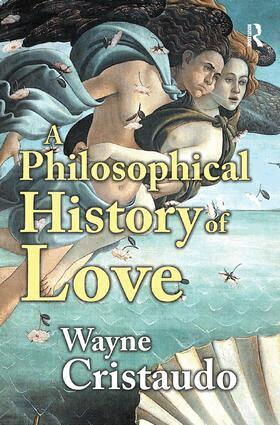
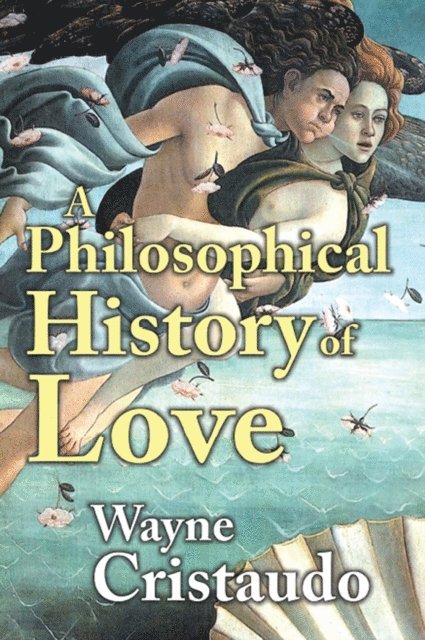
A Philosophical History of Love explores the importance and development of love in the Western world. Wayne Cristaudo argues that love is a materializing force, a force consisting of various distinctive qualities or spirits. He argues that we cannot understand Western civilization unless we realize that, within its philosophical and religious heritage, there is a deep and profound recognition of love's creative and redemptive power. Cristaudo explores philosophical love (the love of wisdom) and the love of God and neighbor. The history of the West is equally a history of phantasmic versions of love and the thwarting of love. Thus, the history of our hells may be seen as the history of love's distortions and the repeated pseudo-victories of our preferences for the phantasms of love. Cristaudo argues that the catastrophes from our phantasmic loves threaten to extinguish us, forcing us repeatedly to open ourselves to new possibilities of love, to new spirits. Fusing philosophy, literature, theology, psychology, and anthropology, the volume reviews major thinkers in the field, from Plato and Freud, to Pierce, Shakespeare, and Flaubert. Cristaudo explores the major themes of love of the Church, romantic love and the return of the feminine, the conflict between familial and romantic love, love in a meaningless world and the love of evil, and the evolutionary idea of love. With Cristaudo, the reader embarks on a journey not just through time, but also through the different kinds, origins, and spirits of love.
2 103 kr
Skickas inom 10-15 vardagar
A Philosophical History of Love explores the importance and development of love in the Western world. Wayne Cristaudo argues that love is a materializing force, a force consisting of various distinctive qualities or spirits. He argues that we cannot understand Western civilization unless we realize that, within its philosophical and religious heritage, there is a deep and profound recognition of love's creative and redemptive power. Cristaudo explores philosophical love (the love of wisdom) and the love of God and neighbor. The history of the West is equally a history of phantasmic versions of love and the thwarting of love. Thus, the history of our hells may be seen as the history of love's distortions and the repeated pseudo-victories of our preferences for the phantasms of love. Cristaudo argues that the catastrophes from our phantasmic loves threaten to extinguish us, forcing us repeatedly to open ourselves to new possibilities of love, to new spirits. Fusing philosophy, literature, theology, psychology, and anthropology, the volume reviews major thinkers in the field, from Plato and Freud, to Pierce, Shakespeare, and Flaubert. Cristaudo explores the major themes of love of the Church, romantic love and the return of the feminine, the conflict between familial and romantic love, love in a meaningless world and the love of evil, and the evolutionary idea of love. With Cristaudo, the reader embarks on a journey not just through time, but also through the different kinds, origins, and spirits of love.
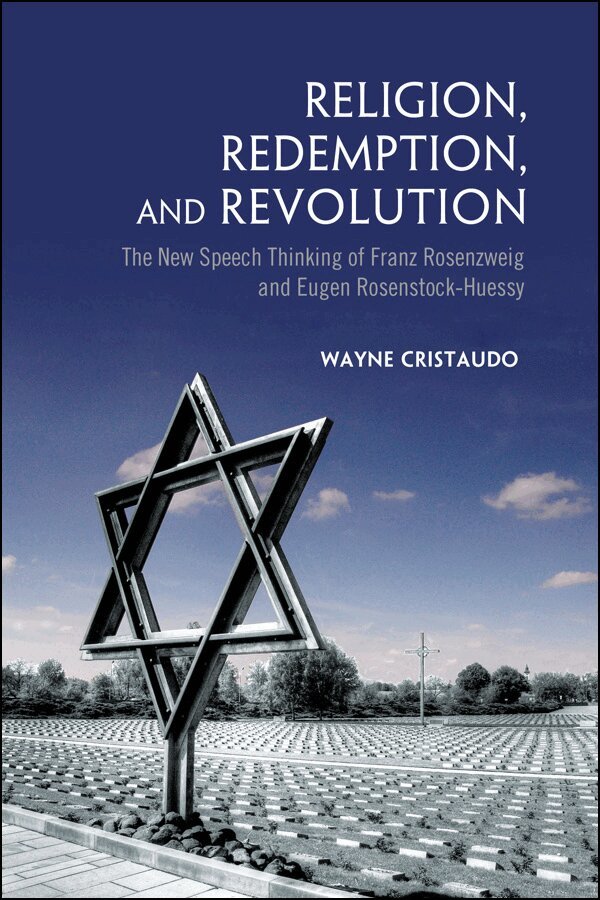
Religion, Redemption and Revolution
The New Speech Thinking Revolution of Franz Rozenzweig and Eugen Rosenstock-Huessy
Häftad, Engelska, 2022
584 kr
Skickas inom 7-10 vardagar
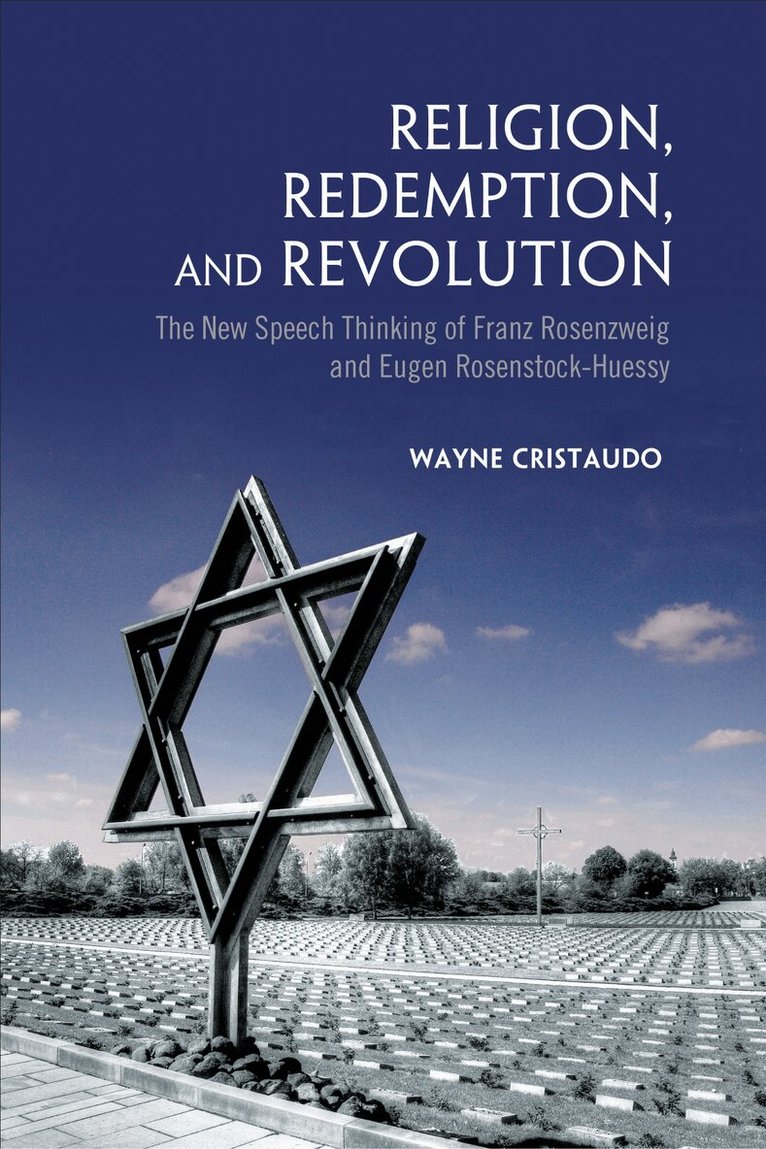
Religion, Redemption, and Revolution closely examines the intertwined intellectual development of one of the most important Jewish thinkers of the twentieth century, Franz Rosenzweig, and his friend and teacher, Christian sociologist Eugen Rosenstock-Huessy. The first major English work on Rosenstock-Huessy, it also provides a significant reinterpretation of Rosenzweig's writings based on the thinkers' shared insights — including their critique of modern Western philosophy, and their novel conception of speech.This groundbreaking bookprovides a detailed examination of their ‘new speech thinking’ paradigm, a model grounded in the faith traditions of Judaism and Christianity. Wayne Cristaudo contrasts this paradigm against the radical liberalism that has dominated social theory for the last fifty years. Religion, Redemption, and Revolution provides powerful arguments for the continued relevance of Rosenzweig and Rosenstock-Huessy's work in navigating the religious, social, and political conflicts we now face.
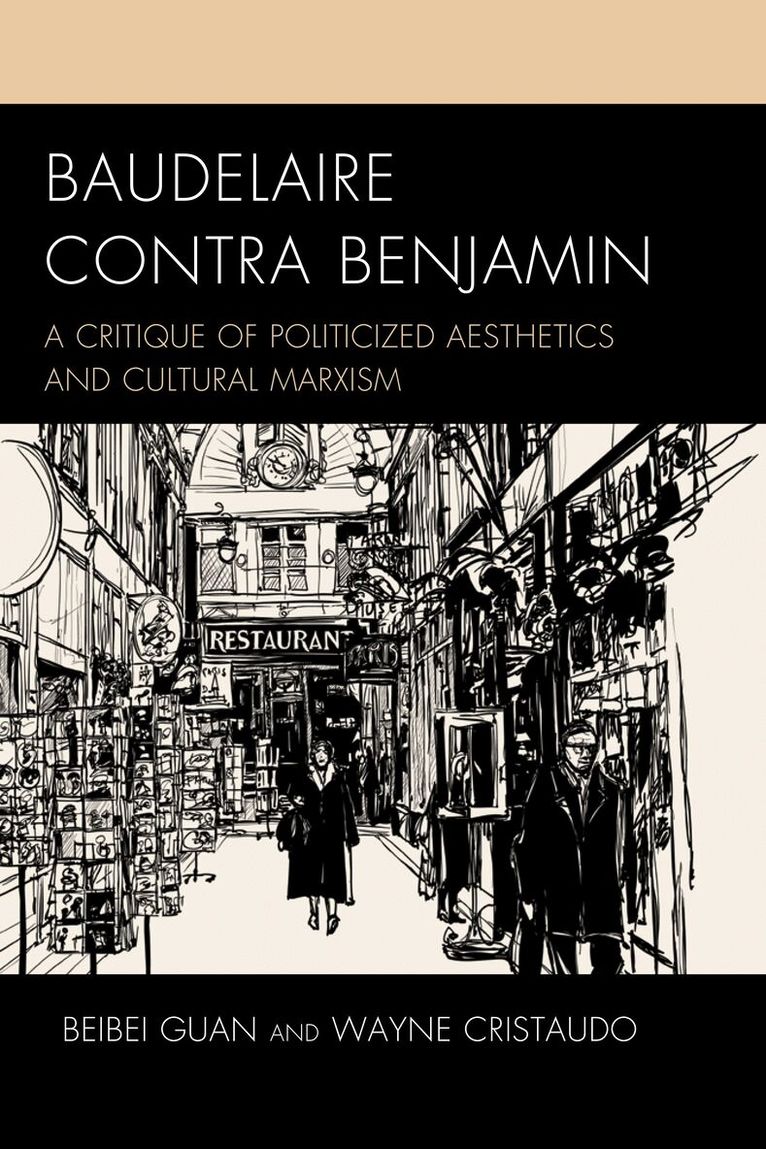
Baudelaire Contra Benjamin
A Critique of Politicized Aesthetics and Cultural Marxism
Inbunden, Engelska, 2019
1 391 kr
Skickas inom 10-15 vardagar
This book offers the first sustained argument against the philosophy of Walter Benjamin and his readings of Charles Baudelaire. More broadly, it is also a critique of politicized aesthetics and cultural Marxism, of which Benjamin is a pioneering and emblematic figure. Cristaudo and Beibei argue that Baudelaire was not mistaken in refusing to subject aesthetics to morality and politics. Baudelaire’s refusal was based on the recognition that existential matters, such as sickness, evil, death, sexual longing, melancholy, and beauty itself—all themes at the center of his poetry—are by nature intrinsically supra-political. By contrast, Benjamin’s faith in political redemption, while breaking with the enlightenment’s faith in progress, nevertheless conforms to another core element of faith of the enlightenment, via faith in the ability of morals and politics to liberate humanity. The authors make the case that Benjamin’s understanding of politics is severely deficient because it is not sufficiently versed in an understanding of economics or the nature of class interests, and that Marx’s own theory of economics is fundamentally deficient and creates an insurmountable problem for those deferring to a future industrial society free from capitalism.
Baudelaire Contra Benjamin
A Critique of Politicized Aesthetics and Cultural Marxism
Häftad, Engelska, 2021
561 kr
Skickas inom 10-15 vardagar
This book offers the first sustained argument against the philosophy of Walter Benjamin and his readings of Charles Baudelaire. More broadly, it is also a critique of politicized aesthetics and cultural Marxism, of which Benjamin is a pioneering and emblematic figure. Cristaudo and Beibei argue that Baudelaire was not mistaken in refusing to subject aesthetics to morality and politics. Baudelaire’s refusal was based on the recognition that existential matters, such as sickness, evil, death, sexual longing, melancholy, and beauty itself—all themes at the center of his poetry—are by nature intrinsically supra-political. By contrast, Benjamin’s faith in political redemption, while breaking with the enlightenment’s faith in progress, nevertheless conforms to another core element of faith of the enlightenment, via faith in the ability of morals and politics to liberate humanity. The authors make the case that Benjamin’s understanding of politics is severely deficient because it is not sufficiently versed in an understanding of economics or the nature of class interests, and that Marx’s own theory of economics is fundamentally deficient and creates an insurmountable problem for those deferring to a future industrial society free from capitalism.
661 kr
Skickas inom 11-20 vardagar
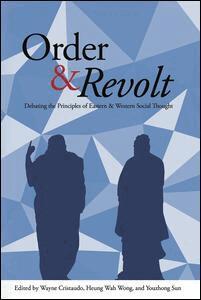
These original essays debate two ways of theorizing social life. One way is the integrative or holistic model of thought typified in the writings of Confucius. The other, the revolutionary tradition, is suspicious of holism and harmony as principles of social thought because harmony is seen as something that can genuinely occur only when a society has rectified deeply ingrained injustice. This volume evaluates the alternative priorities of order and revolt, harmony and spontaneity, in social life.
1 476 kr
Skickas inom 10-15 vardagar
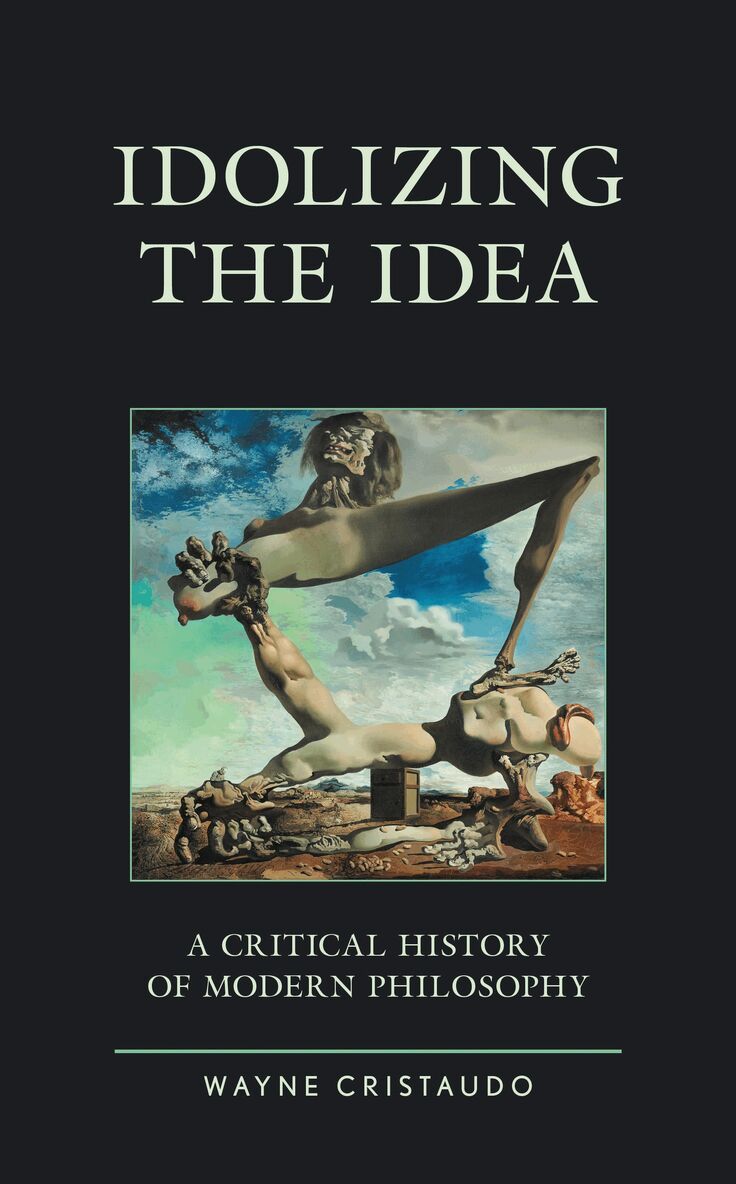
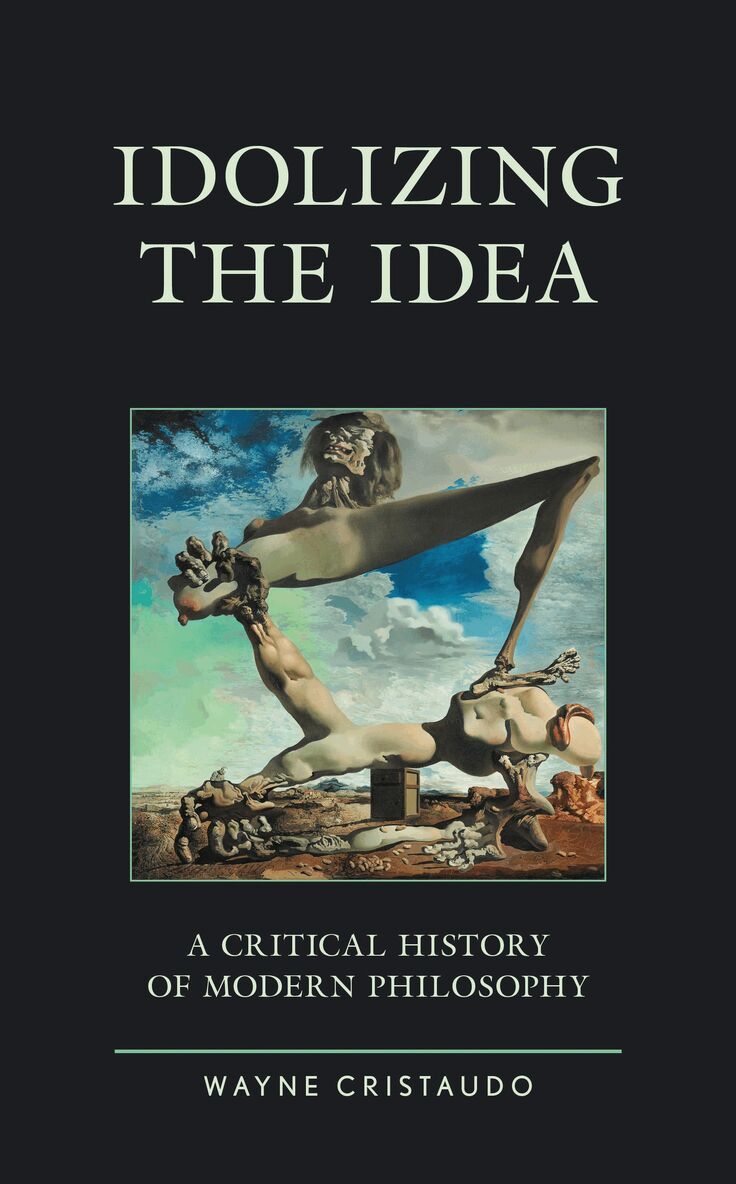
Ever since Plato made the case for the primacy of ideas over names, philosophy has tended to elevate the primacy of its ideas over the more common understanding and insights that are circulated in the names drawn upon by the community. Commencing with a critique of Plato’s original philosophical decision, Cristaudo takes up the argument put forward by Thomas Reid that modern philosophy has generally continued along the ‘way of ideas’ to its own detriment. His argument identifies the major paradigmatic developments in modern philosophy commencing from the new metaphysics pioneered by Descartes up until the analytic tradition and the anti-domination philosophies which now dominate social and political thought. Along the way he argues that the paradigmatic shifts and break-downs that have occurred in modern philosophy are due to being beholden to an inadequate sovereign idea, or small cluster of ideas, which contribute to the occlusion of important philosophical questions. In addition to chapters on Descartes, and the analytic tradition and anti-domination philosophies, his critical history of modern philosophy explores the core ideas of Locke, Berkeley, Malebranche, Locke, Hume, Reid, Kant, Fichte, Hegel, Schelling, Marx, Kierkegaard, Schopenhauer, Nietzsche, Husserl and Heidegger. The common thread uniting these disparate philosophies is what Cristaudo calls ‘ideaism’ (sic.). Rather than expanding our reasoning capacity, ‘ideaism’ contributes to philosophers imposing dictatorial principles or models that ultimately occlude and distort our understanding of our participative role within reality. Drawing upon thinkers such as Pascal, Vico, Hamann, Herder, Franz Rosenzweig, Martin Buber and Eugen Rosensock-Huessy Cristaudo advances his argument by drawing upon the importance of encounter, dialogue, and a more philosophical anthropological and open approach to philosophy.
488 kr
Skickas inom 10-15 vardagar
Ever since Plato made the case for the primacy of ideas over names, philosophy has tended to elevate the primacy of its ideas over the more common understanding and insights that are circulated in the names drawn upon by the community. Commencing with a critique of Plato’s original philosophical decision, Cristaudo takes up the argument put forward by Thomas Reid that modern philosophy has generally continued along the ‘way of ideas’ to its own detriment. His argument identifies the major paradigmatic developments in modern philosophy commencing from the new metaphysics pioneered by Descartes up until the analytic tradition and the anti-domination philosophies which now dominate social and political thought. Along the way he argues that the paradigmatic shifts and break-downs that have occurred in modern philosophy are due to being beholden to an inadequate sovereign idea, or small cluster of ideas, which contribute to the occlusion of important philosophical questions. In addition to chapters on Descartes, and the analytic tradition and anti-domination philosophies, his critical history of modern philosophy explores the core ideas of Locke, Berkeley, Malebranche, Locke, Hume, Reid, Kant, Fichte, Hegel, Schelling, Marx, Kierkegaard, Schopenhauer, Nietzsche, Husserl and Heidegger. The common thread uniting these disparate philosophies is what Cristaudo calls ‘ideaism’ (sic.). Rather than expanding our reasoning capacity, ‘ideaism’ contributes to philosophers imposing dictatorial principles or models that ultimately occlude and distort our understanding of our participative role within reality. Drawing upon thinkers such as Pascal, Vico, Hamann, Herder, Franz Rosenzweig, Martin Buber and Eugen Rosensock-Huessy Cristaudo advances his argument by drawing upon the importance of encounter, dialogue, and a more philosophical anthropological and open approach to philosophy.