Willem van Winden – författare
2 366 kr
Skickas inom 10-15 vardagar
2 195 kr
Skickas inom 10-15 vardagar
826 kr
Skickas inom 10-15 vardagar
2 227 kr
Skickas inom 10-15 vardagar
2 158 kr
Skickas inom 10-15 vardagar
795 kr
Läs direkt efter köp
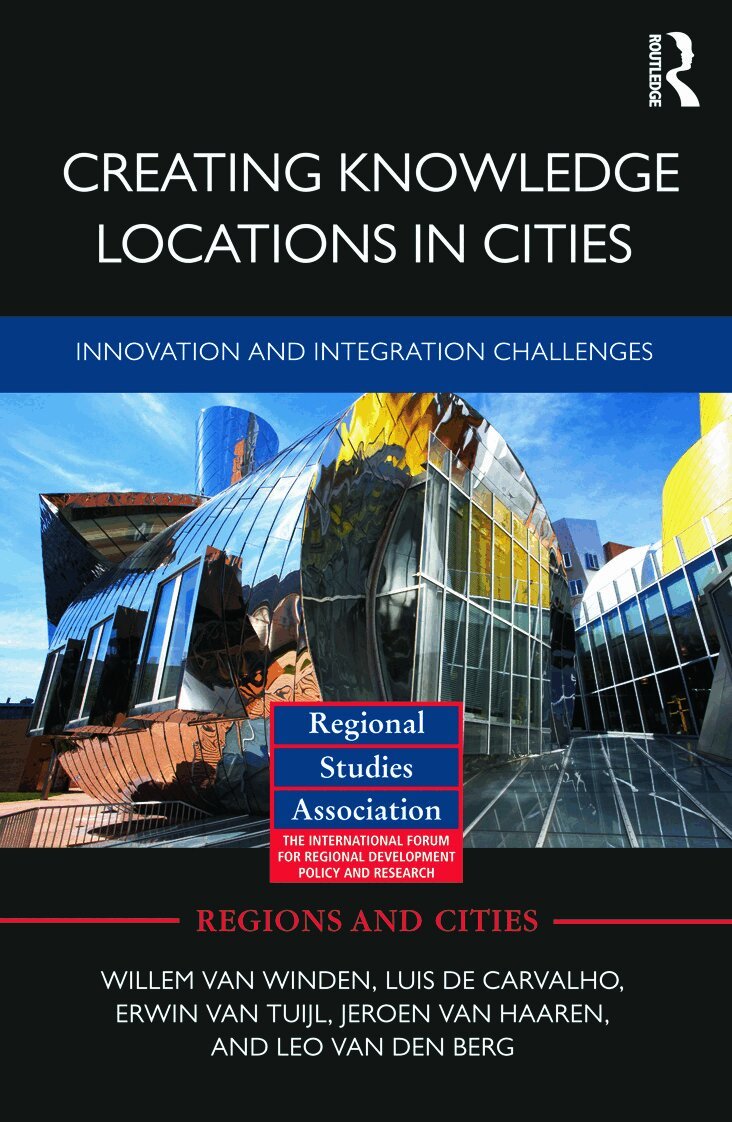
Based on a clear and comprehensive literature review, this book contains an analysis of five knowledge locations in Europe and one in South Korea. The case studies in the book cover several European countries (Ireland, Finland, Germany, Spain, The Netherlands). The cases are well grounded in the different contexts that these national settings provide, which allows comparisons between them.
795 kr
Läs direkt efter köp
Based on a clear and comprehensive literature review, this book contains an analysis of five knowledge locations in Europe and one in South Korea. The case studies in the book cover several European countries (Ireland, Finland, Germany, Spain, The Netherlands). The cases are well grounded in the different contexts that these national settings provide, which allows comparisons between them.
986 kr
Läs direkt efter köp
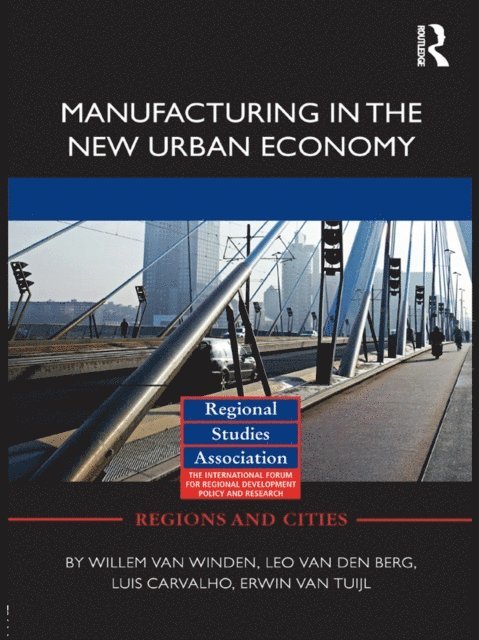
In large cities in developed countries, the share of manufacotruing has declined drastically in the last decades and the share of service has grown as many manufacturing firms have closed or moved to lower-cost locations. The process of deindustrialization is often seen as part of the inevitable shift towards a knowledge based economy and urban economies come to rely on research and development, financial services, tourism and the creative industries. This book looks at the changing link between manufacturing and knowledge-based activities in urban regions.
The authors develop a new framework drawing on insights from organization studies and regional economic literature looking at various international case studies in Western and Eastern Europe, South America and Asia.
986 kr
Läs direkt efter köp
In large cities in developed countries, the share of manufacotruing has declined drastically in the last decades and the share of service has grown as many manufacturing firms have closed or moved to lower-cost locations. The process of deindustrialization is often seen as part of the inevitable shift towards a knowledge based economy and urban economies come to rely on research and development, financial services, tourism and the creative industries. This book looks at the changing link between manufacturing and knowledge-based activities in urban regions.
The authors develop a new framework drawing on insights from organization studies and regional economic literature looking at various international case studies in Western and Eastern Europe, South America and Asia.
479 kr
Skickas inom 10-15 vardagar
687 kr
Skickas inom 10-15 vardagar
371 kr
Skickas inom 10-15 vardagar
1 043 kr
Skickas inom 10-15 vardagar
693 kr
Skickas inom 10-15 vardagar
819 kr
Läs direkt efter köp
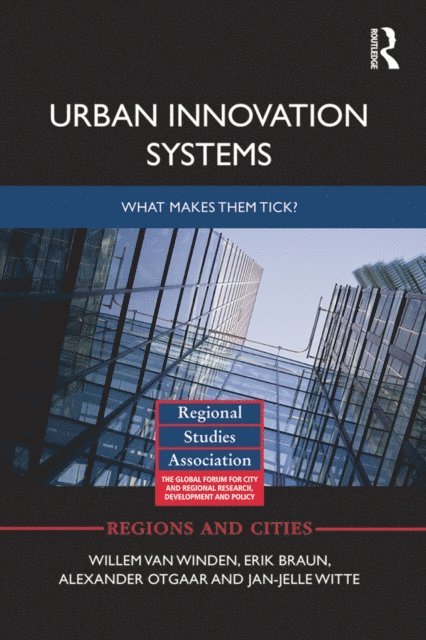
Why are some regions and cities so good at attracting talented people, creating high-level knowledge, and producing exciting new ideas and innovations? What are the ingredients of success? Can innovative cities be created and stimulated, or do they just flourish by mere chance? This book analyses the development and management of innovation systems in cities, in order to provide a better understanding of what makes such systems perform.
The book opens by developing a conceptual model that combines insights from urban economics with economic geography, urban governance and place marketing. This highlights the relevance of path dependence, different types of proximity (and the role of clusters, networks and platforms), institutional conditions, place attractiveness and place identity in the evolution of local innovation systems. The authors then draw on this conceptual framework to structure empirical case studies in three cities with a relatively high innovation performance: Eindhoven (the Netherlands), Stockholm (Sweden) and Suzhou (China). Through these case studies they provide a detailed analysis of how successful innovation systems evolve and what makes them tick.
Unique to this book is the linking of analysis to concrete policy and management responses. The book ends with a discussion on six themes in the development of successful urban innovation systems: firm-capabilities and leader firms, higher education and research, attractive environment, place branding, institutional environment and entrepreneurship. Each theme is examined fully, drawing lessons from the case studies, and from recent insights and other cases discussed in the literature.
This title will be of interest to students, researchers and policymakers involved in regional innovation systems, knowledge locations and cluster development.
819 kr
Läs direkt efter köp
Why are some regions and cities so good at attracting talented people, creating high-level knowledge, and producing exciting new ideas and innovations? What are the ingredients of success? Can innovative cities be created and stimulated, or do they just flourish by mere chance? This book analyses the development and management of innovation systems in cities, in order to provide a better understanding of what makes such systems perform.
The book opens by developing a conceptual model that combines insights from urban economics with economic geography, urban governance and place marketing. This highlights the relevance of path dependence, different types of proximity (and the role of clusters, networks and platforms), institutional conditions, place attractiveness and place identity in the evolution of local innovation systems. The authors then draw on this conceptual framework to structure empirical case studies in three cities with a relatively high innovation performance: Eindhoven (the Netherlands), Stockholm (Sweden) and Suzhou (China). Through these case studies they provide a detailed analysis of how successful innovation systems evolve and what makes them tick.
Unique to this book is the linking of analysis to concrete policy and management responses. The book ends with a discussion on six themes in the development of successful urban innovation systems: firm-capabilities and leader firms, higher education and research, attractive environment, place branding, institutional environment and entrepreneurship. Each theme is examined fully, drawing lessons from the case studies, and from recent insights and other cases discussed in the literature.
This title will be of interest to students, researchers and policymakers involved in regional innovation systems, knowledge locations and cluster development.
552 kr
Läs direkt efter köp
552 kr
Läs direkt efter köp
1 136 kr
Läs direkt efter köp
1 136 kr
Läs direkt efter köp