William A. Masters - Böcker
Visar alla böcker från författaren William A. Masters. Handla med fri frakt och snabb leverans.
4 produkter
4 produkter
2 644 kr
Skickas inom 10-15 vardagar
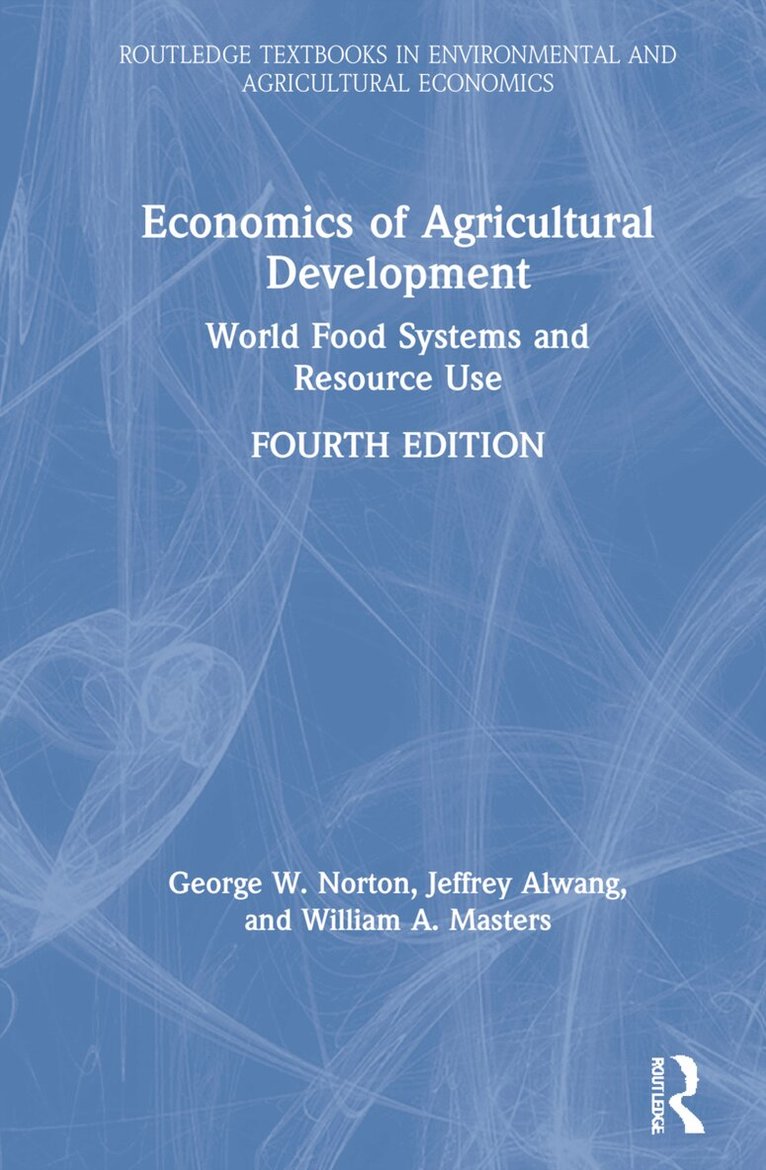
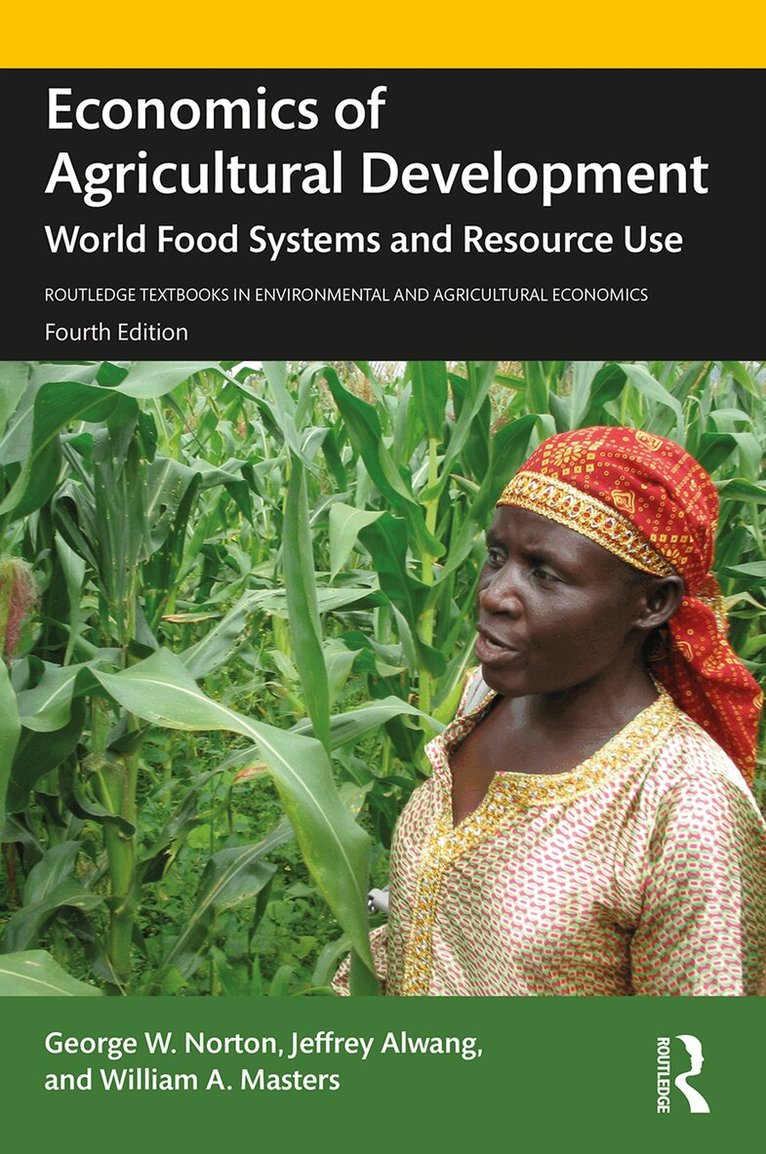
Economics of Agricultural Development examines the causes, severity, and effects of poverty, population growth, and malnutrition in developing countries. It discusses potential solutions to these problems, progress made in many countries in recent years, and the implications of globalization for agriculture, poverty, and the environment.Topics covered in the book include: Means for utilizing agricultural surpluses to further overall economic development The sustainability of the natural resource environment Gender issues in relation to agriculture and resource use The contribution of improved technologies to agricultural development The importance of agricultural policies and institutions to development and trade Actions to encourage more rapid agricultural and economic developmentThis new edition reflects the following developments: Growth in environmental challenges due to climate change Continued progress in agricultural and economic development in many low-income countries while other countries and regions are being left behind Continued growth in demand for higher-valued farm productsThis book is essential reading for undergraduate students seeking to understand the economics of agricultural development and the world food system, including environmental and human consequences, international trade, and capital flows. It contains a wealth of real-world case studies and is accompanied by a website.
1 058 kr
Skickas inom 10-15 vardagar
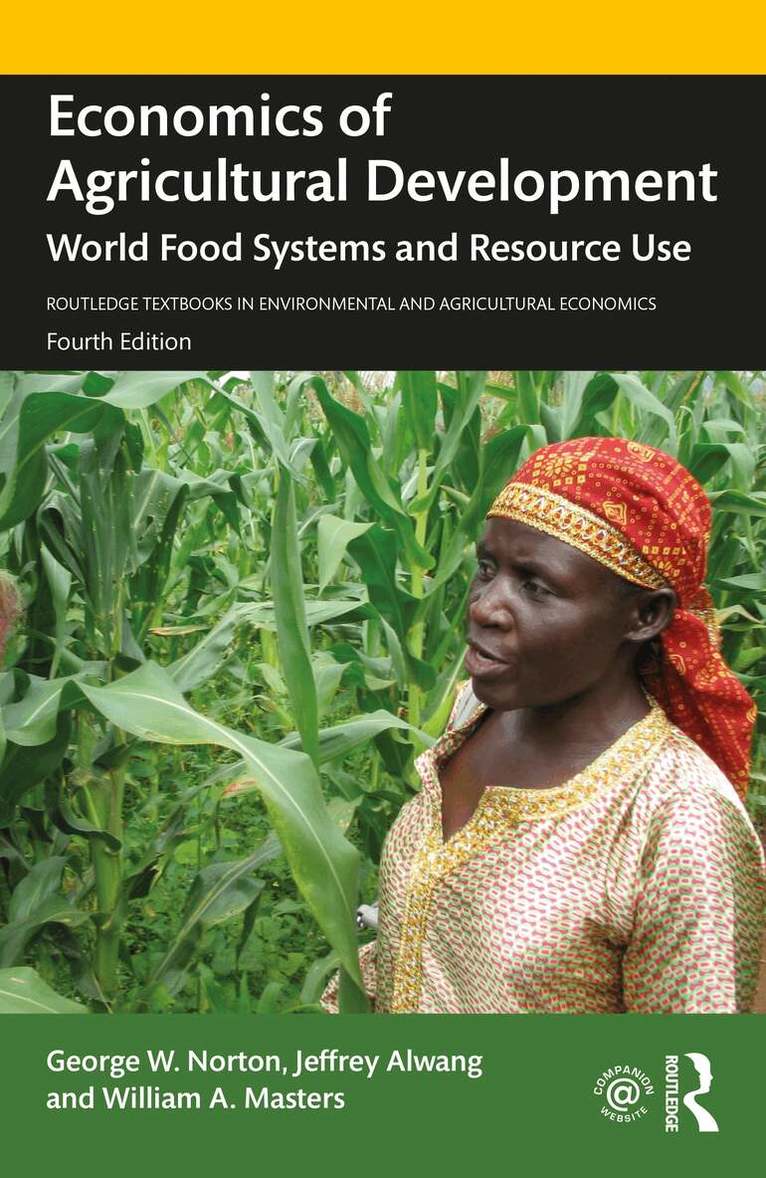
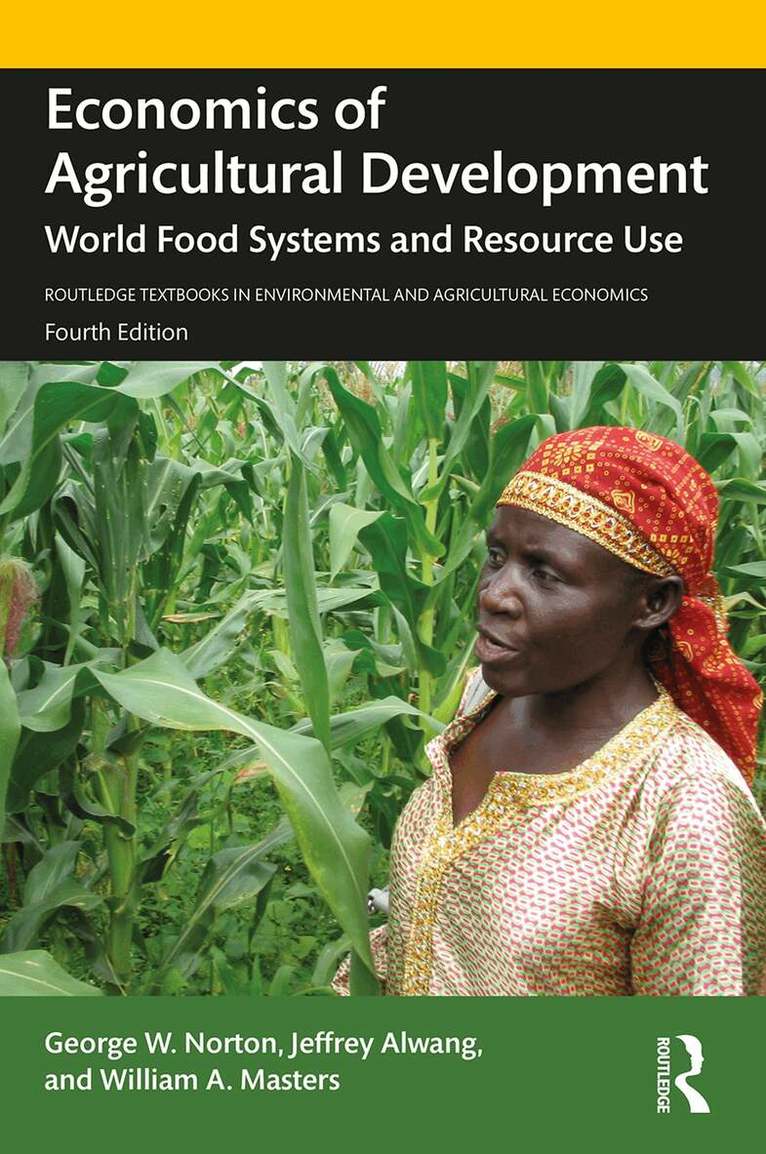
Economics of Agricultural Development examines the causes, severity, and effects of poverty, population growth, and malnutrition in developing countries. It discusses potential solutions to these problems, progress made in many countries in recent years, and the implications of globalization for agriculture, poverty, and the environment.Topics covered in the book include: Means for utilizing agricultural surpluses to further overall economic development The sustainability of the natural resource environment Gender issues in relation to agriculture and resource use The contribution of improved technologies to agricultural development The importance of agricultural policies and institutions to development and trade Actions to encourage more rapid agricultural and economic developmentThis new edition reflects the following developments: Growth in environmental challenges due to climate change Continued progress in agricultural and economic development in many low-income countries while other countries and regions are being left behind Continued growth in demand for higher-valued farm productsThis book is essential reading for undergraduate students seeking to understand the economics of agricultural development and the world food system, including environmental and human consequences, international trade, and capital flows. It contains a wealth of real-world case studies and is accompanied by a website.
437 kr
Skickas inom 10-15 vardagar
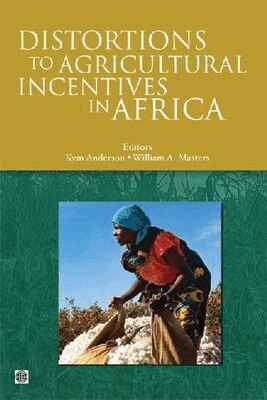
Comprehensive empirical studies of the disarray in world agricultural markets appeared approximately 20 years ago. Since then, the Organisation for Economic Co-operation and Development has provided estimates each year of market distortions in high-income countries, but there have been no comparable estimates for the world's developing countries. This volume is the third in a series that not only fills that void for recent years but extends the estimates in a consistent and comparable way back in time's and provides analytical narratives for scores of countries that shed light on the evolving nature and extent of policy interventions over the past half-century. This title provides an overview of the evolution of distortions to agricultural incentives caused by price and trade policies in the Arab Republic of Egypt plus 20 countries that account for about of 90 percent of Sub-Saharan Africa's population, farm households, agricultural output, and overall GDP. Sectoral, trade, and exchange rate policies in the region have changed greatly since the 1950s, and there have been substantial reforms since the 1980s. Nonetheless, numerous price distortions in this region remain, others have been added in recent years, and there has also been some backsliding, such as in Zimbabwe. The new empirical indicators in these country studies provide a strong evidence based foundation for assessing the successes and failures of the past and for evaluating policy options for the years ahead.
433 kr
Skickas inom 10-15 vardagar
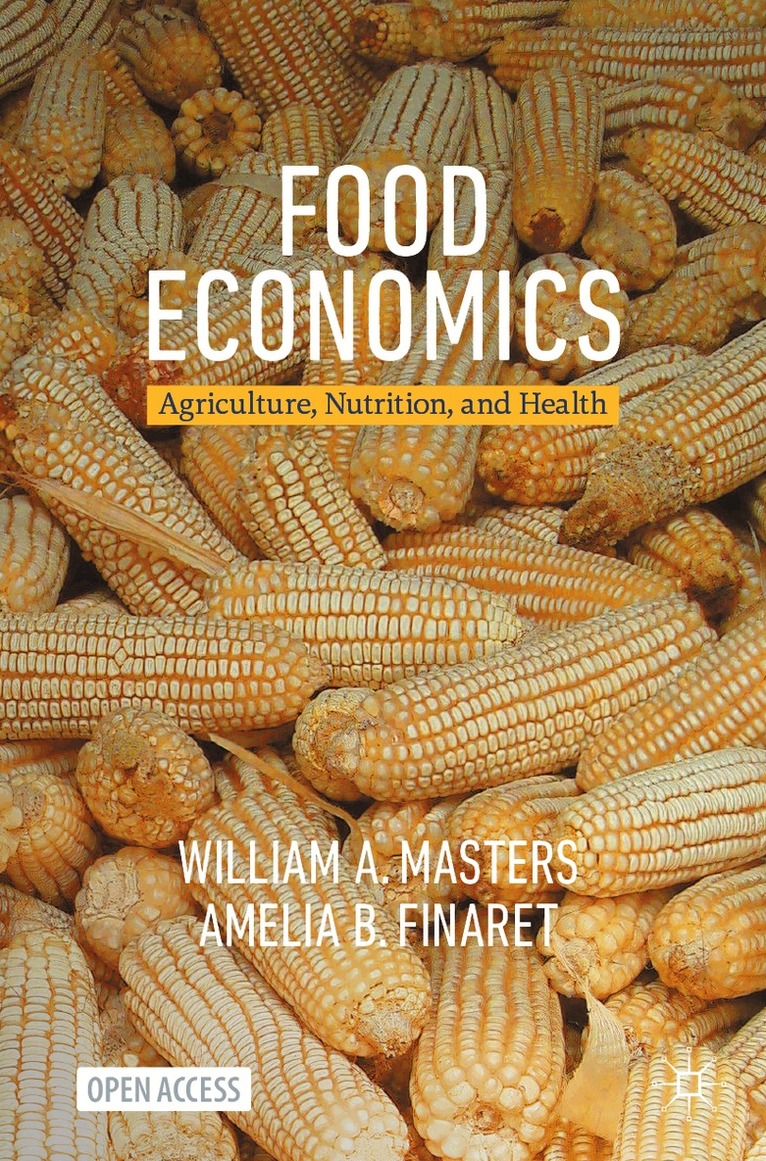
Food Economics provides a unified introduction to the economics of agricultural production, business decisions, consumer behavior, and the government policies that shape our food system.This open access textbook begins with economic principles derived using graphical techniques to explain and predict observed prices, quantities, and other outcomes as a result of individual choices influenced by market structure and public policies. The second half of the book explores available data globally and for the US, covering a wide range of questions in agriculture and economic development, food marketing, and consumption.Food Economics and its accompanying online resources are designed for advanced undergraduate or introductory graduate courses in agriculture, food, and nutrition policy. The book covers the standard diagrams taught in principles-level courses, with concrete examples and practical insights regarding food production, consumption, and trade. Online resources include data sources, and course materials, including slides, exercises, exams, and answer keys.