William S. Breitbart MD – författare
Visar alla böcker från författaren William S. Breitbart MD. Handla med fri frakt och snabb leverans.
4 produkter
4 produkter
E-bok
PDF, Engelska, 2014761 kr
Läs direkt efter köp
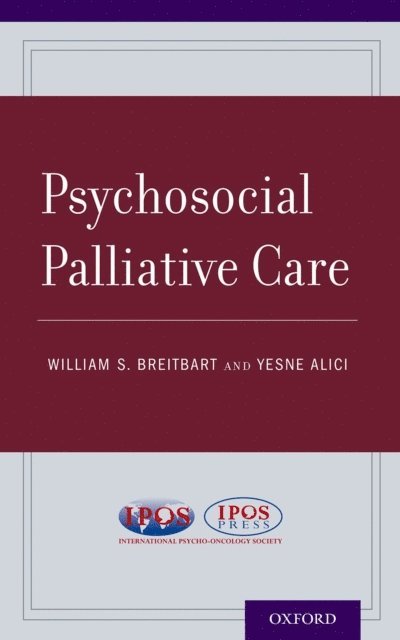
One of the most challenging roles of the psycho-oncologist is to help guide terminally-ill patients through the physical, psychological, and spiritual aspects of the dying process. Patients with cancer, AIDS, and other life-threatening illnesses are at increased risk for the development of major psychiatric complications, and have an enormous burden of both physical and psychological symptoms. Concepts of adequate palliative care must be expanded beyond the current focus on pain and physical symptom control to include the psychiatric, psychosocial, existential, and spiritual aspects of care. The psycho-oncologist, as a consultant to or member of a palliative care team, has a unique role and opportunity to fulfill this promise of competent and compassionate palliative care for those with life-threatening illnesses. Psychosocial Palliative Care guides the psycho-oncologist through the most salient aspects of effective psychiatric care of patients with advanced illnesses. This handbook reviews basic concepts and definitions of palliative care and the experience of dying, the assessment and management of major psychiatric complications of life-threatening illness, including psychopharmacologic and psychotherapeutic approaches, and covers issues such as bereavement, spirituality, cultural sensitivity, communication and psychiatric contributions to common physical symptom control. A global perspective on death and palliative care is taken throughout the text, and an Appendix provides a comprehensive list of international palliative care resources and training programs.
E-bok
Engelska, 2014788 kr
Läs direkt efter köp
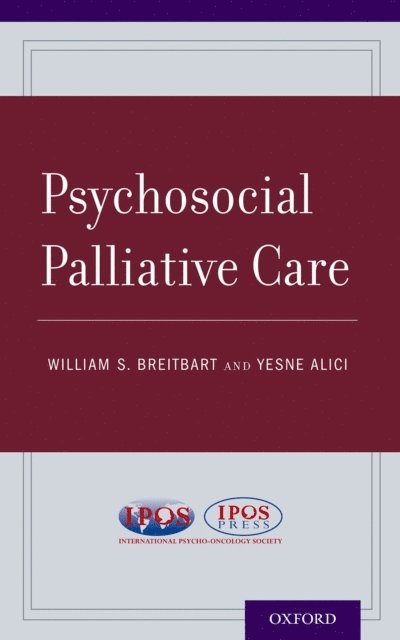
One of the most challenging roles of the psycho-oncologist is to help guide terminally-ill patients through the physical, psychological, and spiritual aspects of the dying process. Patients with cancer, AIDS, and other life-threatening illnesses are at increased risk for the development of major psychiatric complications, and have an enormous burden of both physical and psychological symptoms. Concepts of adequate palliative care must be expanded beyond the current focus on pain and physical symptom control to include the psychiatric, psychosocial, existential, and spiritual aspects of care. The psycho-oncologist, as a consultant to or member of a palliative care team, has a unique role and opportunity to fulfill this promise of competent and compassionate palliative care for those with life-threatening illnesses. Psychosocial Palliative Care guides the psycho-oncologist through the most salient aspects of effective psychiatric care of patients with advanced illnesses. This handbook reviews basic concepts and definitions of palliative care and the experience of dying, the assessment and management of major psychiatric complications of life-threatening illness, including psychopharmacologic and psychotherapeutic approaches, and covers issues such as bereavement, spirituality, cultural sensitivity, communication and psychiatric contributions to common physical symptom control. A global perspective on death and palliative care is taken throughout the text, and an Appendix provides a comprehensive list of international palliative care resources and training programs.
E-bok
PDF, Engelska, 2014495 kr
Läs direkt efter köp
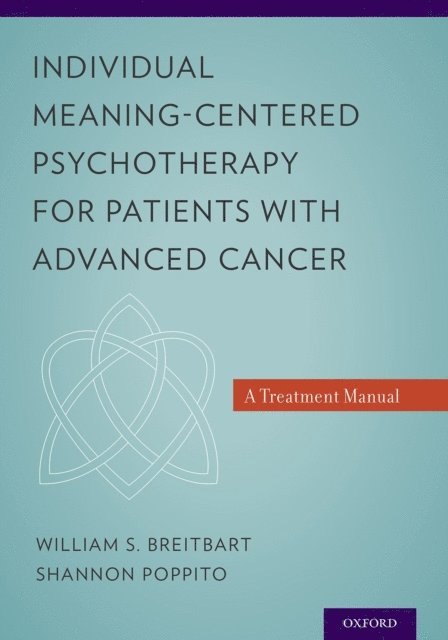
The importance of spiritual well-being and the role of "meaning" in moderating depression, hopelessness and desire for death in terminally-ill cancer and AIDS patients has been well-supported by research, and has led many palliative clinicians to look beyond the role of antidepressant treatment in this population. Clinicians are focusing on the development of non-pharmacologic interventions that can address issues such as hopelessness, loss of meaning, and spiritual well-being in patients with advanced cancer at the end of life. This effort led to an exploration and analysis of the work of Viktor Frankl and his concepts of logotherapy, or meaning-based psychotherapy. While Frankl''s logotherapy was not designed for the treatment of patients with life-threatening illnesses, his concepts of meaning and spirituality have inspired applications in psychotherapeutic work with advanced cancer patients, many of whom seek guidance and help in dealing with issues of sustaining meaning, hope, and understanding cancer and impending death in the context of their lives. Individual Meaning-Centered Group Psychotherapy (IMCP), an intervention developed and rigorously tested by the Department of Psychiatry & Behavioral Sciences at Memorial Sloan-Kettering Cancer Center, is a seven-week program that utilizes a mixture of didactics, discussion and experiential exercises that focus around particular themes related to meaning and advanced cancer. Patients are assigned readings and homework that are specific to each session''s theme and which are utilized in each session. While the focus of each session is on issues of meaning and purpose in life in the face of advanced cancer and a limited prognosis, elements of support and expression of emotion are inevitable in the context of each group session. The structured intervention presented in this manual can be provided by a wide array of clinical disciplines, ranging from chaplains, nurses, palliative care physicians, to counselors, psychotherapists, social workers, graduate psychology students, psychologists and psychiatrists.
E-bok
PDF, Engelska, 2014442 kr
Läs direkt efter köp
The importance of spiritual well-being and the role of "meaning" in moderating depression, hopelessness and desire for death in terminally-ill cancer and AIDS patients has been well-supported by research, and has led many palliative clinicians to look beyond the role of antidepressant treatment in this population. Clinicians are focusing on the development of non-pharmacologic interventions that can address issues such as hopelessness, loss of meaning, and spiritual well-being in patients with advanced cancer at the end of life. This effort led to an exploration and analysis of the work of Viktor Frankl and his concepts of logotherapy, or meaning-based psychotherapy. While Frankl''s logotherapy was not designed for the treatment of patients with life-threatening illnesses, his concepts of meaning and spirituality have inspired applications in psychotherapeutic work with advanced cancer patients, many of whom seek guidance and help in dealing with issues of sustaining meaning, hope, and understanding cancer and impending death in the context of their lives. Individual Meaning-Centered Group Psychotherapy (IMCP), an intervention developed and rigorously tested by the Department of Psychiatry & Behavioral Sciences at Memorial Sloan-Kettering Cancer Center, is a seven-week program that utilizes a mixture of didactics, discussion and experiential exercises that focus around particular themes related to meaning and advanced cancer. Patients are assigned readings and homework that are specific to each session''s theme and which are utilized in each session. While the focus of each session is on issues of meaning and purpose in life in the face of advanced cancer and a limited prognosis, elements of support and expression of emotion are inevitable in the context of each group session. The structured intervention presented in this manual can be provided by a wide array of clinical disciplines, ranging from chaplains, nurses, palliative care physicians, to counselors, psychotherapists, social workers, graduate psychology students, psychologists and psychiatrists.