Yesne Alici – författare
Visar alla böcker från författaren Yesne Alici. Handla med fri frakt och snabb leverans.
6 produkter
6 produkter
Häftad, Engelska, 2015
812 kr
Skickas inom 5-8 vardagar
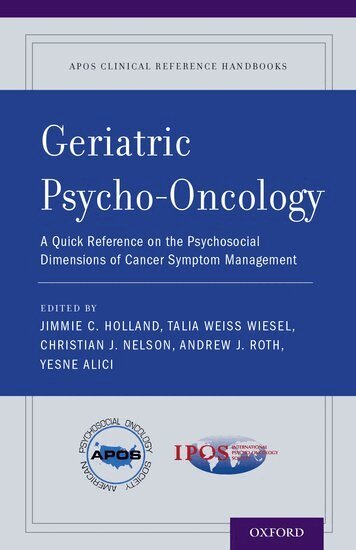
Geriatric Psycho-Oncology is a comprehensive handbook that provides best practice models for the management of psychological, cognitive, and social outcomes of older adults living with cancer and their families. Chapters cover a wide range of topics including screening tools and interventions, psychiatric emergencies and disorders, physical symptom management, communication issues, and issues specific to common cancer sites. A resource section is appended to provide information on national services and programs. This book features contributions from experts designed to help clinicians review, anticipate and respond to emotional issues that often arise in the context of treating older cancer patients. Cross-references, succinct tables and figures make this concise reference easy to use. Geriatric Psycho-Oncology is an ideal resource for helping oncologists and nurses recognize when it may be best to refer patients to their mental health colleagues and for those who are establishing or adding psychosocial components to existing clinics.
E-bok
PDF, Engelska, 2015655 kr
Läs direkt efter köp
Geriatric Psycho-Oncology is a comprehensive handbook that provides best practice models for the management of psychological, cognitive, and social outcomes of older adults living with cancer and their families. Chapters cover a wide range of topics including screening tools and interventions, psychiatric emergencies and disorders, physical symptom management, communication issues, and issues specific to common cancer sites. A resource section is appended to provide information on national services and programs. This book features contributions from experts designed to help clinicians review, anticipate and respond to emotional issues that often arise in the context of treating older cancer patients. Numerous cross-references and succinct tables and figures make this concise reference easy to use. Geriatric Psycho-Oncology is an ideal resource for helping oncologists and nurses recognize when it may be best to refer patients to their mental health colleagues and for those who are establishing or adding psychosocial components to existing clinics.
E-bok
Engelska, 2015679 kr
Läs direkt efter köp
Geriatric Psycho-Oncology is a comprehensive handbook that provides best practice models for the management of psychological, cognitive, and social outcomes of older adults living with cancer and their families. Chapters cover a wide range of topics including screening tools and interventions, psychiatric emergencies and disorders, physical symptom management, communication issues, and issues specific to common cancer sites. A resource section is appended to provide information on national services and programs. This book features contributions from experts designed to help clinicians review, anticipate and respond to emotional issues that often arise in the context of treating older cancer patients. Numerous cross-references and succinct tables and figures make this concise reference easy to use. Geriatric Psycho-Oncology is an ideal resource for helping oncologists and nurses recognize when it may be best to refer patients to their mental health colleagues and for those who are establishing or adding psychosocial components to existing clinics.
E-bok
PDF, Engelska, 2014761 kr
Läs direkt efter köp
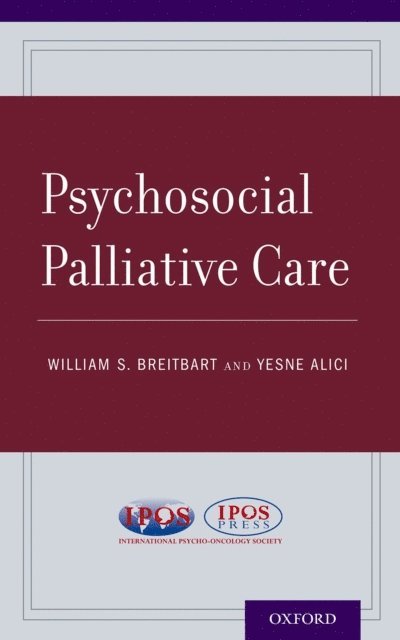
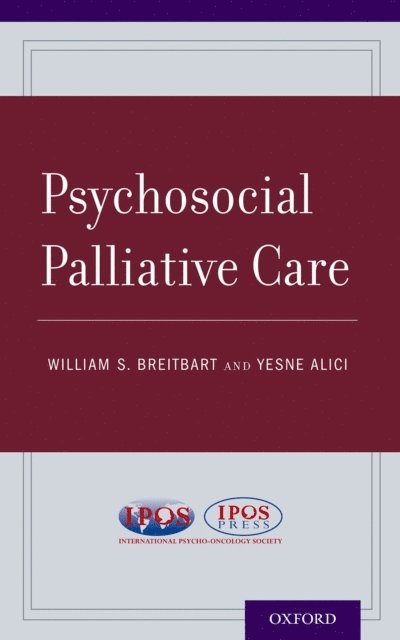
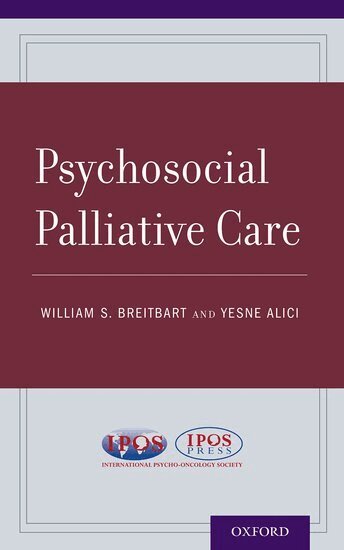
One of the most challenging roles of the psycho-oncologist is to help guide terminally-ill patients through the physical, psychological, and spiritual aspects of the dying process. Patients with cancer, AIDS, and other life-threatening illnesses are at increased risk for the development of major psychiatric complications, and have an enormous burden of both physical and psychological symptoms. Concepts of adequate palliative care must be expanded beyond the current focus on pain and physical symptom control to include the psychiatric, psychosocial, existential, and spiritual aspects of care. The psycho-oncologist, as a consultant to or member of a palliative care team, has a unique role and opportunity to fulfill this promise of competent and compassionate palliative care for those with life-threatening illnesses. Psychosocial Palliative Care guides the psycho-oncologist through the most salient aspects of effective psychiatric care of patients with advanced illnesses. This handbook reviews basic concepts and definitions of palliative care and the experience of dying, the assessment and management of major psychiatric complications of life-threatening illness, including psychopharmacologic and psychotherapeutic approaches, and covers issues such as bereavement, spirituality, cultural sensitivity, communication and psychiatric contributions to common physical symptom control. A global perspective on death and palliative care is taken throughout the text, and an Appendix provides a comprehensive list of international palliative care resources and training programs.
E-bok
Engelska, 2014788 kr
Läs direkt efter köp
One of the most challenging roles of the psycho-oncologist is to help guide terminally-ill patients through the physical, psychological, and spiritual aspects of the dying process. Patients with cancer, AIDS, and other life-threatening illnesses are at increased risk for the development of major psychiatric complications, and have an enormous burden of both physical and psychological symptoms. Concepts of adequate palliative care must be expanded beyond the current focus on pain and physical symptom control to include the psychiatric, psychosocial, existential, and spiritual aspects of care. The psycho-oncologist, as a consultant to or member of a palliative care team, has a unique role and opportunity to fulfill this promise of competent and compassionate palliative care for those with life-threatening illnesses. Psychosocial Palliative Care guides the psycho-oncologist through the most salient aspects of effective psychiatric care of patients with advanced illnesses. This handbook reviews basic concepts and definitions of palliative care and the experience of dying, the assessment and management of major psychiatric complications of life-threatening illness, including psychopharmacologic and psychotherapeutic approaches, and covers issues such as bereavement, spirituality, cultural sensitivity, communication and psychiatric contributions to common physical symptom control. A global perspective on death and palliative care is taken throughout the text, and an Appendix provides a comprehensive list of international palliative care resources and training programs.
Häftad, Engelska, 2014
1 023 kr
Skickas inom 5-8 vardagar
One of the most challenging roles of the psycho-oncologist is to help guide terminally-ill patients through the physical, psychological, and spiritual aspects of the dying process. Patients with cancer, AIDS, and other life-threatening illnesses are at increased risk for the development of major psychiatric complications, and have an enormous burden of both physical and psychological symptoms. Concepts of adequate palliative care must be expanded beyond the current focus on pain and physical symptom control to include the psychiatric, psychosocial, existential, and spiritual aspects of care. The psycho-oncologist, as a consultant to or member of a palliative care team, has a unique role and opportunity to fulfill this promise of competent and compassionate palliative care for those with life-threatening illnesses. Psychosocial Palliative Care guides the psycho-oncologist through the most salient aspects of effective psychiatric care of patients with advanced illnesses. This handbook reviews basic concepts and definitions of palliative care and the experience of dying, the assessment and management of major psychiatric complications of life-threatening illness, including psychopharmacologic and psychotherapeutic approaches, and covers issues such as bereavement, spirituality, cultural sensitivity, communication and psychiatric contributions to common physical symptom control. A global perspective on death and palliative care is taken throughout the text, and an Appendix provides a comprehensive list of international palliative care resources and training programs.