Wim Van Mierlo - Böcker
Visar alla böcker från författaren Wim Van Mierlo. Handla med fri frakt och snabb leverans.
5 produkter
5 produkter
7 362 kr
Skickas inom 10-15 vardagar
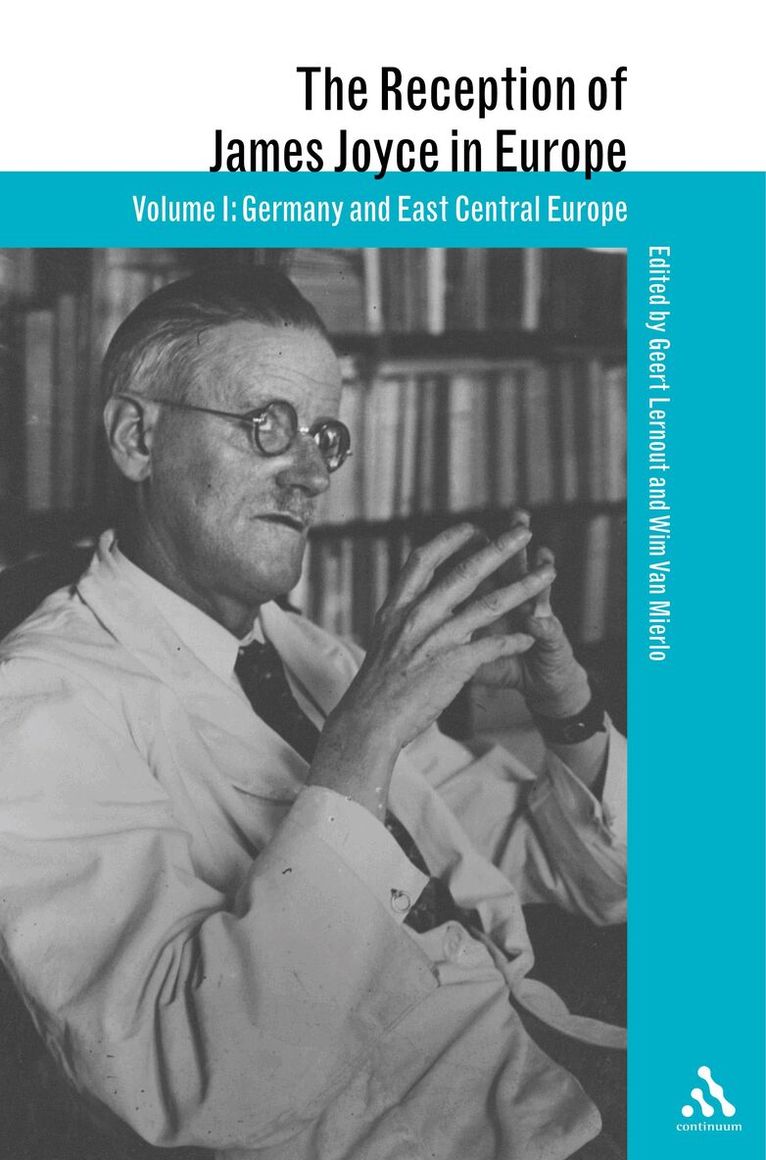
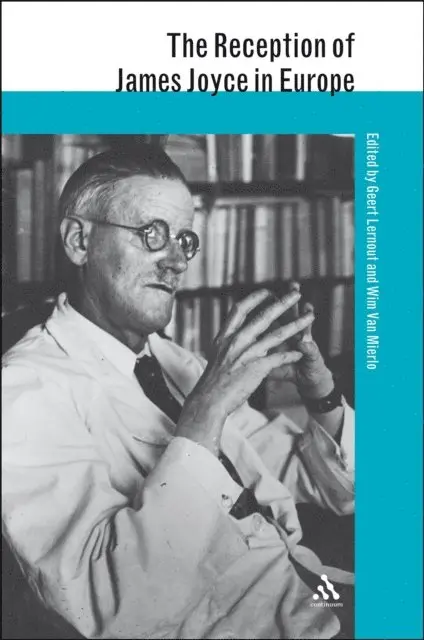
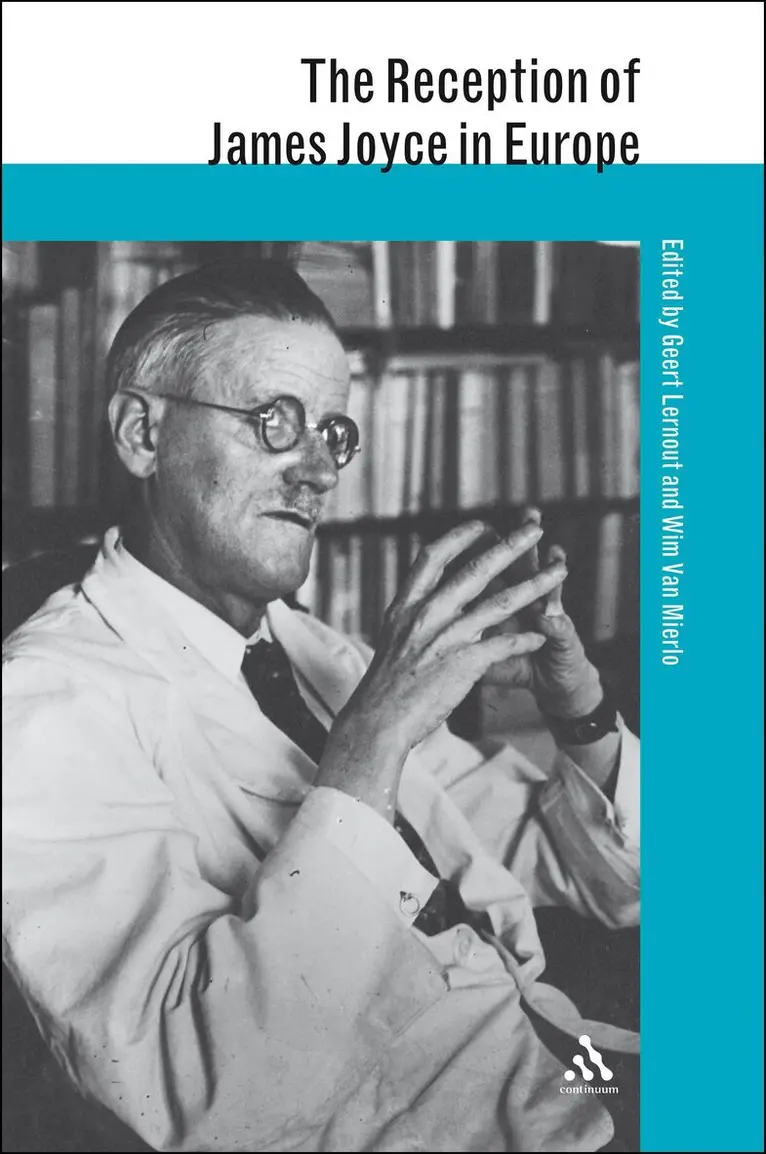
James Joyce is now widely considered the most influential writer of the twentieth century. His name and his most important works appeared again and again in fin-de-millennium surveys. This is the case not only in the English-speaking world, but also in many European literatures. Joyce's influence is most pronounced in French, German and Italian literatures, where translations of most of his works appeared during his life-time and where he had a clear impact on his fellow-writers. In other countries and cultures, his influence took more time to register, sometimes after the war in the fifties and sixties, and sometimes only in the final decade of the century. This was the case in most of the languages of Eastern Europe, where the translation of Joyce's work could only begin after the collapse of the Soviet Union in the 1990s.This book contains two volumes.Series Editor: Dr Elinor Shaffer FBA, Institute of Germanic & Romance Studies, School of Advanced Study, University of London Contributors to the volume include: Sonja Basic (University of Zagreb) Eric Bulson, (Columbia University) Astradur Eysteinsson (University of Reykjavik) Kalina Filipova (University of Sofia) Marta Goldmann (University of Budapest) Jakob Greve (University of Copenhagen) Manana Khergiani (New York) Teresa Iribarren (University of Barcelona) Onno R. Kosters and Ron Hoffman (The Netherlands) Alberto Lázaro (University of Alcalá, Madrid) Marisol Morales Ladrón (University of Alcalá, Madrid) Maria Filomena Louro (University of Minho, Portugal) Tina Mahkota (University of Ljubljana) John McCourt (University of Trieste) Patrick O'Neill (Queen's University, Canada) Adrian Otoiu (North University of Baia Mare, Rumania) Miltos Pehlivanos (Aristotle University, Greece) Aleš Pogacnik (Slovenia) Jina Politi (Aristotle University, Greece) Steen Klitgård Povlsen (University of Aarhus) H.K.Riikonen (University of Helsinki) Frank Sewell (University of Ulster) Sam Slote (University of Buffalo) Per Svenson (Sweden) Emily Tall (University of Buffalo) Björn Tysdahl (University of Oslo) Tomo Virk (University of Ljubljana) Jolanta W. Wawrzycka (Radford University) Robert Weninger (Oxford Brookes University) Wolfgang Wicht (University of Potsdam) Serenella Zanotti (University of Rome)
211 kr
Skickas inom 7-10 vardagar
Scholarly Editing in Perspective offers a critical reflection on the theory and methods of textual editing, as a contribution to a wider, comparative understanding of editorial practice. The analysis, written in a cogent, concise and accessible manner, offers an insight into the textual-philosophical principles and foundations of scholarly editing from the beginning of the twentieth century to the new opportunities offered by digital technologies in the twenty-first. Scholarly editing is presented as a process that makes an intervention in the text whereby the editor mediates between competing versions of textuality, authorship, and authority. In analysing the assumptions, beliefs, and critical underpinnings of scholarly editing, this Element provides a new perspective on the standard editorial models within the English tradition, how they have evolved, and how they are adapted for the digital age.
1 391 kr
Skickas inom 10-15 vardagar
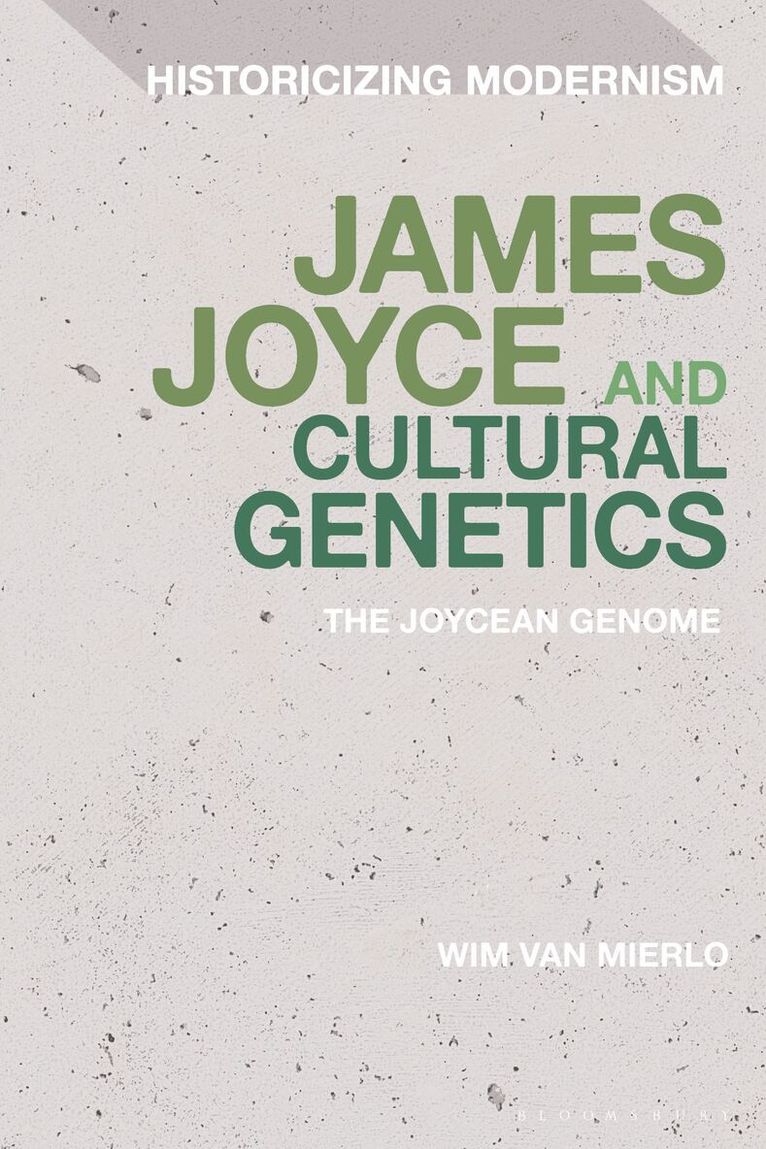
As a genetic study, this book uncovers the creative DNA of James Joyce’s oeuvre by looking at the cultural forces that shaped him and that he in turn shaped in the creation of his books, developing a two-way relationship with history, memory and national identity. Following his development as an author, it revisits and redirects Joyce’s attitudes towards the Irish Revival. From Chamber Music, through Ulysses to Finnegans Wake Joyce sought to define a cultural identity that went, in many respects, against the mainstream, but that nonetheless belonged to the wider Revivalist project with which it shared certain characteristics and aspirations. Joyce’s historical and genealogical imagination is read through a careful investigation of the cultural materials that went into his work. Based on evidence from his personal library and the extensive archive of reading notes, ideas, sketches and drafts, this book investigates how Joyce used, absorbed and repurposed these materials creatively in his writing; it does so by bringing for the first time the methods of genetic criticism into the domain of cultural memory and the sociology of the text. Thus this books defines “cultural genetics” as an exploration of the textual material that are Joyce’s sources interacts with the culture that produced and received them.
453 kr
Skickas inom 10-15 vardagar
As a genetic study, this book uncovers the creative DNA of James Joyce’s oeuvre by looking at the cultural forces that shaped him and that he in turn shaped in the creation of his books, developing a two-way relationship with history, memory and national identity. Following his development as an author, it revisits and redirects Joyce’s attitudes towards the Irish Revival. From Chamber Music, through Ulysses to Finnegans Wake Joyce sought to define a cultural identity that went, in many respects, against the mainstream, but that nonetheless belonged to the wider Revivalist project with which it shared certain characteristics and aspirations. Joyce’s historical and genealogical imagination is read through a careful investigation of the cultural materials that went into his work. Based on evidence from his personal library and the extensive archive of reading notes, ideas, sketches and drafts, this book investigates how Joyce used, absorbed and repurposed these materials creatively in his writing; it does so by bringing for the first time the methods of genetic criticism into the domain of cultural memory and the sociology of the text. Thus this books defines “cultural genetics” as an exploration of the textual material that are Joyce’s sources interacts with the culture that produced and received them.
1 958 kr
Skickas inom 10-15 vardagar
This is a major scholarly collection of international research on the reception of James Joyce in Europe.This collection of essays prepared by an international team of scholars, critics and translators, records the ways in which James Joyce's work has been received, translated and published in different areas of Europe. Joyce is now widely considered one of the most influential writers of the twentieth century. The impact of his work has been significant not only in the English-speaking world, but also in many European literatures. The essays in this collection explore the reception of Joyce in Germany, Russia, Scandinavia, Eastern Europe, Italy, France, Spain, Greece and Ireland.Our knowledge of British and Irish authors is incomplete and inadequate without an understanding of the perspectives of other nations on them. Each volume examines the ways authors have been translated, published, distributed, read, reviewed and discussed in Europe. In doing so, it throws light not only on the specific strands of intellectual and cultural history but also on the processes involved in the dissemination of ideas and texts.