Wimal Dissanayake – författare
Visar alla böcker från författaren Wimal Dissanayake. Handla med fri frakt och snabb leverans.
30 produkter
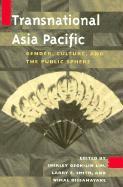
Transnational Asia Pacific
Gender, Culture, and the Public Sphere
Av Shirley Geok-lin Lim, Larry E Smith m. fl.
Häftad, 1999
479 kr
Lägg i varukorg
From fiddle tunes to folk ballads, from banjos to blues, traditional music thrives in the remote mountains and hollers of West Virginia. For a quarter century, Goldenseal magazine has given its readers intimate access to the lives and music of folk artists from across this pivotal state. Now the …
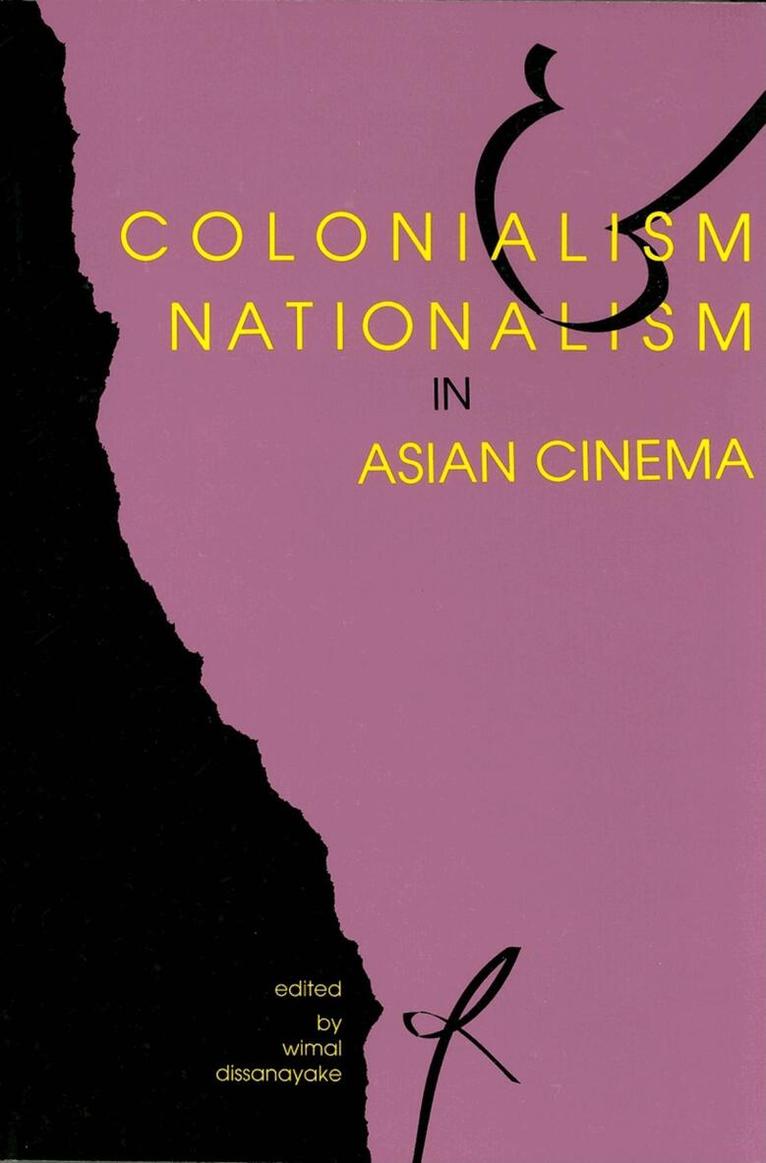
Colonialism and Nationalism in Asian Cinema
Häftad, 1994
232 kr
Lägg i varukorg
" . . . an important collective work for communication practitioners, students, and scholars who want to have a deeper understanding of film making in Asia and of the promotion of nationalism through communication." —Media Asia" . . . a momentous contribution to the study of colonialism and …
News Media In National And International Conflict
Av Andrew Arno, Wimal Dissanayake
Inbunden, 2019
2513 kr
Lägg i varukorg
Ironically, as telecommunications technology—the embodiment of modernity—advances, bringing people in different nations into more direct contact during conflict situations, traditional cultural factors become increasingly important as differing ways of thinking and acting collide. The mass media …
News Media In National And International Conflict
Av Andrew Arno, Wimal Dissanayake
Häftad, 2021
692 kr
Lägg i varukorg
Ironically, as telecommunications technology—the embodiment of modernity—advances, bringing people in different nations into more direct contact during conflict situations, traditional cultural factors become increasingly important as differing ways of thinking and acting collide. The mass media …
Rethinking Third Cinema
Av Wimal Dissanayake, Anthony Guneratne
Inbunden, 2003
2667 kr
Lägg i varukorg
This important anthology addresses established notions about Third Cinema theory, and the cinema practice of developing and postcolonial nations. The 'Third Cinema' movement called for a politicised film-making practice in Africa, Asia and Latin America, one which would take on board issues of …
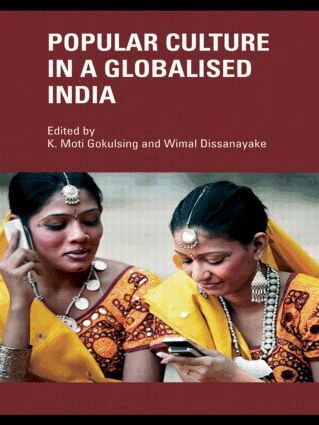
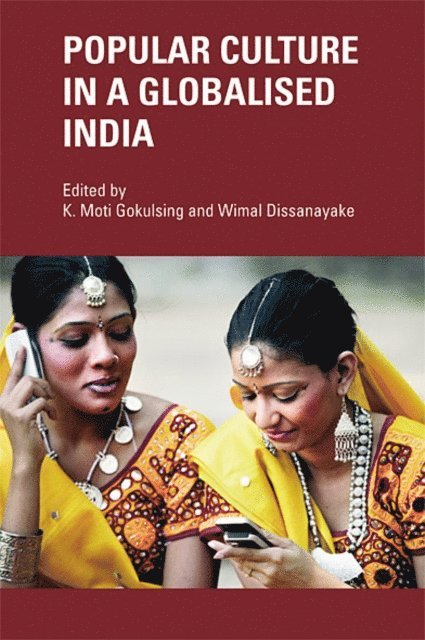
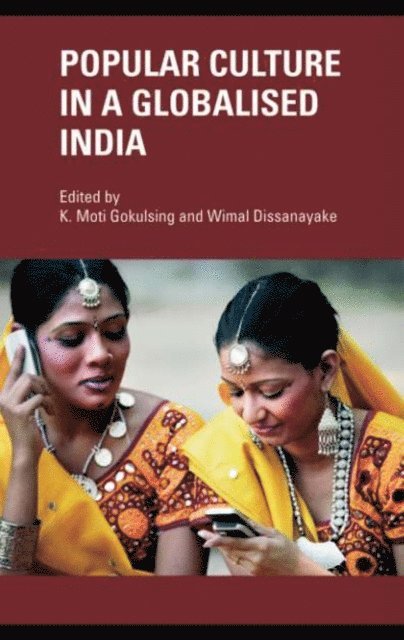
Popular Culture in a Globalised India
Av K. Moti Gokulsing, Wimal Dissanayake
Inbunden, 2008
3067 kr
Lägg i varukorg
As India celebrated the sixtieth anniversary of its independence, much praise was lavished on its emergence as a major player on the global stage. Its economic transformation and geopolitical significance as a nuclear power are matched by its globally resonant cultural resources. This book explores …
Popular Culture in a Globalised India
Av K. Moti Gokulsing, Wimal Dissanayake
Häftad, 2008
794 kr
Lägg i varukorg
As India celebrated the sixtieth anniversary of its independence, much praise was lavished on its emergence as a major player on the global stage. Its economic transformation and geopolitical significance as a nuclear power are matched by its globally resonant cultural resources. This book explores …
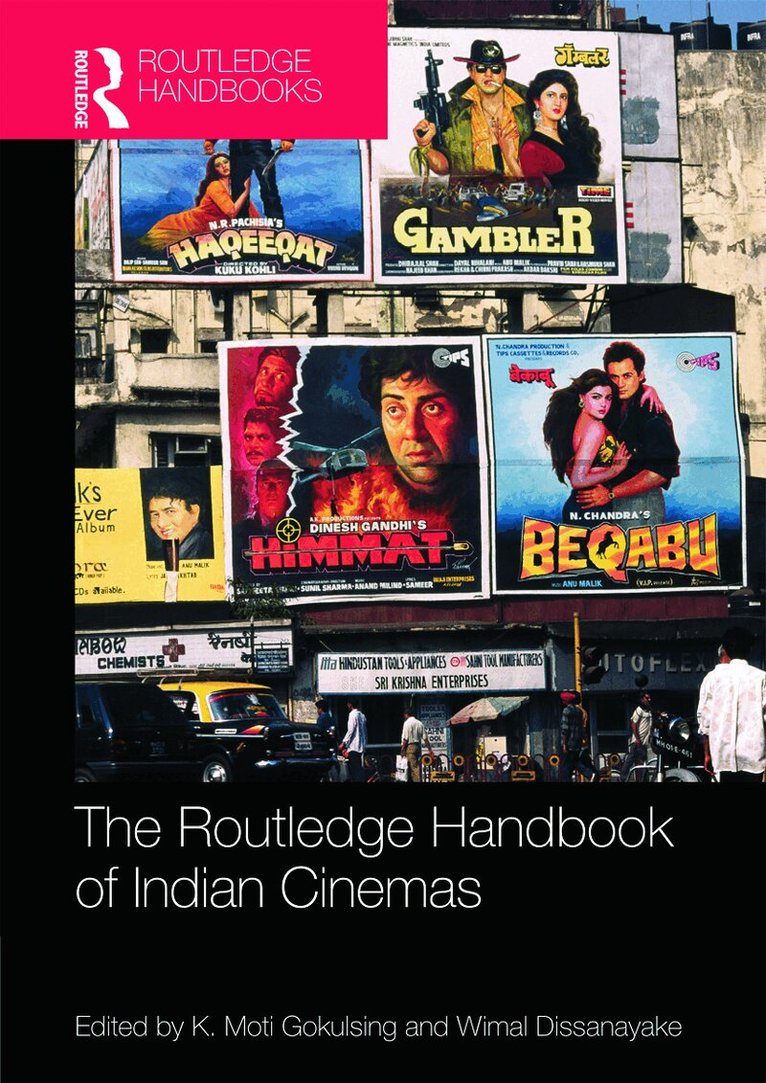
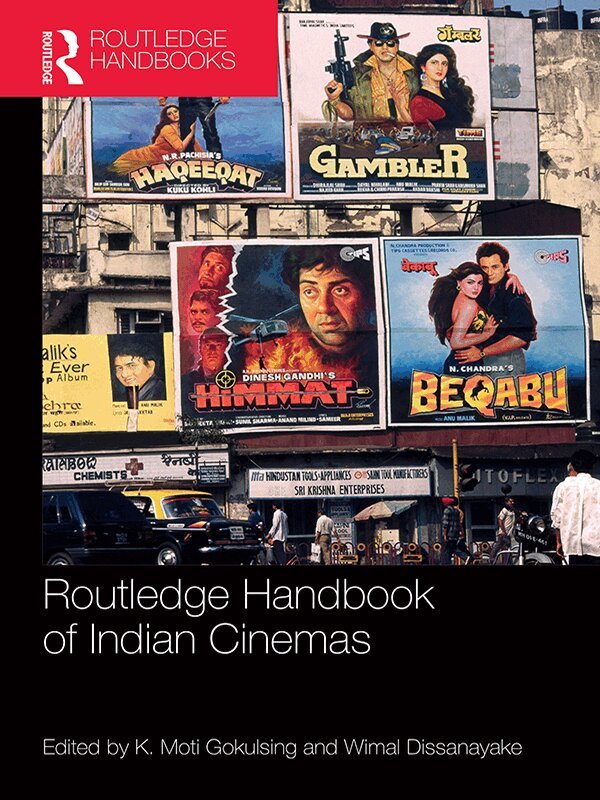
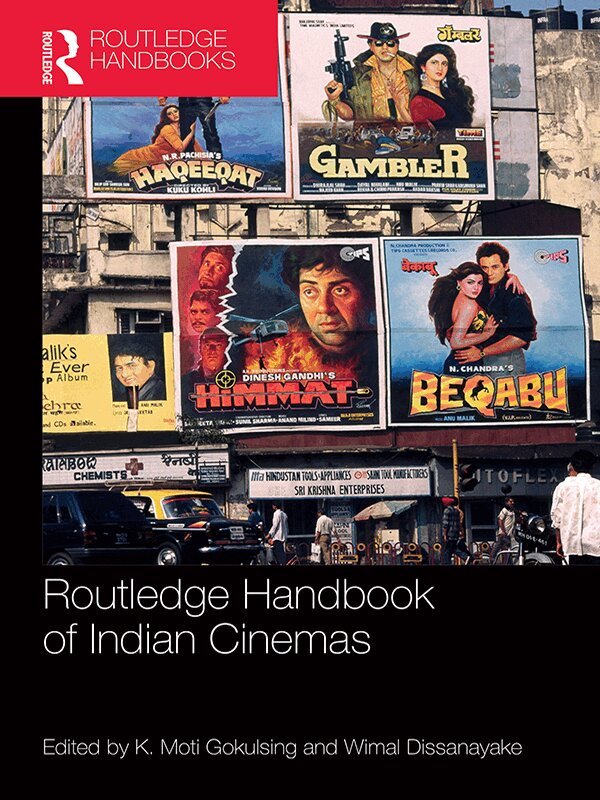
Routledge Handbook of Indian Cinemas
Av K. Gokulsing, Wimal Dissanayake
Inbunden, 2013
4028 kr
Lägg i varukorg
India is the largest film producing country in the world and its output has a global reach. After years of marginalisation by academics in the Western world, Indian cinemas have moved from the periphery to the centre of the world cinema in a comparatively short space of time. Bringing together …
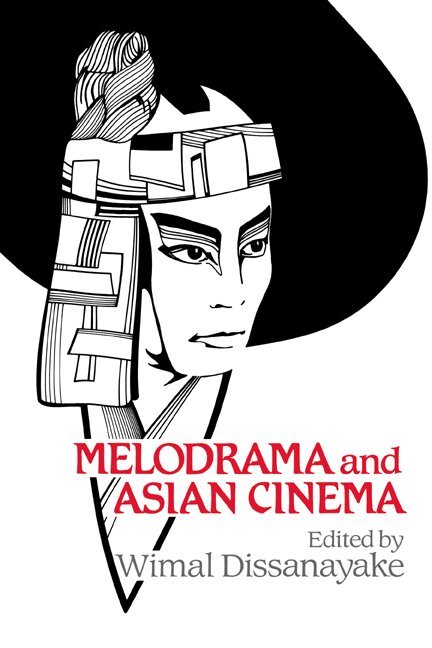
Melodrama and Asian Cinema
Inbunden, 1993
1711 kr
Lägg i varukorg
Cinema is a dominant force in the lives of many people living in Asia. A concept central to much of Asian film production is melodrama. This path-breaking study examines the importance of melodrama in the film traditions of Japan, India, China, Indonesia, the Philippines and Australia. Exploring …
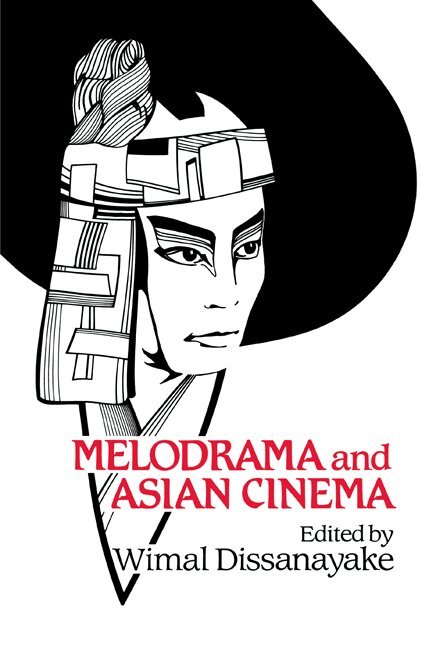
Melodrama and Asian Cinema
Häftad, 2005
863 kr
Lägg i varukorg
Cinema is a dominant force in the lives of many people living in Asia. A concept central to much of Asian film production is melodrama. This path-breaking study examines the importance of melodrama in the film traditions of Japan, India, China, Indonesia, the Philippines and Australia. Exploring …
Self as Person in Asian Theory and Practice
Av Roger T. Ames, Wimal Dissanayake m. fl.
Häftad, 1994
487 kr
Lägg i varukorg
This book is a sequel to Self as Body in Asian Theory and Practice (SUNY, 1992) and anticipates a third book, Self as Image in Asian Theory and Practice. In order to address issues as diverse as the promotion of human rights or the resolution of sexism in ways that avoid inadvertent lapses into …
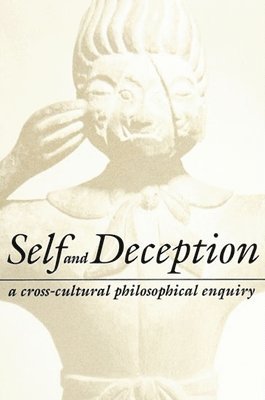
Self and Deception
A Cross-Cultural Philosophical Enquiry
Av Roger T. Ames, Wimal Dissanayake
Inbunden, 1996
1040 kr
Lägg i varukorg
Distinguished scholars discuss the problem of self-deception, or rather, self and deception.This volume contains essays by a range of distinguished philosophers on the problem of self-deception, or rather, self and deception. The work proceeds from the assumption that changing constructions of self …
Self and Deception
A Cross-Cultural Philosophical Enquiry
Av Roger T. Ames, Wimal Dissanayake
Häftad, 1996
391 kr
Lägg i varukorg
Distinguished scholars discuss the problem of self-deception, or rather, self and deception.This volume contains essays by a range of distinguished philosophers on the problem of self-deception, or rather, self and deception. The work proceeds from the assumption that changing constructions of self …
Global/Local
Cultural Production and the Transnational Imaginary
Av Rob Wilson, Wimal Dissanayake
Inbunden, 1996
1407 kr
Lägg i varukorg
This groundbreaking collection focuses on what may be, for cultural studies, the most intriguing aspect of contemporary globalization-the ways in which the postnational restructuring of the world in an era of transnational capitalism has altered how we must think about cultural production. Mapping …
Global/Local
Cultural Production and the Transnational Imaginary
Av Rob Wilson, Wimal Dissanayake
Häftad, 1996
441 kr
Lägg i varukorg
This groundbreaking collection focuses on what may be, for cultural studies, the most intriguing aspect of contemporary globalization-the ways in which the postnational restructuring of the world in an era of transnational capitalism has altered how we must think about cultural production. Mapping …
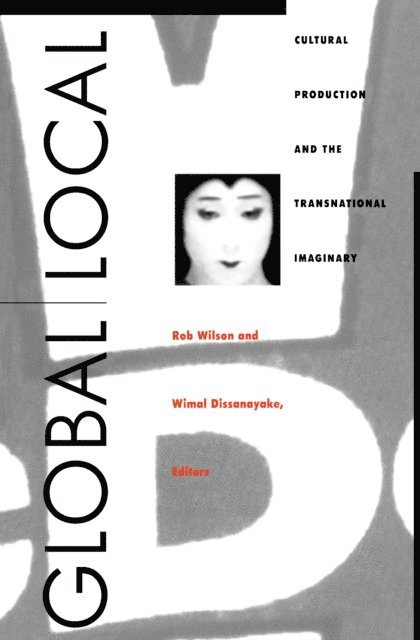
Global/Local
Cultural Production and the Transnational Imaginary
Av Wimal Dissanayake, Rob Wilson
E-bok, 1996
637 kr
Lägg i varukorg
This groundbreaking collection focuses on what may be, for cultural studies, the most intriguing aspect of contemporary globalization—the ways in which the postnational restructuring of the world in an era of transnational capitalism has altered how we must think about cultural production. Mapping …
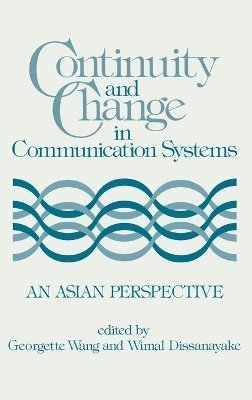
Continuity and Change in Communication Systems
An Asian Perspective
Av Georgett Wang, Wimal Dissanayake m. fl.
Inbunden, 1985
1067 kr
Lägg i varukorg
The growth of developmental and intercultural communication in recent years has prompted scholars to focus their attention on communication systems in non-Western nations, especially those in the Third World. This volume advocates and demonstrates the need to consider continuity and change as the …
News Media In National And International Conflict
Av Wimal Dissanayake, Andrew Arno
E-bok, 2019
796 kr
Lägg i varukorg
Ironically, as telecommunications technology—the embodiment of modernity—advances, bringing people in different nations into more direct contact during conflict situations, traditional cultural factors become increasingly important as differing ways of thinking and acting collide. The mass …
News Media In National And International Conflict
Av Wimal Dissanayake, Andrew Arno
E-bok, 2019
814 kr
Lägg i varukorg
Ironically, as telecommunications technology—the embodiment of modernity—advances, bringing people in different nations into more direct contact during conflict situations, traditional cultural factors become increasingly important as differing ways of thinking and acting collide. The mass …
Popular Culture in a Globalised India
Av K. Moti Gokulsing, Wimal Dissanayake
E-bok, 2009
915 kr
Lägg i varukorg
As India celebrated the sixtieth anniversary of its independence, much praise was lavished on its emergence as a major player on the global stage. Its economic transformation and geopolitical significance as a nuclear power are matched by its globally resonant cultural resources. This book explores …
Popular Culture in a Globalised India
Av K. Moti Gokulsing, Wimal Dissanayake
E-bok, 2009
935 kr
Lägg i varukorg
As India celebrated the sixtieth anniversary of its independence, much praise was lavished on its emergence as a major player on the global stage. Its economic transformation and geopolitical significance as a nuclear power are matched by its globally resonant cultural resources. This book explores …
Rethinking Third Cinema
Av Anthony Guneratne, Wimal Dissanayake
E-bok, 2004
710 kr
Lägg i varukorg
This important anthology addresses established notions about Third Cinema theory, and the cinema practice of developing and postcolonial nations. The ''Third Cinema'' movement called for a politicised film-making practice in Africa, Asia and Latin America, one which would take on board issues of …
Rethinking Third Cinema
Av Anthony Guneratne, Wimal Dissanayake
E-bok, 2004
710 kr
Lägg i varukorg
This important anthology addresses established notions about Third Cinema theory, and the cinema practice of developing and postcolonial nations. The ''Third Cinema'' movement called for a politicised film-making practice in Africa, Asia and Latin America, one which would take on board issues of …
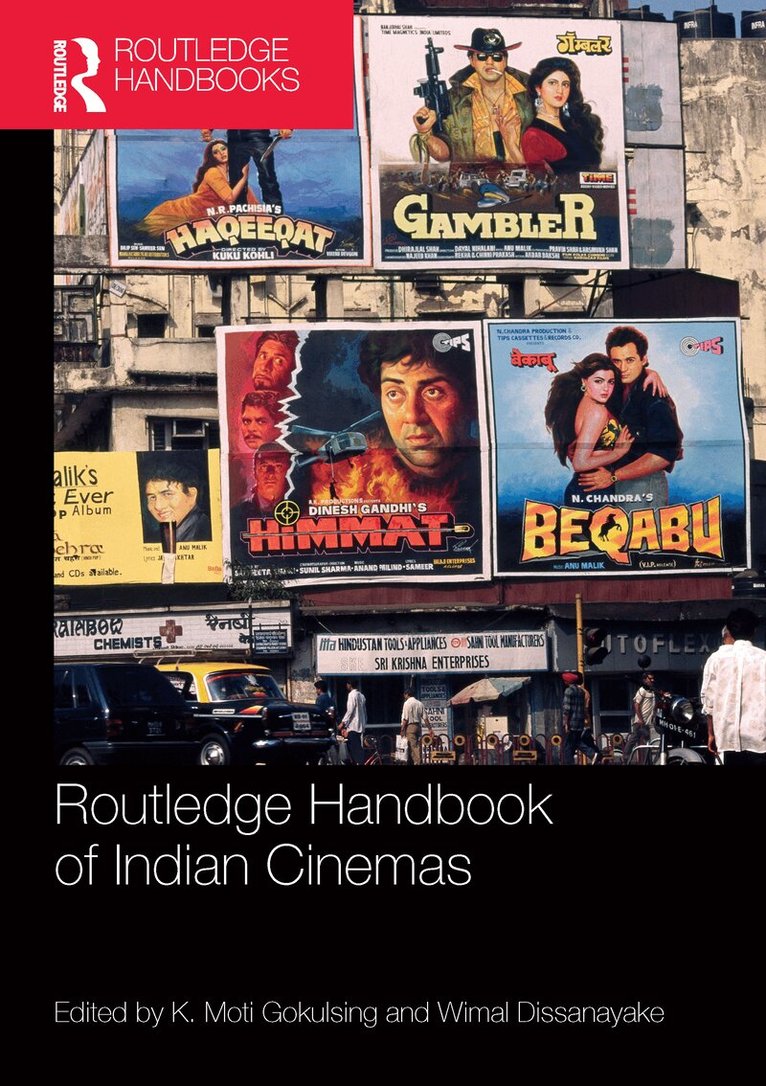
Routledge Handbook of Indian Cinemas
Av K. Gokulsing, Wimal Dissanayake
E-bok, 2013
1029 kr
Lägg i varukorg
India is the largest film producing country in the world and its output has a global reach. After years of marginalisation by academics in the Western world, Indian cinemas have moved from the periphery to the centre of the world cinema in a comparatively short space of time. Bringing together …
Routledge Handbook of Indian Cinemas
Av K. Gokulsing, Wimal Dissanayake
E-bok, 2013
1007 kr
Lägg i varukorg
India is the largest film producing country in the world and its output has a global reach. After years of marginalisation by academics in the Western world, Indian cinemas have moved from the periphery to the centre of the world cinema in a comparatively short space of time. Bringing together …
Routledge Handbook of Indian Cinemas
Av K. Gokulsing, Wimal Dissanayake
Häftad, 2018
873 kr
Lägg i varukorg
India is the largest film producing country in the world and its output has a global reach. After years of marginalization by academics in the Western world, Indian cinemas have moved from the periphery to the center of the world cinema in a comparatively short space of time. Bringing together …
Rethinking Third Cinema
Av Wimal Dissanayake, Anthony Guneratne
Häftad, 2003
663 kr
Tillfälligt slut
This important anthology addresses established notions about Third Cinema theory, and the cinema practice of developing and postcolonial nations. The 'Third Cinema' movement called for a politicised film-making practice in Africa, Asia and Latin America, one which would take on board issues of …
Narratives of Agency
Self-Making in China, India, and Japan
Häftad, 1996
280 kr
Tillfälligt slut
A groundbreaking reconsideration of agency in Asian culture.This multidisciplinary collection underlines the importance of understanding the operations of human agency-defined here as the ability to exert power, specifically in resistance to ideological pressure. In particular, the contributors …
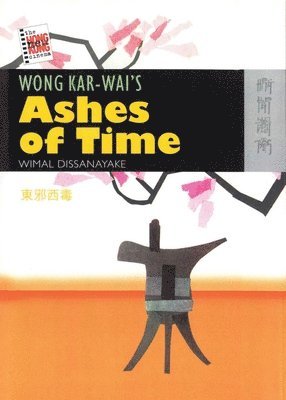
Wong Kar–wai′s Ashes of Time
Av Wimal Dissanayake, Dorothy Wong
Inbunden, 2003
863 kr
Tillfälligt slut
This book presents the nature and significance of Ashes of Time, and the reasons for its being regarded as a landmark in Hong Kong cinema.
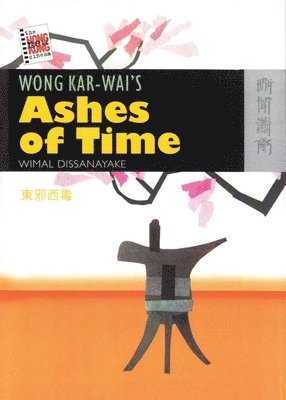
Wong Kar–wai′s Ashes of Time
Av Wimal Dissanayake, Dorothy Wong
Häftad, 2003
401 kr
Tillfälligt slut
This book presents the nature and significance of Ashes of Time, and the reasons for its being regarded as a landmark in Hong Kong cinema.