W.J. Nijhof - Böcker
Visar alla böcker från författaren W.J. Nijhof. Handla med fri frakt och snabb leverans.
7 produkter
7 produkter
1 034 kr
Skickas inom 10-15 vardagar
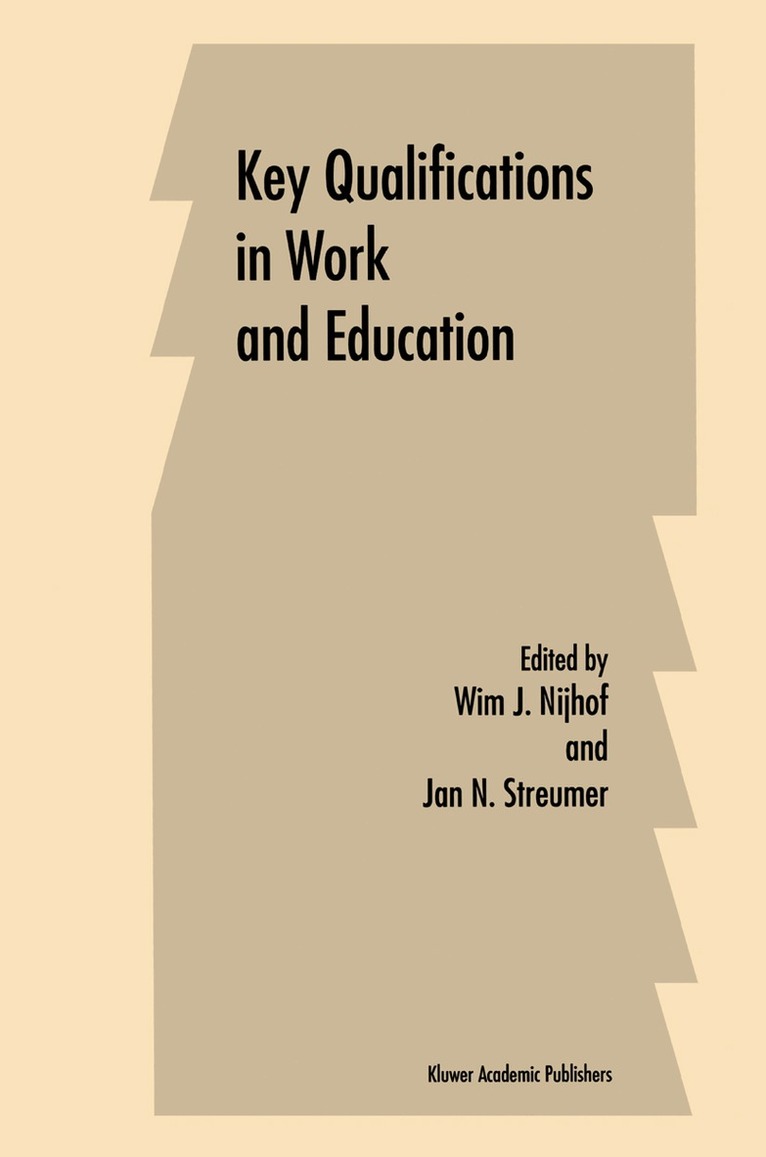
In a rapidly changing world, the characteristics of workers and the jobs that they perform have been affected by technological, social and political change on a global scale. New forms of employment have made work mobile to an extent never experienced before, and an increasing proportion of workers no longer need attend their employers' premises in order to do their work. The instability of employment is creating a new breed of workers who know how to move efficiently from one job to another, and consequently workers need flexible qualifications to enable them to react effectively to, and exercise initiative in, changes to their work, and to shape their own career in a time of diminishing job security.
1 342 kr
Skickas inom 10-15 vardagar
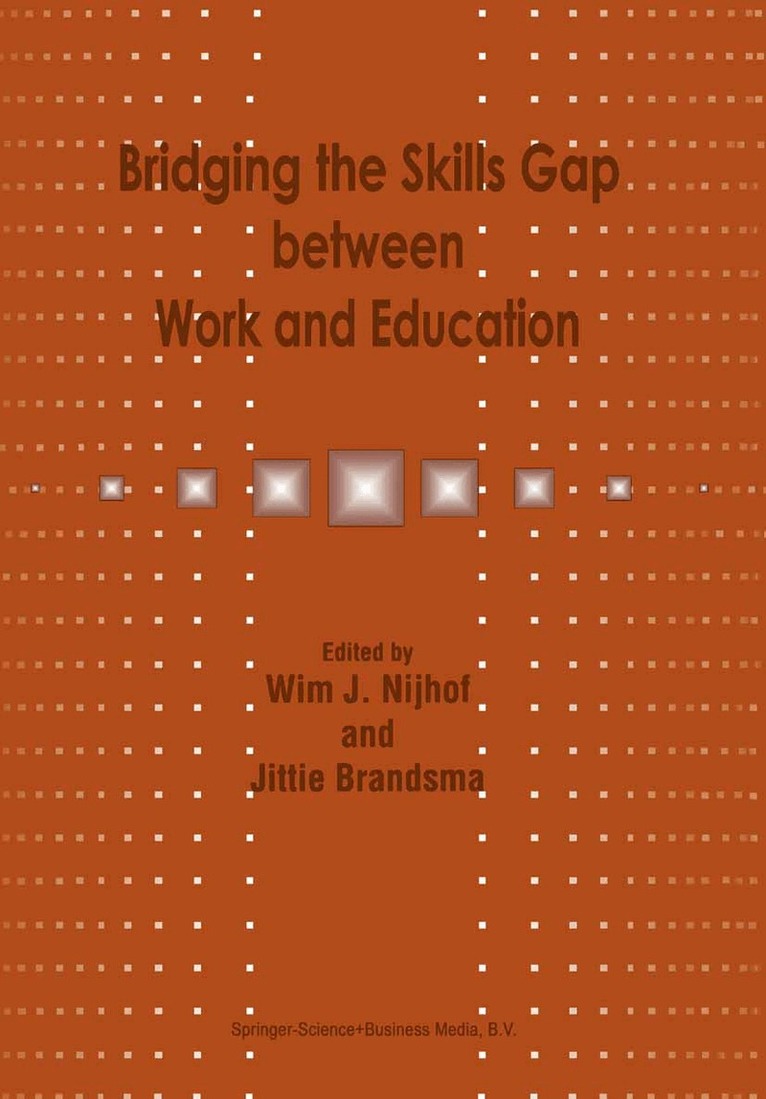
This text takes up the debate about matching vocational education with the labour market, and shows progress in terms of theoretical models, tools (transformation and matching processes), and learning environments. The contributions address the concepts of qualifications and skilling, the role, strengths and weaknesses of practical training, models and processes of becoming skilled, and whether or not one should try to plan the content of vocational programmes in accordance with changing qualifications requirements and skill needs in the labour market is the essential question. The search for effective tools, techniques and transformation models to bridge the skills gap between vocational education and the labour market has produced scenarios, policies, matching models, skill models, and best practices and experiences. The similarity in solutions, showing up the need for core or key skills, the necessity of embedding learning skills in authentic and guided learning environments, shows a perspective of research and developmental work to be tested in schools and in workplaces, to find better curricula for a better skilling.
1 034 kr
Skickas inom 10-15 vardagar
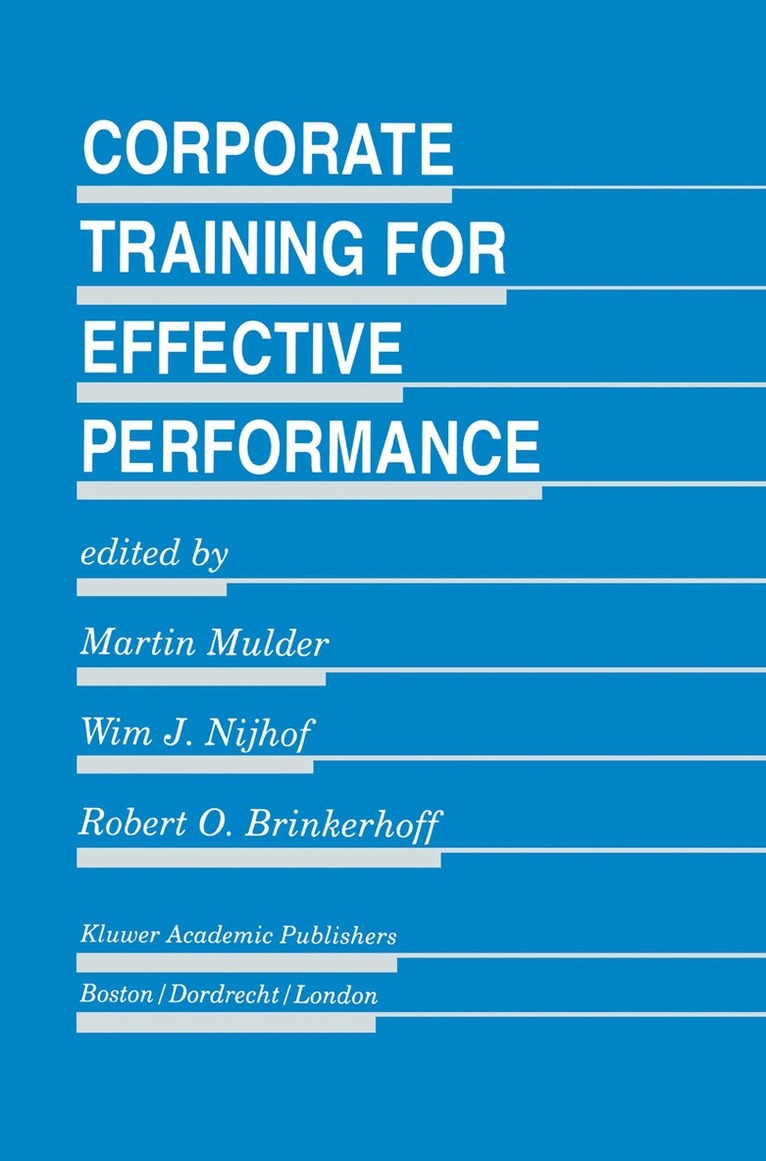
Corporate training and effective performance have become major issues in the 1980s and '90s. Reviews of the training research literature show that, parallel to the growing attention to corporate training, research has also increased in the field, giving a better understanding of the subject and providing fundamental expertise on which trainers can build. The contributions to the book differ in the degree to which they are related to performance issues, but all chapters underline the necessity of thinking from the perspective of effective performance.
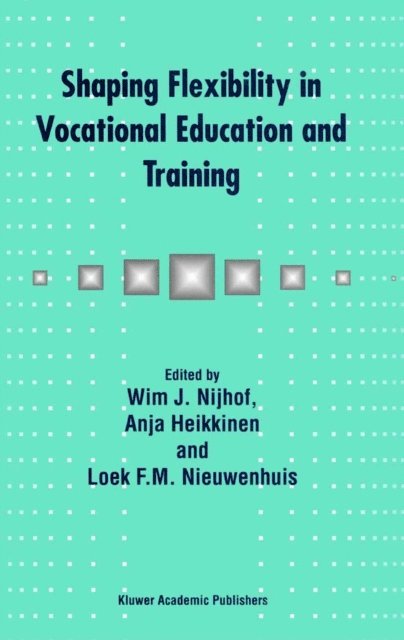
Shaping Flexibility in Vocational Education and Training
Institutional, Curricular and Professional Conditions
Häftad, Engelska, 2003
520 kr
Skickas inom 10-15 vardagar
Flexibility seems to be the core concept of economic and educational change. The promise of solutions to many problems at the individual, institutional, and national level evokes as much controversy as acclaim. This might be related to the different perspectives of actors and researchers involved in problem-solving in Vocational Education and Training (VET), where, on the one hand, solutions should be sought in key qualifications and transferability, in changing teaching and learning processes, while, on the other, political, institutional, organizational, and professional conditions are seen as the key interventions to build a responsive workforce on the basis of a re-engineered VET system. Consequently, flexibility in connection with vocational education and training and the labour market has several divergent connotations.This volume treats flexibility as a system characteristic of VET in analysing key conditions for flexibility: the economic context of VET and the organisational and institutional design of VET; the educational tools and resources for the flexibility of delivery and pathways at national level; and VET professionals as promoters of flexibility, mobility and transferability. Systemic flexibility is seen as a promising educational answer to hyper-innovation and changing economic conditions in the emerging knowledge-based economy. Individuals, local communities, and VET systems should be able to adapt effectively to changing conditions in society, work, and labour markets.
1 342 kr
Skickas inom 10-15 vardagar
This book takes up the debate about matching vocational education with the labour market and shows progress in terms of theoretical models, tools (transformation and matching processes), and learning environments. The solutions, showing up the need for core or key skills, the necessity of embedding learning skills in authentic and guided learning environments, shows a perspective of research and developmen-tal work to be tested in schools and in workplaces, to find better curricula for a better skilling.
1 034 kr
Skickas inom 10-15 vardagar
Reviews of the training research literature show that, parallel to the growing attention to corporate training, research has also increased in the field, giving a better understanding of the subject and providing fundamental expertise on which trainers can build.
1 034 kr
Skickas inom 10-15 vardagar
In today's rapidly changing world a constant renewal of knowledge and skills in every human endeavour can be observed. The characteristics of workers and the jobs that they perform have been attended by technological, social, and political change on a global scale. New forms of employment have made work more mobile to an extent never experienced before. An increasing proportion of workers no longer need come to their employer's job site in order to do their work. The instability of employment is creating a new breed of workers who know how to move efficiently from one job to another. As a consequence workers need flexible qualifications to perform jobs. Key qualifications are the answer! Key qualifications provide the key to rapid and effective acquisition of new knowledge and skills. First, qualifications enable workers to react effectively to, and exercise initiative in, changes to their work. Second, qualifications enable workers to shape their own career in a time of diminishing job security, nowadays frequently defined as `employability'.