Wojciech Bałus - Böcker
Visar alla böcker från författaren Wojciech Bałus. Handla med fri frakt och snabb leverans.
4 produkter
4 produkter
2 150 kr
Skickas inom 10-15 vardagar
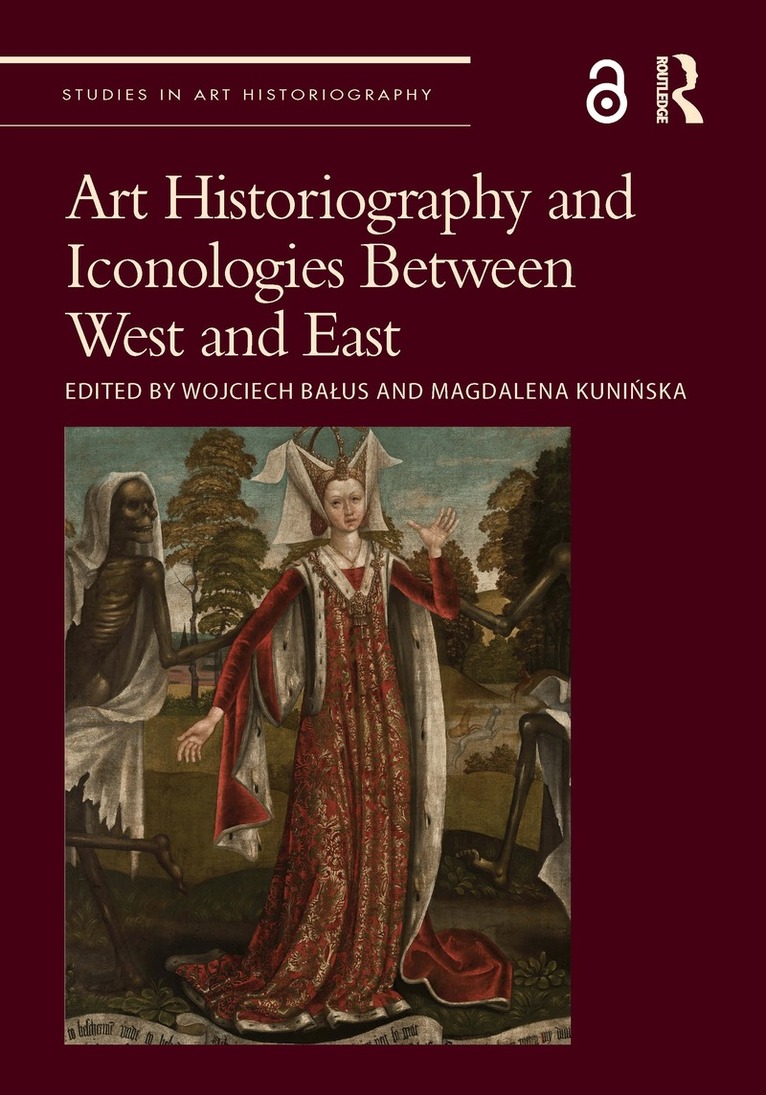
This volume explores a basic question in the historiography of art: the extent to which iconology was a homogenous research method in its own immutable right. By contributing to the rejection of the universalizing narrative, these case studies argue that there were many strands of iconology.Methods that differed from the ‘canonised’ approach of Panofsky were proposed by Godefridus Johannes Hoogewerff and Hans Sedlmayr. Researchers affiliated with the Warburg Institute in London also chose to distance themselves from Panofsky’s work. Poland, in turn, was the breeding ground for yet another distinct variety of iconology. In Communist Czechoslovakia there were attempts to develop a ‘Marxist iconology’. This book, written by recognized experts in the field, examines these and other major strands of iconology, telling the tale of iconology’s reception in the countries formerly behind the Iron Curtain. Attitudes there ranged from enthusiastic acceptance in Poland, to critical reception in the Soviet Union, to reinterpretation in Czechoslovakia and the German Democratic Republic, and, finally, to outright rejection in Romania.The book will be of interest to scholars working in art history, visual studies, and historiography.Chapters 8 and 15 of this book are freely available as a downloadable Open Access PDF at www.taylorfrancis.com under a Creative Commons Attribution-Non Commercial-No Derivatives (CC-BY-NC-ND) 4.0 international license
607 kr
Skickas inom 10-15 vardagar
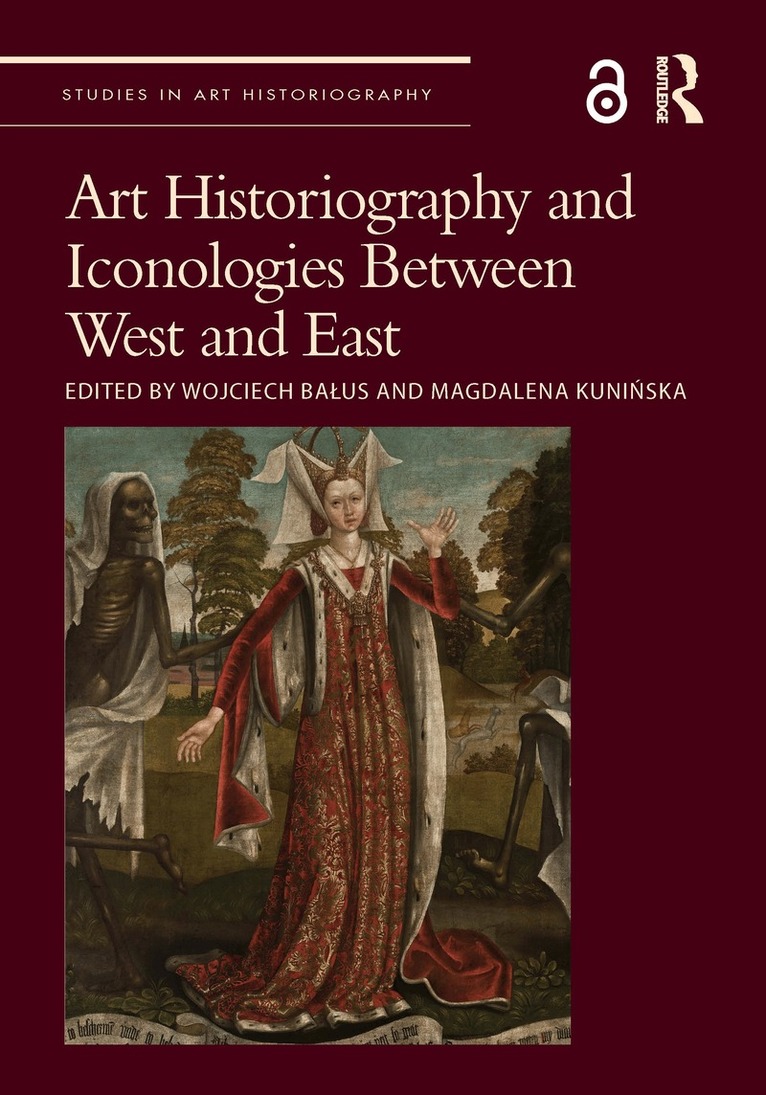
This volume explores a basic question in the historiography of art: the extent to which iconology was a homogenous research method in its own immutable right. By contributing to the rejection of the universalizing narrative, these case studies argue that there were many strands of iconology.Methods that differed from the ‘canonised’ approach of Panofsky were proposed by Godefridus Johannes Hoogewerff and Hans Sedlmayr. Researchers affiliated with the Warburg Institute in London also chose to distance themselves from Panofsky’s work. Poland, in turn, was the breeding ground for yet another distinct variety of iconology. In Communist Czechoslovakia there were attempts to develop a ‘Marxist iconology’. This book, written by recognized experts in the field, examines these and other major strands of iconology, telling the tale of iconology’s reception in the countries formerly behind the Iron Curtain. Attitudes there ranged from enthusiastic acceptance in Poland, to critical reception in the Soviet Union, to reinterpretation in Czechoslovakia and the German Democratic Republic, and, finally, to outright rejection in Romania.The book will be of interest to scholars working in art history, visual studies, and historiography.Chapters 8 and 15 of this book are freely available as a downloadable Open Access PDF at www.taylorfrancis.com under a Creative Commons Attribution-Non Commercial-No Derivatives (CC-BY-NC-ND) 4.0 international license
1 070 kr
Kommande
Für die Geschichte der Kunst des östlichen Mitteleuropas fehlen bislang Darstellungen, die den Raum von Baltikum bis zu Adria als zusammenhängende Geschichtsregion begreifen. Das am GWZO Leipzig projektierte Handbuch stellt somit das erste kunsthistorische Werk dar, das sich dem gemeinsamen kulturellen Erbe der Völker dieser Region widmet und in europäischer Perspektive diskutiert. Die Buchreihe ist dabei nicht allein für das Fachpublikum konzipiert, sondern soll vor allem auch dazu dienen, den aktuellen Forschungsstand nach außen zu tragen und einer breiteren Öffentlichkeit zu vermitteln. Der Konzeption der gesamten Reihe liegen gemeinsame methodische Leitlinien zugrunde, insbesondere der dynamische Begriff des Kulturtransfers, der die kulturhistorischen Prozesse zwischen den einzelnen gesellschaftlichen und ethnischen Gruppen des ostmitteleuropäischen Raums am besten beschreiben kann. Im Fokus stehen damit die Funktion der Kunstwerke und ihre historische Bedingtheit, ihre lokale Verwurzelung ebenso wie die interregionale Verflechtung. Dem wird man am ehesten gerecht, wenn man Vermittlungswege und -akteure im Einzelnen nachvollzieht. Die Achsen des Kulturtransfers, das heißt insbesondere die sich stets wandelnden politisch-kulturellen Beziehungen der Metropolen und Zentren, bildeten das Grundgerüst für die Umrisse des Darstellungsgebiets. Es umfasst die historischen Länder Polens, Litauens, Ungarns, Böhmens und die östlichen Teile des Heiligen Römischen Reichs Deutscher Nation, kurz: die neuen EU-Mitgliedsstaaten Polen, Litauen, Lettland, Estland, die Tschechische und die Slowakische Republik, Ungarn, Slowenien und Rumänien sowie die östlichen Teile Deutschlands und Österreichs, dazu die benachbarten Regionen in Weißrussland, der Ukraine, Kroatien, Serbien usf.
558 kr
Skickas inom 5-8 vardagar