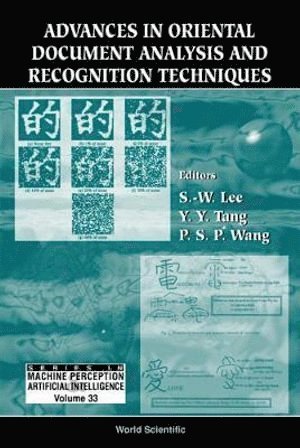
In recent years, rapid progress has been made in computer processing of oriental languages, and the research developments in this area have resulted in tremendous changes in handwriting processing, printed oriental character recognition, document analysis and recognition, automatic input methodologies for oriental languages, etc. Advances in computer processing of oriental languages can also be seen in multimedia computing and the World Wide Web. Many of the results in those domains are presented in this book.
Del 36 - SERIES IN MACHINE PERCEPTION AND ARTIFICIAL INTELLIGENCE
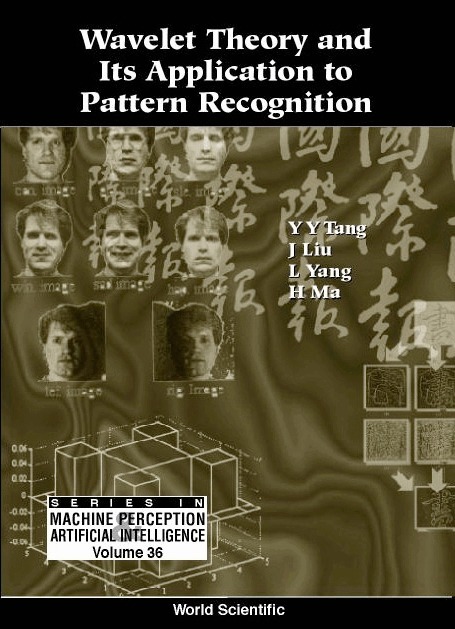
This is not a purely mathematical book. It presents the basic principle of wavelet theory to electrical and electronic engineers, computer scientists, and students, as well as the ideas of how wavelets can be applied to pattern recognition. It also contains many novel research results from the authors' research team.
Del 48 - SERIES IN MACHINE PERCEPTION AND ARTIFICIAL INTELLIGENCE
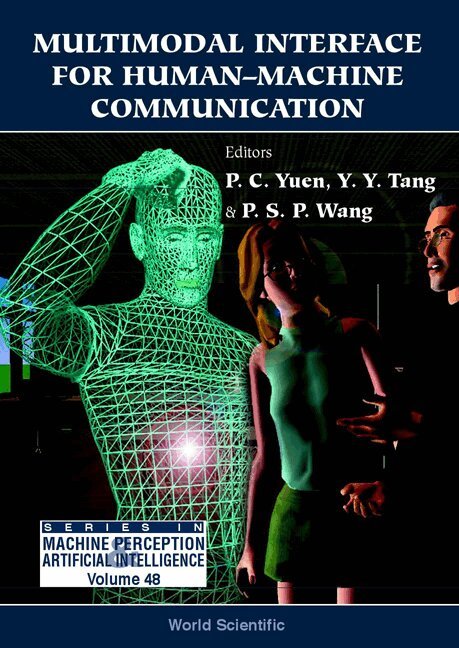
With the advance of speech, image and video technology, human–computer interaction (HCI) will reach a new phase.In recent years, HCI has been extended to human–machine communication (HMC) and the perceptual user interface (PUI). The final goal in HMC is that the communication between humans and machines is similar to human-to-human communication. Moreover, the machine can support human-to-human communication (e.g. an interface for the disabled). For this reason, various aspects of human communication are to be considered in HMC. The HMC interface, called a multimodal interface, includes different types of input methods, such as natural language, gestures, face and handwriting characters.The nine papers in this book have been selected from the 92 high-quality papers constituting the proceedings of the 2nd International Conference on Multimodal Interface (ICMI '99), which was held in Hong Kong in 1999. The papers cover a wide spectrum of the multimodal interface.
In recent years, rapid progress has been made in computer processing of oriental languages, and the research developments in this area have resulted in tremendous changes in handwriting processing, printed oriental character recognition, document analysis and recognition, automatic input methodologies for oriental languages, etc. Advances in computer processing of oriental languages can also be seen in multimedia computing and the World Wide Web. Many of the results in those domains are presented in this book.
Del 36 - SERIES IN MACHINE PERCEPTION AND ARTIFICIAL INTELLIGENCE
This is not a purely mathematical book. It presents the basic principle of wavelet theory to electrical and electronic engineers, computer scientists, and students, as well as the ideas of how wavelets can be applied to pattern recognition. It also contains many novel research results from the authors' research team.
Del 48 - SERIES IN MACHINE PERCEPTION AND ARTIFICIAL INTELLIGENCE
With the advance of speech, image and video technology, human–computer interaction (HCI) will reach a new phase.In recent years, HCI has been extended to human–machine communication (HMC) and the perceptual user interface (PUI). The final goal in HMC is that the communication between humans and machines is similar to human-to-human communication. Moreover, the machine can support human-to-human communication (e.g. an interface for the disabled). For this reason, various aspects of human communication are to be considered in HMC. The HMC interface, called a multimodal interface, includes different types of input methods, such as natural language, gestures, face and handwriting characters.The nine papers in this book have been selected from the 92 high-quality papers constituting the proceedings of the 2nd International Conference on Multimodal Interface (ICMI '99), which was held in Hong Kong in 1999. The papers cover a wide spectrum of the multimodal interface.