Yasir Suleiman-Malley – författare
Visar alla böcker från författaren Yasir Suleiman-Malley. Handla med fri frakt och snabb leverans.
12 produkter
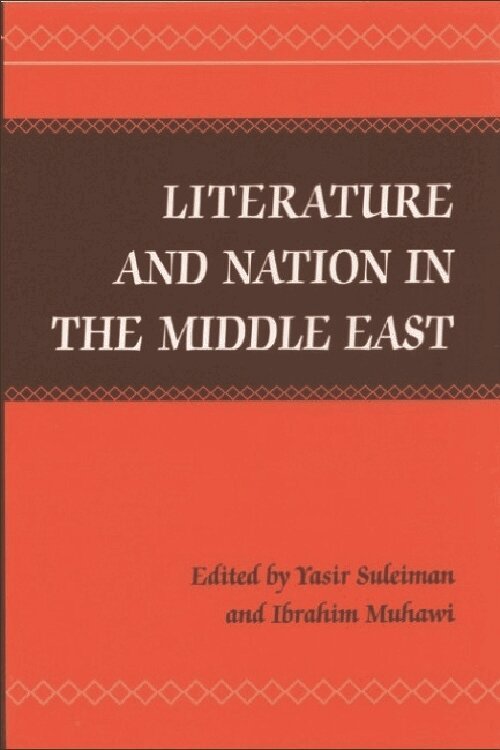
Literature and Nation in the Middle East
Av Yasir Suleiman-Malley, Ibrahim Muhawi
E-bok, 2006
1933 kr
Lägg i varukorg
This compelling study presents an original look at how ‘the nation’ is represented in the literature of the Middle East. It includes chapters on Egypt, Sudan, Lebanon, Iraq, Palestine and Israel, drawing on the expertise of literary scholars, historians, political scientists and cultural …
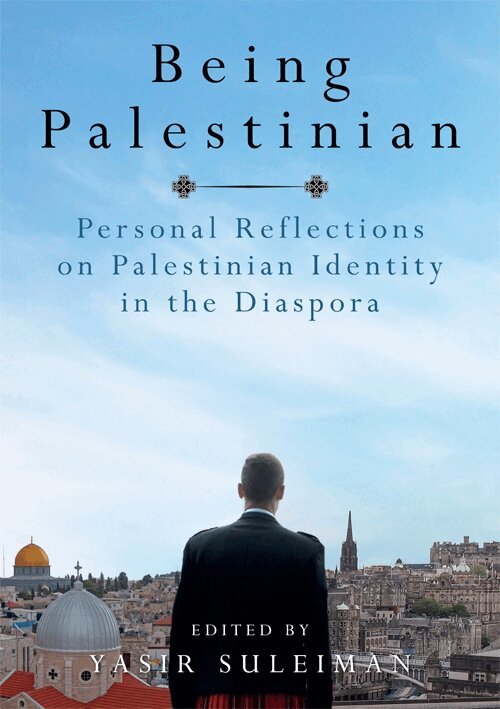
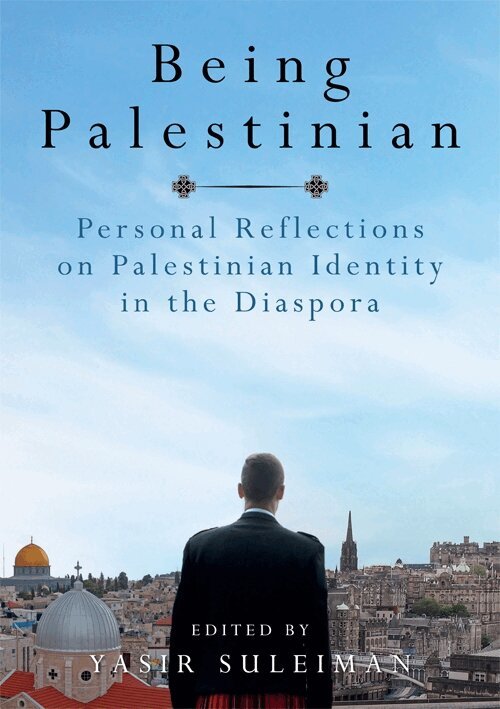
Being Palestinian
Personal Reflections on Palestinian Identity in the Diaspora
Inbunden, 2016
2265 kr
Lägg i varukorg
What does it means to be Palestinian in the diaspora?This collection of 100 personal reflections on being Palestinian is the first book of its kind. Reflecting on Palestinian identity as it is experienced at the individual level, issues of identity, exile, refugee status, nostalgia, belonging and …
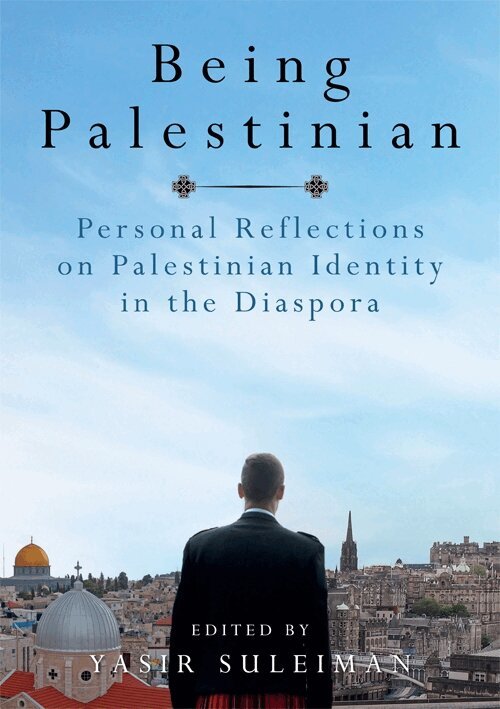
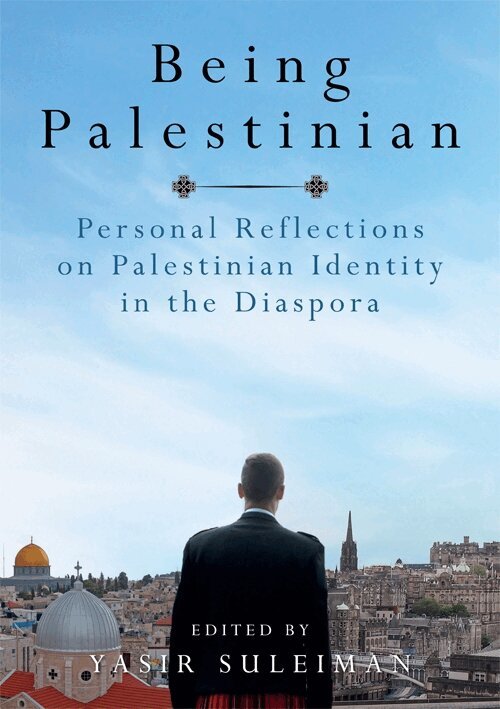
Being Palestinian
Personal Reflections on Palestinian Identity in the Diaspora
E-bok, 2016
321 kr
Lägg i varukorg
What does it means to be Palestinian in the diaspora?This collection of 100 personal reflections on being Palestinian is the first book of its kind. Reflecting on Palestinian identity as it is experienced at the individual level, issues of identity, exile, refugee status, nostalgia, belonging and …
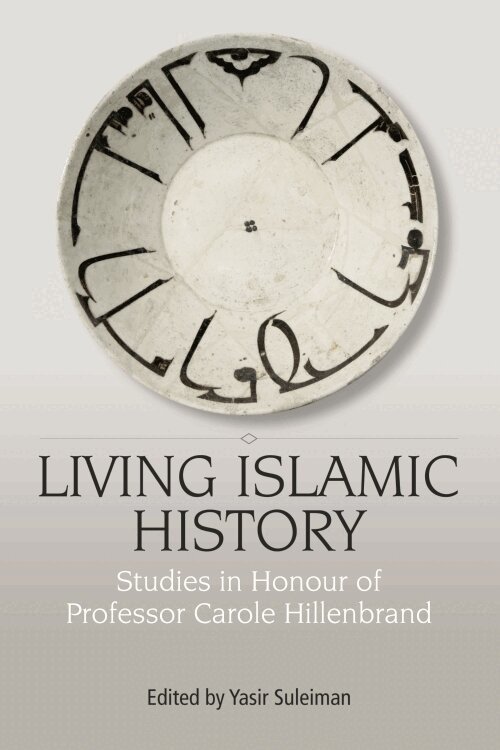
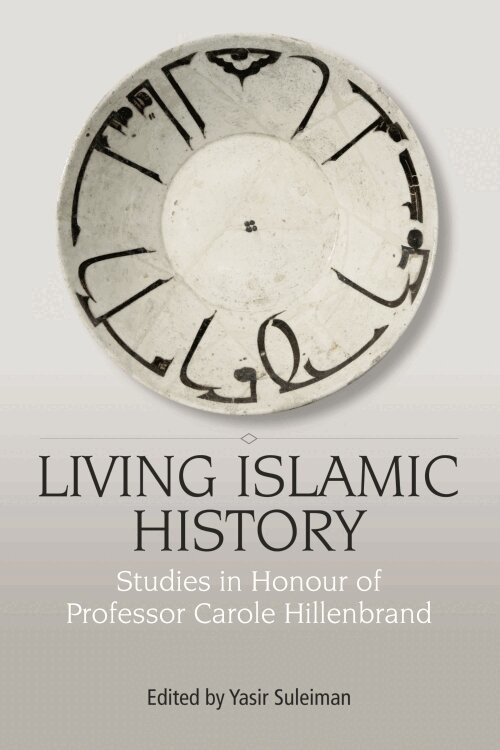
Living Islamic History
Studies in Honour of Professor Carole Hillenbrand
Inbunden, 2010
2265 kr
Lägg i varukorg
Seeking to present fresh evidence and engaging ways of looking at old and new material, this volume contributes to a richer understanding of the interaction between historical events, social trends, religious practices and lived experiences in medieval Turkey and Central Asia, Iran and the …
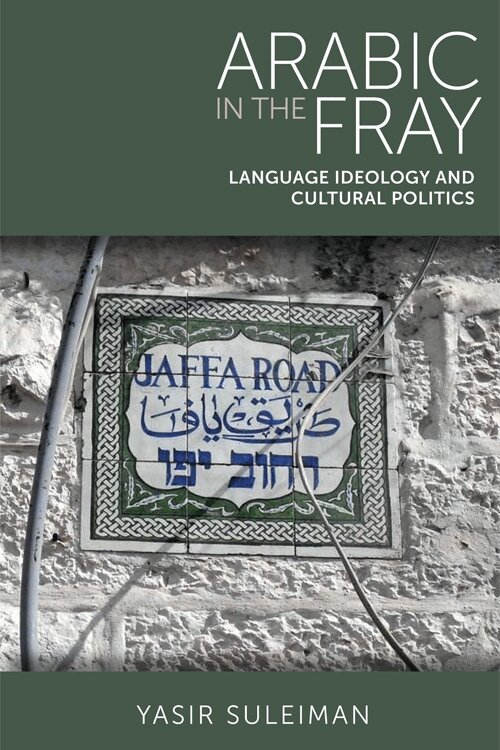
Arabic in the Fray
Language Ideology and Cultural Politics
Inbunden, 2013
1455 kr
Lägg i varukorg
The pre-modern period saw a background of inter-ethnic strife among Arabs and non-Arabs, mainly Persians. Starting from the symbolic and cognitive roles of language, Yasir Suleiman shows how discussions about the inimitability and (un)translatability of the Qur’an in this period were, at some deep …
Living Islamic History
Studies in Honour of Professor Carole Hillenbrand
E-bok, 2010
382 kr
Lägg i varukorg
The publication of this book honours Professor Carole Hillenbrand''s outstanding achievements in and service to Islamic and Middle Eastern Scholarship.It gathers original research from a range of leading international scholars from the UK, Europe and the USA whose chapters throw new light on a set …
Arabic in the Fray
Language Ideology and Cultural Politics
E-bok, 2013
488 kr
Lägg i varukorg
The pre-modern period saw a background of inter-ethnic strife among Arabs and non-Arabs, mainly Persians. Starting from the symbolic and cognitive roles of language, Yasir Suleiman shows how discussions about the inimitability and (un)translatability of the Qur’an in this period were, at some deep …
Arabic in the Fray
Language Ideology and Cultural Politics
E-bok, 2013
488 kr
Lägg i varukorg
The pre-modern period saw a background of inter-ethnic strife among Arabs and non-Arabs, mainly Persians. Starting from the symbolic and cognitive roles of language, Yasir Suleiman shows how discussions about the inimitability and (un)translatability of the Qur’an in this period were, at some deep …
Living Islamic History
Studies in Honour of Professor Carole Hillenbrand
Häftad, 2026
306 kr
Kommande
Seeking to present fresh evidence and engaging ways of looking at old and new material, this volume contributes to a richer understanding of the interaction between historical events, social trends, religious practices and lived experiences in medieval Turkey and Central Asia, Iran and the …
Being Palestinian
Personal Reflections on Palestinian Identity in the Diaspora
Häftad, 2016
380 kr
Lägg i varukorg
What does it means to be Palestinian in the diaspora?This collection of 100 personal reflections on being Palestinian is the first book of its kind. Reflecting on Palestinian identity as it is experienced at the individual level, issues of identity, exile, refugee status, nostalgia, belonging and …
Being Palestinian
Personal Reflections on Palestinian Identity in the Diaspora
E-bok, 2016
321 kr
Lägg i varukorg
What does it means to be Palestinian in the diaspora?This collection of 100 personal reflections on being Palestinian is the first book of its kind. Reflecting on Palestinian identity as it is experienced at the individual level, issues of identity, exile, refugee status, nostalgia, belonging and …
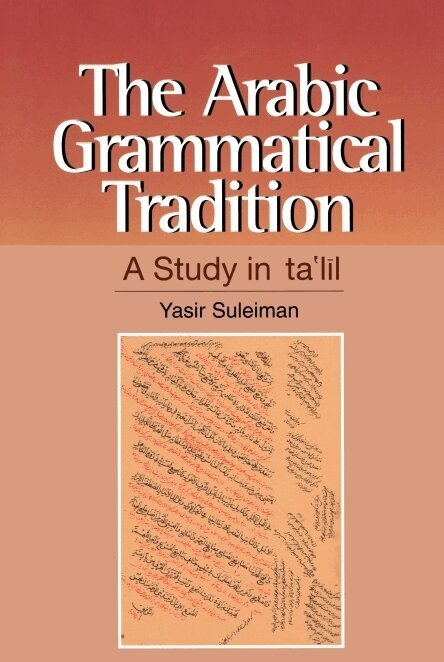
Arabic Grammatical Tradition
A Study in ta‘līl
E-bok, 2019
1574 kr
Lägg i varukorg
The concept of taʿlīl occupies a central position in the Arabic intellectual tradition. In grammar it covers a host of areas of immense theoretical interest, including description, methodology, epistemology and explanation. This book sets out to deal with the concept by investigating the major …