• Fri frakt över 249 kr
  • •
  • Snabba leveranser
  • •
  • Billiga böcker
Kundservice

Du är på sajten för privatpersoner.

Företag, bibliotek eller offentlig verksamhet?

Du handlar på classic.bokus.com, där alla dina funktioner finns intakta.
Till classic.bokus.com
Bokus logotyp. Gå till startsidan.
  • Erbjudanden
  • Nyheter
  • Student
  • Topplistor
  • Barn & ungdom
  • Bokus Play
  • E-böcker
  • Pocketböcker
  • Spel & pussel

10% rabatt på allt med kod NYSTART10 →

Sidfot

Mina sidor

    Hjälp

    • Kundservice
    • Vanliga frågor och svar
    • Frakt och leverans
    • Retur vid ångerrätt
    • Reklamera vara
    • Betalning
    • Köpvillkor
    • Allmänna villkor
    • Information om webbplatsens tillgänglighet

    Om Bokus

    • Om oss
    • Pressrum
    • För studenter
    • För företag
    • För bibliotek och offentlig verksamhet
    • För leverantörer
    • Hållbarhet

    Populärt

    • Aktuella erbjudanden
    • Presentkort
    • Studentlitteratur
    • Nya böcker
    • Topplistor
    • Signerade böcker
    • Engelska böcker

    Inspiration

    • Boktips
    • BookTok
    • Populära bokserier
    • Barnbokskaraktärer
    • Populära författare
    Logotyp för Bokus
    Följ oss på Facebook (extern länk)Följ oss på Instagram (extern länk)Följ oss på YouTube (extern länk)Följ oss på TikTok (extern länk)
    bokus @ CookiesAnpassa cookiesIntegritetspolicyKöpvillkor
    Till Citymail hemsida (extern länk)Till Budbee hemsida (extern länk)Till Postnord hemsida (extern länk)Till Schenker hemsida (extern länk)Till Early Bird hemsida (extern länk)Till Walleys hemsida (extern länk)
    1. Samhälle och politik
    2. Sociologi och antropologi
    3. Antropologi

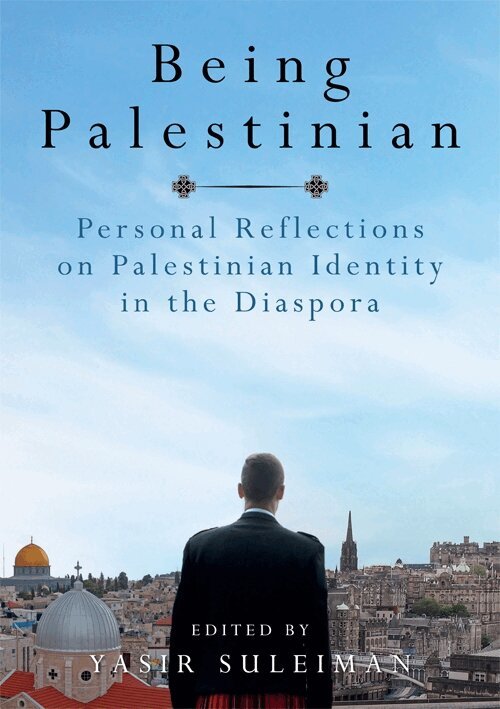
    Being Palestinian

    Personal Reflections on Palestinian Identity in the Diaspora

    AvYasir Suleiman-Malley

    Häftad, Engelska, 2016

    368 kr

    Beställningsvara. Skickas inom 3-6 vardagar. Fri frakt över 249 kr.

    Beskrivning

    What does it means to be Palestinian in the diaspora?This collection of 100 personal reflections on being Palestinian is the first book of its kind. Reflecting on Palestinian identity as it is experienced at the individual level, issues of identity, exile, refugee status, nostalgia, belonging and alienation are at the heart of the book. The contributors speak in many voices, exploring the richness and diversity of identity construction among Palestinians in the diaspora.Included are contributions from Palestinians living in the Anglo-Saxon diaspora, mainly the UK and North America. They come from a variety of professional backgrounds: business people, lawyers, judges, fiction writers, poets, journalists (press, TV and radio), film-makers, diplomats and academics. Men and women, young and old, Christians and Muslims offer essays, as do Palestinians from different generations (first, second and third generations). This mix of professional, gender, faith and generational categories ensures that a variety of voices are heard.The editor sets the scene with an Introduction, and his Epilogue deals with issues of identity, exile and diaspora as concepts that give sense to the personal reflections.Key FeaturesThe first book to gather personal reflections on what it means to be PalestinianContributes to the debate on what it means to be PalestinianAsks what the diaspora is for PalestiniansLooks at how being Palestinian varies across gender, generation, religious affiliation and professional interest.FROM APF:Is being Palestinian a ‘pain in the neck’, or a ‘sentence to suffer gladly’? Does Palestinian identity reside in cross-stitch embroidery, sweet knafeh and the poetry of Mahmoud Darwish, or defending the rights of oppressed communities around the world? Does being Palestinian in diaspora mean anything at all? In this ground-breaking volume, the first of its kind, 102 contributors from North America and the United Kingdom reflect in their own words on what it means to be Palestinian in diaspora. Exploring how Palestine is both lost and found, bereaved and celebrated in diaspora, and the tangled ties between ‘home’ and ‘homeland’, Being Palestinian takes the reader on an intimate journey into the diaspora to reveal a human story: how does it feel when you cannot find Palestine under ‘P’ in the encyclopaedia your father brings home? Why grow fig and orange trees in the Arizona desert? What does it mean to know every inch of a village that no longer exists? Touching, troubling but full of character and wit, the reflections in Being Palestinian offer a radically fresh look at the modern Palestinian experience in the West.

    Produktinformation

    • Utgivningsdatum:2016-01-21
    • Mått:172 x 244 x 19 mm
    • Vikt:724 g
    • Format:Häftad
    • Språk:Engelska
    • Antal sidor:384
    • Förlag:Edinburgh University Press
    • ISBN:9781474405393

    Utforska kategorier

    • Antropologi inom Samhälle och politik
    • Migration inom Samhälle och politik

    Mer om författaren

    Professor Yasir Suleiman is the first holder of His Majesty Sultan Qaboos Bin Sa'id Chair of Modern Arabic Studies and a Fellow of King's College, Cambridge. His many published works include A War of Words: Language and Conflict in the Middle East (2004), The Arabic Language and National Identity: A Study in Ideology (2003), The Arabic Grammatical Tradition: A Study in Tal'liil(1999), Literature and Nation in the Middle East (edited with Ibrahim Muhawi, 2006), Language and Society in the Middle East and North Africa (editor, 1999), Arabic Grammar and Linguistics (editor, 1998), Language and Identity in the Middle East and North Africa (editor, 1996) and Arabic Sociolinguistics: Issues and Perspectives (editor, 1994).

    Recensioner i media

    ‘Diaspora is linked to displacement but is not synonymous with it, not least because displaced people may re-root themselves in new places. In this volume, Diaspora comes into being in the maintenance of personal and collective roots to an Original place of return. This handsome collection of essays speaks in a multiplicity of voices and textures that capture the enduring presence of the homeland in every Diasporic home. Palestinians and non-Palestinians will be moved by it in equal measure.’