Ying-Hsang Liu - Böcker
Visar alla böcker från författaren Ying-Hsang Liu. Handla med fri frakt och snabb leverans.
4 produkter
4 produkter
Information and Knowledge Organisation in Digital Humanities
Global Perspectives
Inbunden, Engelska, 2021
2 162 kr
Skickas inom 10-15 vardagar
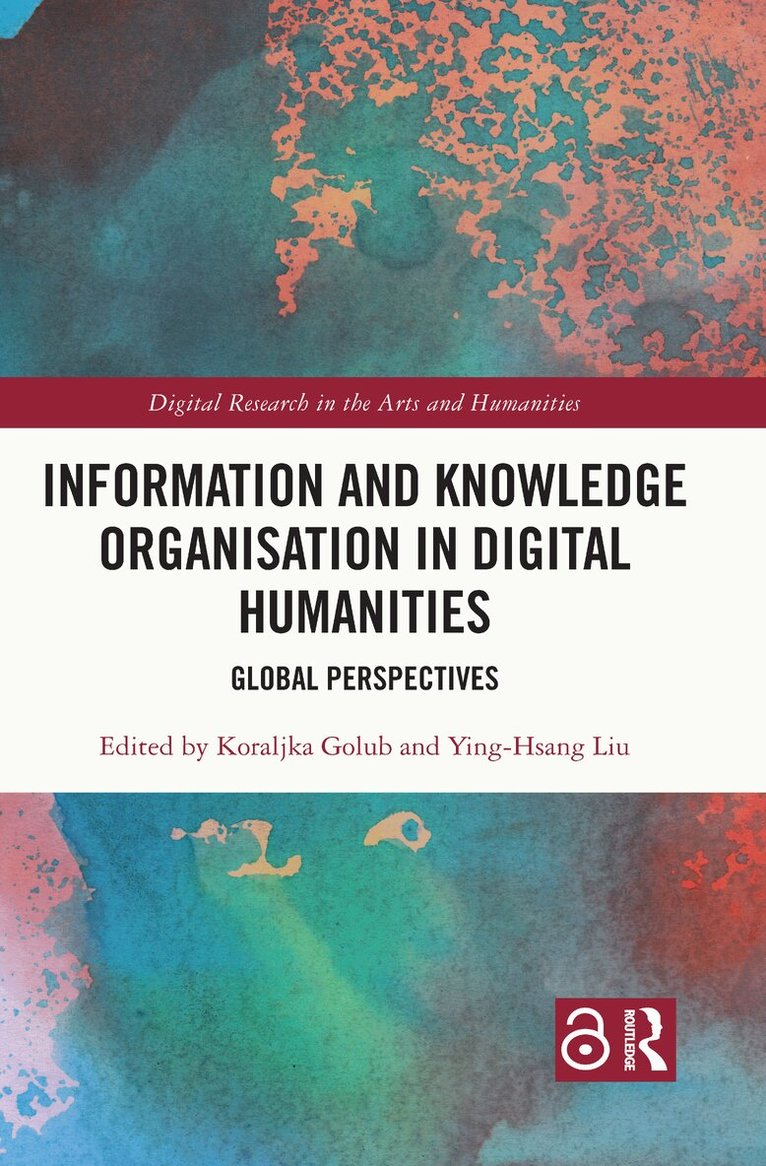
Information and Knowledge Organisation explores the role of knowledge organisation in the digital humanities. By focusing on how information is described, represented and organised in both research and practice, this work furthers the transdisciplinary nature of digital humanities.Including contributions from Asia, Australia, Europe, North America and the Middle East, the volume explores the potential uses of, and challenges involved in, applying the organisation of information and knowledge in the various areas of Digital Humanities. With a particular focus on the digital worlds of cultural heritage collections, the book also includes chapters that focus on machine learning, knowledge graphs, text analysis, text annotations and network analysis. Other topics covered include: semantic technologies, conceptual schemas and data augmentation, digital scholarly editing, metadata creation, browsing, visualisation and relevance ranking. Most importantly, perhaps, the book provides a starting point for discussions about the impact of information and knowledge organisation and related tools on the methodologies used in the Digital Humanities field.Information and Knowledge Organisation is intended for use by researchers, students and professionals interested in the role information and knowledge organisation plays in the Digital Humanities. It will be essential reading for those working in library and information science, computer science and across the humanities. The Open Access version of this book, available at www.taylorfrancis.com, has been made available under a Creative Commons Attribution-Non Commercial-No Derivatives 4.0 license.
Information and Knowledge Organisation in Digital Humanities
Global Perspectives
Häftad, Engelska, 2023
591 kr
Skickas inom 10-15 vardagar
Information and Knowledge Organisation explores the role of knowledge organisation in the digital humanities. By focusing on how information is described, represented and organised in both research and practice, this work furthers the transdisciplinary nature of digital humanities.Including contributions from Asia, Australia, Europe, North America and the Middle East, the volume explores the potential uses of, and challenges involved in, applying the organisation of information and knowledge in the various areas of Digital Humanities. With a particular focus on the digital worlds of cultural heritage collections, the book also includes chapters that focus on machine learning, knowledge graphs, text analysis, text annotations and network analysis. Other topics covered include: semantic technologies, conceptual schemas and data augmentation, digital scholarly editing, metadata creation, browsing, visualisation and relevance ranking. Most importantly, perhaps, the book provides a starting point for discussions about the impact of information and knowledge organisation and related tools on the methodologies used in the Digital Humanities field.Information and Knowledge Organisation is intended for use by researchers, students and professionals interested in the role information and knowledge organisation plays in the Digital Humanities. It will be essential reading for those working in library and information science, computer science and across the humanities. The Open Access version of this book, available at www.taylorfrancis.com, has been made available under a Creative Commons Attribution-Non Commercial-No Derivatives 4.0 license.
1 140 kr
Skickas inom 7-10 vardagar
To make sense of data and use it effectively, it is essential to know where it comes from and how it has been processed and used. This is the domain of paradata, an emerging interdisciplinary field with wide applications. As digital data rapidly accumulates in repositories worldwide, this comprehensive introductory book, the first of its kind, shows how to make that data accessible and reusable. In addition to covering basic concepts of paradata, the book supports practice with coverage of methods for generating, documenting, identifying and managing paradata, including formal metadata, narrative descriptions and qualitative and quantitative backtracking. The book also develops a unifying reference model to help readers contextualise the role of paradata within a wider system of knowledge, practices and processes, and provides a vision for the future of the field. This guide to general principles and practice is ideal for researchers, students and data managers. This title is also available as open access on Cambridge Core.
510 kr
Skickas inom 7-10 vardagar
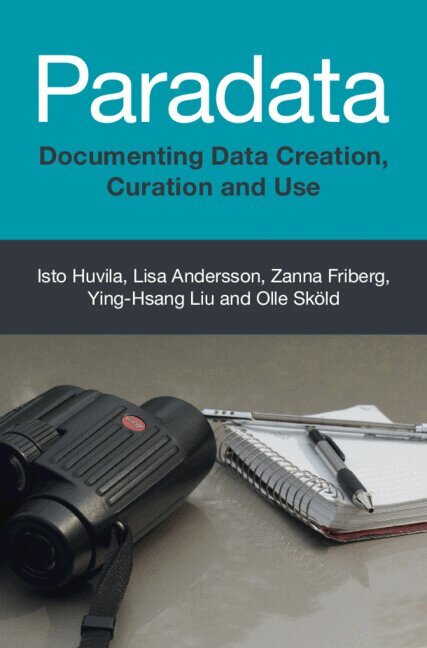
To make sense of data and use it effectively, it is essential to know where it comes from and how it has been processed and used. This is the domain of paradata, an emerging interdisciplinary field with wide applications. As digital data rapidly accumulates in repositories worldwide, this comprehensive introductory book, the first of its kind, shows how to make that data accessible and reusable. In addition to covering basic concepts of paradata, the book supports practice with coverage of methods for generating, documenting, identifying and managing paradata, including formal metadata, narrative descriptions and qualitative and quantitative backtracking. The book also develops a unifying reference model to help readers contextualise the role of paradata within a wider system of knowledge, practices and processes, and provides a vision for the future of the field. This guide to general principles and practice is ideal for researchers, students and data managers. This title is also available as open access on Cambridge Core.