Yitzhak M. Brudny – författare
Visar alla böcker från författaren Yitzhak M. Brudny. Handla med fri frakt och snabb leverans.
9 produkter
Bread and Autocracy
Food, Politics, and Security in Putin's Russia
Av Janetta Azarieva, Yitzhak M. Brudny m. fl.
Inbunden, 2023
1034 kr
Lägg i varukorg
Food has been crucial to the functioning and survival of governments and regimes since the emergence of early states. Yet, only in a few countries is the connection between food and politics as pronounced as in Russia. Since the 1917 Revolution, virtually every significant development in Russian …
Bread and Autocracy
Food, Politics, and Security in Putin's Russia
Av Janetta Azarieva, Yitzhak M. Brudny m. fl.
Häftad, 2023
310 kr
Lägg i varukorg
Food has been crucial to the functioning and survival of governments and regimes since the emergence of early states. Yet, only in a few countries is the connection between food and politics as pronounced as in Russia. Since the 1917 Revolution, virtually every significant development in Russian …
Bread and Autocracy
Food, Politics, and Security in Putin''s Russia
Av Eugene Finkel, Yitzhak M. Brudny m. fl.
E-bok, 2023
245 kr
Lägg i varukorg
Food has been crucial to the functioning and survival of governments and regimes since the emergence of early states. Yet, only in a few countries is the connection between food and politics as pronounced as in Russia. Since the 1917 Revolution, virtually every significant development in Russian …
Bread and Autocracy
Food, Politics, and Security in Putin''s Russia
Av Eugene Finkel, Yitzhak M. Brudny m. fl.
E-bok, 2023
245 kr
Lägg i varukorg
Food has been crucial to the functioning and survival of governments and regimes since the emergence of early states. Yet, only in a few countries is the connection between food and politics as pronounced as in Russia. Since the 1917 Revolution, virtually every significant development in Russian …
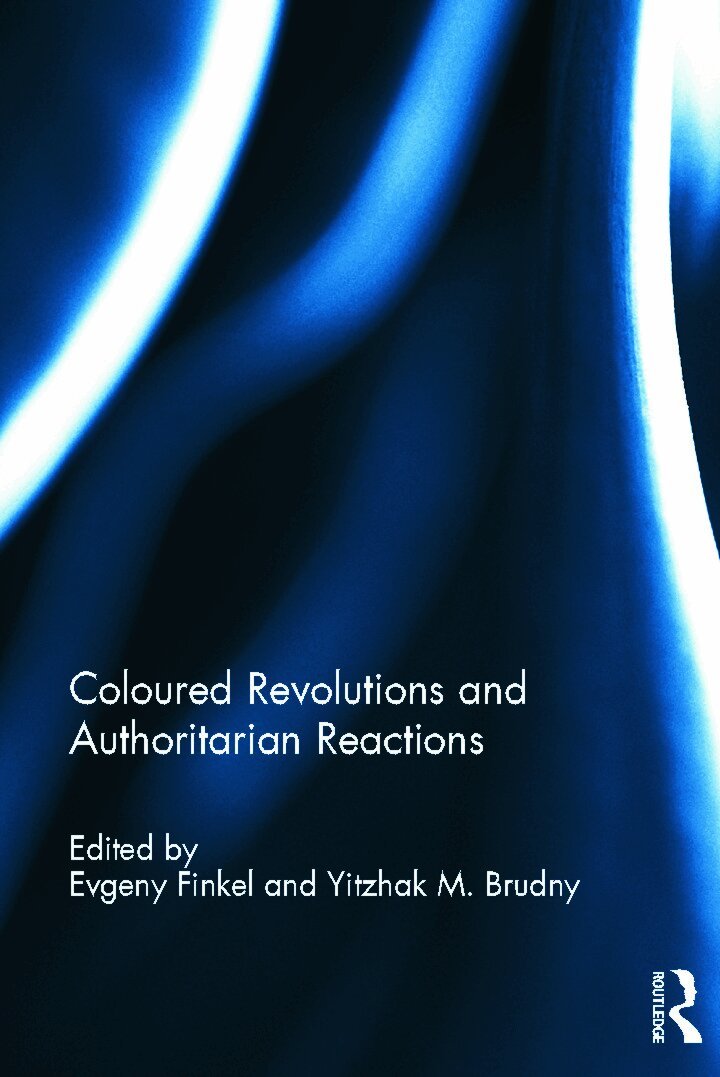
Coloured Revolutions and Authoritarian Reactions
Av Evgeny Finkel, Yitzhak M. Brudny
Inbunden, 2013
1520 kr
Lägg i varukorg
Between 2000 and 2005, colour revolutions swept away authoritarian and semi-authoritarian regimes in Serbia, Georgia, Kyrgyzstan and Ukraine. Yet, after these initial successes, attempts to replicate the strategies failed to produce regime change elsewhere in the region. The book argues that …
Reinventing Russia
Russian Nationalism and the Soviet State, 1953-1991
Häftad, 2000
335 kr
Lägg i varukorg
What caused the emergence of nationalist movements in many post-communist states? What role did communist regimes play in fostering these movements? Why have some been more successful than others? To address these questions, Yitzhak Brudny traces the Russian nationalist movement from its origins …
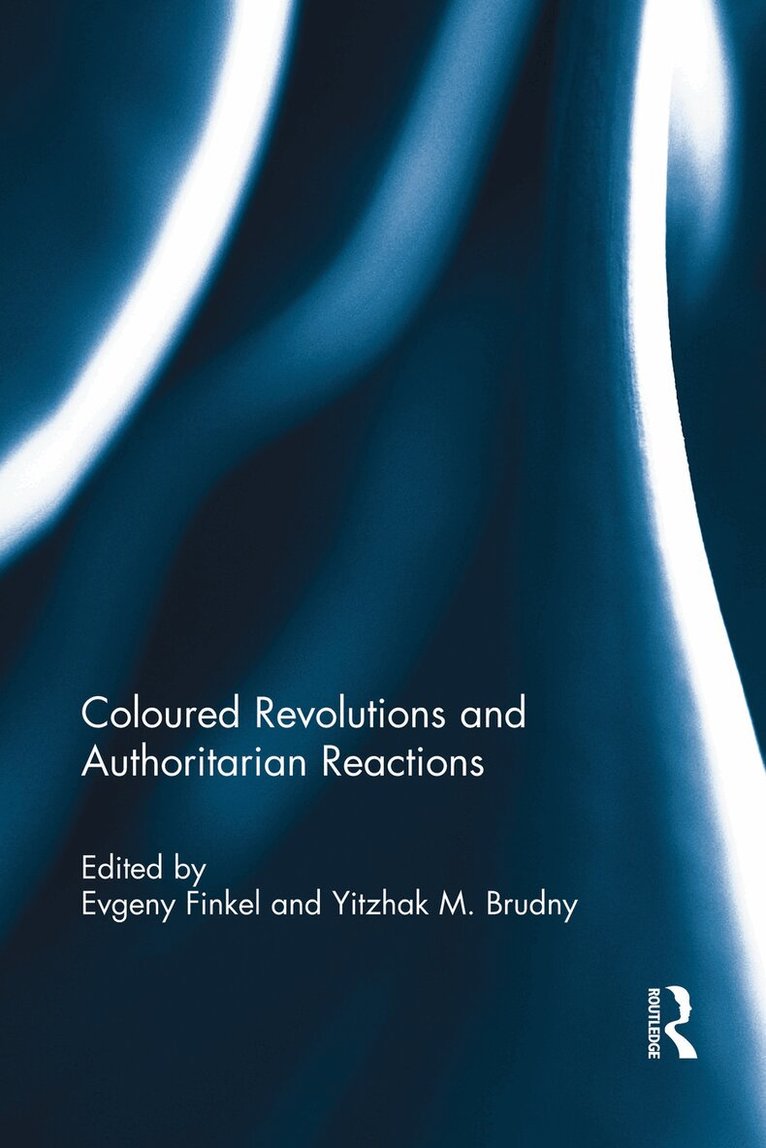
Coloured Revolutions and Authoritarian Reactions
Av Evgeny Finkel, Yitzhak M. Brudny
Häftad, 2015
487 kr
Lägg i varukorg
Between 2000 and 2005, colour revolutions swept away authoritarian and semi-authoritarian regimes in Serbia, Georgia, Kyrgyzstan and Ukraine. Yet, after these initial successes, attempts to replicate the strategies failed to produce regime change elsewhere in the region. The book argues that …
Coloured Revolutions and Authoritarian Reactions
Av Yitzhak M. Brudny, Evgeny Finkel
E-bok, 2014
559 kr
Lägg i varukorg
Between 2000 and 2005, colour revolutions swept away authoritarian and semi-authoritarian regimes in Serbia, Georgia, Kyrgyzstan and Ukraine. Yet, after these initial successes, attempts to replicate the strategies failed to produce regime change elsewhere in the region. The book argues that …
Coloured Revolutions and Authoritarian Reactions
Av Yitzhak M. Brudny, Evgeny Finkel
E-bok, 2014
572 kr
Lägg i varukorg
Between 2000 and 2005, colour revolutions swept away authoritarian and semi-authoritarian regimes in Serbia, Georgia, Kyrgyzstan and Ukraine. Yet, after these initial successes, attempts to replicate the strategies failed to produce regime change elsewhere in the region. The book argues that …