Yohannes Haile-Selassie – författare
Visar alla böcker från författaren Yohannes Haile-Selassie. Handla med fri frakt och snabb leverans.
4 produkter
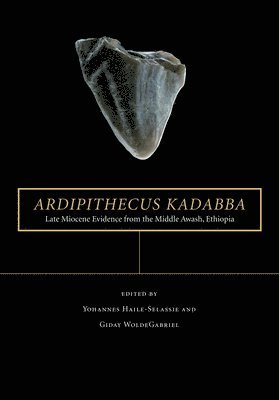
Ardipithecus kadabba
Late Miocene Evidence from the Middle Awash, Ethiopia
Av Giday WoldeGabriel, Yohannes Haile-Selassie
E-bok, 2009
1230 kr
Lägg i varukorg
The second volume in a series dedicated to fossil discoveries made in the Afar region of Ethiopia, this work contains the definitive description of the geological context and paleoenvironment of the early hominid Ardipithecus kadabba. This research by an international team describes Middle Awash …
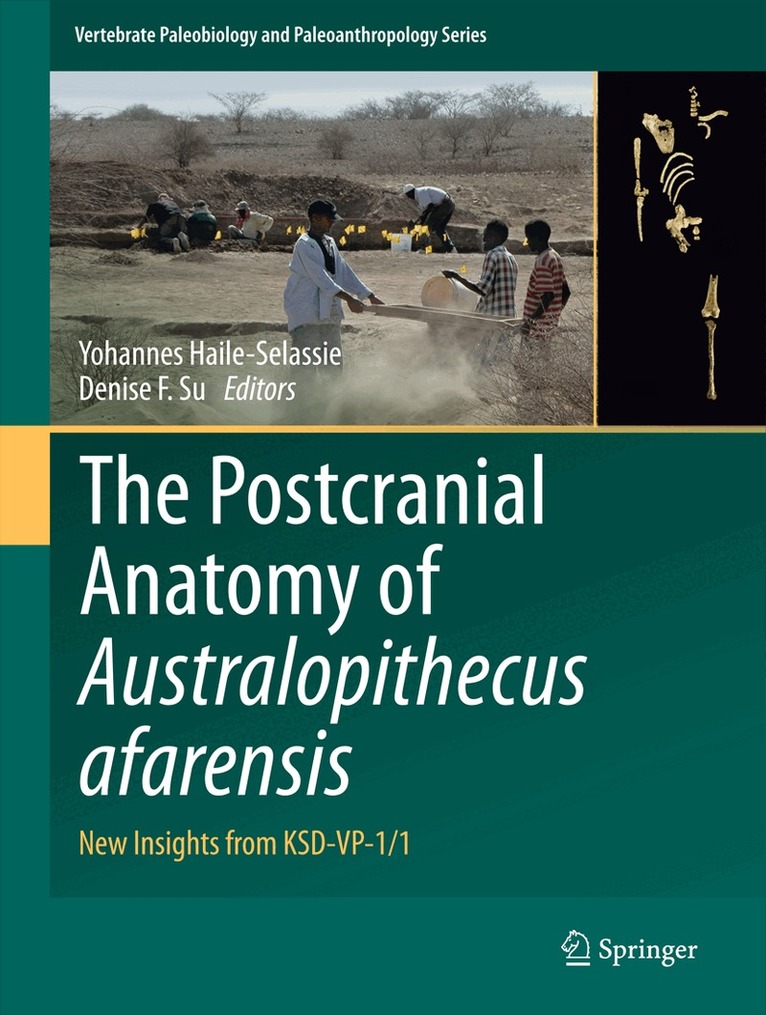
Postcranial Anatomy of Australopithecus afarensis
New Insights from KSD-VP-1/1
Av Yohannes Haile-Selassie, Denise F. Su
Inbunden, 2016
1204 kr
Lägg i varukorg
This volume describes a 3.6 million-years-old partial skeleton of Australopithecus afarensis from the Woranso-Mille, central Afar, Ethiopia. This specimen is the first adult partial skeleton to be recovered since Lucy’s (A.L. 288-1) discovery in 1974. It is older than Lucy by 400,000 years and …
Postcranial Anatomy of Australopithecus afarensis
New Insights from KSD-VP-1/1
Av Denise F. Su, Yohannes Haile-Selassie
E-bok, 2015
1634 kr
Lägg i varukorg
This volume describes a 3.6 million-years-old partial skeleton of A ustralopithecus afarensis from the Woranso-Mille, central Afar, Ethiopia. This specimen is the first adult partial skeleton to be recovered since Lucy’s (A.L. 288-1) discovery in 1974. It is older than Lucy by 400,000 years and …
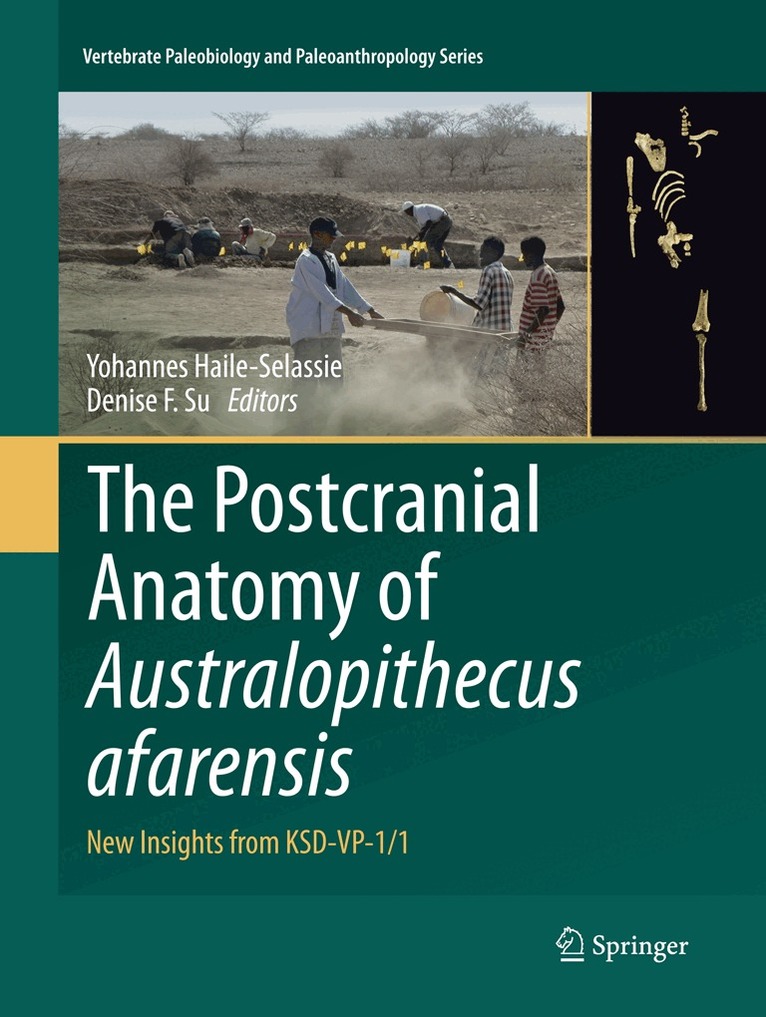
Postcranial Anatomy of Australopithecus afarensis
New Insights from KSD-VP-1/1
Av Yohannes Haile-Selassie, Denise F. Su
Häftad, 2018
1240 kr
Lägg i varukorg
This volume describes a 3.6 million-years-old partial skeleton of Australopithecus afarensis from the Woranso-Mille, central Afar, Ethiopia. This specimen is the first adult partial skeleton to be recovered since Lucy’s (A.L. 288-1) discovery in 1974. It is older than Lucy by 400,000 years and …