Yolanda Sealey-Ruiz – författare
Visar alla böcker från författaren Yolanda Sealey-Ruiz. Handla med fri frakt och snabb leverans.
15 produkter
15 produkter
Häftad, Engelska, 2021
333 kr
Skickas inom 5-8 vardagar
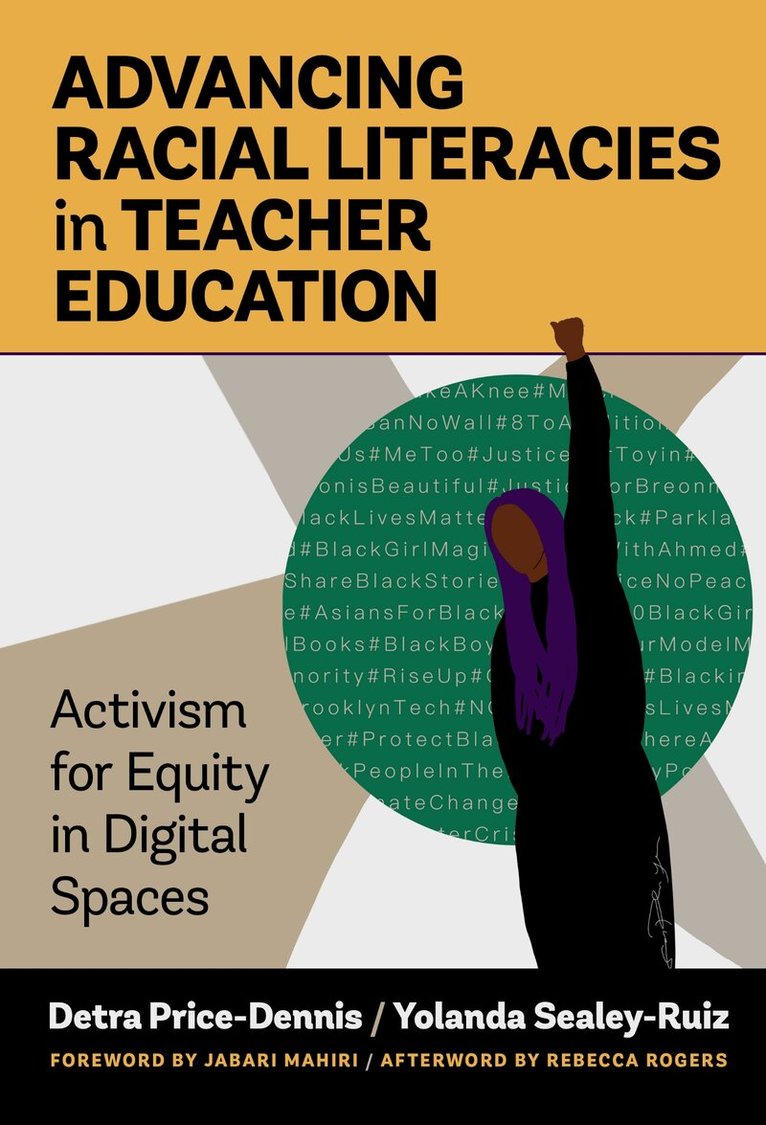
Today's students use their digital expertise and the power of their voice to respond to issues of inequity in society. It is essential that teacher educators develop their own racial literacies and those of their preservice and classroom teachers to support student digital activism. From talking about race and racism to resisting the harmful narratives that circulate online but impact face-to-face interactions in the classroom, teacher educators must navigate sociotechnical spaces with a critical lens and develop strategies to help their preservice teachers do the same. This book is designed to increase educators' capacity and agency to respond to inequities that plague our educational system. The authors provide a framework to help readers rethink how curriculum and pedagogy impact classroom instruction. In Advancing Racial Literacies in Teacher Education, Price-Dennis and Sealey-Ruiz provide theoretical and practical entry points into a conversation about race in the digital age that aim to increase equity in schools and better prepare teachers entering the U.S. school system.Book Features:Provides examples of how racial literacy can be fostered in teacher education programs.Offers reflection questions designed to assess the status of racial literacy in both teacher education programs and K–12 classrooms. Helps educators develop curriculums that leverage multimodal ways of cultivating racial literacy.Offers a conceptual model of racial literacy for the digital age that advances civic engagement for equity in education.Focuses on pedagogical practices that support racial literacy development in teacher education.Includes a Foreword by Jabari Mahiri and an Afterword by Rebecca Rogers, leading scholars in the field of racial literacy.
Inbunden, Engelska, 2021
1 078 kr
Skickas inom 11-20 vardagar
Today's students use their digital expertise and the power of their voice to respond to issues of inequity in society. It is essential that teacher educators develop their own racial literacies and those of their preservice and classroom teachers to support student digital activism. From talking about race and racism to resisting the harmful narratives that circulate online but impact face-to-face interactions in the classroom, teacher educators must navigate sociotechnical spaces with a critical lens and develop strategies to help their preservice teachers do the same. This book is designed to increase educators' capacity and agency to respond to inequities that plague our educational system. The authors provide a framework to help readers rethink how curriculum and pedagogy impact classroom instruction. In Advancing Racial Literacies in Teacher Education, Price-Dennis and Sealey-Ruiz provide theoretical and practical entry points into a conversation about race in the digital age that aim to increase equity in schools and better prepare teachers entering the U.S. school system.Book Features:Provides examples of how racial literacy can be fostered in teacher education programs.Offers reflection questions designed to assess the status of racial literacy in both teacher education programs and K–12 classrooms. Helps educators develop curriculums that leverage multimodal ways of cultivating racial literacy.Offers a conceptual model of racial literacy for the digital age that advances civic engagement for equity in education.Focuses on pedagogical practices that support racial literacy development in teacher education.Includes a Foreword by Jabari Mahiri and an Afterword by Rebecca Rogers, leading scholars in the field of racial literacy.
Inbunden, Engelska, 2024
2 090 kr
Skickas inom 10-15 vardagar
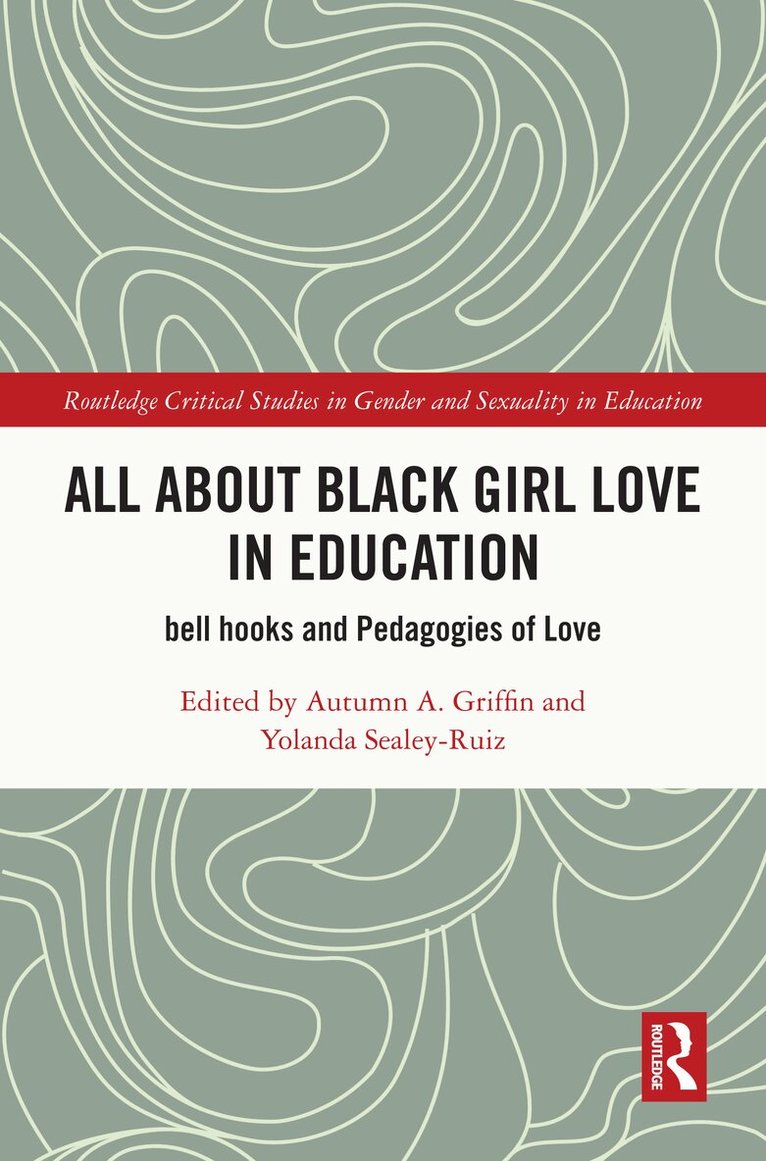
Drawing from bell hooks' 1999 book All About Love, this volume builds on theories of love as they relate to Black Girlhood in education, shedding light on educational practices rooted in love and exploring strategies for centering Black girls and love in Grades K-12.Bringing together voices of scholars, poets, and visual artists who theorize Black Girlhood, the collection pays particular attention to practices, acts, communities, and pedagogies of love. An antidote to the physical, emotional, and psychological violence to which Black girls in the United States are subjected on a daily basis at the hands of those who work in schooling environments, it shows how teachers, school leaders, community educators, and researchers might use love as a framework for changing the narrative and experiences of Black girls. Crucially, though, in conversation with negative aspects of how Black girls experience school, it argues for a shift in perspective that highlights the myriad of ways Black girls do and can receive love within schooling spaces.Read through one of the most influential Black feminist scholars of all time, it presents a novel alternative to the dearth of research that focuses on the violence, neglect, and exclusion Black girls experience in schools, expands the scholarship on Black girls, (re)centers love in the work that educators do, and connects theoretical orientations that characterize Black girl love to practice both in and outside of classrooms. It will appeal to scholars, researchers, and educators working in the fields on urban education, race and ethnicity in education, gender studies, literacy, multicultural education, and diversity and equity in education.
Häftad, Engelska, 2024
558 kr
Skickas inom 10-15 vardagar
Drawing from bell hooks' 1999 book All About Love, this volume builds on theories of love as they relate to Black Girlhood in education, shedding light on educational practices rooted in love and exploring strategies for centering Black girls and love in Grades K-12.Bringing together voices of scholars, poets, and visual artists who theorize Black Girlhood, the collection pays particular attention to practices, acts, communities, and pedagogies of love. An antidote to the physical, emotional, and psychological violence to which Black girls in the United States are subjected on a daily basis at the hands of those who work in schooling environments, it shows how teachers, school leaders, community educators, and researchers might use love as a framework for changing the narrative and experiences of Black girls. Crucially, though, in conversation with negative aspects of how Black girls experience school, it argues for a shift in perspective that highlights the myriad of ways Black girls do and can receive love within schooling spaces.Read through one of the most influential Black feminist scholars of all time, it presents a novel alternative to the dearth of research that focuses on the violence, neglect, and exclusion Black girls experience in schools, expands the scholarship on Black girls, (re)centers love in the work that educators do, and connects theoretical orientations that characterize Black girl love to practice both in and outside of classrooms. It will appeal to scholars, researchers, and educators working in the fields on urban education, race and ethnicity in education, gender studies, literacy, multicultural education, and diversity and equity in education.
Häftad, Engelska, 2026
327 kr
Kommande
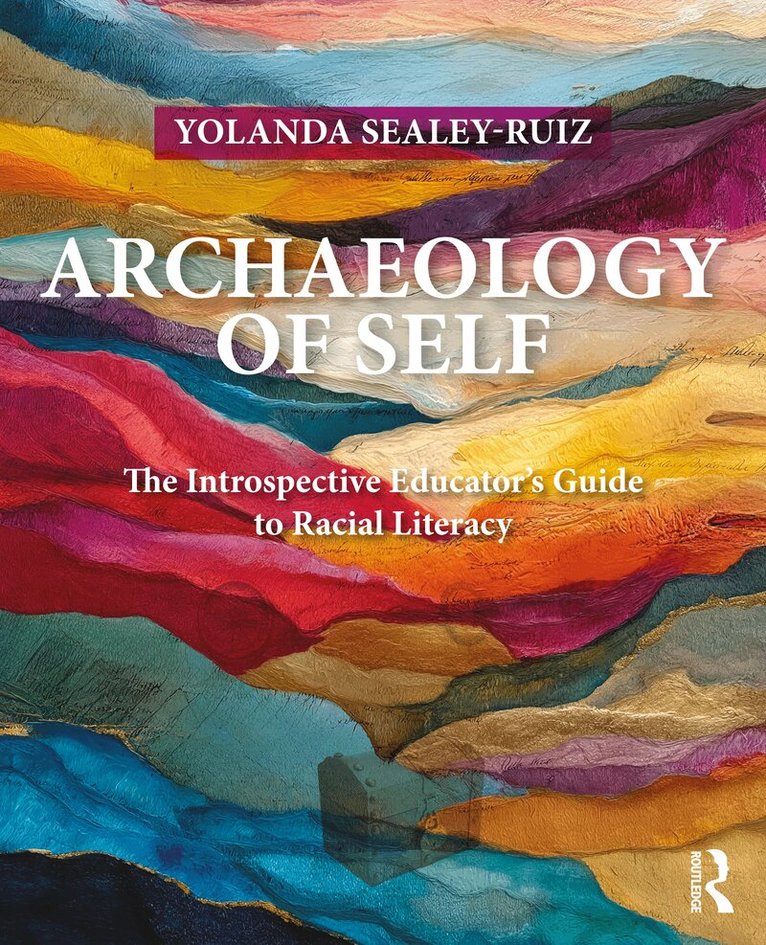
Archaeology of Self: The Introspective Educator’s Guide to Racial Literacy is an invitation to dive deep into the heart of teaching and the sacred work of self-awareness. It calls educators—and professionals from all walks of life—to embark on a lifelong journey of racial literacy, healing, and the pursuit of a bias-free existence. Blending personal narrative, poetry, and guided reflection, Archaeology of Self offers both a mirror and a map that takes readers through Dr. Yolanda Sealey-Ruiz’s framework for excavating one’s racial identity, confronting internalized bias, and teaching from a place of critical love, justice, and truth.This is more than a book. It is a living, breathing guide for transformation. Included within are:Lesson plans designed by educators across the country and adaptable for K-12 and beyond.Multimodal resources, including video suggestions, journaling prompts, mindfulness practices, and companion readings.A chapter-themed music playlist that sets the emotional and intellectual tone, inviting deep listening, feeling, and reflection.At its core, Archaeology of Self: The Introspective Educator’s Guide to Racial Literacy is a blueprint for healing and for the collective reimagining of education as a liberatory and humanizing force.
Häftad, Engelska, 2014
659 kr
Skickas inom 5-8 vardagar
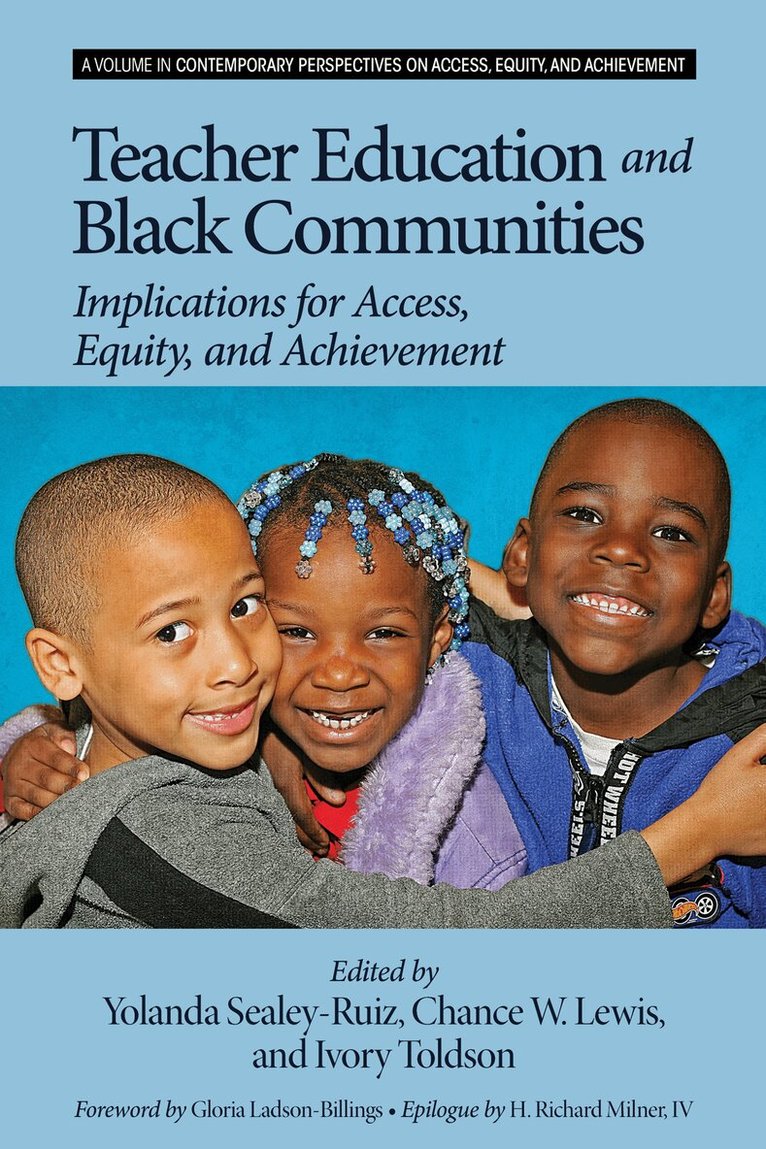
The field of education has been and will continue to be essential to the survival and sustainability of the Black community. Unfortunately, over the past five decades, two major trends have become clearly evident in the Black community: (a) the decline of the academic achievement levels of Black students and (b) the disappearance of Black teachers, particularly Black males. Today, of the 3.5 million teachers in America’s classrooms (AACTE, 2010) only 8% are Black teachers, and approximately 2% of these teachers are Black males (NCES, 2010). Over the past few decades, the Black teaching force in the U.S. has dropped significantly (Lewis, 2006; Lewis, Bonner, Byrd, & James, 2008; Milner & Howard, 2004), and this educational crisis shows no signs of ending in the near future. As the population of Black students in K-12 schools in the U. S. continue to rise—currently over 16% of students in America’s schools are Black (NCES, 2010)—there is an urgent need to increase the presence of Black educators.The overall purpose of this edited volume is to stimulate thought and discussion among diverse audiences (e.g., policymakers, practitioners, and educational researchers) who are concerned about the performance of Black students in our nation’s schools, and to provide evidence-based strategies to expand our nation’s pool of Black teachers. To this end, it is our hope that this book will contribute to the teacher education literature and will inform the teacher education policy and practice debate.
Inbunden, Engelska, 2014
1 115 kr
Skickas inom 5-8 vardagar
The field of education has been and will continue to be essential to the survival and sustainability of the Black community. Unfortunately, over the past five decades, two major trends have become clearly evident in the Black community: (a) the decline of the academic achievement levels of Black students and (b) the disappearance of Black teachers, particularly Black males. Today, of the 3.5 million teachers in America’s classrooms (AACTE, 2010) only 8% are Black teachers, and approximately 2% of these teachers are Black males (NCES, 2010). Over the past few decades, the Black teaching force in the U.S. has dropped significantly (Lewis, 2006; Lewis, Bonner, Byrd, & James, 2008; Milner & Howard, 2004), and this educational crisis shows no signs of ending in the near future. As the population of Black students in K-12 schools in the U. S. continue to rise—currently over 16% of students in America’s schools are Black (NCES, 2010)—there is an urgent need to increase the presence of Black educators.The overall purpose of this edited volume is to stimulate thought and discussion among diverse audiences (e.g., policymakers, practitioners, and educational researchers) who are concerned about the performance of Black students in our nation’s schools, and to provide evidence-based strategies to expand our nation’s pool of Black teachers. To this end, it is our hope that this book will contribute to the teacher education literature and will inform the teacher education policy and practice debate.
Häftad, Engelska, 2021
529 kr
Skickas inom 5-8 vardagar
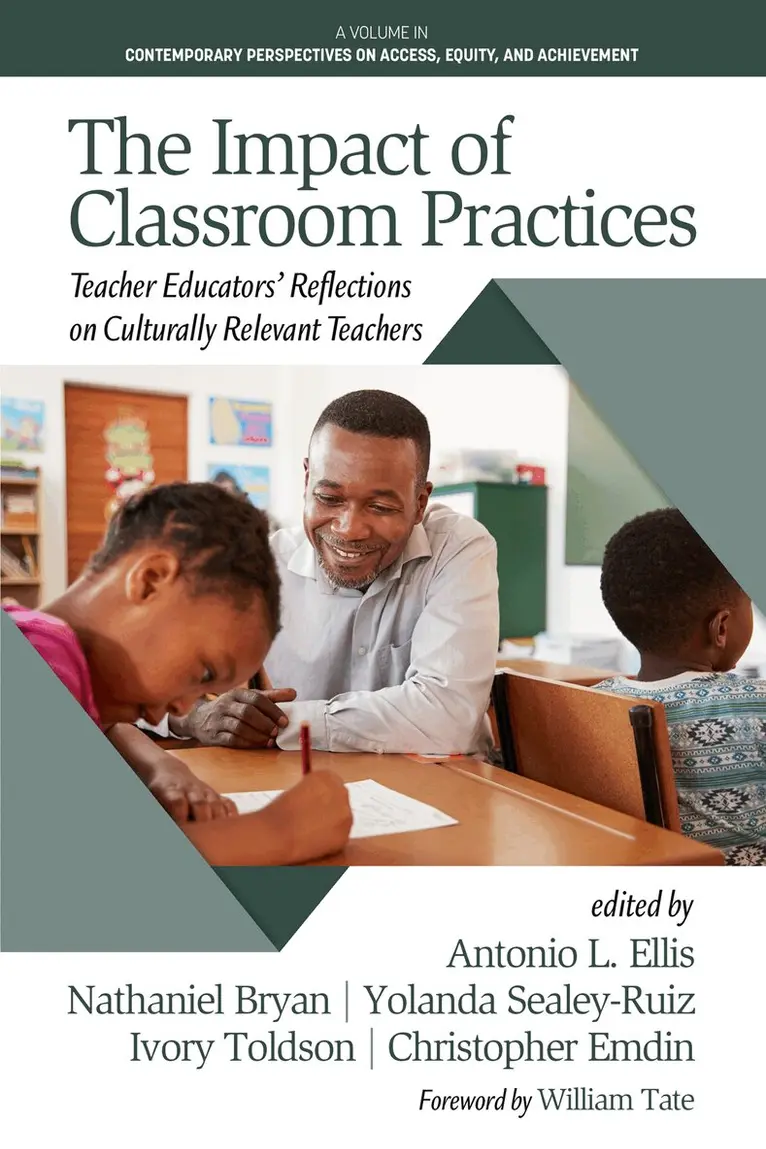
Debates regarding the qualities, skills, and dispositions of culturally relevant teachers and teaching have raged in teacher education for several decades. Ladson-Billings’ (2009) The Dreamkeepers: Successful Teachers of African American Children was a groundbreaking work that has become a foundational study that informs the work of culturally-relevant (Ladson-Billings, 2009) and culturally-sustaining (Paris & Alim, 2017) teaching. In her book The Dreamkeepers she describes effective teachers who are able to draw from the cultural wealth, knowledges, and heritage of Black communities. The Dreamkeepers ensured that their Black students were academically successful, retained, and grew both in terms of their cultural competence and their sociopolitical awareness. In other words, according to research by Ladson-Billings (2009), effective teachers possessed both pedagogical and relational dispositions, which leave lifelong impacts on the academic and social lives of the students they teach. While being a foundational text, what remains missing from the research on culturally-relevant and even culturally-sustaining teachers are 'narratives' (read: stories, testimonios, etc.) related to how the race of particular E–12 teachers positively impact the lives of their students.For instance, Dr. Antonio Ellis (the first editor of the proposed book) describes his high school music teacher Mr. Linard McCloud) as 'a highly effective African American music educator who changed the course of his life' (p. 170). Ellis (2016) describes McCloud as being loving, caring, creative, culturally sensitive, attuned, hopeful, flexible, organized, and thoughtful. Because Mr. McCloud possessed the aforementioned characteristics and dispositions, Ellis contends that he was motivated to achieve academically and socially in his urban high school. In addition, according to Ellis (2016), Mr. McCloud was a highly impactful educator because he went beyond the call of duty as a teacher—a practice that is not so common in schools, particularly urban ones. Not only did McCloud teach in the classroom setting, but he also built strong relationships with families, community members, and external stakeholders including local businesses, colleges, and universities. Mr. McCloud used these networks to leverage opportunities for his students academically, personally, and professionally. Like many of his high school classmates, Ellis (2016) contends that he would not have graduated from high school if it were not for the care and mentorship he received from Mr. McCloud. In this proposed edited volume, it is the editors’ goal to honor teachers like Mr. McCloud who have made a difference in the lives of their students by learning from their impactful practices.Employing a 'critical storytelling' methodology (see Hartlep & Hensley, 2015; Hartlep, Hensley, Braniger, & Jennings, 2017), each chapter contributor will use his or her own narrative to show the power of influential teachers in classrooms. While this framework centers race, lived and learned experiences, the storyteller is the most important unit of narrative; hence, The Impact of Classroom Practices: Reflections on Culturally Relevant Teachers will include African-American storytellers who reflect on the impact of classroom practices of teachers from diverse backgrounds who they deemed culturally relevant and responsive to both their academic and social needs. This work will offer recommendations to pre-service teachers and in-service teachers who desire to leave a lasting impact on the students they teach.
Inbunden, Engelska, 2021
985 kr
Skickas inom 5-8 vardagar
Debates regarding the qualities, skills, and dispositions of culturally relevant teachers and teaching have raged in teacher education for several decades. Ladson-Billings’ (2009) The Dreamkeepers: Successful Teachers of African American Children was a groundbreaking work that has become a foundational study that informs the work of culturally-relevant (Ladson-Billings, 2009) and culturally-sustaining (Paris & Alim, 2017) teaching. In her book The Dreamkeepers she describes effective teachers who are able to draw from the cultural wealth, knowledges, and heritage of Black communities. The Dreamkeepers ensured that their Black students were academically successful, retained, and grew both in terms of their cultural competence and their sociopolitical awareness. In other words, according to research by Ladson-Billings (2009), effective teachers possessed both pedagogical and relational dispositions, which leave lifelong impacts on the academic and social lives of the students they teach. While being a foundational text, what remains missing from the research on culturally-relevant and even culturally-sustaining teachers are 'narratives' (read: stories, testimonios, etc.) related to how the race of particular E–12 teachers positively impact the lives of their students.For instance, Dr. Antonio Ellis (the first editor of the proposed book) describes his high school music teacher Mr. Linard McCloud) as 'a highly effective African American music educator who changed the course of his life' (p. 170). Ellis (2016) describes McCloud as being loving, caring, creative, culturally sensitive, attuned, hopeful, flexible, organized, and thoughtful. Because Mr. McCloud possessed the aforementioned characteristics and dispositions, Ellis contends that he was motivated to achieve academically and socially in his urban high school. In addition, according to Ellis (2016), Mr. McCloud was a highly impactful educator because he went beyond the call of duty as a teacher—a practice that is not so common in schools, particularly urban ones. Not only did McCloud teach in the classroom setting, but he also built strong relationships with families, community members, and external stakeholders including local businesses, colleges, and universities. Mr. McCloud used these networks to leverage opportunities for his students academically, personally, and professionally. Like many of his high school classmates, Ellis (2016) contends that he would not have graduated from high school if it were not for the care and mentorship he received from Mr. McCloud. In this proposed edited volume, it is the editors’ goal to honor teachers like Mr. McCloud who have made a difference in the lives of their students by learning from their impactful practices.Employing a 'critical storytelling' methodology (see Hartlep & Hensley, 2015; Hartlep, Hensley, Braniger, & Jennings, 2017), each chapter contributor will use his or her own narrative to show the power of influential teachers in classrooms. While this framework centers race, lived and learned experiences, the storyteller is the most important unit of narrative; hence, The Impact of Classroom Practices: Reflections on Culturally Relevant Teachers will include African-American storytellers who reflect on the impact of classroom practices of teachers from diverse backgrounds who they deemed culturally relevant and responsive to both their academic and social needs. This work will offer recommendations to pre-service teachers and in-service teachers who desire to leave a lasting impact on the students they teach.
Häftad, Engelska, 2022
724 kr
Skickas inom 5-8 vardagar
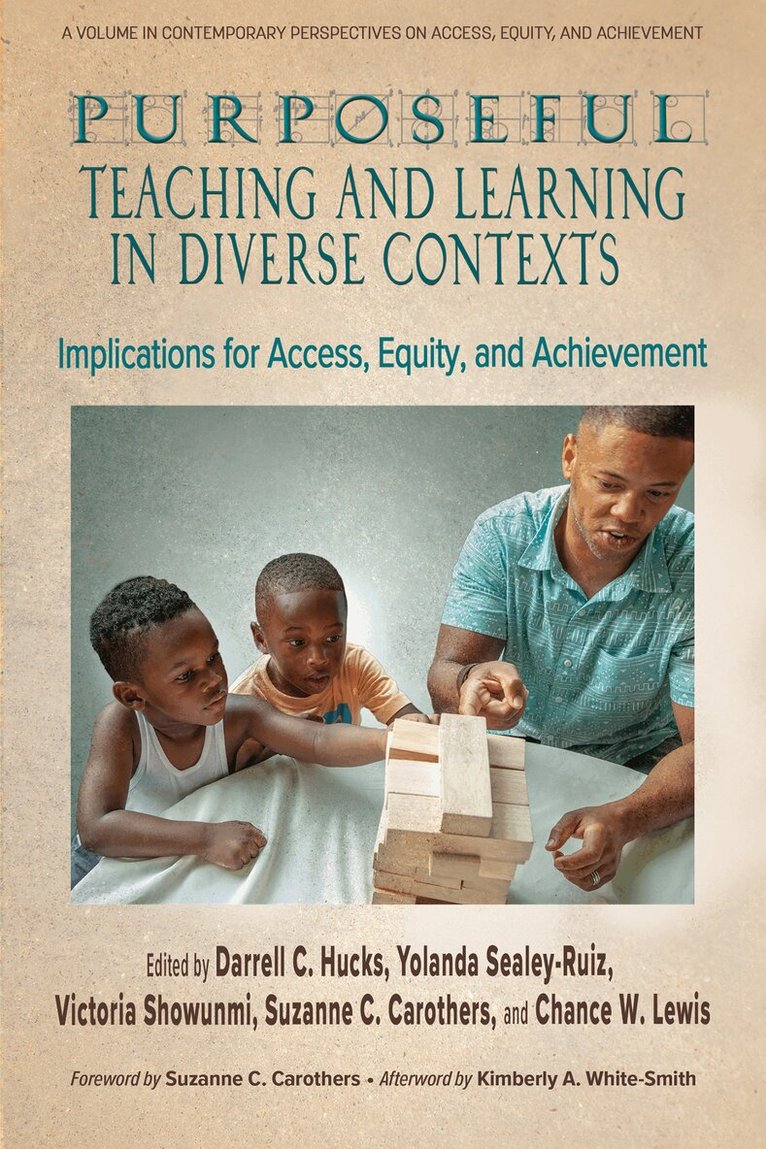
Teachers have faced serious public critique regarding their effectiveness and professionalism in classrooms. At every level, their work is often measured solely against student achievement outcomes, often on standardized tests (Darling-Hammond & Youngs, 2002; Ravitch, 2010). Unfortunately, students who are coming from culturally, economically, and linguistically diverse backgrounds are often occupying the bottom rungs regarding academic achievement (Ladson-Billings, 1995; Milner,2010; Hucks, 2014). What are the obstacles and challenges teachers and students face in their respective school settings and how do they grapple with and overcome them? Finally, what do these teachers and students know that motivates and informs their work? The scholars in this volume will take up these questions and share the findings of their research in the field of leadership, teacher education, and achievement.These concerns are not limited to the geographic boundaries of the United States of America. Engaging purposeful teaching is an imperative that concerns students, teachers, teacher educators, educational leaders, and education policy makers around the globe. There are many educators worldwide who are committed to delivering this type of teaching and promoting learning that is engaged and active. The four sections of the book capture the work of educators in teaching in diverse global settings such as the Australia, United Kingdom, Jamaica, Turkey, and across America. As diverse populations of students enter American classrooms, it is important for their teachers to have relatable examples of purposeful teaching that are culturally responsive and culturally relevant.
Inbunden, Engelska, 2022
1 181 kr
Skickas inom 5-8 vardagar
Teachers have faced serious public critique regarding their effectiveness and professionalism in classrooms. At every level, their work is often measured solely against student achievement outcomes, often on standardized tests (Darling-Hammond & Youngs, 2002; Ravitch, 2010). Unfortunately, students who are coming from culturally, economically, and linguistically diverse backgrounds are often occupying the bottom rungs regarding academic achievement (Ladson-Billings, 1995; Milner,2010; Hucks, 2014). What are the obstacles and challenges teachers and students face in their respective school settings and how do they grapple with and overcome them? Finally, what do these teachers and students know that motivates and informs their work? The scholars in this volume will take up these questions and share the findings of their research in the field of leadership, teacher education, and achievement.These concerns are not limited to the geographic boundaries of the United States of America. Engaging purposeful teaching is an imperative that concerns students, teachers, teacher educators, educational leaders, and education policy makers around the globe. There are many educators worldwide who are committed to delivering this type of teaching and promoting learning that is engaged and active. The four sections of the book capture the work of educators in teaching in diverse global settings such as the Australia, United Kingdom, Jamaica, Turkey, and across America. As diverse populations of students enter American classrooms, it is important for their teachers to have relatable examples of purposeful teaching that are culturally responsive and culturally relevant.
Häftad, Engelska, 2016
435 kr
Skickas inom 5-8 vardagar
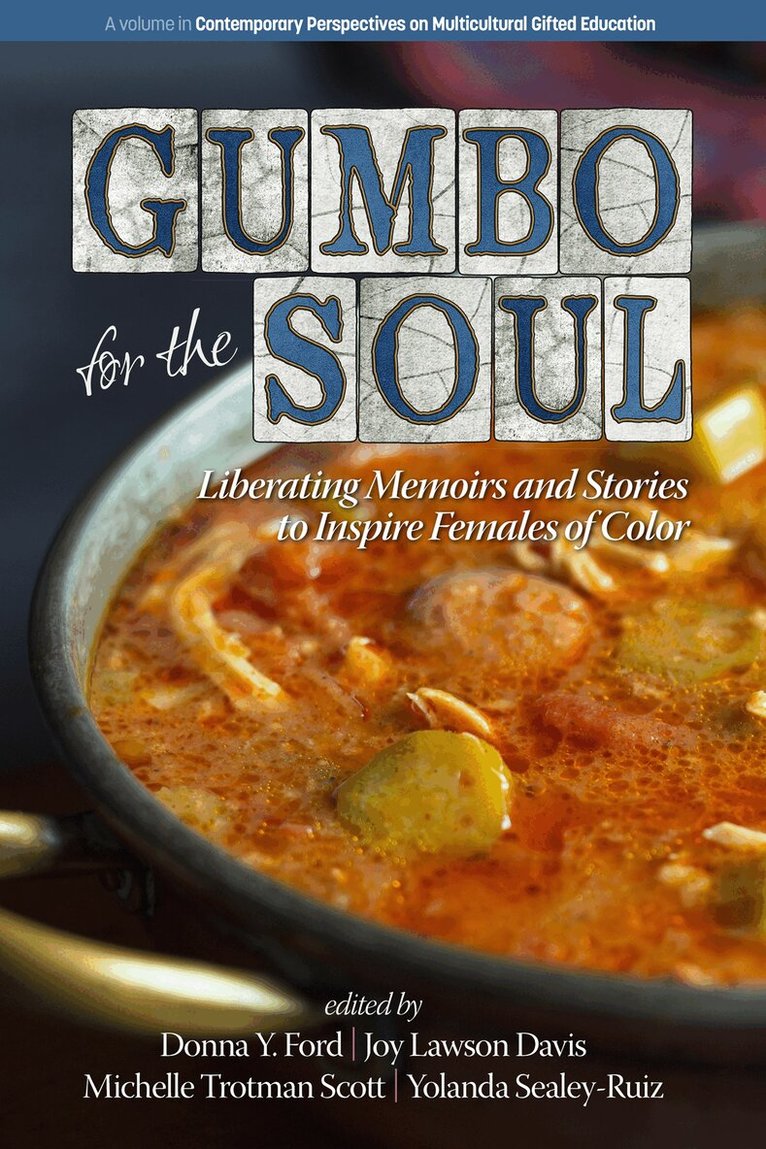
Rejection. Loss. Confusion. Pain. Our past and our future are intertwined. Each distinct memory becomes one life. What once hurt, eventually heals, and the lesson (or lessons) to be learned becomes one with our soul and our spirit. Our experiences provide strength instead of destruction. Our great-grandmothers, grandmothers, mothers -- all women of power who came before us -- were great descendants of the coastal lands of West Africa. They arrived in strange lands with their Gumbo - -their memories, rhythms, ingenuity, creativity, strength, and compassion. Their lived stories and conversation were recipes mixed with unique combinations of ingredients, dropped into the cast iron pot -- stirred, dropped in, seasoned, dropped in, stirred again, and again, and again, until done. This Gumbo is savory like the soul, carefully prepared, recipes rich with what our foremothers brought with them from their homeland. They brought the best of what they had to offer.Gumbo or Gombo is a Bantu word meaning ‘okra’. Okra is a rich vegetable that serves as the base (or gravy) for a delicately prepared stew. (Today’s Gumbo cooks use a ‘roux’ as the base- see the recipe on page 3). Gumbo’s West African origins have been modified over the past two centuries by people of varied ancestry: Native American, German, Spanish, and French (Moss, 2014). It is essential to understand the manner in which Gumbo is prepared: each ingredient must be placed into the stew at its specified time so that it can cook in and savor its own flavor. When completed, Gumbo is usually served over grits or rice.Gumbo has become a cornerstone of life in African-descended communities across the south and southwest spanning from South Carolina to Louisiana and Texas. Gumbo is a treasure… a reminder of the greatness that lived in the village in a time of strength and abundance…a reminder of the resilience and richness of our people over generations.This book -- a collection of memoirs written by Women of Color is shared to inspire and motivate readers. The authors of these precious, soulful stories are from across the globe and represent various backgrounds and professions. What these women have in common, though, is their drive to tell their story. Stories of pain, discovery, strength, and stories of beginnings. Many of the experiences, as difficult as they may have been, made the women who they are today. Telling these stories to a new generation will empower and encourage them in their experiences no matter how troubling or challenging (Harris, 2015). These stories, like our foremothers offering their Gumbo, present the best these women have to offer. These authors want the world to know that deep inside of each of us is a rich, vibrant, purposeful beginning. As our lives develop and we are “stirred and stirred again”, like Gumbo, our experiences begin to shape who we are and who we become. When the stirring is complete, a comforting meal -- one that says no matter what has gone into the dish, it’s going to be amazingly magnificent!!The authors hope these stories will inspire and motivate girls and Women of Color to trust their experiences -- whether good or bad -- to help them become. Our becoming means that after all that life has thrown our way, we are strong, purposeful, and powerful people who are a great treasure to a world that sometimes rejects and ignores our existence. Embedded in this book are stories of abuse and triumph, sadness and victory, disappointment and resilience, discovery and victory.We are very proud to be the keepers of these rich recipes. They represent the first in what we hope will become a collection or series of inspirational memoirs that will be shared to help others live out their destiny and become the women they were born to be.
Inbunden, Engelska, 2016
720 kr
Skickas inom 5-8 vardagar
Rejection. Loss. Confusion. Pain. Our past and our future are intertwined. Each distinct memory becomes one life. What once hurt, eventually heals, and the lesson (or lessons) to be learned becomes one with our soul and our spirit. Our experiences provide strength instead of destruction. Our great-grandmothers, grandmothers, mothers -- all women of power who came before us -- were great descendants of the coastal lands of West Africa. They arrived in strange lands with their Gumbo - -their memories, rhythms, ingenuity, creativity, strength, and compassion. Their lived stories and conversation were recipes mixed with unique combinations of ingredients, dropped into the cast iron pot -- stirred, dropped in, seasoned, dropped in, stirred again, and again, and again, until done. This Gumbo is savory like the soul, carefully prepared, recipes rich with what our foremothers brought with them from their homeland. They brought the best of what they had to offer.Gumbo or Gombo is a Bantu word meaning ‘okra’. Okra is a rich vegetable that serves as the base (or gravy) for a delicately prepared stew. (Today’s Gumbo cooks use a ‘roux’ as the base- see the recipe on page 3). Gumbo’s West African origins have been modified over the past two centuries by people of varied ancestry: Native American, German, Spanish, and French (Moss, 2014). It is essential to understand the manner in which Gumbo is prepared: each ingredient must be placed into the stew at its specified time so that it can cook in and savor its own flavor. When completed, Gumbo is usually served over grits or rice.Gumbo has become a cornerstone of life in African-descended communities across the south and southwest spanning from South Carolina to Louisiana and Texas. Gumbo is a treasure… a reminder of the greatness that lived in the village in a time of strength and abundance…a reminder of the resilience and richness of our people over generations.This book -- a collection of memoirs written by Women of Color is shared to inspire and motivate readers. The authors of these precious, soulful stories are from across the globe and represent various backgrounds and professions. What these women have in common, though, is their drive to tell their story. Stories of pain, discovery, strength, and stories of beginnings. Many of the experiences, as difficult as they may have been, made the women who they are today. Telling these stories to a new generation will empower and encourage them in their experiences no matter how troubling or challenging (Harris, 2015). These stories, like our foremothers offering their Gumbo, present the best these women have to offer. These authors want the world to know that deep inside of each of us is a rich, vibrant, purposeful beginning. As our lives develop and we are “stirred and stirred again”, like Gumbo, our experiences begin to shape who we are and who we become. When the stirring is complete, a comforting meal -- one that says no matter what has gone into the dish, it’s going to be amazingly magnificent!!The authors hope these stories will inspire and motivate girls and Women of Color to trust their experiences -- whether good or bad -- to help them become. Our becoming means that after all that life has thrown our way, we are strong, purposeful, and powerful people who are a great treasure to a world that sometimes rejects and ignores our existence. Embedded in this book are stories of abuse and triumph, sadness and victory, disappointment and resilience, discovery and victory.We are very proud to be the keepers of these rich recipes. They represent the first in what we hope will become a collection or series of inspirational memoirs that will be shared to help others live out their destiny and become the women they were born to be.
Häftad, Engelska, 2020
227 kr
Skickas inom 5-8 vardagar
Häftad, Engelska, 2021
227 kr
Skickas inom 5-8 vardagar