Yoshihide Soeya – författare
Visar alla böcker från författaren Yoshihide Soeya. Handla med fri frakt och snabb leverans.
8 produkter
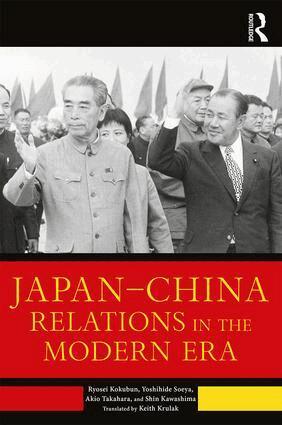
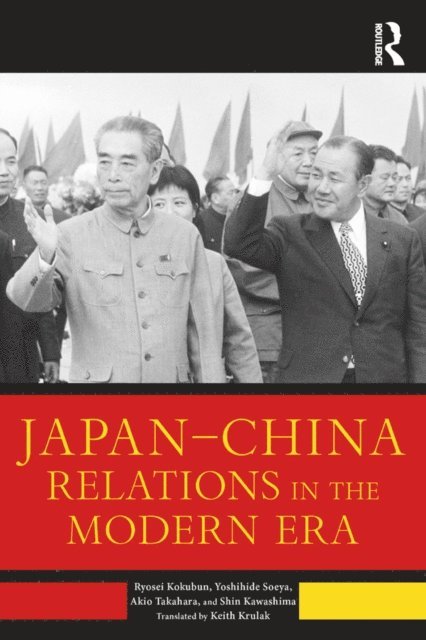
Japan–China Relations in the Modern Era
Av Ryosei Kokubun, Yoshihide Soeya m. fl.
Häftad, 2017
735 kr
Lägg i varukorg
From before the dawn of recorded history, there has been a rich flow of interaction between Japan and China. Japan has long learned many things from Chinese civilization, and since the modern era China began to learn from Japan. In the twenty-first century, however, China surpassed Japan in terms …
Japan's Economic Diplomacy with China, 1945-1978
Inbunden, 1999
1091 kr
Lägg i varukorg
This book is a comprehensive study on Japan's postwar relations with China up until the end of the 1970s, i.e. prior to Deng Xiaopin's reform and open-door policies. The study is particularly strong on the detailed account of Japan's deep economic involvement with China initiated by a complex group …
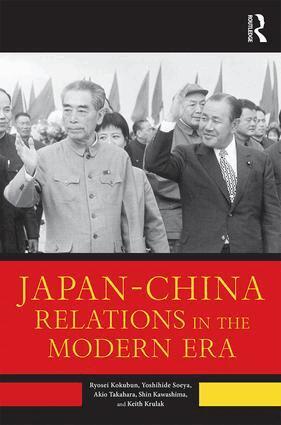
Japan–China Relations in the Modern Era
Av Ryosei Kokubun, Yoshihide Soeya m. fl.
Inbunden, 2017
2513 kr
Lägg i varukorg
From before the dawn of recorded history, there has been a rich flow of interaction between Japan and China. Japan has long learned many things from Chinese civilization, and since the modern era China began to learn from Japan. In the twenty-first century, however, China surpassed Japan in terms …
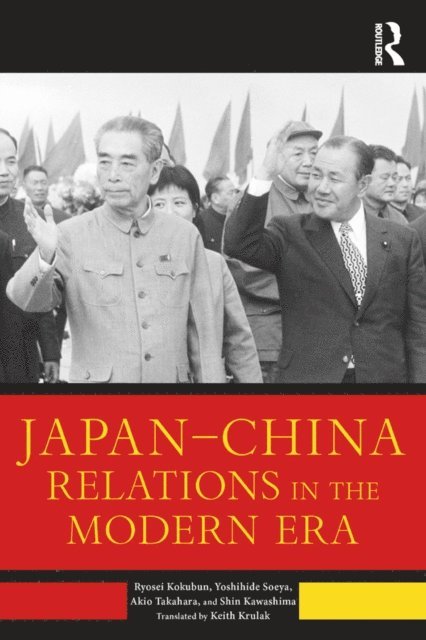
Japan-China Relations in the Modern Era
Av Shin Kawashima, Akio Takahara m. fl.
E-bok, 2017
779 kr
Lägg i varukorg
From before the dawn of recorded history, there has been a rich flow of interaction between Japan and China. Japan has long learned many things from Chinese civilization, and since the modern era China began to learn from Japan. In the twenty-first century, however, China surpassed Japan in terms …
Japan-China Relations in the Modern Era
Av Shin Kawashima, Akio Takahara m. fl.
E-bok, 2017
779 kr
Lägg i varukorg
From before the dawn of recorded history, there has been a rich flow of interaction between Japan and China. Japan has long learned many things from Chinese civilization, and since the modern era China began to learn from Japan. In the twenty-first century, however, China surpassed Japan in terms …
Japan As a 'Normal Country'?
A Nation in Search of Its Place in the World
Av Yoshihide Soeya, David A. Welch m. fl.
Häftad, 2011
358 kr
Lägg i varukorg
For decades, Japan's foreign policy has been seen by both internal and external observers as abnormal in relation to its size and level of sophistication. Japan as a 'Normal Country'? is a thematic and geographically comparative discussion of the unique limitations of Japanese foreign and defence …
Japan As a 'Normal Country'?
A Nation in Search of Its Place in the World
Av Yoshihide Soeya, David A. Welch m. fl.
E-bok, 2011
440 kr
Lägg i varukorg
For decades, Japan's foreign policy has been seen by both internal and external observers as abnormal in relation to its size and level of sophistication. Japan as a 'Normal Country'? is a thematic and geographically comparative discussion of the unique limitations of Japanese foreign and defence …
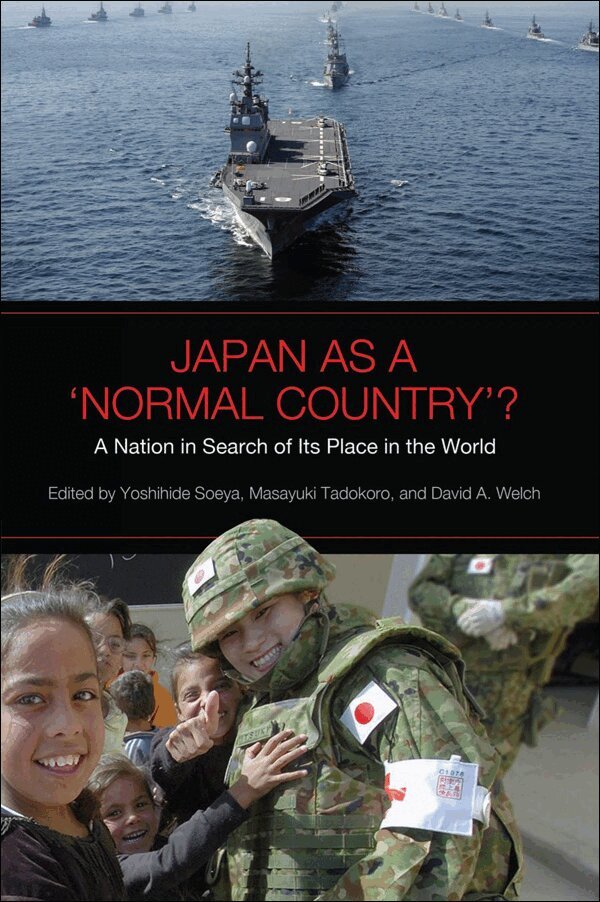
Japan As a 'Normal Country'?
A Nation in Search of Its Place in the World
Av Yoshihide Soeya, David A. Welch m. fl.
E-bok, 2011
440 kr
Lägg i varukorg
For decades, Japan's foreign policy has been seen by both internal and external observers as abnormal in relation to its size and level of sophistication. Japan as a 'Normal Country'? is a thematic and geographically comparative discussion of the unique limitations of Japanese foreign and defence …