Yoshihiro Nishiaki – författare
Visar alla böcker från författaren Yoshihiro Nishiaki. Handla med fri frakt och snabb leverans.
15 produkter
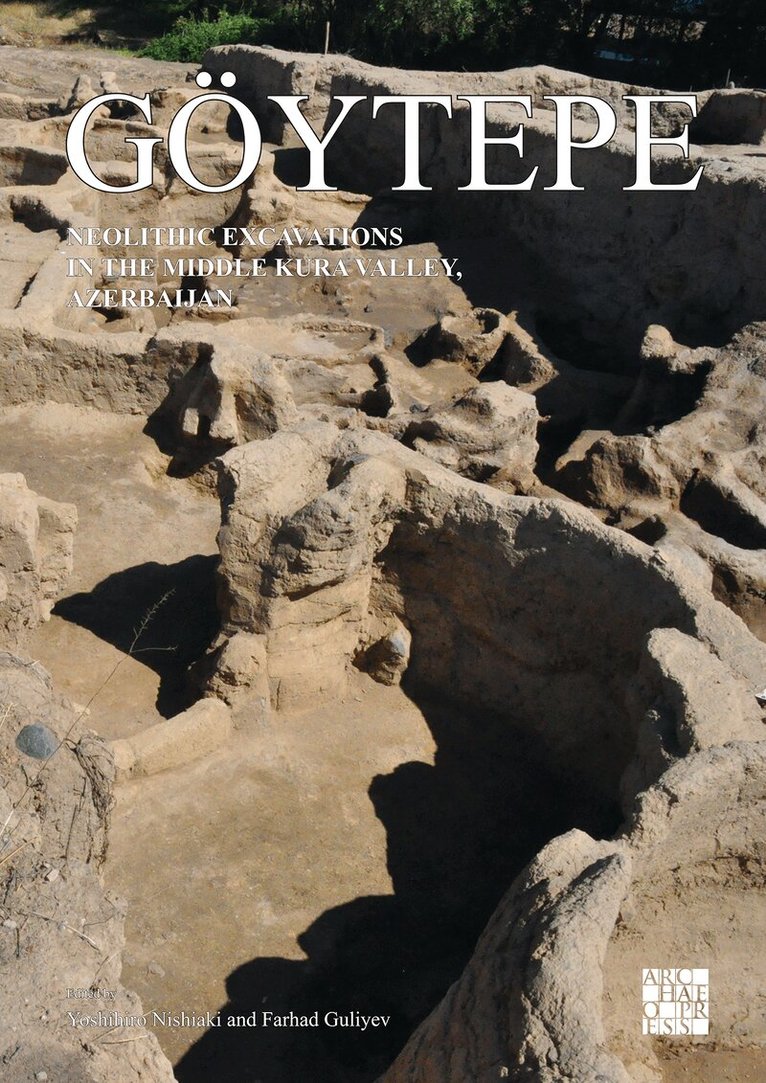
Göytepe: Neolithic Excavations in the Middle Kura Valley, Azerbaijan
Av Yoshihiro Nishiaki, Farhad Guliyev
Inbunden, 2021
1392 kr
Lägg i varukorg
Göytepe: Neolithic Excavations in the Middle Kura Valley, Azerbaijan, publishes the first round of fieldwork and research (2008-2013) at this key site for understanding the emergence and development of food-producing communities in the South Caucasus. Situated close to the Fertile Crescent of …
Dynamics of Learning in Neanderthals and Modern Humans Volume 1
Cultural Perspectives
Av Takeru Akazawa, Yoshihiro Nishiaki m. fl.
Inbunden, 2014
552 kr
Lägg i varukorg
This volume presents the first of two proceedings from the International Conference on the Replacement of Neanderthals by Modern Humans, which took place in Tokyo in November 2012. Focussing on a highly innovative working hypothesis called the ‘learning hypothesis’, which attempts to explain the …
Dynamics of Learning in Neanderthals and Modern Humans Volume 1
Cultural Perspectives
Av Kenichi Aoki, Yoshihiro Nishiaki m. fl.
E-bok, 2013
755 kr
Lägg i varukorg
This volume presents the first of two proceedings from the International Conference on the Replacement of Neanderthals by Modern Humans, which took place in Tokyo in November 2012. Focussing on a highly innovative working hypothesis called the ‘learning hypothesis’, which attempts to explain the …
Dynamics of Learning in Neanderthals and Modern Humans Volume 1
Cultural Perspectives
Av Takeru Akazawa, Yoshihiro Nishiaki m. fl.
Häftad, 2016
569 kr
Lägg i varukorg
This volume presents the first of two proceedings from the International Conference on the Replacement of Neanderthals by Modern Humans, which took place in Tokyo in November 2012. Focussing on a highly innovative working hypothesis called the ‘learning hypothesis’, which attempts to explain the …
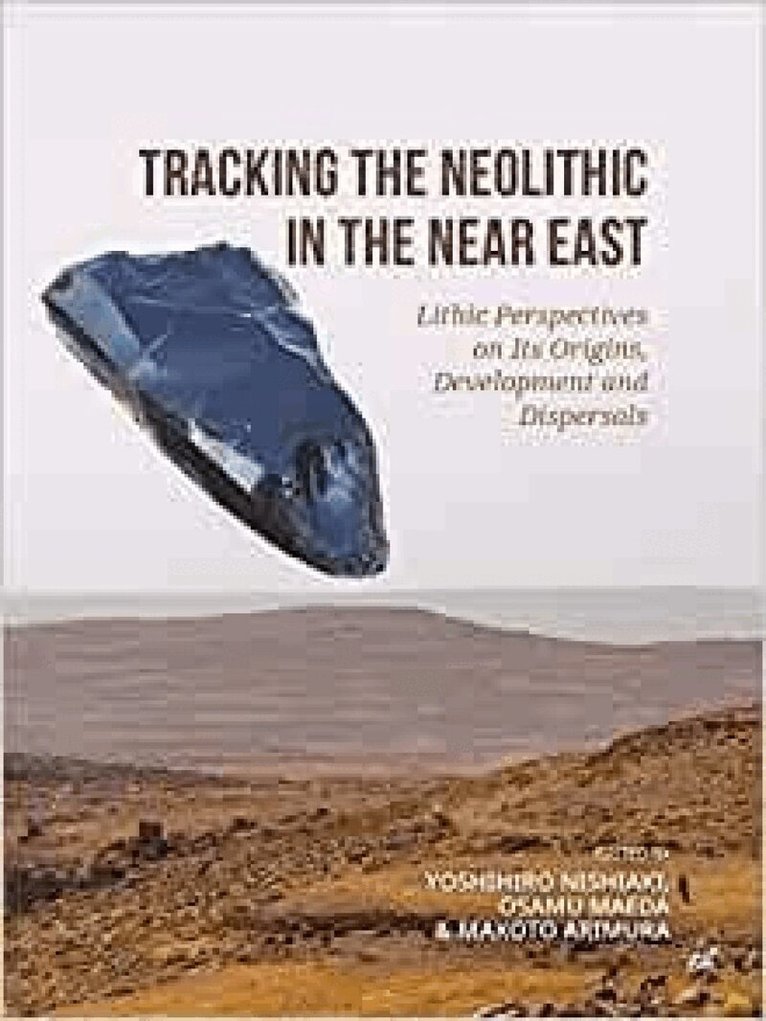
Tracking the Neolithic in the Near East
Lithic Perspectives on Its Origins, Development and Dispersals
Av Yoshihiro Nishiaki, Osamu Maeda m. fl.
Häftad, 2022
1141 kr
Lägg i varukorg
This volume combines the most up-to-date discoveries and perspectives of Near Eastern Neolithic lithics by leading international archaeologists. It presents the proceedings of the 9th International Conference of the Pre-Pottery Neolithic Chipped and Ground Stone Industries of the Near East, hosted …
Middle and Upper Paleolithic Archeology of the Levant and Beyond
Av Yoshihiro Nishiaki, Takeru Akazawa
Inbunden, 2017
1355 kr
Lägg i varukorg
This volume is a compilation of results from sessions of the Second International Conference on the Replacement of Neanderthals by Modern Humans, which took place between November 30 and December 6, 2014, in Hokkaido, Japan. Similar to the first conference held in 2012 in Tokyo, the 2014 conference …
Middle and Upper Paleolithic Archeology of the Levant and Beyond
Av Takeru Akazawa, Yoshihiro Nishiaki
E-bok, 2017
1251 kr
Lägg i varukorg
This volume is a compilation of results from sessions of the Second International Conference on the Replacement of Neanderthals by Modern Humans, which took place between November 30 and December 6, 2014, in Hokkaido, Japan. Similar to the first conference held in 2012 in Tokyo, the 2014 conference …
Middle and Upper Paleolithic Archeology of the Levant and Beyond
Av Yoshihiro Nishiaki, Takeru Akazawa
Häftad, 2019
962 kr
Lägg i varukorg
This volume is a compilation of results from sessions of the Second International Conference on the Replacement of Neanderthals by Modern Humans, which took place between November 30 and December 6, 2014, in Hokkaido, Japan. Similar to the first conference held in 2012 in Tokyo, the 2014 conference …
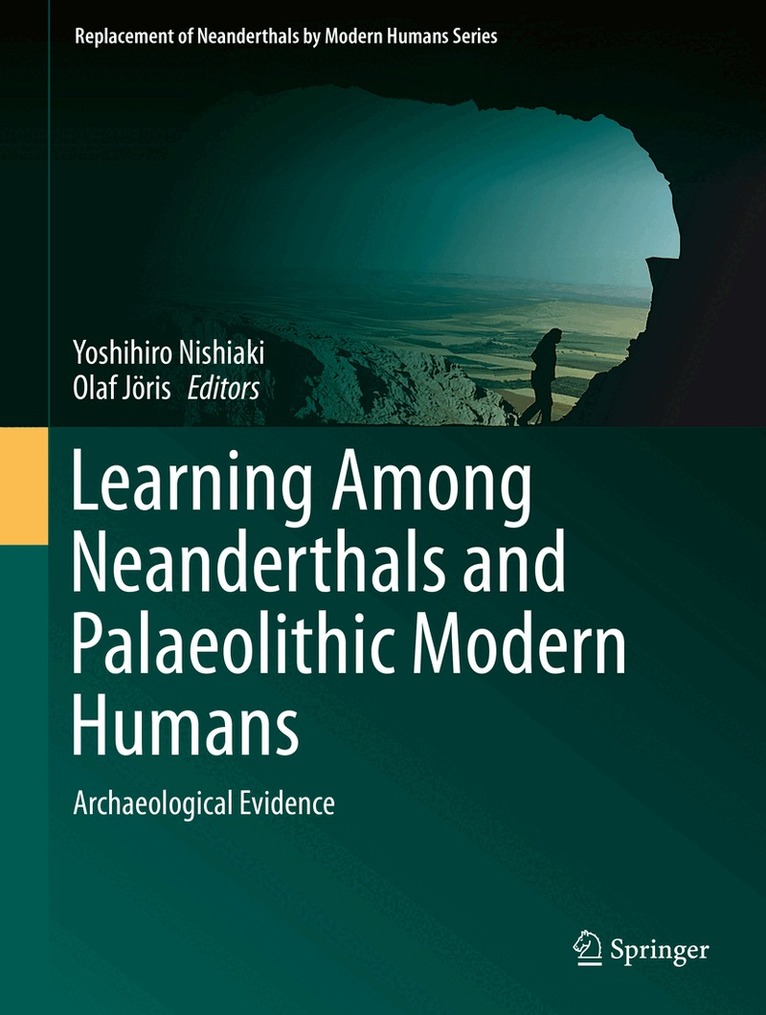
Learning Among Neanderthals and Palaeolithic Modern Humans
Archaeological Evidence
Av Yoshihiro Nishiaki, Olaf Jöris
Inbunden, 2019
1355 kr
Lägg i varukorg
This book is based on the research performed for the Replacement of Neanderthals by Modern Humans Project. The central issue of the project is the investigation of possible differences between the two populations in cognitive ability for learning. The project aims to evaluate a unique working …
Learning Among Neanderthals and Palaeolithic Modern Humans
Archaeological Evidence
Av Olaf Joris, Yoshihiro Nishiaki
E-bok, 2019
1838 kr
Lägg i varukorg
This book is based on the research performed for the Replacement of Neanderthals by Modern Humans Project. The central issue of the project is the investigation of possible differences between the two populations in cognitive ability for learning. The project aims to evaluate a unique working …
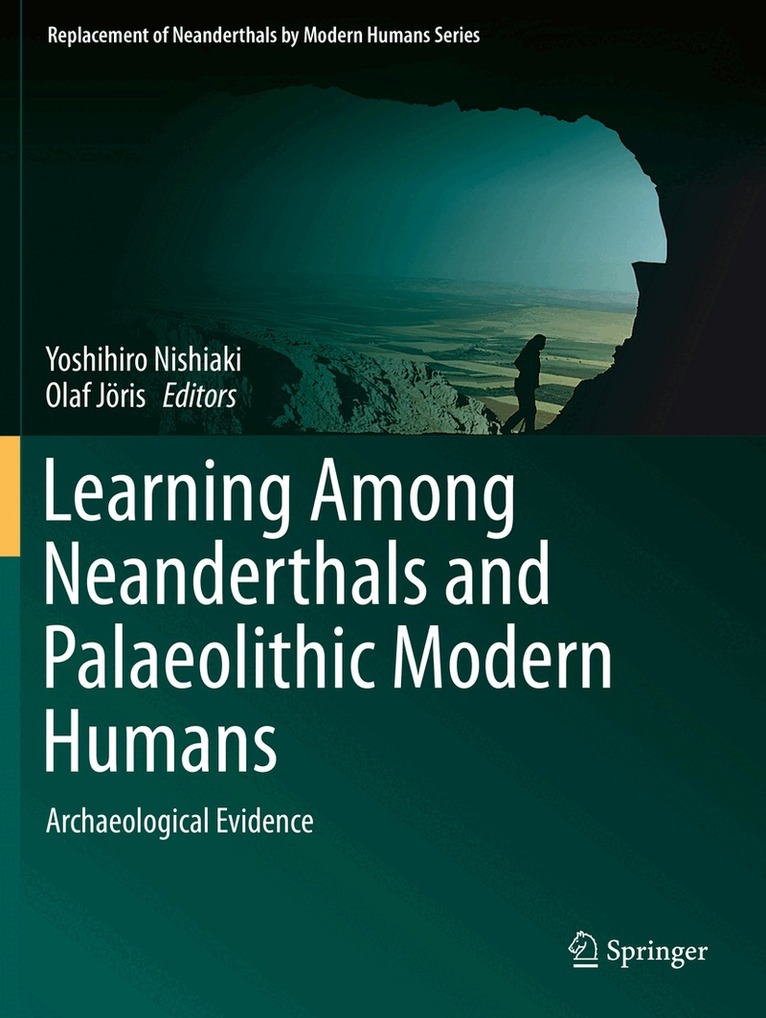
Learning Among Neanderthals and Palaeolithic Modern Humans
Archaeological Evidence
Av Yoshihiro Nishiaki, Olaf Jöris
Häftad, 2021
1355 kr
Lägg i varukorg
This book is based on the research performed for the Replacement of Neanderthals by Modern Humans Project. The central issue of the project is the investigation of possible differences between the two populations in cognitive ability for learning. The project aims to evaluate a unique working …
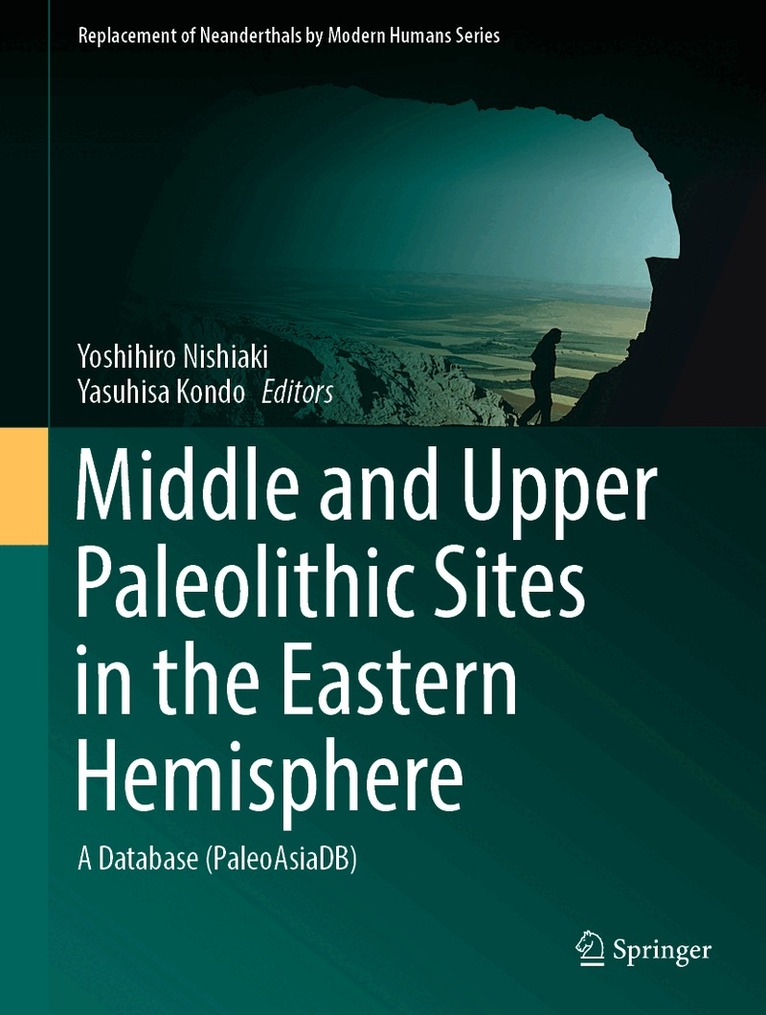
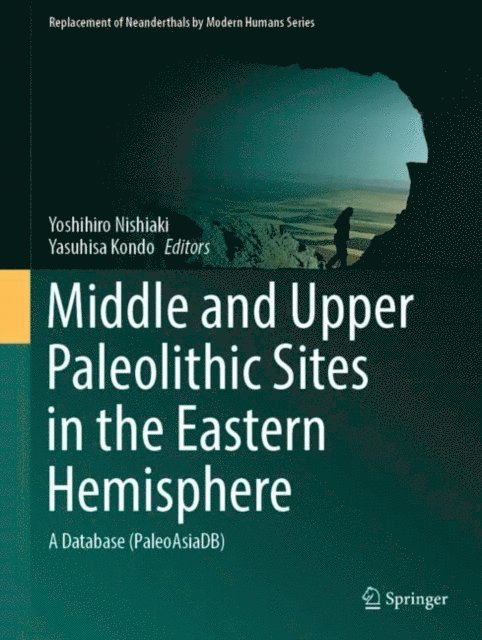
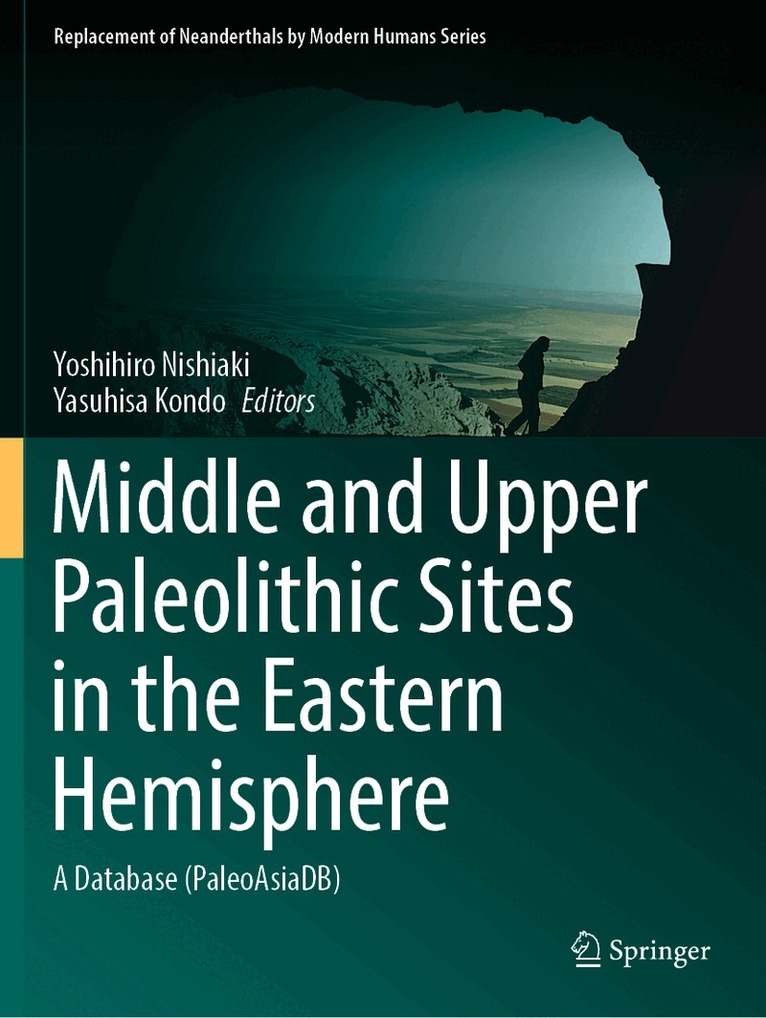
Middle and Upper Paleolithic Sites in the Eastern Hemisphere
A Database (PaleoAsiaDB)
Av Yoshihiro Nishiaki, Yasuhisa Kondo
Inbunden, 2023
1580 kr
Lägg i varukorg
This book provides an overview of the archaeological sites and cultural assemblages in the world and presents an archaeological database that has been established through two large-scale research projects conducted between 2010 and 2022. The projects were Replacement of the Neanderthals by Modern …
Middle and Upper Paleolithic Sites in the Eastern Hemisphere
A Database (PaleoAsiaDB)
Av Yasuhisa Kondo, Yoshihiro Nishiaki
E-bok, 2023
1962 kr
Lägg i varukorg
This book provides an overview of the archaeological sites and cultural assemblages in the world and presents an archaeological database that has been established through two large-scale research projects conducted between 2010 and 2022. The projects were Replacement of the Neanderthals by Modern …
Middle and Upper Paleolithic Sites in the Eastern Hemisphere
A Database (PaleoAsiaDB)
Av Yoshihiro Nishiaki, Yasuhisa Kondo
Häftad, 2024
1580 kr
Lägg i varukorg
This book provides an overview of the archaeological sites and cultural assemblages in the world and presents an archaeological database that has been established through two large-scale research projects conducted between 2010 and 2022. The projects were Replacement of the Neanderthals by Modern …