Yoshikazu Sakamoto – författare
Visar alla böcker från författaren Yoshikazu Sakamoto. Handla med fri frakt och snabb leverans.
3 produkter
3 produkter
E-bok
PDF, Engelska, 20237 895 kr
Läs direkt efter köp
This book provides the reader with a comprehensive study of the future perspectives of the international order after the collapse of the Evil Empire. The first part of the book reviews the likely evolution of the international system in the years to come, covering the global implications of the end of the East--West order (political, economic and strategic impact); the second part studies the specificities of the situation in Europe, the U.S.A., Asia, and the rest of the world, as well as the role of some international organizations. The book addresses the basic questions facing us since the collapse of the socialist system: What has been the impact of the collapse of the East--West order on the international system? How will various regions and actors be affected by these changes? How will they react to them? What will be the most important challenges and threats in the future international system, and how can we prepare for them? Gathered together in this volume are contributions from some of the most eminent experts from the academic community as well as from governmental and international organizations, making it a reference book for students of international affairs as well as policy-makers and corporate managers.
Inbunden, Engelska, 2025
1 562 kr
Skickas inom 5-8 vardagar
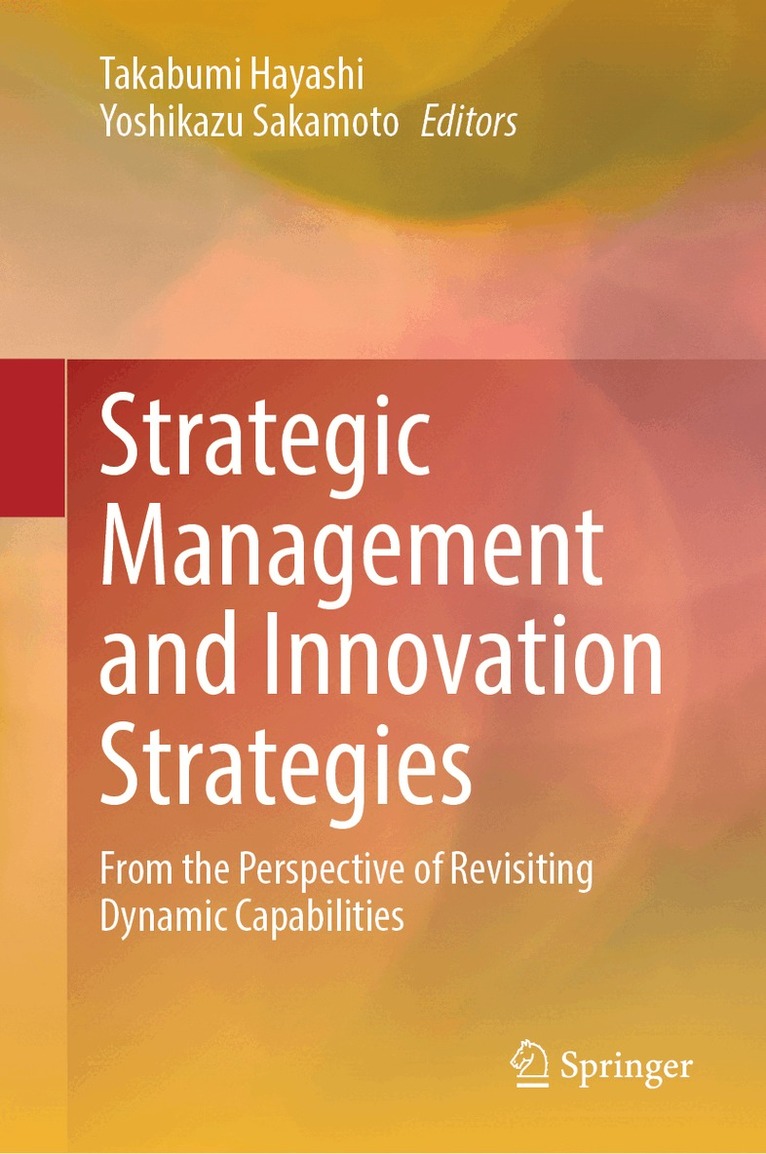
This book uses case studies to analyze how companies have implemented business strategies to adapt from analogue to digital, from hardware-based to software-based, and from incremental to radical innovation, in the new-generation competition. Through this analysis, the distinctive features and challenges of these companies are examined from the perspective of innovation strategy, focusing on dynamic capabilities of the companies. A major objective of this monograph is to identify the key determinants that make up the dynamic capabilities of the companies in international competitive marketplaces. In other words, the analytical focus is on clarifying the consistency and differences between the representative dynamic capability theory and the innovation strategies of companies examined in this study. It also presents management strategies from the perspective of “organizational transformation” when confronting companies with cost-competitive and innovative resources.The common feature of the studied companies is that entrepreneurial managers and leaders have played the critical roles in creating new business units with organizational transformation. The book demonstrates the differences in innovation strategies from those of typical companies previously analyzed. This book is highly recommended not only to academicians but to businesspeople who seek an in-depth and up-to-date overview of unique innovation strategies of companies that are leaders in global markets.
E-bok
Engelska, 20251 879 kr
Läs direkt efter köp
This book uses case studies to analyze how companies have implemented business strategies to adapt from analogue to digital, from hardware-based to software-based, and from incremental to radical innovation, in the new-generation competition. Through this analysis, the distinctive features and challenges of these companies are examined from the perspective of innovation strategy, focusing on dynamic capabilities of the companies. A major objective of this monograph is to identify the key determinants that make up the dynamic capabilities of the companies in international competitive marketplaces. In other words, the analytical focus is on clarifying the consistency and differences between the representative dynamic capability theory and the innovation strategies of companies examined in this study. It also presents management strategies from the perspective of “organizational transformation” when confronting companies with cost-competitive and innovative resources.The common feature of the studied companies is that entrepreneurial managers and leaders have played the critical roles in creating new business units with organizational transformation. The book demonstrates the differences in innovation strategies from those of typical companies previously analyzed. This book is highly recommended not only to academicians but to businesspeople who seek an in-depth and up-to-date overview of unique innovation strategies of companies that are leaders in global markets.