Yves-Heng Lim – författare
Visar alla böcker från författaren Yves-Heng Lim. Handla med fri frakt och snabb leverans.
7 produkter
7 produkter
Inbunden, Engelska, 2024
2 176 kr
Skickas inom 10-15 vardagar
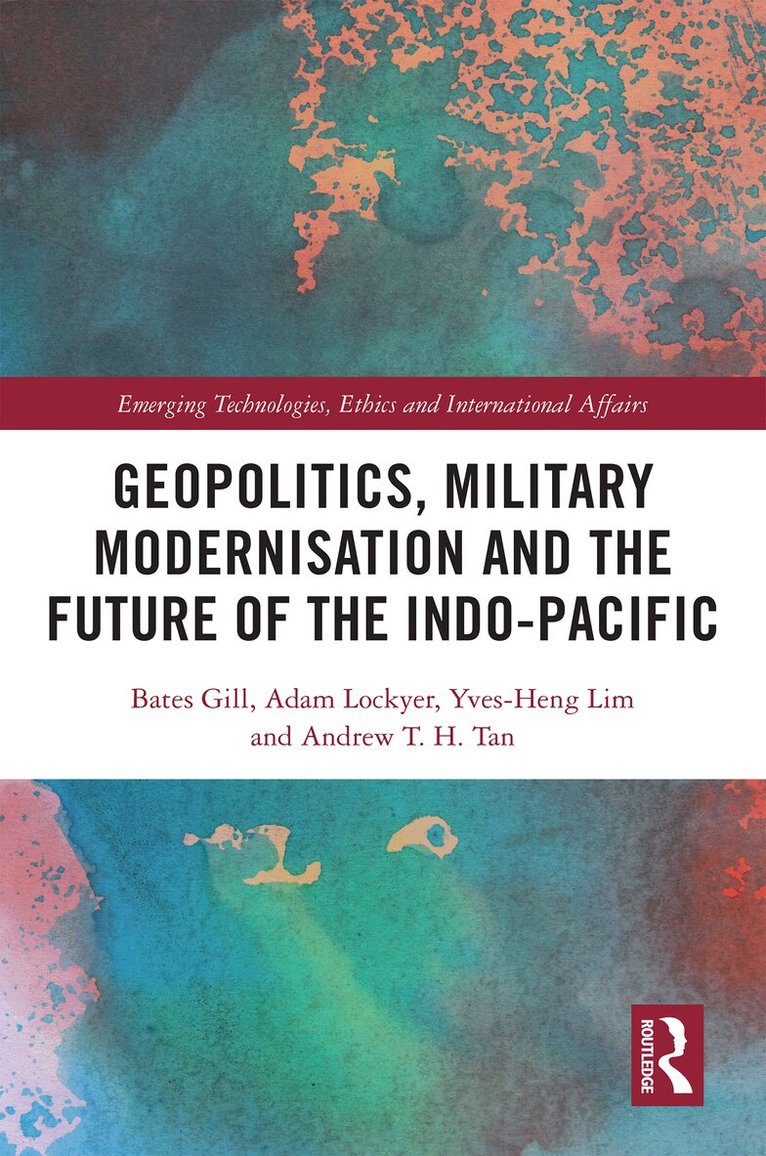
This book examines to what extent geopolitics explains the current wave of force modernisation in the Indo-Pacific region. Examining the leading Indo-Pacific nations in terms of defence spending: the United States, China, India, Japan, South Korea, Australia, Taiwan, Singapore, Pakistan, Indonesia and Thailand, geopolitical principles are used to create hypotheses that can be tested against the military modernisation programmes of the major actors in the Indo-Pacific region. The book represents a bridge between reference works and the literature on international politics in the Indo-Pacific. The empirical chapters provide qualitative narratives that explore the force postures, military modernisation and procurement patterns of the cases, and assess why these nations’ military modernisation has followed particular courses and evaluate this evidence against the expectations of geopolitics and its rivals. This book will be a valuable addition to scholars, practitioners and, indeed, anyone interested in the future stability of one of the world’s most important and dynamic regions.
Häftad, Engelska, 2025
559 kr
Skickas inom 10-15 vardagar
This book examines to what extent geopolitics explains the current wave of force modernisation in the Indo-Pacific region. Examining the leading Indo-Pacific nations in terms of defence spending: the United States, China, India, Japan, South Korea, Australia, Taiwan, Singapore, Pakistan, Indonesia and Thailand, geopolitical principles are used to create hypotheses that can be tested against the military modernisation programmes of the major actors in the Indo-Pacific region. The book represents a bridge between reference works and the literature on international politics in the Indo-Pacific. The empirical chapters provide qualitative narratives that explore the force postures, military modernisation and procurement patterns of the cases, and assess why these nations’ military modernisation has followed particular courses and evaluate this evidence against the expectations of geopolitics and its rivals. This book will be a valuable addition to scholars, practitioners and, indeed, anyone interested in the future stability of one of the world’s most important and dynamic regions.
E-bok
PDF, Engelska, 2024746 kr
Läs direkt efter köp
This book examines to what extent geopolitics explains the current wave of force modernisation in the Indo-Pacific region. Examining the leading Indo-Pacific nations in terms of defence spending: the United States, China, India, Japan, South Korea, Australia, Taiwan, Singapore, Pakistan, Indonesia and Thailand, geopolitical principles are used to create hypotheses that can be tested against the military modernisation programmes of the major actors in the Indo-Pacific region. The book represents a bridge between reference works and the literature on international politics in the Indo-Pacific. The empirical chapters provide qualitative narratives that explore the force postures, military modernisation and procurement patterns of the cases, and assess why these nations' military modernisation has followed particular courses and evaluate this evidence against the expectations of geopolitics and its rivals. This book will be a valuable addition to scholars, practitioners and, indeed, anyone interested in the future stability of one of the world's most important and dynamic regions.
E-bok
Engelska, 2024746 kr
Läs direkt efter köp
This book examines to what extent geopolitics explains the current wave of force modernisation in the Indo-Pacific region. Examining the leading Indo-Pacific nations in terms of defence spending: the United States, China, India, Japan, South Korea, Australia, Taiwan, Singapore, Pakistan, Indonesia and Thailand, geopolitical principles are used to create hypotheses that can be tested against the military modernisation programmes of the major actors in the Indo-Pacific region. The book represents a bridge between reference works and the literature on international politics in the Indo-Pacific. The empirical chapters provide qualitative narratives that explore the force postures, military modernisation and procurement patterns of the cases, and assess why these nations' military modernisation has followed particular courses and evaluate this evidence against the expectations of geopolitics and its rivals. This book will be a valuable addition to scholars, practitioners and, indeed, anyone interested in the future stability of one of the world's most important and dynamic regions.
E-bok
Engelska, 20162 673 kr
Läs direkt efter köp
The rapid modernization of the Chinese Navy is a well-documented reality of the post-Cold War world. In two decades, the People''s Liberation Army Navy has evolved from a backward force composed of obsolete platforms into a reasonably modern fleet whose growth is significantly shaking the naval balance in East Asia. The rationale behind China''s contemporary rise at sea remains, however, difficult to grasp and few people have tried to see how the current structure of the international system has shaped Chinese choices. This book makes sense of Chinese priorities in its naval modernization in a ''robust'' offensive realist framework. Drawing on Barry Posen''s works on sources of military doctrine, it argues that the orientation of Beijing''s choices concerning its naval forces can essentially be explained by China''s position as a potential regional hegemon. Yves-Heng Lim highlights how a rising state develops naval power to fulfil its security objectives, a theoretical perspective that goes farther than the sole Chinese case.
E-bok
PDF, Engelska, 20162 673 kr
Läs direkt efter köp
The rapid modernization of the Chinese Navy is a well-documented reality of the post-Cold War world. In two decades, the People''s Liberation Army Navy has evolved from a backward force composed of obsolete platforms into a reasonably modern fleet whose growth is significantly shaking the naval balance in East Asia. The rationale behind China''s contemporary rise at sea remains, however, difficult to grasp and few people have tried to see how the current structure of the international system has shaped Chinese choices. This book makes sense of Chinese priorities in its naval modernization in a ''robust'' offensive realist framework. Drawing on Barry Posen''s works on sources of military doctrine, it argues that the orientation of Beijing''s choices concerning its naval forces can essentially be explained by China''s position as a potential regional hegemon. Yves-Heng Lim highlights how a rising state develops naval power to fulfil its security objectives, a theoretical perspective that goes farther than the sole Chinese case.
Inbunden, Engelska, 2014
2 246 kr
Skickas inom 10-15 vardagar
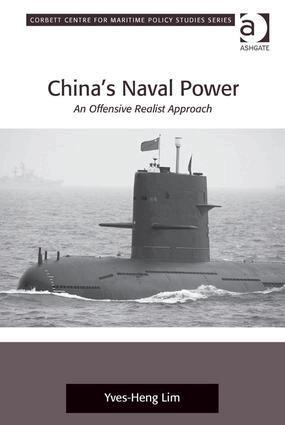
The rapid modernization of the Chinese Navy is a well-documented reality of the post-Cold War world. In two decades, the People's Liberation Army Navy has evolved from a backward force composed of obsolete platforms into a reasonably modern fleet whose growth is significantly shaking the naval balance in East Asia. The rationale behind China's contemporary rise at sea remains, however, difficult to grasp and few people have tried to see how the current structure of the international system has shaped Chinese choices. This book makes sense of Chinese priorities in its naval modernization in a 'robust' offensive realist framework. Drawing on Barry Posen's works on sources of military doctrine, it argues that the orientation of Beijing's choices concerning its naval forces can essentially be explained by China's position as a potential regional hegemon. Yves-Heng Lim highlights how a rising state develops naval power to fulfil its security objectives, a theoretical perspective that goes farther than the sole Chinese case.