Zahra R. Babar – författare
Visar alla böcker från författaren Zahra R. Babar. Handla med fri frakt och snabb leverans.
7 produkter
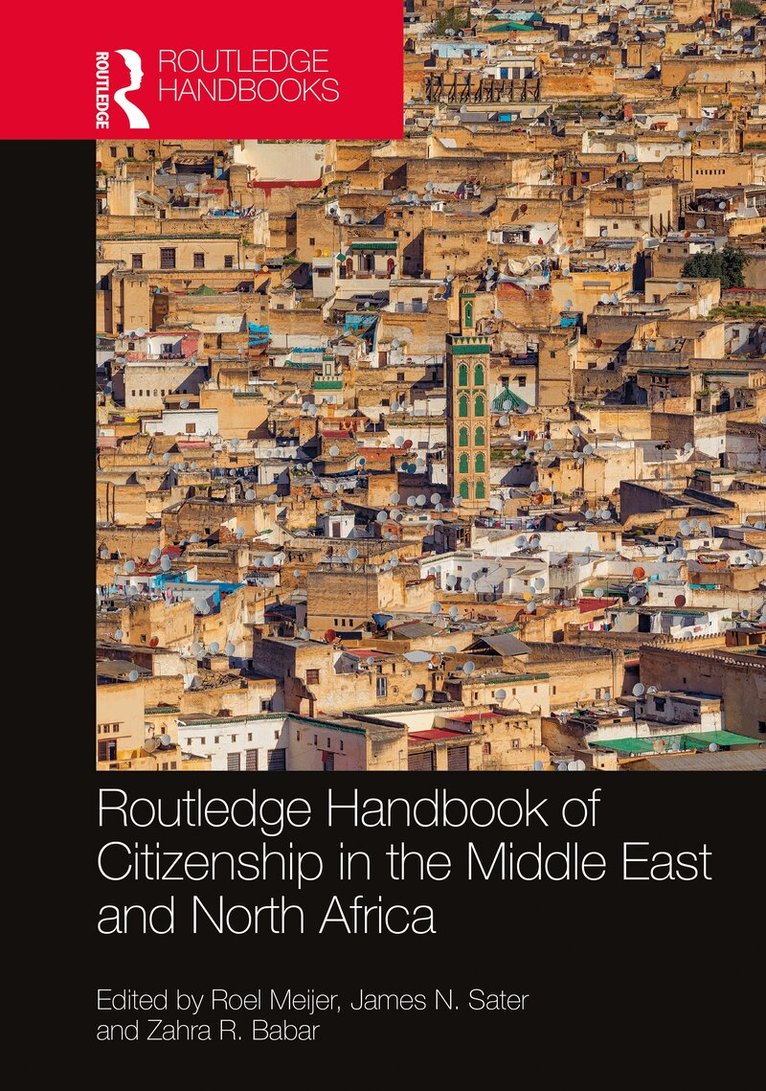
Routledge Handbook of Citizenship in the Middle East and North Africa
Av Roel Meijer, James N. Sater m. fl.
Inbunden, 2020
3781 kr
Lägg i varukorg
This comprehensive Handbook gives an overview of the political, social, economic and legal dimensions of citizenship in the Middle East and North Africa from the nineteenth century to the present. The terms citizen and citizenship are mostly used by researchers in an off-hand, self-evident manner. …
Routledge Handbook of Citizenship in the Middle East and North Africa
Av Roel Meijer, James N. Sater m. fl.
Häftad, 2023
718 kr
Lägg i varukorg
This comprehensive Handbook gives an overview of the political, social, economic and legal dimensions of citizenship in the Middle East and North Africa from the nineteenth century to the present. The terms citizen and citizenship are mostly used by researchers in an off-hand, self-evident manner. …
Routledge Handbook of Citizenship in the Middle East and North Africa
Av Zahra R. Babar, James N. Sater m. fl.
E-bok, 2020
781 kr
Lägg i varukorg
This comprehensive Handbook gives an overview of the political, social, economic and legal dimensions of citizenship in the Middle East and North Africa from the nineteenth century to the present. The terms citizen and citizenship are mostly used by researchers in an off-hand, self-evident manner. …
Routledge Handbook of Citizenship in the Middle East and North Africa
Av Zahra R. Babar, James N. Sater m. fl.
E-bok, 2020
781 kr
Lägg i varukorg
This comprehensive Handbook gives an overview of the political, social, economic and legal dimensions of citizenship in the Middle East and North Africa from the nineteenth century to the present. The terms citizen and citizenship are mostly used by researchers in an off-hand, self-evident manner. …
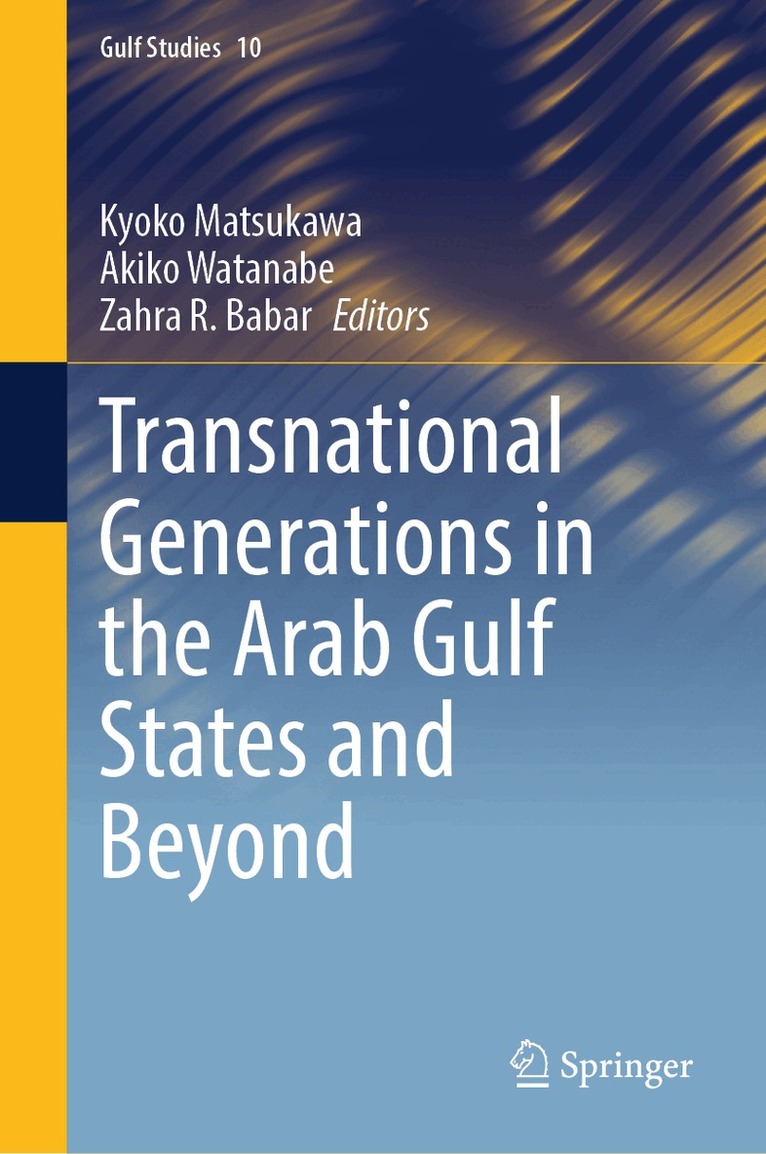
Transnational Generations in the Arab Gulf States and Beyond
Av Kyoko Matsukawa, Akiko Watanabe m. fl.
Inbunden, 2023
1422 kr
Lägg i varukorg
This book examines the recent migration phenomenon in the Arab Gulf states for work and residence. It sheds light on the transnationality of diverse groups of migrants from different generations, and unpacks how migrants’ multiple senses of belonging, orientations and adaptive strategies have …
Transnational Generations in the Arab Gulf States and Beyond
Av Zahra R. Babar, Akiko Watanabe m. fl.
E-bok, 2023
1742 kr
Lägg i varukorg
This book examines the recent migration phenomenon in the Arab Gulf states for work and residence. It sheds light on the transnationality of diverse groups of migrants from different generations, and unpacks how migrants’ multiple senses of belonging, orientations and adaptive strategies have …
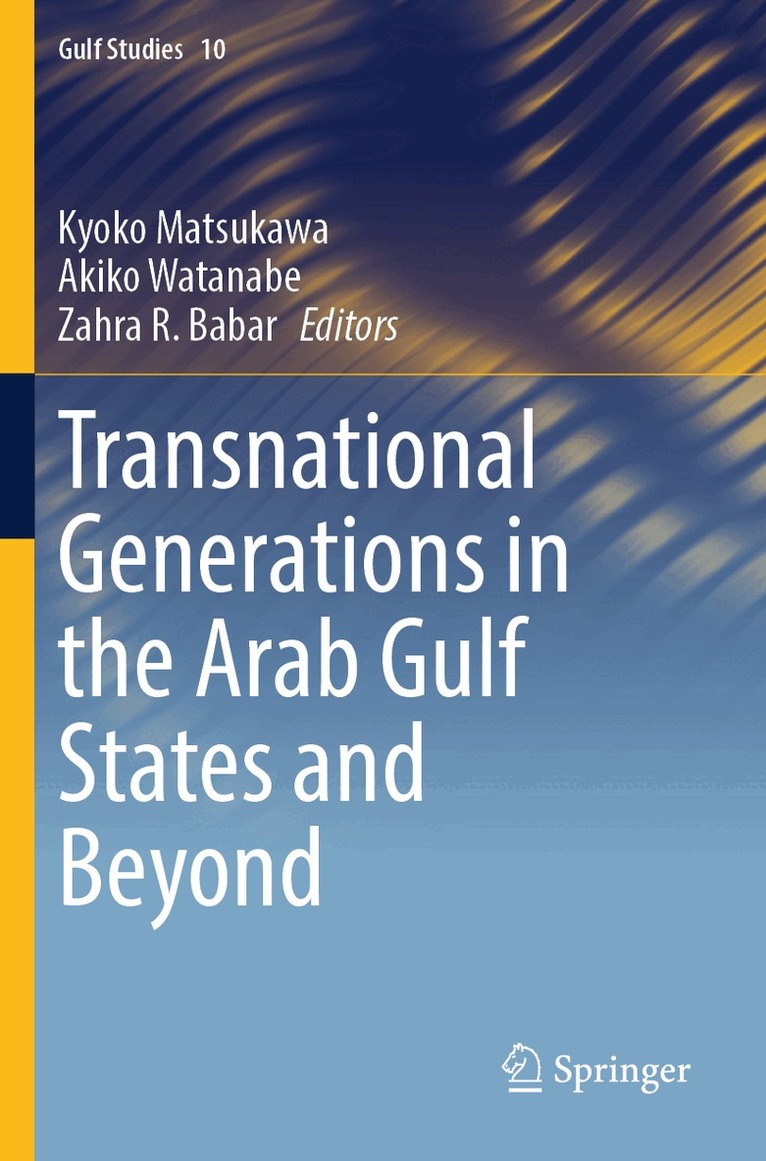
Transnational Generations in the Arab Gulf States and Beyond
Av Kyoko Matsukawa, Akiko Watanabe m. fl.
Häftad, 2024
1422 kr
Lägg i varukorg
This book examines the recent migration phenomenon in the Arab Gulf states for work and residence. It sheds light on the transnationality of diverse groups of migrants from different generations, and unpacks how migrants’ multiple senses of belonging, orientations and adaptive strategies have …