Zainab Usman – författare
Visar alla böcker från författaren Zainab Usman. Handla med fri frakt och snabb leverans.
4 produkter
4 produkter
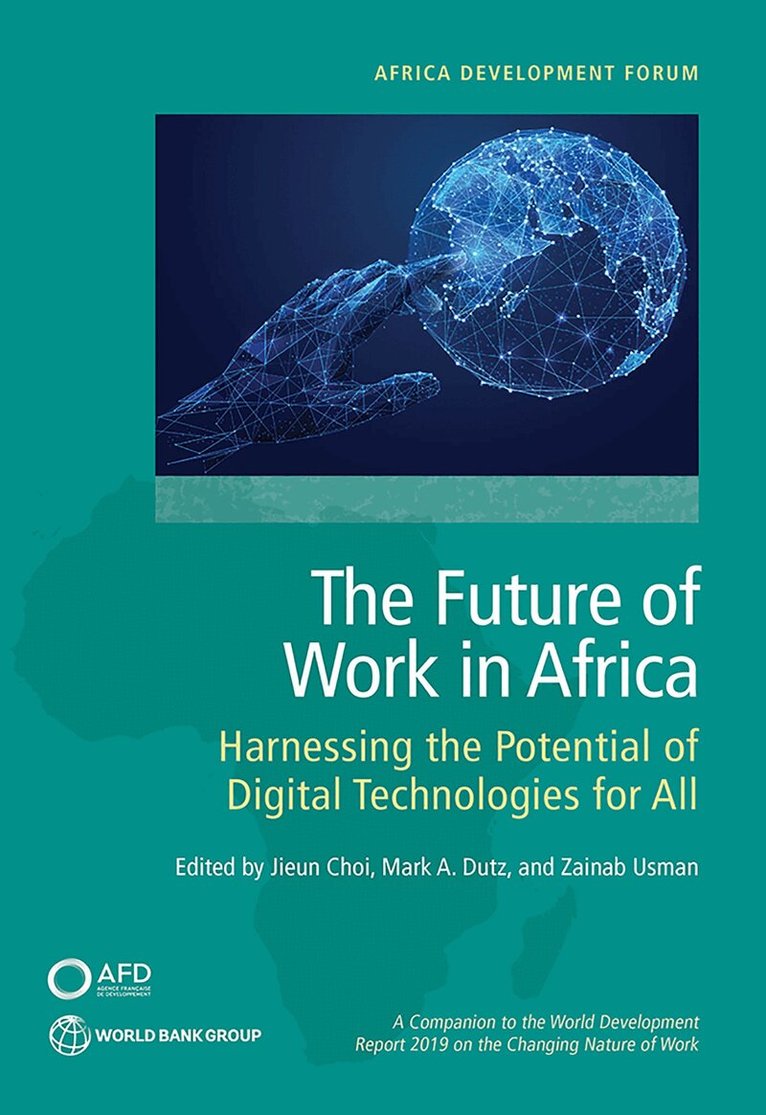
Future of Work in Africa
Harnessing the Potential of Digital Technologies for All
Häftad, Engelska, 2020
393 kr
Skickas inom 10-15 vardagar
The Future of Work in Africa focuses on the key themes of creating productive jobs and addressing the needs of those left behind. It highlights how global trends, especially the adoption of digital technologies, may change the nature of work in Sub-Saharan Africa by creating new opportunities and challenges. It argues that, contrary to global fears of worker displacement by new technologies, African countries can develop an inclusive future of work,with opportunities for lower-skilled workers. Harnessing these opportunities is, however,contingent on implementing policies and making productive investments in four main areas.These are enabling inclusive digital technologies; building human capital for a young, rapidly growing, and largely low-skilled labour force; increasing the productivity of informal workers and enterprises; and extending social protection coverage to mitigate the risks associated with disruptions to labour markets. This companion report to the World Bank's World Development Report 2019 concludes with important policy questions that should guide future research, whose findings could lead to more inclusive growth for African nations.
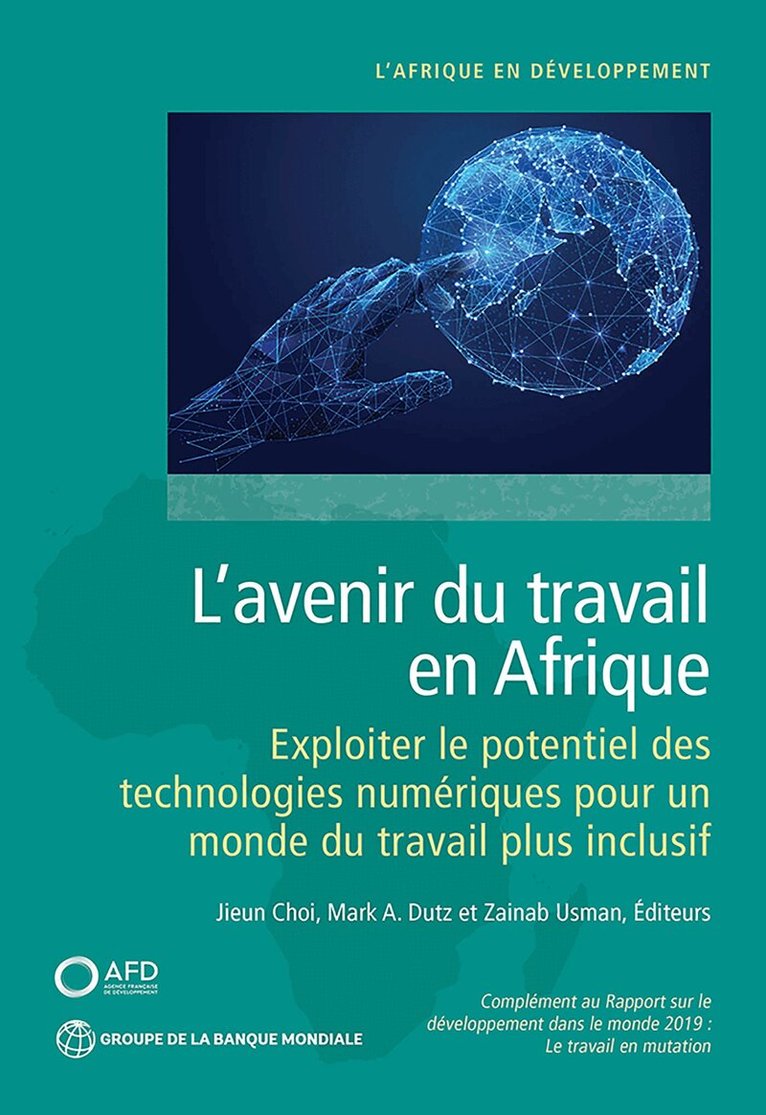
Future of Work in Africa (French Edition)
Harnessing the Potential of Digital Technologies for a More Inclusive World of Work
Häftad, Franska, 2021
435 kr
Skickas inom 10-15 vardagar
The Future of Work in Africa focuses on the key themes of creating productive jobs and addressing the needs of those left behind. It highlights how global trends, especially the adoption of digital technologies, may change the nature of work in Sub-Saharan Africa by creating new opportunities and challenges.
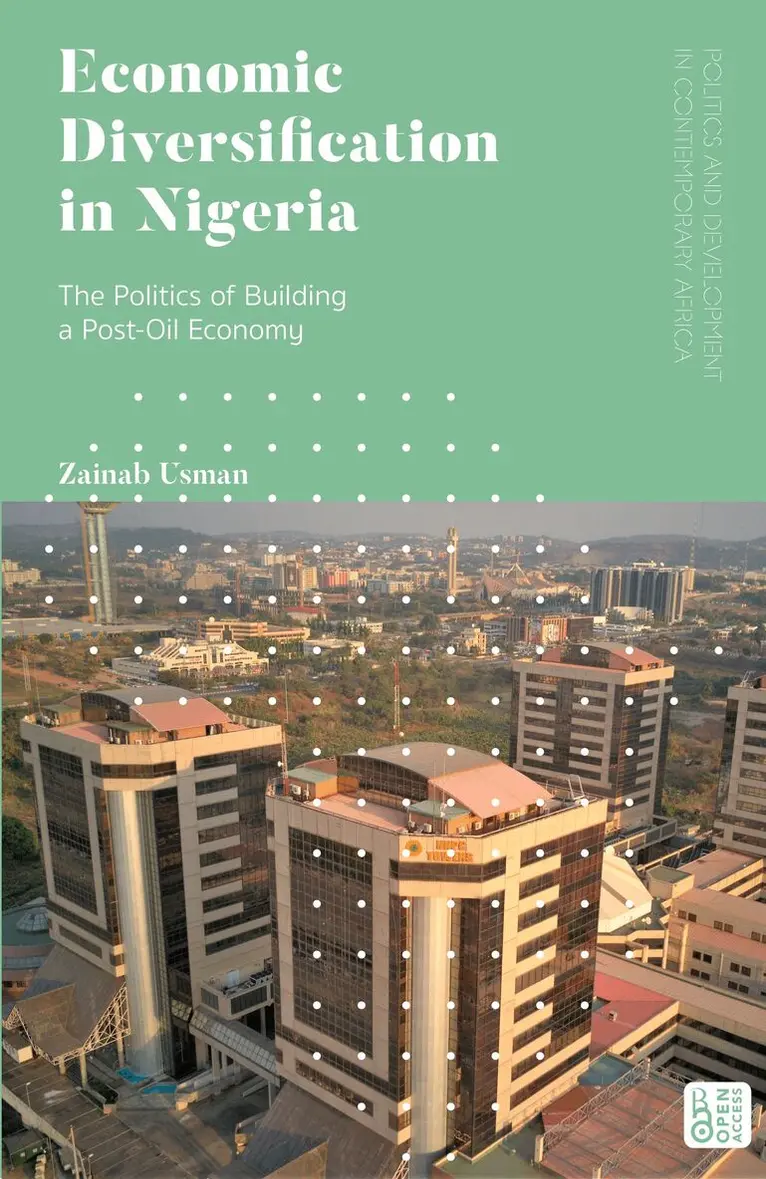
Economic Diversification in Nigeria
The Politics of Building a Post-Oil Economy
Inbunden, Engelska, 2022
1 343 kr
Skickas inom 10-15 vardagar
Nigeria has for long been regarded as the poster child for the ‘curse’ of oil wealth. Due to what is regarded as an African political culture of neopatrimonialism, irreconcilable ethno-religious divisions and predatory subversion of institutions, Nigeria is seen incapable of overcoming the economic deterioration of this ‘resource curse’. Yet, Nigeria achieved strong economic growth for over a decade in the twenty first century driven largely by policy reforms in non-oil sectors. The book argues that Nigeria’s major development challenge is not an ‘oil curse’, but one of achieving economic diversification beyond oil, subsistence agriculture, informal activities and across its subnational entities. Through analysis drawing on economic data, policy documents and interviews, the book argues that Nigeria’s challenge of economic diversification is situated within a political setting of an unstable distribution of power among individual, group and institutional actors.Nigeria’s ruling elites have lurched from one political crisis to another throughout the country’s history and especially in the last two decades of democratic rule. A perpetual state of crisis management orients economic policy to be episodic rather than the systematic and long-term focus necessary to drive the economic transformation Nigeria aspires for. Since the turn of the century, policymaking by successive Nigerian governments despite superficial partisan differences has been oriented towards short-term crisis management of macroeconomic stabilization, restoring growth and selective public sector reforms. To diversify Nigeria’s economy, successive governments must reorient towards a consistent focus on: pro-productivity and pro-poor policies, alongside comprehensive civil service and security sector overhaul. These policy priorities, Nigeria’s ruling elites are belatedly acknowledging, are crucial to achieving economic transformation. However, this policy shift requires tackling the roots of perpetual political crisis, especially stabilizing the balance of power towards equity and inclusion.
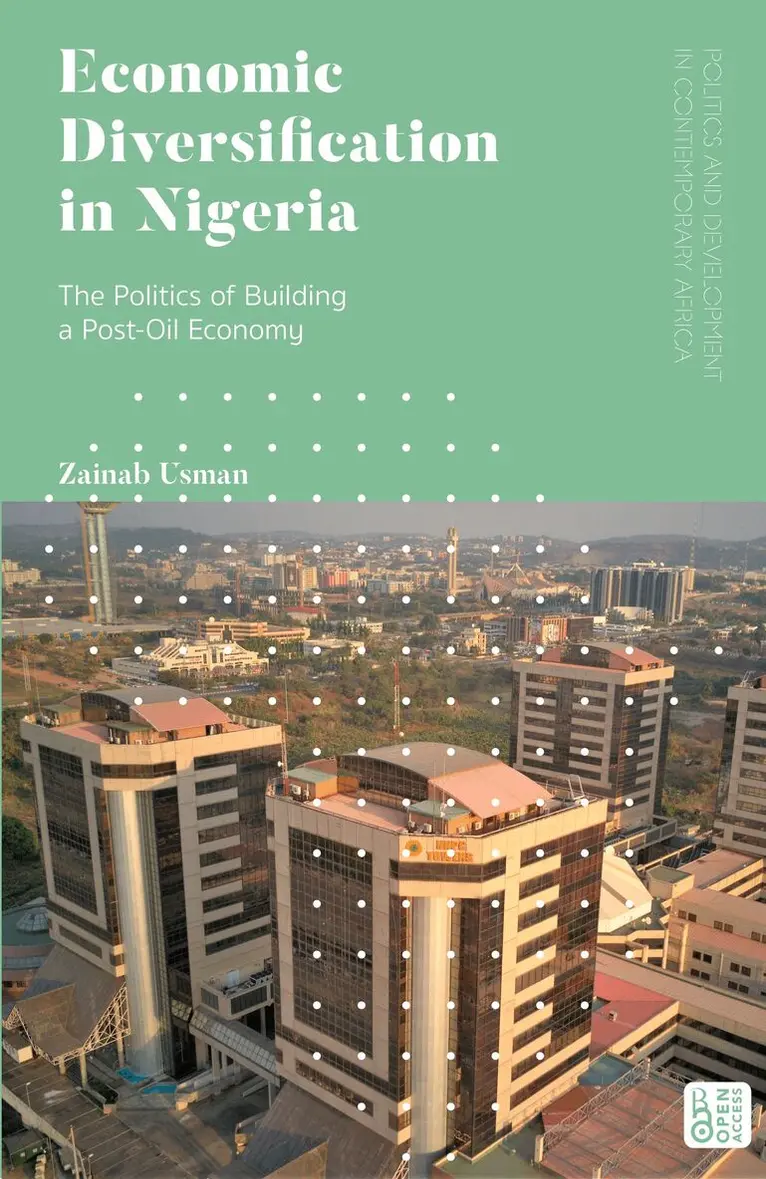
Economic Diversification in Nigeria
The Politics of Building a Post-Oil Economy
Häftad, Engelska, 2023
420 kr
Skickas inom 10-15 vardagar
Nigeria has for long been regarded as the poster child for the ‘curse’ of oil wealth. Yet despite this, Nigeria achieved strong economic growth for over a decade in the 21st century, driven largely by policy reforms in non-oil sectors. This open access book argues that Nigeria’s major development challenge is not the ‘oil curse’, but rather one of achieving economic diversification beyond oil, subsistence agriculture, informal activities, and across its subnational entities. Through analysis drawing on economic data, policy documents, and interviews, Usman argues that Nigeria’s challenge of economic diversification is situated within the political setting of an unstable distribution of power among individual, group, and institutional actors.Since the turn of the century, policymaking by successive Nigerian governments has, despite superficial partisan differences, been oriented towards short-term crisis management of macroeconomic stabilization, restoring growth and selective public sector reforms. To diversify Nigeria’s economy, this book argues that successive governments must reorient towards a consistent focus on pro-productivity and pro-poor policies, alongside comprehensive civil service and security sector overhaul. These policy priorities, Nigeria’s ruling elites are belatedly acknowledging, are crucial to achieving economic transformation; a policy shift that requires a confrontation with the roots of perpetual political crisis, and an attempt to stabilize the balance of power towards equity and inclusion.The eBook editions of this book are available open access under a CC BY-NC-ND 4.0 licence on bloomsburycollections.com. Open access was funded by The Carnegie Endowment for International Peace.