Zbigniew Korzeb - Böcker
Visar alla böcker från författaren Zbigniew Korzeb. Handla med fri frakt och snabb leverans.
4 produkter
4 produkter
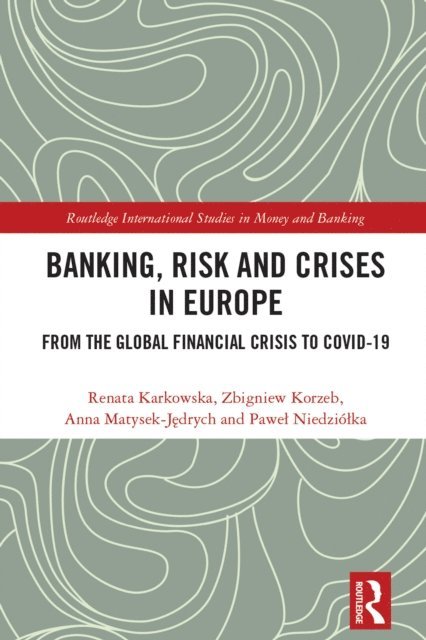
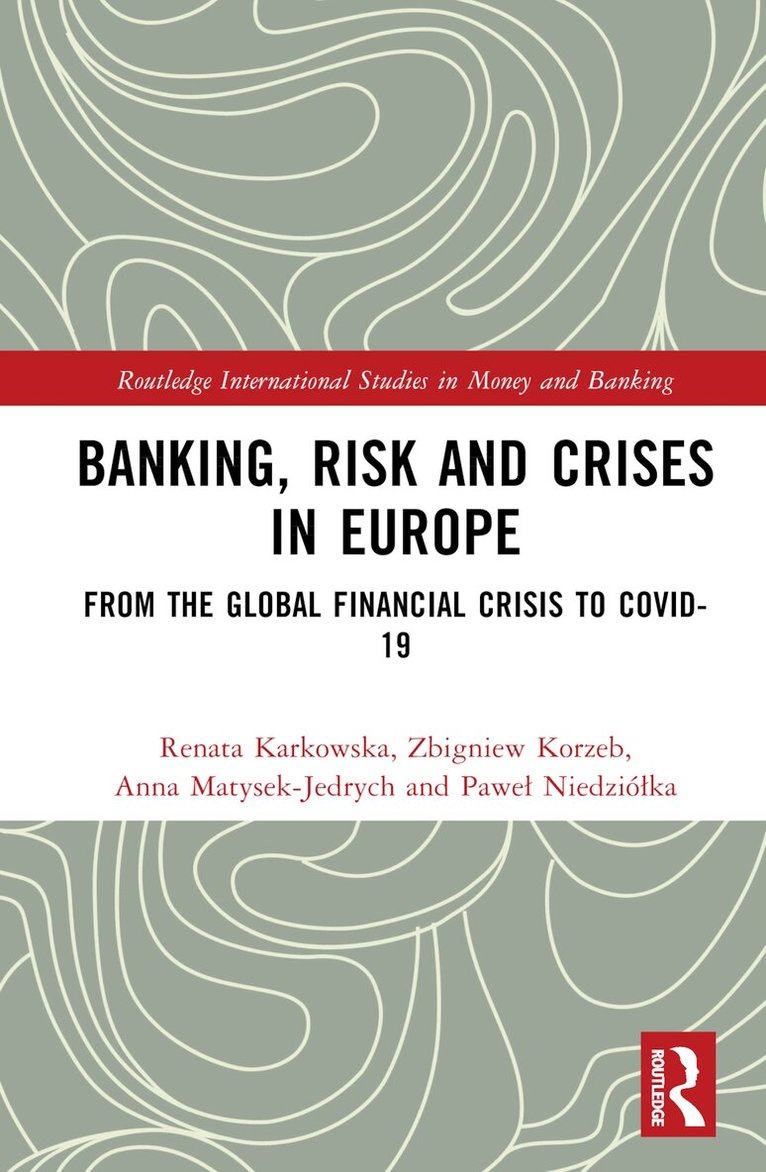
Banking, Risk and Crises in Europe
From the Global Financial Crisis to COVID-19
Inbunden, Engelska, 2023
2 021 kr
Skickas inom 10-15 vardagar
European economies have been plagued by successive crises, from the Global Financial Crisis (GFC) to the COVID-19 pandemic, through to the economic and geopolitical instability in Ukraine. These events, the uncertainty they generate combined with dynamic technological progress and significant sociocultural changes, have profoundly modified the character of modern finance. Understanding what happened, what mechanisms worked, and the reaction of the banking sector, bank customers, and policymakers require an in-depth and structured analysis. This book critically assesses the impact of these events, notably the COVID-19 pandemic, on the performance of the banking sector in Europe and serves as a compendium of knowledge on recent changes in European banking from two perspectives: firstly, European banking transformation, analyzing the process of what has already taken place, in particular, the GFC and COVID-19 crises; secondly, the challenges facing the operations and strategic management of European banks. It identifies specific areas of impact on the activity of commercial banks and the determining factors that will shape the economic and financial condition of banks and their customers – borrowers – in the future. Risk management, particularly credit risk, is a key focus of this volume. Each chapter, implicitly or explicitly, address a variety of questions that can help the reader to understand the complex nature of the transformation of the banking sector. The book provides a structured reference for those concerned with the impact of volatility on the business models of modern banks. As such, it will find a broad audience among students, academics, banking, financial, business, and industry professionals, policymakers, and market regulators.
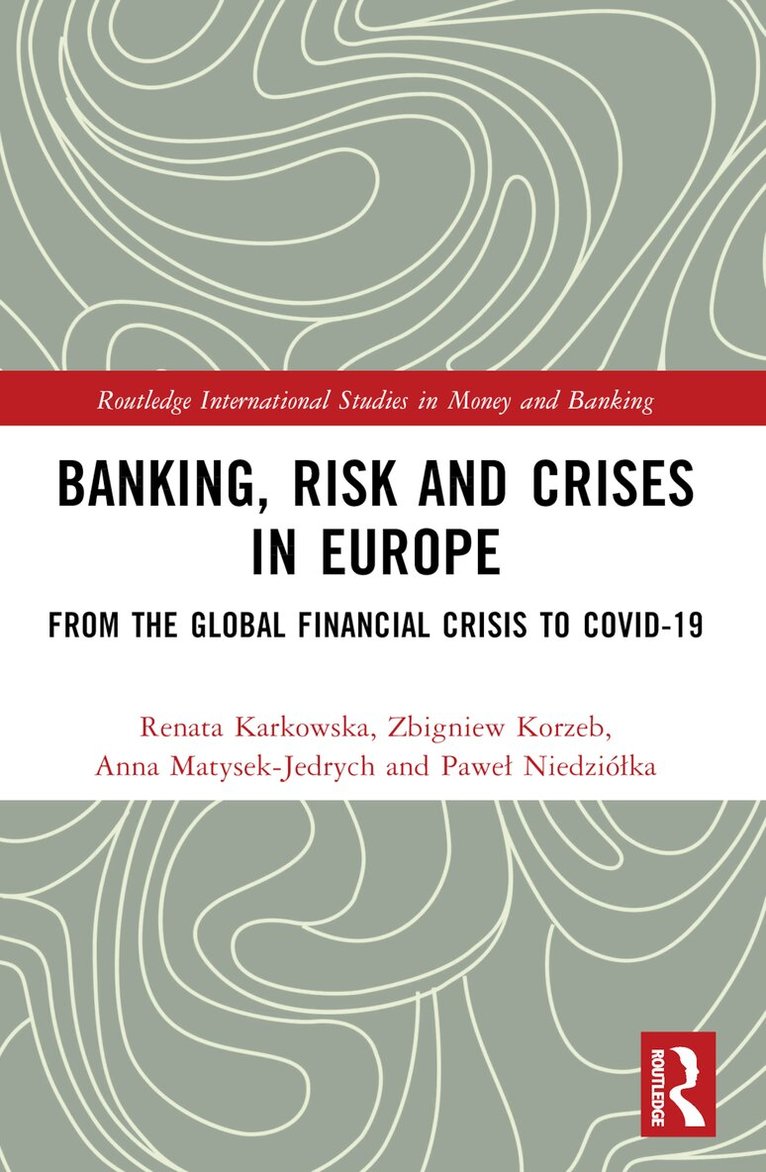
Banking, Risk and Crises in Europe
From the Global Financial Crisis to COVID-19
Häftad, Engelska, 2024
596 kr
Skickas inom 10-15 vardagar
European economies have been plagued by successive crises, from the Global Financial Crisis (GFC) to the COVID-19 pandemic, through to the economic and geopolitical instability in Ukraine. These events, the uncertainty they generate combined with dynamic technological progress and significant sociocultural changes, have profoundly modified the character of modern finance. Understanding what happened, what mechanisms worked, and the reaction of the banking sector, bank customers, and policymakers require an in-depth and structured analysis. This book critically assesses the impact of these events, notably the COVID-19 pandemic, on the performance of the banking sector in Europe and serves as a compendium of knowledge on recent changes in European banking from two perspectives: firstly, European banking transformation, analyzing the process of what has already taken place, in particular, the GFC and COVID-19 crises; secondly, the challenges facing the operations and strategic management of European banks. It identifies specific areas of impact on the activity of commercial banks and the determining factors that will shape the economic and financial condition of banks and their customers – borrowers – in the future. Risk management, particularly credit risk, is a key focus of this volume. Each chapter, implicitly or explicitly, address a variety of questions that can help the reader to understand the complex nature of the transformation of the banking sector. The book provides a structured reference for those concerned with the impact of volatility on the business models of modern banks. As such, it will find a broad audience among students, academics, banking, financial, business, and industry professionals, policymakers, and market regulators.
Del 99 - Lecture Notes in Energy
Fossil Fuels in the European Union
Geopolitical Change, Climate Policy and Financing Conditions
Inbunden, Engelska, 2024
1 900 kr
Skickas inom 10-15 vardagar
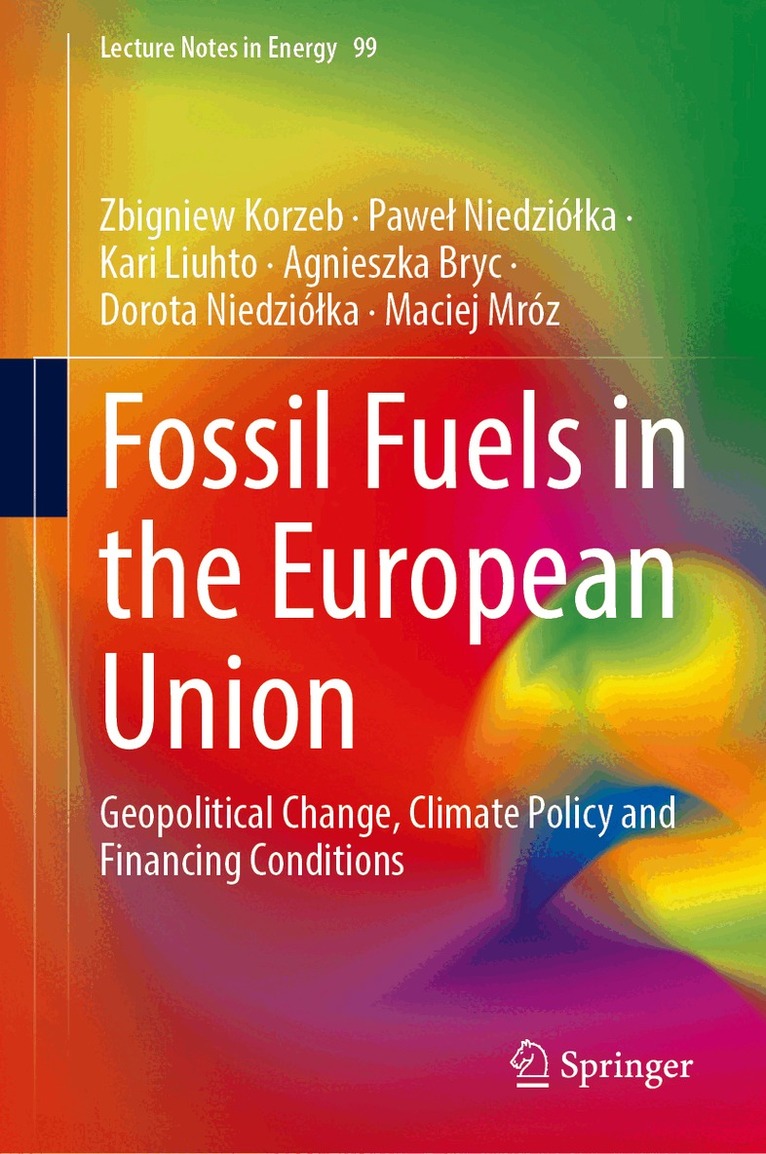
This book identifies scenarios for changes in transmission infrastructure, contracting, consumption patterns and fossil fuel financing policies, considering climate goals and the consequences of the conflict in Ukraine. The invasion of Ukraine by the Russian Federation has fundamentally changed the geopolitical situation, approaches to energy security issues, the EU’s energy (in)dependence and the implementation of previously outlined climate policies, including the planned gradual withdrawal from fossil fuels.This book presents the geopolitical architecture, energy mix, energy fuel supply structure, long-term energy policy and financing conditions of the oil and gas and sectors in the EU in the period preceding and following the Russian invasion of Ukraine. The authors consider the date of Russia’s attack on Ukraine as a symbolic caesura marking the beginning of the process of creating a new energy order in the EU. A novel part of the book is the attention it pays to the role of the credit and investment policy of the EU banking sector in relation to carbon-intensive sectors and to the significance of the financial system from the point of view of the effectiveness of international sanctions imposed on the Russian Federation, including, above all, sanctions related to the fossil fuel sector. The book is of interest to researchers and all those interested in learning about these subjects.
Del 99 - Lecture Notes in Energy
Fossil Fuels in the European Union
Geopolitical Change, Climate Policy and Financing Conditions
Häftad, Engelska, 2025
1 900 kr
Skickas inom 10-15 vardagar
This book identifies scenarios for changes in transmission infrastructure, contracting, consumption patterns and fossil fuel financing policies, considering climate goals and the consequences of the conflict in Ukraine. The invasion of Ukraine by the Russian Federation has fundamentally changed the geopolitical situation, approaches to energy security issues, the EU’s energy (in)dependence and the implementation of previously outlined climate policies, including the planned gradual withdrawal from fossil fuels.This book presents the geopolitical architecture, energy mix, energy fuel supply structure, long-term energy policy and financing conditions of the oil and gas and sectors in the EU in the period preceding and following the Russian invasion of Ukraine. The authors consider the date of Russia’s attack on Ukraine as a symbolic caesura marking the beginning of the process of creating a new energy order in the EU. A novel part of the book is the attention it pays to the role of the credit and investment policy of the EU banking sector in relation to carbon-intensive sectors and to the significance of the financial system from the point of view of the effectiveness of international sanctions imposed on the Russian Federation, including, above all, sanctions related to the fossil fuel sector. The book is of interest to researchers and all those interested in learning about these subjects.