Zdenek Drabek - Böcker
Visar alla böcker från författaren Zdenek Drabek. Handla med fri frakt och snabb leverans.
5 produkter
5 produkter
1 624 kr
Skickas inom 10-15 vardagar
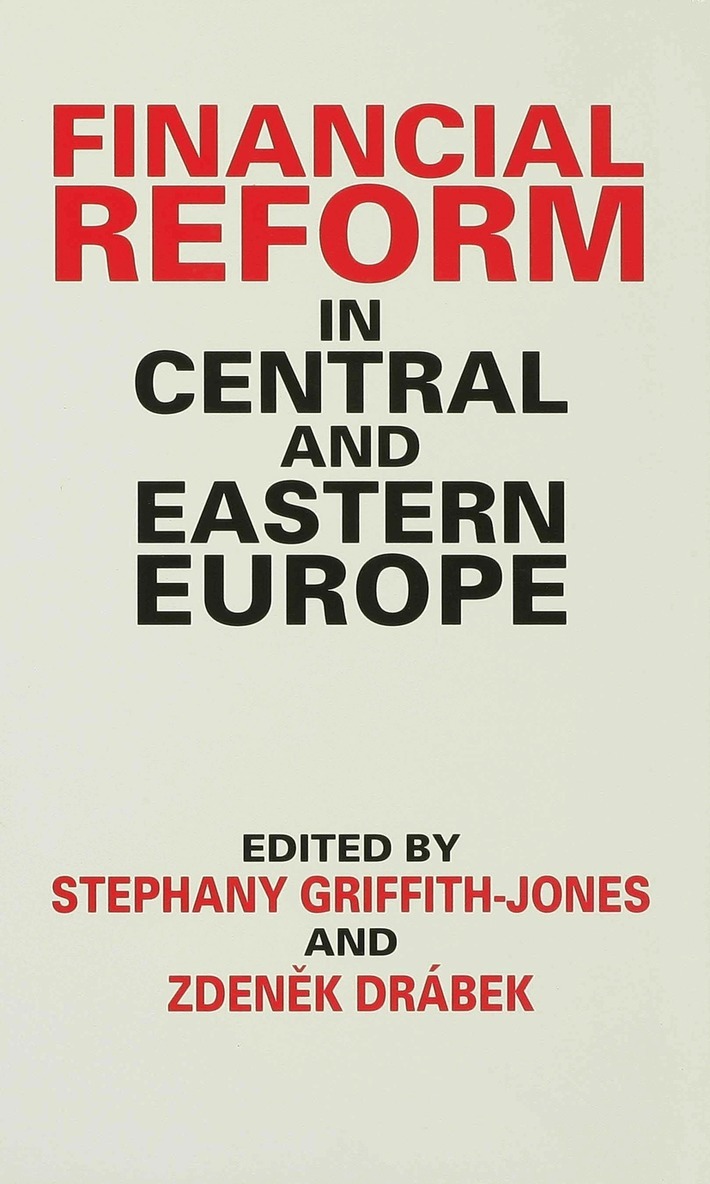
This book examines the reforms of banking in Eastern Europe, which are a key element of the transition to the market in those economies. Particular emphasis is placed on the "bad domestic bank debt" problem. The book also analyzes the development of capital markets in Eastern Europe, and their role in attracting foreign flows, with case-studies on the former Czechoslovakia, Hungary and Poland.;Contributions are from senior policy-makers and academics from Central and Eastern Europe who are involved in the reforms.
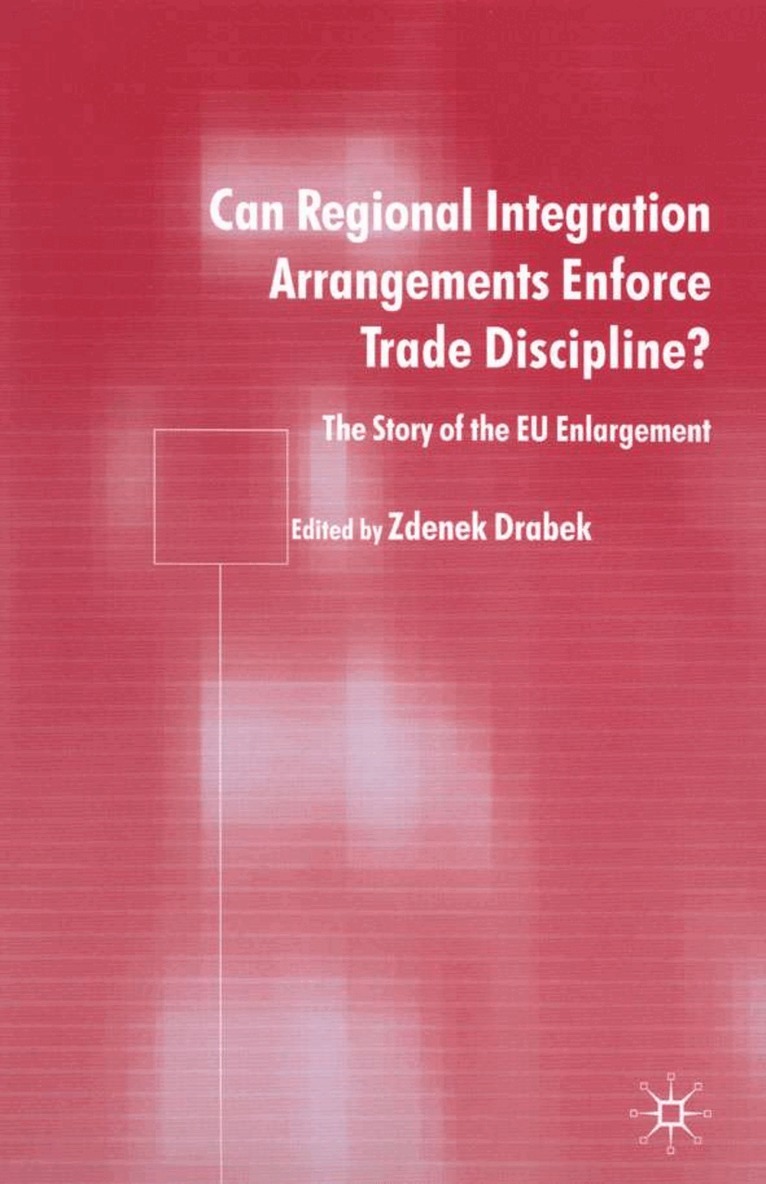
Can Regional Integration Arrangements Enforce Trade Discipline?
The Story of EU Enlargement
Häftad, Engelska, 2004
1 095 kr
Skickas inom 10-15 vardagar
This book examines these issues, concluding that the success of regional trading arrangements in enforcing good trade policies depends on the quality of the regional agreement and its implementation - simple free trade area is unlikely to be sustainable in the long-run without firm commitments of members to deeper integration.
Can Regional Integration Arrangements Enforce Trade Discipline?
The Story of EU Enlargement
Inbunden, Engelska, 2004
1 064 kr
Skickas inom 10-15 vardagar
This book examines these issues, concluding that the success of regional trading arrangements in enforcing good trade policies depends on the quality of the regional agreement and its implementation - simple free trade area is unlikely to be sustainable in the long-run without firm commitments of members to deeper integration.
Globalisation Under Threat
The Stability of Trade Policy and Multilateral Agreements
Inbunden, Engelska, 2001
1 644 kr
Skickas inom 7-10 vardagar
The events in Seattle and other cities around the world demonstrate that globalisation and trade liberalisation are currently under severe pressure. There are also reasons to believe that these pressures are being translated into measures to increase the protection of domestic markets. This book addresses what are arguably the four most important origins of these pressures: macroeconomic conditions, labour policy, trade and the environment, and market imperfections.The authors first address the role of macroeconomic conditions and policies, and demonstrate how these can have a crucial role in explaining 'slippages' of trade policy. The second origin of instability is labour policy, in particular the pressures to introduce universal labour standards. The third economic origin the book considers is the relationship between trade and the environment and the attempts to link trade policies to environmental standards. The fourth origin of protectionist pressure comes from the presence of various market imperfections and the extent to which they affect competition. The authors conclude that multilateral agreements can be extremely helpful in creating the right environment for equitable trade policies, but warn that complete success can only be achieved once major hurdles are overcome in the highly controversial and politically sensitive areas of labour, environment and competition.Offering a unique perspective on the threat to globalisation, this book should be widely read by students, practitioners and policymakers in the spheres of international trade, transition and development studies, and competition, labour and environmental economics.
Del 21 - World Scientific Studies in International Economics
Regulation Of Foreign Investment: Challenges To International Harmonization
Inbunden, Engelska, 2013
2 294 kr
Skickas inom 5-8 vardagar
The main aim of this book is to assess the importance of international rules for foreign direct investment and the major challenges to international harmonization of those rules. Particular attention is paid to the most controversial and contentious issues with the view of appraising the prospects for establishing global rules. The book is divided into three parts; the first part includes papers assessing the role of national and international legislation with further distinction being made between bilateral, regional and multilateral legal frameworks. The second part addresses regulatory issues of technology transfer, labor, environment, subsidies and investment incentives, national security, public services and sovereign wealth funds. The final part looks at the experience of some international fora in addressing these issues and at some theoretical and conceptual problems of rule harmonization. The papers have been written by legal and economic scholars from leading universities.