Zeinab A. Taha - Böcker
Visar alla böcker från författaren Zeinab A. Taha. Handla med fri frakt och snabb leverans.
8 produkter
8 produkter
534 kr
Skickas inom 10-15 vardagar
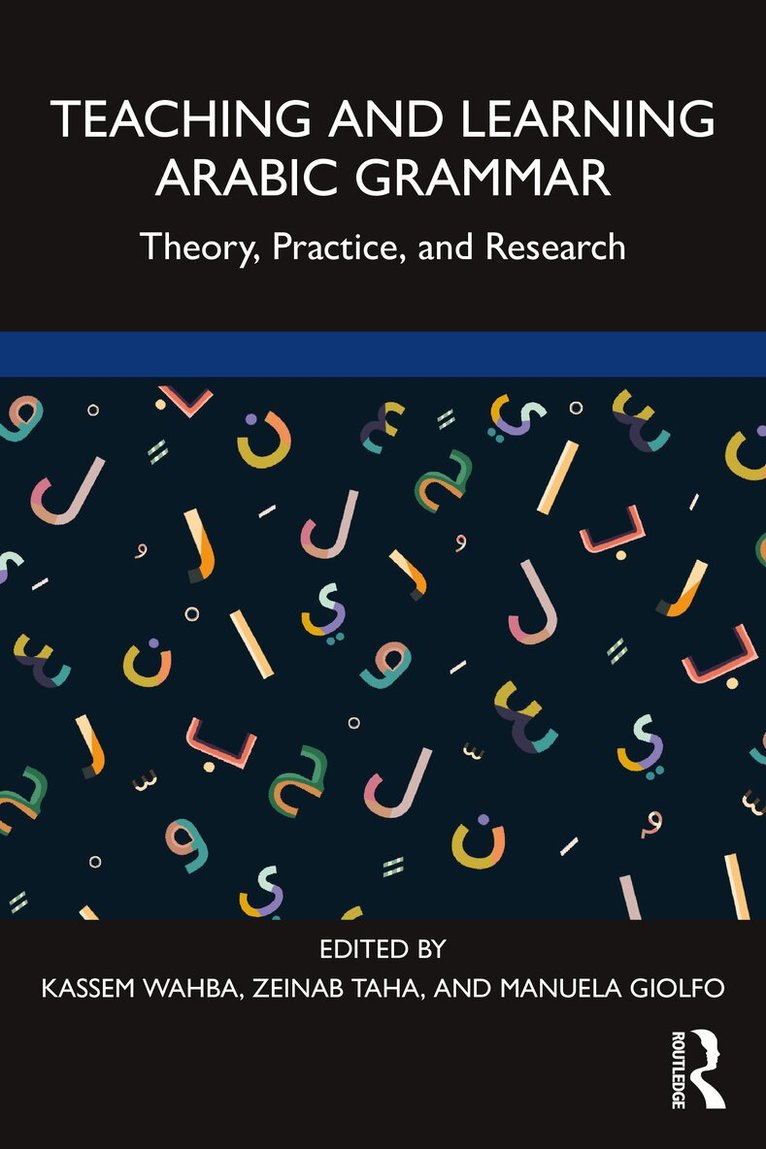
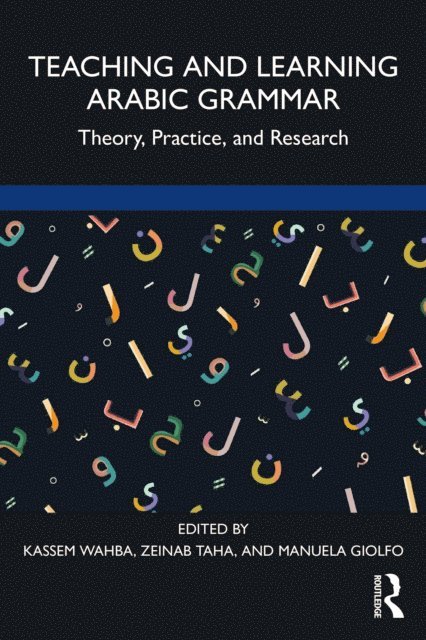
Foundational and comprehensive, this volume provides a theoretical and practical overview of the current issues that dominate the field of teaching and learning Arabic grammar. Bringing together authorities on Arabic grammar from around the world, the book covers both historical contexts and current practices, and provides principles, strategies, and examples of current Arabic grammar instruction across educational settings. Chapter authors offer a range of perspectives on teaching approaches, implementing research findings in the classroom, and future challenges. A much-needed volume to help students, teachers, and teacher educators develop their knowledge and skills, it addresses the most salient and controversial issues in the field, including: what grammar to teach, how much grammar to teach, how to address grammar in content-based or communication-based classroom, and how to teach variation in grammar. This resource is ideal for preservice Arabic language teachers as well as Arabic language professors and researchers.
1 834 kr
Skickas inom 10-15 vardagar
Foundational and comprehensive, this volume provides a theoretical and practical overview of the current issues that dominate the field of teaching and learning Arabic grammar. Bringing together authorities on Arabic grammar from around the world, the book covers both historical contexts and current practices, and provides principles, strategies, and examples of current Arabic grammar instruction across educational settings. Chapter authors offer a range of perspectives on teaching approaches, implementing research findings in the classroom, and future challenges. A much-needed volume to help students, teachers, and teacher educators develop their knowledge and skills, it addresses the most salient and controversial issues in the field, including: what grammar to teach, how much grammar to teach, how to address grammar in content-based or communication-based classroom, and how to teach variation in grammar. This resource is ideal for preservice Arabic language teachers as well as Arabic language professors and researchers.
3 066 kr
Tillfälligt slut
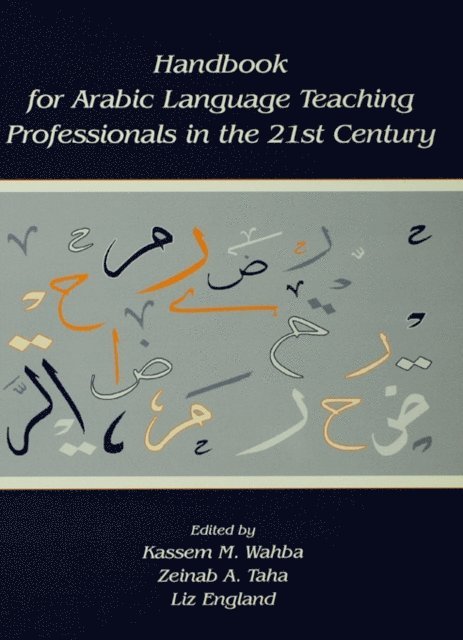
This landmark volume offers an introduction to the field of teaching Arabic as a foreign or second language. Recent growth in student numbers and the demand for new and more diverse Arabic language programs of instruction have created a need that has outpaced the ability of teacher preparation programs to provide sufficient numbers of well-qualified professional teachers at the level of skill required. Arabic language program administrators anticipate that the increases in enrollment will continue into the next decades. More resources and more varied materials are seriously needed in Arabic teacher education and training. The goal of this Handbook is to address that need.The most significant feature of this volume is its pioneer role in approaching the field of Arabic language teaching from many different perspectives. It offers readers the opportunity to consider the role, status, and content of Arabic language teaching in the world today. The Handbook is intended as a resource to be used in building Arabic language and teacher education programs and in guiding future academic research. Thirty-four chapters authored by leaders in the field are organized around nine themes:*Background of Arabic Language Teaching;*Contexts of Arabic Language Teaching;*Communicative Competence in Arabic;*The Learners;*Assessment;*Technology Applications;*Curriculum Development, Design, and Models;*Arabic Language Program Administration and Management; and*Planning for the Future of Arabic Language Learning and Teaching.The Handbook for Arabic Language Teaching Professionals in the 21st Century will benefit and be welcomed by Arabic language teacher educators and trainers, administrators, graduate students, and scholars around the world. It is intended to create dialogue among scholars and professionals in the field and in related fields--dialogue that will contribute to creating new models for curriculum and course design, materials and assessment tools, and ultimately, better instructional effectiveness for all Arabic learners everywhere, in both Arabic-speaking and non-Arabic speaking countries.
1 598 kr
Skickas inom 10-15 vardagar
This landmark volume offers an introduction to the field of teaching Arabic as a foreign or second language. Recent growth in student numbers and the demand for new and more diverse Arabic language programs of instruction have created a need that has outpaced the ability of teacher preparation programs to provide sufficient numbers of well-qualified professional teachers at the level of skill required. Arabic language program administrators anticipate that the increases in enrollment will continue into the next decades. More resources and more varied materials are seriously needed in Arabic teacher education and training. The goal of this Handbook is to address that need.The most significant feature of this volume is its pioneer role in approaching the field of Arabic language teaching from many different perspectives. It offers readers the opportunity to consider the role, status, and content of Arabic language teaching in the world today. The Handbook is intended as a resource to be used in building Arabic language and teacher education programs and in guiding future academic research. Thirty-four chapters authored by leaders in the field are organized around nine themes:Background of Arabic Language Teaching;Contexts of Arabic Language Teaching;Communicative Competence in Arabic;The Learners;Assessment;Technology Applications;Curriculum Development, Design, and Models;Arabic Language Program Administration and Management; andPlanning for the Future of Arabic Language Learning and Teaching.The Handbook for Arabic Language Teaching Professionals in the 21st Century will benefit and be welcomed by Arabic language teacher educators and trainers, administrators, graduate students, and scholars around the world. It is intended to create dialogue among scholars and professionals in the field and in related fields--dialogue that will contribute to creating new models for curriculum and course design, materials and assessment tools, and ultimately, better instructional effectiveness for all Arabic learners everywhere, in both Arabic-speaking and non-Arabic speaking countries.
3 690 kr
Skickas inom 10-15 vardagar
This landmark volume offers an introduction to the field of teaching Arabic as a foreign or second language. Recent growth in student numbers and the demand for new and more diverse Arabic language programs of instruction have created a need that has outpaced the ability of teacher preparation programs to provide sufficient numbers of well-qualified professional teachers at the level of skill required. Arabic language program administrators anticipate that the increases in enrollment will continue into the next decades. More resources and more varied materials are seriously needed in Arabic teacher education and training. The goal of this Handbook is to address that need.The most significant feature of this volume is its pioneer role in approaching the field of Arabic language teaching from many different perspectives. It offers readers the opportunity to consider the role, status, and content of Arabic language teaching in the world today. The Handbook is intended as a resource to be used in building Arabic language and teacher education programs and in guiding future academic research. Thirty-four chapters authored by leaders in the field are organized around nine themes:Background of Arabic Language Teaching;Contexts of Arabic Language Teaching;Communicative Competence in Arabic;The Learners;Assessment;Technology Applications;Curriculum Development, Design, and Models;Arabic Language Program Administration and Management; andPlanning for the Future of Arabic Language Learning and Teaching.The Handbook for Arabic Language Teaching Professionals in the 21st Century will benefit and be welcomed by Arabic language teacher educators and trainers, administrators, graduate students, and scholars around the world. It is intended to create dialogue among scholars and professionals in the field and in related fields--dialogue that will contribute to creating new models for curriculum and course design, materials and assessment tools, and ultimately, better instructional effectiveness for all Arabic learners everywhere, in both Arabic-speaking and non-Arabic speaking countries.
Handbook for Arabic Language Teaching Professionals in the 21st Century, Volume II
Inbunden, Engelska, 2017
3 949 kr
Skickas inom 10-15 vardagar
Drawing on the collective expertise of language scholars and educators in a variety of subdisciplines, the Handbook for Arabic Language Teaching Professionals in the 21st Century, Volume II, provides a comprehensive treatment of teaching and research in Arabic as a second and foreign language worldwide. Keeping a balance among theory, research and practice, the content is organized around 12 themes: Trends and Recent Issues in Teaching and Learning Arabic Social, Political and Educational Contexts of Arabic Language Teaching and Learning Identifying Core Issues in Practice Language Variation, Communicative Competence and Using Frames in Arabic Language Teaching and Learning Arabic Programs: Goals, Design and Curriculum Teaching and Learning Approaches: Content-Based Instruction and Curriculum Arabic Teaching and Learning: Classroom Language Materials and Language Corpora Assessment, Testing and Evaluation Methodology of Teaching Arabic: Skills and Components Teacher Education and Professional Development Technology-Mediated Teaching and Learning Future DirectionsThe field faces new challenges since the publication of Volume I, including increasing and diverse demands, motives and needs for learning Arabic across various contexts of use; a need for accountability and academic research given the growing recognition of the complexity and diverse contexts of teaching Arabic; and an increasing shortage of and need for quality of instruction. Volume II addresses these challenges. It is designed to generate a dialogue—continued from Volume I—among professionals in the field leading to improved practice, and to facilitate interactions, not only among individuals but also among educational institutions within a single country and across different countries.
Handbook for Arabic Language Teaching Professionals in the 21st Century, Volume II
Häftad, Engelska, 2017
1 390 kr
Skickas inom 10-15 vardagar
Drawing on the collective expertise of language scholars and educators in a variety of subdisciplines, the Handbook for Arabic Language Teaching Professionals in the 21st Century, Volume II, provides a comprehensive treatment of teaching and research in Arabic as a second and foreign language worldwide. Keeping a balance among theory, research and practice, the content is organized around 12 themes: Trends and Recent Issues in Teaching and Learning Arabic Social, Political and Educational Contexts of Arabic Language Teaching and Learning Identifying Core Issues in Practice Language Variation, Communicative Competence and Using Frames in Arabic Language Teaching and Learning Arabic Programs: Goals, Design and Curriculum Teaching and Learning Approaches: Content-Based Instruction and Curriculum Arabic Teaching and Learning: Classroom Language Materials and Language Corpora Assessment, Testing and Evaluation Methodology of Teaching Arabic: Skills and Components Teacher Education and Professional Development Technology-Mediated Teaching and Learning Future DirectionsThe field faces new challenges since the publication of Volume I, including increasing and diverse demands, motives and needs for learning Arabic across various contexts of use; a need for accountability and academic research given the growing recognition of the complexity and diverse contexts of teaching Arabic; and an increasing shortage of and need for quality of instruction. Volume II addresses these challenges. It is designed to generate a dialogue—continued from Volume I—among professionals in the field leading to improved practice, and to facilitate interactions, not only among individuals but also among educational institutions within a single country and across different countries.
Revisiting Levels of Contemporary Arabic in Egypt
Essays on Arabic Varieties in Memory of El-Said Badawi
Inbunden, Engelska, 2020
841 kr
Skickas inom 5-8 vardagar
El-Said Badawi’s seminal Levels of Contemporary Arabic in Egypt was first published in Arabic in 1973. Its theory of interrelated language levels that are ever-changing along a sociolinguistic continuum inspired a generation of Arabists and Arabic-language educators to re-examine Arabic varieties from a wide range of perspectives, transforming the way scholars carried out research on language variation, lexicography, and teaching Arabic as a foreign language. Since that time, Arabic has witnessed major changes in the way its spoken and written forms are practiced, but informed, scholarly publications on the current reality of the linguistic landscape have been few and far between. This collective study, with contributions from renowned scholars of Arabic applied linguistics, draws on empirical data to bring together original new research on spoken and written language varieties in Egypt today.Thematically, Revisiting Levels of Contemporary Arabic in Egypt explores three broad but interconnected areas: Arabic varieties in context, challenges to Badawi’s Levels model, and the pedagogical implications of varying levels in teaching Arabic as a foreign language. It not only discusses the current applicability of Badawi’s model to contexts such as contemporary Egyptian newspapers and Facebook, but looks at empirical data related to colloquial varieties in Egypt and elsewhere, the role of context in their current use, and the approaches to documenting and deriving colloquial lexicons. It also examines linguistic styles in different genres and contexts and for different audiences.