Zeno Ackermann – författare
Visar alla böcker från författaren Zeno Ackermann. Handla med fri frakt och snabb leverans.
7 produkter
Shylock nach dem Holocaust
Zur Geschichte einer deutschen Erinnerungsfigur
Av Sabine Schulting, Zeno Ackermann
E-bok, 2011
1984 kr
Lägg i varukorg
Nach dem Zivilisationsbruch des Holocaust erlangte Shakespeares Kaufmann von Venedig rasch wieder seine traditionelle Stellung nah am Zentrum des bundesdeutschen Theatergeschehens. Obwohl ‑ oder gerade weil ‑ das Stück in der Figur des Geldverleihers Shylock problematische Konstruktionen „des …
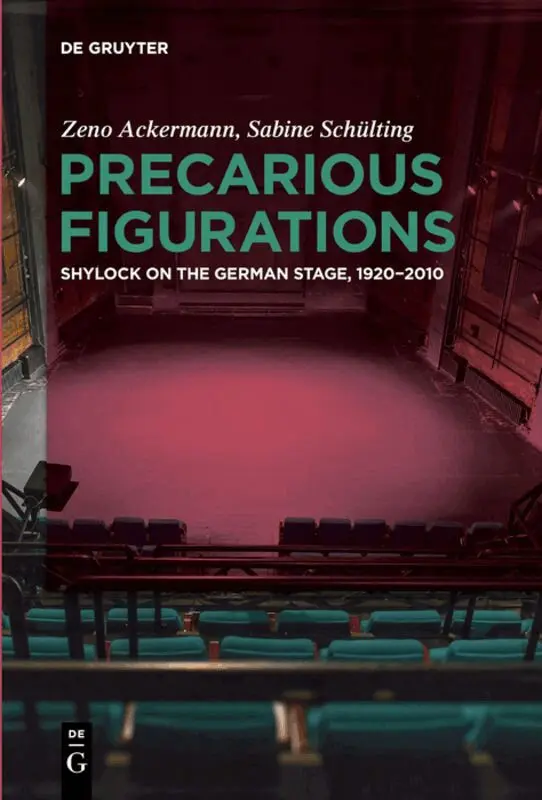
Precarious Figurations
Shylock on the German Stage, 1920–2010
Av Zeno Ackermann, Sabine Schülting
Inbunden, 2019
1569 kr
Lägg i varukorg
Precarious Figurations focuses on the reception of Shakespeare’s The Merchant of Venice in twentieth- and twenty-first-century Germany. Looking at theatrical practices and critical or scholarly discourses from the Weimar Republic to the new millennium, the book explores why the play has served …
Precarious Figurations
Shylock on the German Stage, 1920–2010
Av Sabine Schulting, Zeno Ackermann
E-bok, 2019
1585 kr
Lägg i varukorg
Precarious Figurations focuses on the reception of Shakespeare’s The Merchant of Venice in twentieth- and twenty-first-century Germany. Looking at theatrical practices and critical or scholarly discourses from the Weimar Republic to the new millennium, the book explores why the play has served …
Precarious Figurations
Shylock on the German Stage, 1920–2010
Av Sabine Schulting, Zeno Ackermann
E-bok, 2019
1585 kr
Lägg i varukorg
Precarious Figurations focuses on the reception of Shakespeare’s The Merchant of Venice in twentieth- and twenty-first-century Germany. Looking at theatrical practices and critical or scholarly discourses from the Weimar Republic to the new millennium, the book explores why the play has served …
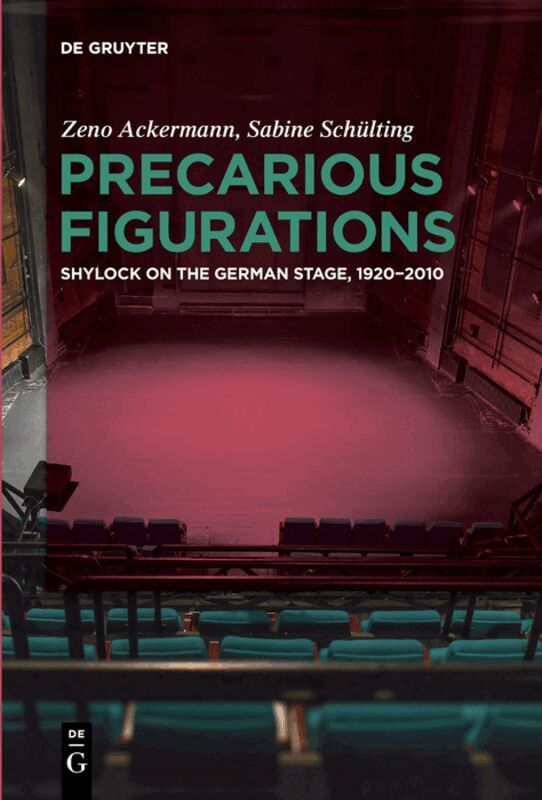
Precarious Figurations
Shylock on the German Stage, 1920–2010
Av Zeno Ackermann, Sabine Schülting
Häftad, 2020
383 kr
Lägg i varukorg
Precarious Figurations focuses on the reception of Shakespeare’s The Merchant of Venice in twentieth- and twenty-first-century Germany. Looking at theatrical practices and critical or scholarly discourses from the Weimar Republic to the new millennium, the book explores why the play has served …
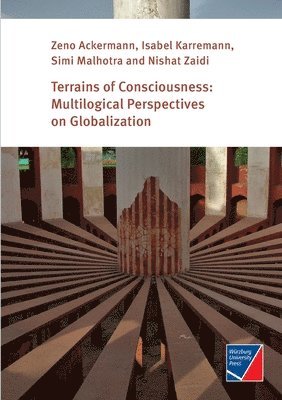
Terrains of Consciousness
Multilogical Perspectives on Globalization
Av Zeno Ackermann, Isabel Karremann m. fl.
Häftad, 2021
413 kr
Lägg i varukorg