Zeynep Gülsah Çapan – författare
Visar alla böcker från författaren Zeynep Gülsah Çapan. Handla med fri frakt och snabb leverans.
6 produkter
6 produkter
Inbunden, Engelska, 2016
1 664 kr
Skickas inom 10-15 vardagar
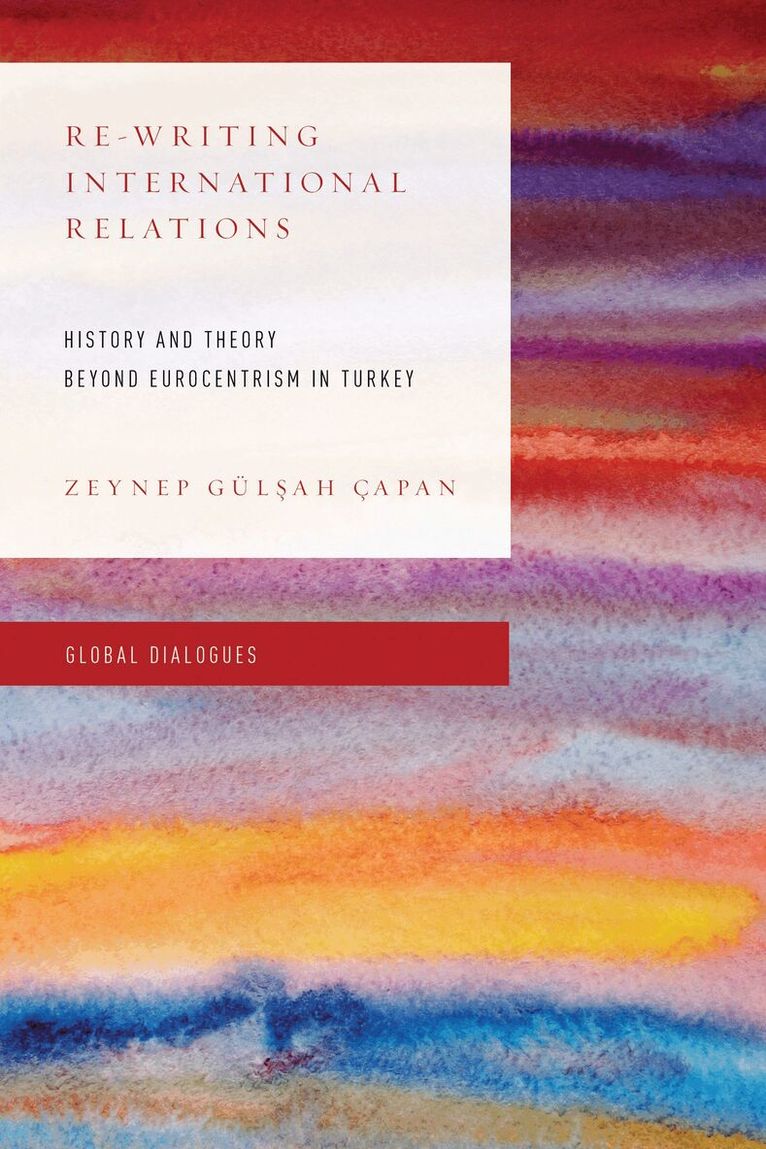
The book presents a possible way of reading and re-writing the Eurocentrism of International Relations. The method proposed to re-write histories of the manifestations and criticisms of Eurocentrism is through ‘connected histories’. The first section of the book focuses on manifestations of Eurocentrism in and through disciplinary formations and geopolitical contexts. This section explores the ‘field of IR’ as a problematic unit that already assumes a coloniality of power. It questions the existence of ‘fields of study’ and the borders between them by examining the permeability between history and IR, and highlighting how Eurocentric assumptions about world politics are reproduced in the different ‘fields’. The second section of the book focuses on criticisms of Eurocentrism in and through disciplines and geopolitical contexts. This setion explores the different ways in which theoretical strategies criticizing Eurocentrism were formulated in conversation with each other across disciplines and geopolitical contexts.
Häftad, Engelska, 2016
562 kr
Skickas inom 10-15 vardagar
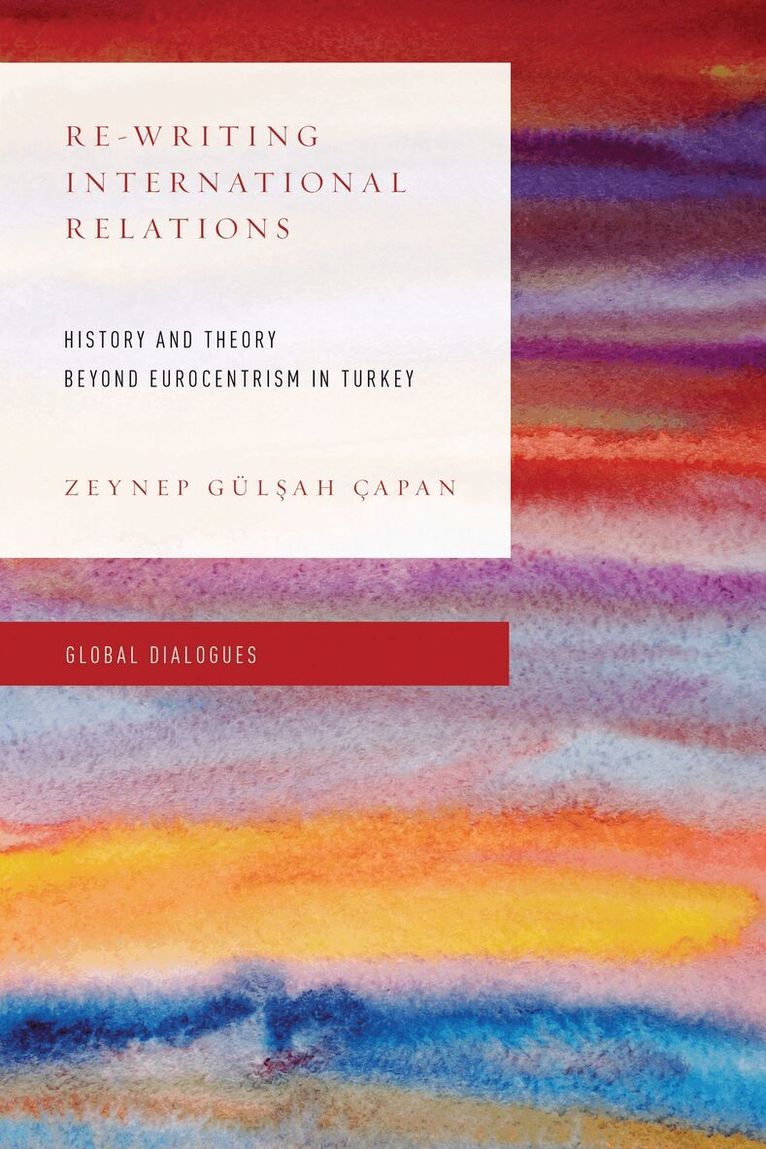
The book presents a possible way of reading and re-writing the Eurocentrism of International Relations. The method proposed to re-write histories of the manifestations and criticisms of Eurocentrism is through ‘connected histories’. The first section of the book focuses on manifestations of Eurocentrism in and through disciplinary formations and geopolitical contexts. This section explores the ‘field of IR’ as a problematic unit that already assumes a coloniality of power. It questions the existence of ‘fields of study’ and the borders between them by examining the permeability between history and IR, and highlighting how Eurocentric assumptions about world politics are reproduced in the different ‘fields’. The second section of the book focuses on criticisms of Eurocentrism in and through disciplines and geopolitical contexts. This setion explores the different ways in which theoretical strategies criticizing Eurocentrism were formulated in conversation with each other across disciplines and geopolitical contexts.
E-bok
Engelska, 2016587 kr
Läs direkt efter köp
The book presents a possible way of reading and re-writing the Eurocentrism of International Relations. The method proposed to re-write histories of the manifestations and criticisms of Eurocentrism is through ‘connected histories’. The first section of the book focuses on manifestations of Eurocentrism in and through disciplinary formations and geopolitical contexts. This section explores the ‘field of IR’ as a problematic unit that already assumes a coloniality of power. It questions the existence of ‘fields of study’ and the borders between them by examining the permeability between history and IR, and highlighting how Eurocentric assumptions about world politics are reproduced in the different ‘fields’. The second section of the book focuses on criticisms of Eurocentrism in and through disciplines and geopolitical contexts. This setion explores the different ways in which theoretical strategies criticizing Eurocentrism were formulated in conversation with each other across disciplines and geopolitical contexts.
Inbunden, Engelska, 2021
1 525 kr
Skickas inom 10-15 vardagar
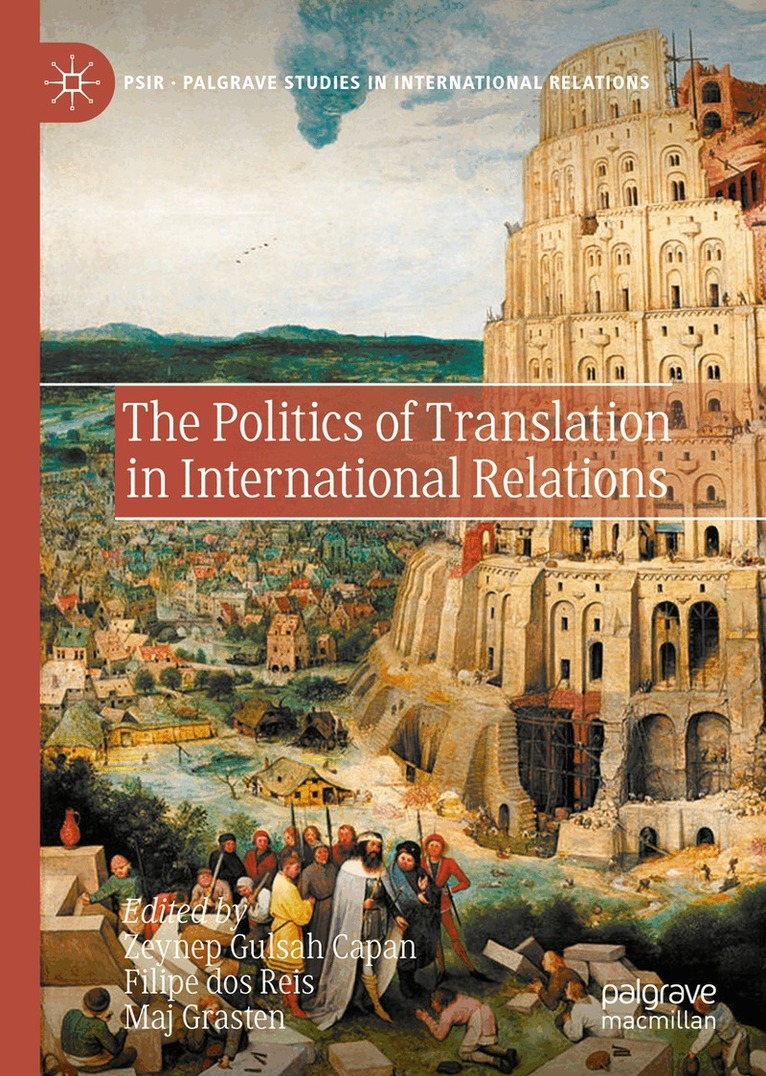
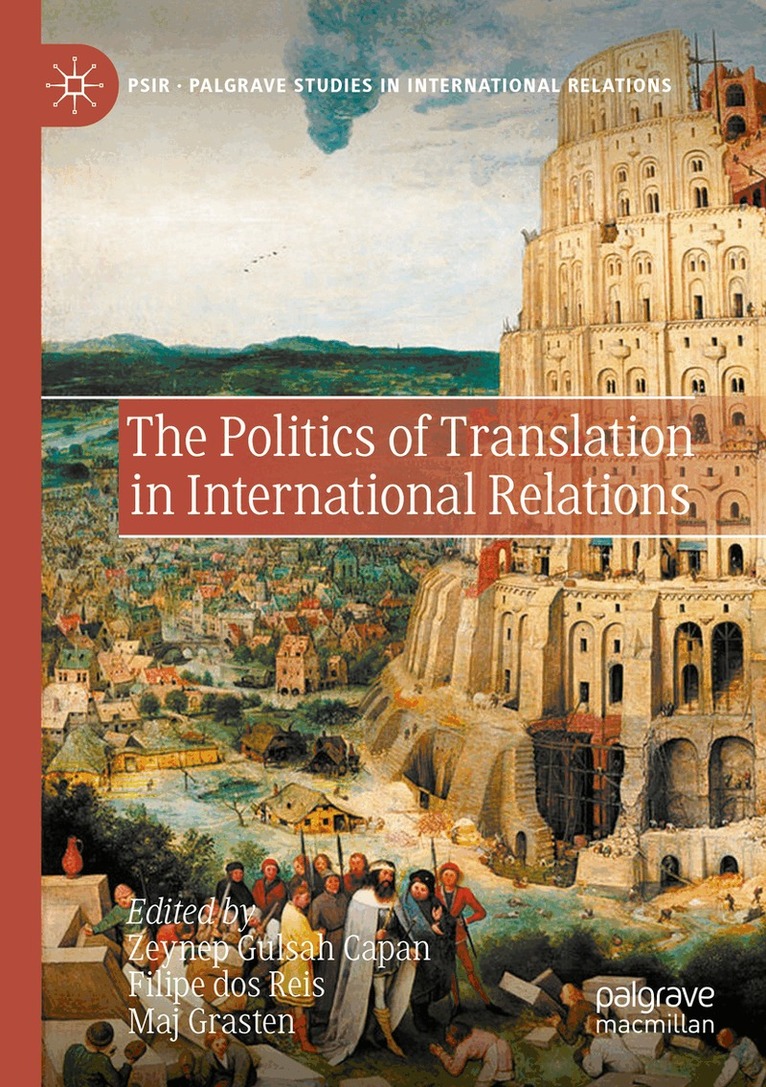
This volume concerns the role and nature of translation in global politics. Through the establishment of trade routes, the encounter with the ‘New World’, and the circulation of concepts and norms across global space, meaning making and social connections have unfolded through practices of translating. While translation is core to international relations it has been relatively neglected in the discipline of International Relations. The Politics of Translation in International Relations remedies this neglect to suggest an understanding of translation that transcends language to encompass a broad range of recurrent social and political practices. The volume provides a wide variety of case studies, including financial regulation, gender training programs, and grassroot movements. Contributors situate the politics of translation in the theoretical and methodological landscape of International Relations, encompassing feminist theory, de- and post-colonial theory, hermeneutics, post-structuralism, critical constructivism, semiotics, conceptual history, actor-network theory and translation studies. The Politics of Translation in International Relations furthers and intensifies a cross-disciplinary dialogue on how translation makes international relations.
E-bok
Engelska, 20211 825 kr
Läs direkt efter köp
This volume concerns the role and nature of translation in global politics. Through the establishment of trade routes, the encounter with the ‘New World’, and the circulation of concepts and norms across global space, meaning making and social connections have unfolded through practices of translating. While translation is core to international relations it has been relatively neglected in the discipline of International Relations. The Politics of Translation in International Relations remedies this neglect to suggest an understanding of translation that transcends language to encompass a broad range of recurrent social and political practices. The volume provides a wide variety of case studies, including financial regulation, gender training programs, and grassroot movements. Contributors situate the politics of translation in the theoretical and methodological landscape of International Relations, encompassing feminist theory, de- and post-colonial theory, hermeneutics, post-structuralism, critical constructivism, semiotics, conceptual history, actor-network theory and translation studies. The Politics of Translation in International Relations furthers and intensifies a cross-disciplinary dialogue on how translation makes international relations.
Häftad, Engelska, 2022
1 525 kr
Skickas inom 10-15 vardagar
This volume concerns the role and nature of translation in global politics. Through the establishment of trade routes, the encounter with the ‘New World’, and the circulation of concepts and norms across global space, meaning making and social connections have unfolded through practices of translating. While translation is core to international relations it has been relatively neglected in the discipline of International Relations. The Politics of Translation in International Relations remedies this neglect to suggest an understanding of translation that transcends language to encompass a broad range of recurrent social and political practices. The volume provides a wide variety of case studies, including financial regulation, gender training programs, and grassroot movements. Contributors situate the politics of translation in the theoretical and methodological landscape of International Relations, encompassing feminist theory, de- and post-colonial theory, hermeneutics, post-structuralism, critical constructivism, semiotics, conceptual history, actor-network theory and translation studies. The Politics of Translation in International Relations furthers and intensifies a cross-disciplinary dialogue on how translation makes international relations.